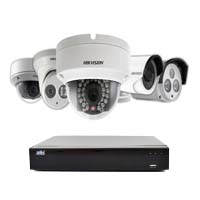
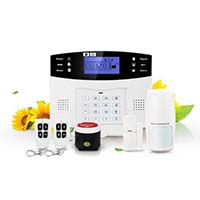
In front of you are surveillance systems from IMOU. The goal is simple — to clarify what these units are for and help you match one to your situation.
Video archive
Video can be written to a memory card in the camera itself, to a network recorder or to the cloud — each approach has its own balance of cost, reliability and ease of access. Combining local and cloud storage adds insurance: even if the device is taken, the recording remains.
Easy integration
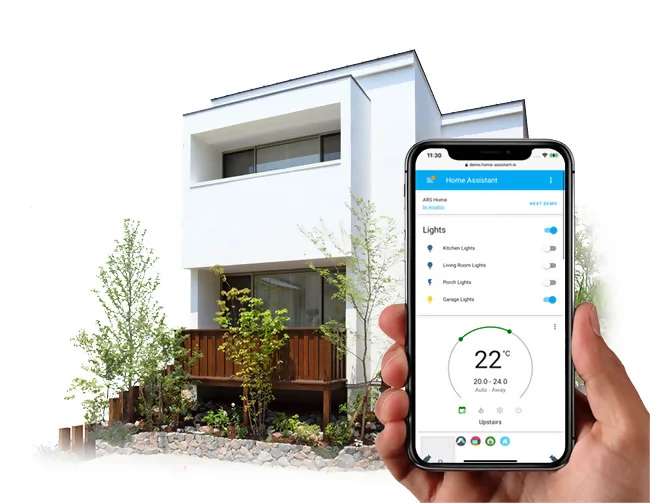
Most modern cameras play nicely with mobile apps and smart-home scenarios, so video is easy to combine with sensors and alarms. The result is not a standalone gadget but part of a coherent security system.
A recording as an argument
Sometimes a camera's main value isn't to prevent but to record. A clear, time-stamped clip becomes a weighty argument in a dispute — from a disagreement with neighbours to a claim with an insurer or the police. An archive at hand removes needless arguing.
Weather protection
For the yard and facade a dust- and water-resistant housing matters, one unfazed by rain, dust and temperature swings. Such a camera winters outdoors without a separate shelter, and you don't think about it every time the weather turns.
Real-time response
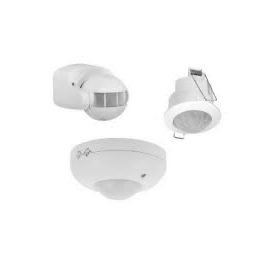
A motion sensor and push notifications turn recording from a passive archive into active security: the moment something happens in frame, you see it in the app at once. You can react to an alarming situation immediately rather than reviewing footage the next day.
Areas of use
A house, an entrance, a yard, a small shop, a warehouse or a workshop — anywhere you want to keep a finger on the pulse. One or two cameras at the gate and the door often discipline better than any warning and noticeably lower the risk of trouble.
What you see at night
The most interesting things usually happen after sunset, so infrared illumination or full-colour night capture is a necessity rather than a whim. Modern surveillance systems keep a clear picture in the dark, and a licence plate or a face stays legible at night.
What to consider
Look at sensor resolution, field of view, night-capture quality and the storage method. For outdoors add the housing's protection rating, and for a remote site the autonomy of the connection. These details decide whether the footage is truly useful.
Don't feel like scrolling through dozens of options? Don't waste time: you can buy a camera IMOU in a couple of clicks and we'll handle the rest.

 m. Сміла, Незалежності, 67г. оф, 406/6