m. Сміла, Незалежності, 67г. оф, 406/6





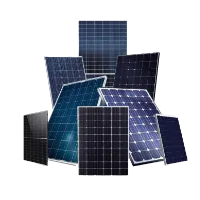
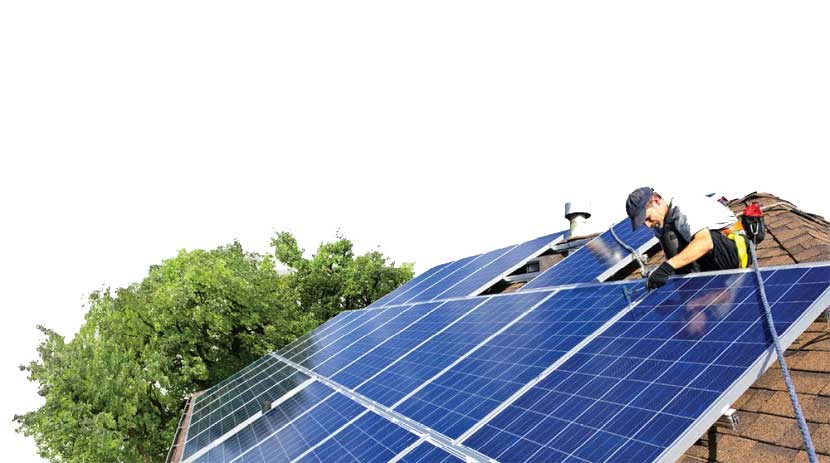




Solar panels and photovoltaic modules
The solar panel is the foundation of any photovoltaic plant: it determines how much energy you will receive and how smoothly the system will operate for years. This section contains photovoltaic modules (solar batteries) from leading world manufacturers for private homes, businesses and municipal facilities. We stock only proven equipment and install it with our own teams, so we advise not based on brochures, but on real field experience.
What are photovoltaic modules: technology in simple words
The modern market has almost completely switched to monocrystalline silicon - polycrystalline panels with a characteristic "mosaic" shade are already considered obsolete due to lower efficiency. The main dividing line today is between P-type and N-type cells.
P-type panels (until recently the most common PERC technology) are cheaper, but lose power faster and feel worse in the heat. N-type is a new generation: such cells are almost not subject to light degradation, last longer and extract more energy from the same square meter. There are two main directions within N-type:
- TOPCon is today's premium standard: high efficiency, low degradation, and reasonable price. Most of the top modules on the market are built on this technology.
- HJT (heterojunction) — the highest efficiency and best temperature coefficient, i.e. minimum power loss in heat. It is more expensive, so it is chosen where every kilowatt-hour from a limited area is critical.
It is worth mentioning back-contact (IBC/BC) modules separately: the entire current-collecting grid in them is moved to the back side, so the front surface is uniformly black and “collects” light as much as possible.
Design that defines durability
In addition to the cell type, the actual efficiency and service life are affected by the module design:
- Bifacial panels generate energy on the back side as well, capturing reflected light. On light-colored roofs, ground structures, or over snow, they provide a noticeable boost in output.
- Double-glazed modules have a second tempered glass instead of a polymer film: higher resistance to moisture, ultraviolet light and degradation, and therefore a longer warranty. The optimal choice for difficult conditions and long-term investments.
- Half-cut elements and multi-busbar reduce internal losses and make the panel more resistant to partial shading from a chimney, tree or neighboring row.
How to choose a photovoltaic module: advice from our engineers
- Start with the area, not the watts. If there is enough roof space, it is more profitable to install more modules of medium efficiency. If there is not enough space, the extra payment for high-efficiency N-type or HJT will be justified.
- Look at the temperature coefficient. In the summer, the panel heats up to 60–70 °C, and it is this indicator that determines how much power it will lose in the heat. In N-type, it is noticeably better than in the old P-type.
- Compare degradation, not just starting power. It is important how much the module will produce in the 10th and 25th year. Pay attention to the guaranteed percentage of power at the end of the term and the annual degradation.
- Check the warranty at two levels - separately for the product (against manufacturing defects) and separately for the capacity (linear, usually for 25–30 years). A long generation warranty is the manufacturer's confidence in their product.
- Evaluate the brand's reputation. Tier 1 status according to BloombergNEF indicates the company's financial stability, and being included in the PVEL Top Performer rating indicates quality confirmed by independent tests.
- Bifaciality is not always a plus. A double-sided panel provides a bonus only when properly installed above a reflective surface; on a dark roof, its advantage is almost not realized.
- Match the panel to the rest of the system. The voltage, current, and dimensions should match the inverter and mounting, and the weight should match the roof load. It's better to consult a specialist once than to overpay or under-install.
Owners' experience
Over the years of installation, a clear pattern has been observed: owners of high-quality N-type stations most often mention them… or not at all. A good panel simply works — quietly delivers its plan both in winter and in the heat, without power drops and warranty claims. What usually impresses people most is not the peak generation of solar noon, but the stable production on cloudy days and how quickly the station begins to noticeably reduce electricity bills. And those who once saved on cheap P-type modules often return for a replacement after a few years — and this is the most eloquent testimony to the difference in technologies.
Buy with confidence
Our team designs and installs turnkey solar stations, so we select panels for a specific object, roof, and budget — and we are responsible for the final result. Choose proven equipment, and our engineers will help you with technical issues, system calculation, and warranty support.