m. Сміла, Незалежності, 67г. оф, 406/6





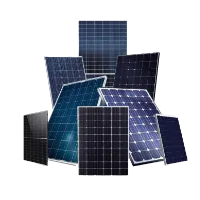





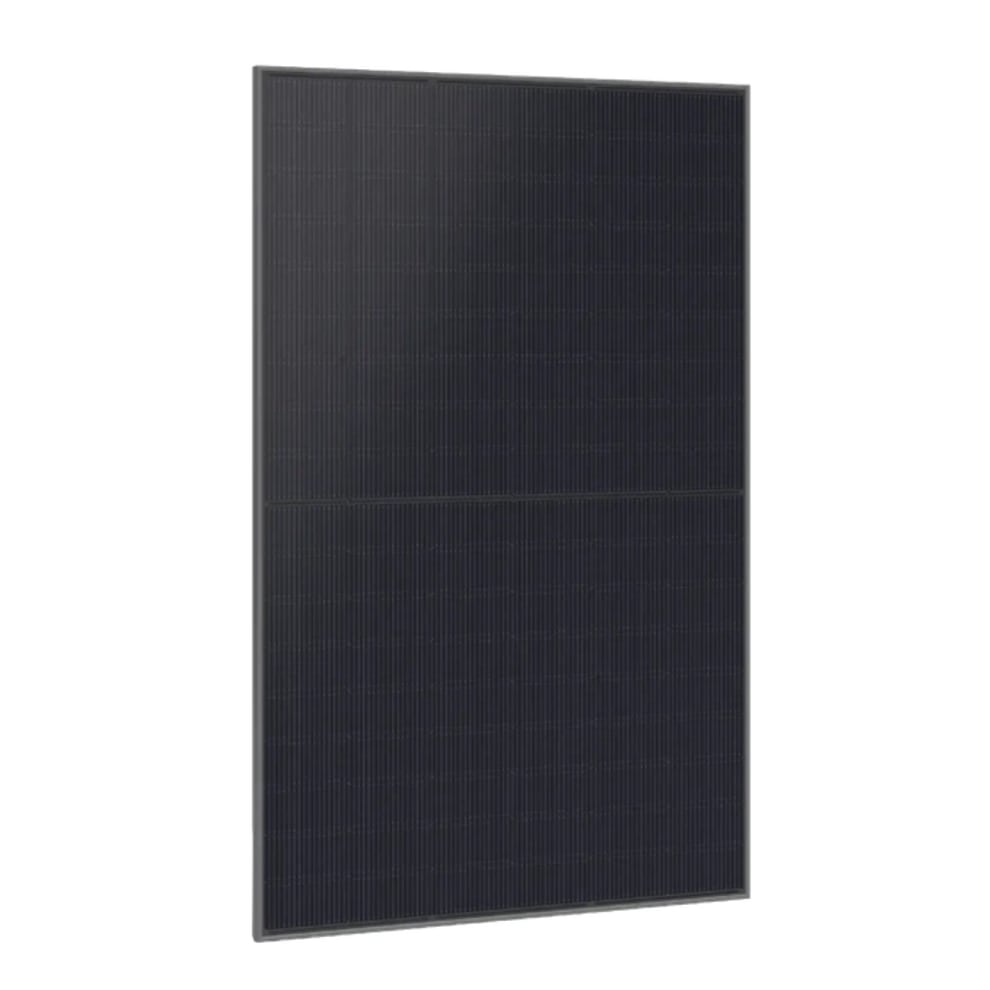
JA Solar AM60D40-500/LB Black Frame - solar panel 500 W

Please sign in so that we can notify you about a reply
Description JA Solar AM60D40-500/LB Black Frame
Solar panel JA Solar JAM60D40-500/LB BF, 500 W (bilateral, N-type)
The JA Solar JAM60D40-500/LB 500W bifacial solar panel is a solution for those who want to collect the maximum amount of energy from every square meter of roof or land. It is a bifacial monocrystalline module based on N-type TOPCon elements with a glass-glass structure: it generates current on both surfaces and maintains a stable output even when conventional panels noticeably lose performance. It belongs to the premium DeepBlue 4.0 series - one of the most famous in the world of photovoltaics.
N-type TOPCon technology and what it gives in practice
The panel is based on N-type solar cells manufactured using TOPCon (Tunnel Oxide Passivated Contact) technology. This is a more modern alternative to the common PERC technology, and the difference is noticeable in real operation, not just in the passport numbers:
- Less degradation. N-type elements are practically not subject to the LID/LeTID effect, due to which cheaper panels lose some of their power in the first months of operation.
- Heat resistance. A lower temperature coefficient means that on a July afternoon, when the module heats up to 60–70 °C, it loses less power than classic p-type counterparts. For Ukraine with its hot summers, this is a direct increase in output.
- Low-light performance. The panel starts generating earlier at dawn and lasts until dusk, and on cloudy days it produces more than it might seem.
The module efficiency reaches about 22.6% - that is, a full 500 W fits into a compact area of 1953 × 1134 mm.
Two working sides: up to +30% energy for free
The key advantage of the JAM60D40-500/LB is its bifaciality. The transparent back side in the glass-glass housing captures light reflected from the roof, snow, light gravel or concrete, and adds up to +30% energy to the main generation. The effect is most noticeable on light and snowy surfaces: in winter, when every kilowatt-hour is especially valuable, the panel continues to work on the “other side”.
The half-cut design (120 elements cut in half) reduces internal ohmic losses and increases resistance to partial shading - a shadow from a chimney, antenna, or branch "extinguishes" only part of the module, not the entire row at once.
Reliability designed for decades
Glass-on-glass construction is not only about two-sided generation. Two tempered glasses instead of a film backsheet protect the elements from moisture, ultraviolet, sand and microcracks, so such modules last significantly longer than standard panels with a conventional back film. The manufacturer backs this up with a warranty: 15 years for the product itself and 30 years for power retention .
The claimed degradation is less than 1% in the first year and no more than 0.4% each year thereafter. In practice, this means that even after 30 years, the panel will still deliver about 87% of its initial power. Add to this resistance to serious mechanical loads (snow up to 5400 Pa, wind up to 2400 Pa), an operating range from −40 to +85 °C and a junction box with IP68 protection class - the module can easily withstand both frosty winters and hailstorms. Compliance with IEC 61215, IEC 61730 and TÜV standards is not a checkmark, but confirmation that the panel has passed rigorous independent tests for safety and durability.
User experience: what the owner actually gets
- Lower electricity bills from the first month - due to higher output from the same roof area.
- Stable generation in non-ideal conditions - in the morning, evening, and in cloudy weather, when household consumption increases.
- Neat appearance - the black frame organically fits into a modern roof, without motley.
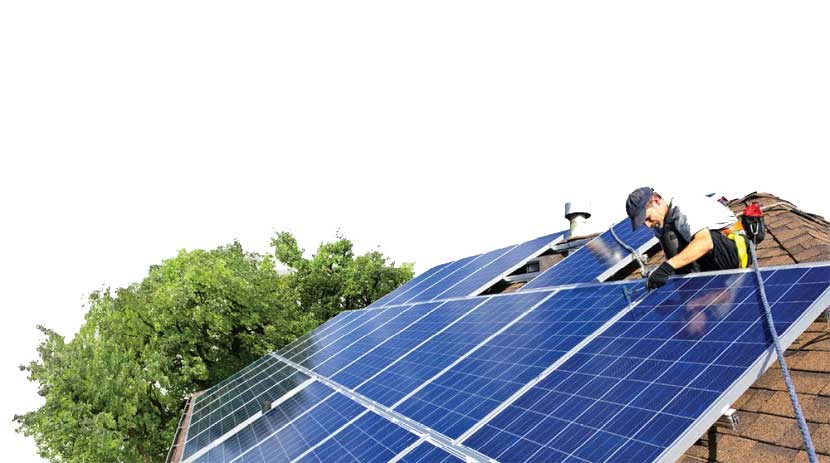
- Quick installation - standard MC4 connectors and a well-designed frame are compatible with any standard mounting system, so installers spend less time on site.
In simple words: you install the panel once and don't remember it for years, getting the predicted output without any unpleasant surprises.
The JA Solar JAM60D40-500/LB bifacial solar panel is equally well suited for private homes, commercial rooftops, and ground stations—where maximum output, reliability, and long service life are important. This is exactly the case where the slightly higher price for a premium N-type module pays off in more kilowatts for decades to come.
Characteristics JA Solar AM60D40-500/LB Black Frame
Bidirectional generation coefficient
80 ±10%
Cell type
N-type TOPCon
Class
Tier-1
Color
Black
Construction
glass-glass
First year degradation
≤1%
Frame color
Black
Further degradation
0.4%/year
Generation type
Two-way
Maximum system voltage
1500 V
Module efficiency
22.5–22.8%
MPP current
13.55 A
MPP voltage
36.91 V
Number of cells
120 half-cell / 60 full
Operating temperature
from -40 to +85°C
Performance guarantee
25 years
Power
500 W
Residual capacity 30 years of operation
≈84.7%
Technology
Bifacial, Double Glass, Black Frame
General characteristics
Country of origin
People's Republic of China
Country of origin
People's Republic of China
Guarantee
12 months
Manufacturer
Ja Solar
Overall dimensions
Length
1953 mm.
Thickness
30 mm.
Width
1134 mm.
Physical properties
Material of execution
Скло
Weight
27.3 кг.
Reviews about JA Solar AM60D40-500/LB Black Frame from real users
No reviews found
Store addresses
Working hours
Телефон
Availability
Smila
Uman