Acoustic sensors: invisible "ears" that keep us safe
We live in a world where many things happen unnoticed by us, but they affect our lives. One of these "invisible" assistants is sound. It carries a lot of information that we often do not notice. But there are devices that can "listen" for us and turn these sounds into something useful. These are acoustic sensors - the real "ears" of modern technology.
Why are they needed?
In short, acoustic sensors are devices that pick up sounds and help analyze them. They can hear everything from a faint rustle to a loud explosion, from human conversation to the hum of machinery. This is why they are used everywhere – in factories, hospitals, scientific laboratories and, of course, in security systems.
How does it work?
Imagine a thin film that vibrates with sound, like a drum. When a sound wave hits it, it vibrates, and these vibrations are converted into an electrical signal. The louder the sound, the stronger the signal. Simple, but brilliant!
There are different types of such sensors:
- Microphones are probably the most well-known type. They come in different types: some are ideal for recording music, others for industrial purposes. For example, condenser microphones are super sensitive, which is why they are loved by musicians.
- Ultrasonic sensors – work with sounds that we can't hear. They emit ultrasound and then catch its reflection to understand where and what is there. This is how they determine the distance, shape or speed of objects.
- Hydrophones are "underwater ears." They listen to noises in the water, helping to search for objects or study the ocean.
What's new in these technologies?
Today, acoustic sensors are not just microphones. They have become real "smarts":
- Digital signal processing – the sound is converted into a digital format, cleaned of noise, extracted, and even recognized speech or individual sounds.
- Artificial intelligence – sensors learn to understand complex sounds, detect unusual objects, or even predict events. For example, recognizing that someone is trying to break down a door.
- MEMS technologies – thanks to them, sensors have become tiny but very sensitive. They are built into phones, watches, or headphones.
How do they help us stay safe?
In security systems, acoustic sensors are real heroes:
- Glass break sensors – they hear the characteristic ringing of a broken window and immediately sound the alarm.
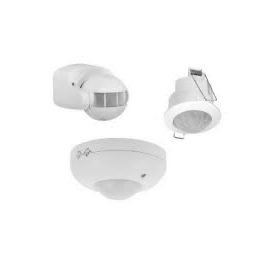
- Noise or motion sensors – react to footsteps, knocks, or suspicious sounds to detect strangers.
- Situational analysis – smart systems listen to everything around them and can recognize screams, explosions, or even the sound of a drill being used to crack a safe.
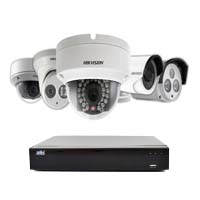
- Working with cameras – if the sensor hears something strange, it can turn on the camera, point it at the source of the sound, and notify security.
- Leak sensors – they hear the hissing of gas or the gurgling of water, helping to avoid accidents.
Acoustic sensors are silent but indispensable helpers. They watch over us, listening to what we miss. Every year they become smarter, more compact and more effective, helping us feel safe. They are like invisible sentinels, always on the alert.
Have you ever wondered how often we trust the "hearing" of technology in our lives? For example, when a phone recognizes your voice or an alarm responds to noise?















 m. Сміла, Незалежності, 67г. оф, 406/6
 0 800 33 00 95 (free call)
 +380 (44) 334 41 22
 +380 (99) 334 11 66
 +380 (98) 334 11 66
 +380 (93) 334 11 66