GCL: high-power modules for commercial and industrial projects
What GCL solar panels and photovoltaic modules are
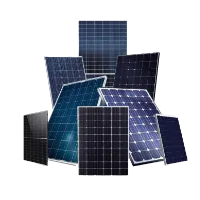
Solar panels and photovoltaic modules are equipment that converts sunlight energy directly into electric current through the photovoltaic effect in semiconductor silicon cells. GCL System Integration (GCL-SI), a publicly listed company headquartered in Suzhou, trades on the Shenzhen Stock Exchange and holds production capacity above 60 GW annually, placing it among the world's largest module manufacturers by output volume.
The NT12/66GDF and NT12R/66GDF series: sizing power for your project
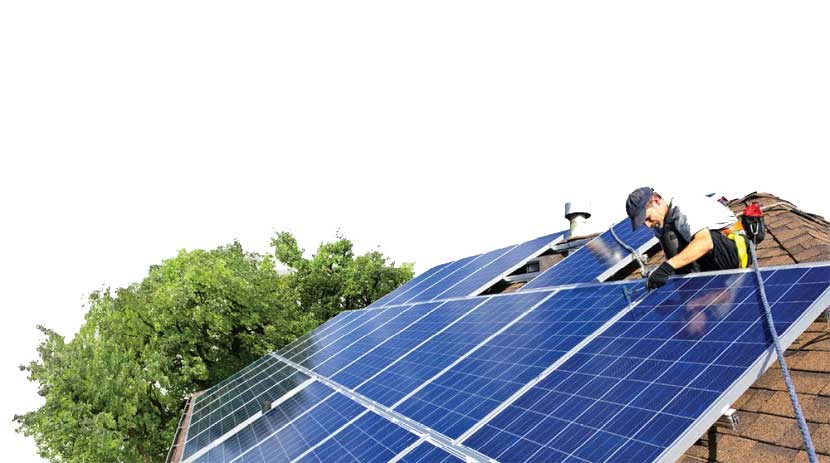
In this category, GCL is represented by monocrystalline modules in the NT12/66GDF (710-740 W) and NT12R/66GDF (615-640 W) series, built on N-type TOPCon technology. These aren't small residential panels for private home roofs — they're higher-power modules aimed at commercial rooftops, ground-mount stations and industrial sites, where power density per unit of area directly affects a project's economics.
Choosing a photovoltaic module for a specific project starts not with the brand but with calculating the system's required power, available mounting area, and budget: GCL panels with higher power per unit area let you fit more installed kilowatts on the same roof or plot compared to earlier-generation panels — especially valuable where mounting space is limited.
N-type TOPCon efficiency and the bifacial gain
The N-type TOPCon technology used across all GCL models in this category delivers a stated conversion efficiency above 22.5% — a figure that directly determines how many kilowatt-hours a given system generates per square meter of installed panels each year. A difference of a few efficiency percentage points between generations compounds into a substantial gap in cumulative energy output over 25-30 years of operation.
Bifacial construction further boosts output by capturing reflected light off the panel's rear side — a 5-15% gain depending on the ground surface type beneath the array. For ground-mount stations with light-colored gravel or a white membrane on a flat roof, that gain is especially noticeable and effectively free, since it requires no additional mounting area.
Warranty, installation, production scale and how to choose
Warranty terms on photovoltaic modules typically include two separate figures: a workmanship warranty against manufacturing defects (typically 12-15 years) and a linear power degradation warranty (typically 25-30 years, guaranteeing at least 80-84% of initial power at the end of the term). When comparing manufacturers, check both figures separately rather than relying on the headline service life quoted in general marketing materials, since the fine print of warranty terms often determines the purchase's real value 20 years down the line.
GCL's public listing on the stock exchange and production scale above 60 GW mean a lower risk of the manufacturer disappearing from the market during a panel's 25-30 year warranty term — a practical factor worth weighing alongside technical specs when choosing a photovoltaic module supplier for a long-term project, since a defunct manufacturer's warranty has no practical value for a system owner.
Transporting and installing large-format, high-power modules like the GCL line-up deserves separate attention: greater panel area and weight mean stricter mounting structure requirements and more care needed when unloading and moving units on site, compared to more compact residential panels in the 400-450 W range. That's worth factoring into project logistics planning and installation budget, not discovering only after equipment arrives on site.
Compare power, efficiency, warranty terms, and logistical requirements across the GCL models in the catalogue below, checking real stock availability for a given wattage tier before finalizing a project's bill of materials, and pick photovoltaic modules that match your project's scale and deliver predictable output for the system's entire service life, not just the first year after installation.

 m. Сміла, Незалежності, 67г. оф, 406/6