m. Сміла, Незалежності, 67г. оф, 406/6














GCL-NT12/66GDF-735W - solar panel 735 W


Description GCL-NT12/66GDF-735W
Solar Panel GCL-NT12/66GDF-735W
Why a bifacial panel prefers the ground over a roof
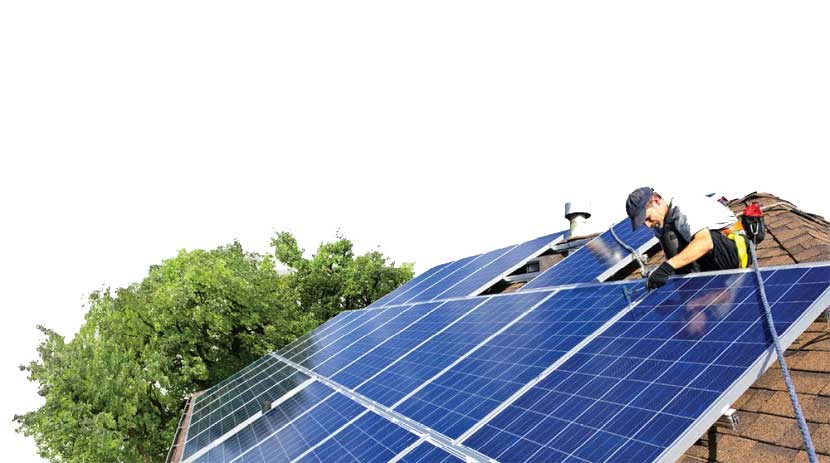
The physics is straightforward: the rear side needs clearance and a reflective surface underneath to do meaningful work. A ground-mounted array with tracking or a fixed tilt, light-coloured gravel, or a dedicated high-albedo ground cover beneath the rows can boost bifacial yield by roughly 5-15% depending on mounting height and ground surface. On a typical sloped roof, most of that reserve simply goes unused.
The technology base: N-type TOPCon, 132 half-cells
Glass-glass, IP68, and headroom for the full service life
A glass-glass build and IP68 ingress protection matter especially on an open field site with no building to shield the array: the panel takes rain, dust and temperature swings from -40°C to +85°C directly. Degradation is capped at ≤1% in year one and 0.4% per year afterward, which over the 30-year performance warranty horizon leaves roughly 87.4% residual output — a figure that matters directly for the financial model of a large plant under a long-term PPA or feed-in arrangement.
For ground-mounted plants and large sites
A note from project design practice
Ground-mount designers increasingly specify bifacial modules by default rather than as an option: the price premium over a monofacial equivalent is modest, and the extra yield on a well-prepared ground surface typically pays for itself within a season or two. The mistake worth avoiding is skimping on row mounting height — it is what determines how much of the rear-side potential actually gets realised.
Planning a ground-mounted plant and need to size the row configuration for your site? Our team can help work out the module count and check current stock of the GCL-NT12/66GDF-735W.
Characteristics GCL-NT12/66GDF-735W
Reviews about GCL-NT12/66GDF-735W from real users
No reviews found