m. Сміла, Незалежності, 67г. оф, 406/6











| Product | Price |
|---|---|
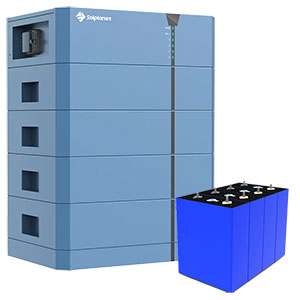
| Battery LiFePO4 Solplanet Ai-LB Pro 5 kW | 70 000.00 ₴ |
Automatic squenching system
Battery voltage class
Brand
Power
Prices
Rated battery voltage
LiFePO4 batteries: energy waiting for its moment
The sun shines during the day, and electricity is most often needed in the evening and at night — and it is this gap that the battery closes. Lithium iron phosphate batteries (LiFePO4) have become the modern standard for energy storage for home solar stations and uninterruptible power supply systems. They store excess generation when there is enough of it, and return it when the grid is silent or the tariff increases. This section contains storage devices of various capacities — from compact modules for basic reserve to powerful systems capable of powering a house for a whole day.
What is so good about this chemistry?
The abbreviation LiFePO4 denotes a type of lithium battery in which the cathode is made on the basis of iron phosphate. This chemistry has a reputation as the safest among lithium: it is thermally stable and not prone to ignition even under abnormal conditions. The second strong point is the resource. LiFePO4 batteries withstand several thousand charge and discharge cycles, which means years of daily operation without noticeable loss of capacity. In addition, they allow you to use almost the entire energy reserve and maintain a stable voltage throughout the discharge.
The brain inside the battery
A modern storage battery is not just a set of elements, but an intelligent system. Inside, a BMS (battery management system) controller operates, which monitors the temperature of each group of cells, equalizes their charge and protects against overload, deep discharge or short circuit. Thanks to BMS, the battery lasts longer and works safely even with intensive use. Many models transmit data about their status to the inverter, so the charge level and “health” of the storage battery can be seen in the application along with other station statistics.
Increase capacity gradually
One of the main advantages of modern systems is modularity. You can start with a capacity that is enough to survive a typical outage, and then add new modules and increase autonomy without changing the existing equipment. This allows you to spread the costs over time and develop your home power plant step by step: first a reserve for the most important, then - full power supply of the house from the sun and battery throughout the evening or even the whole day.
Where they come in handy
The scope of such batteries is wider than it might seem. The most obvious scenario is the accumulation of solar energy in conjunction with a hybrid inverter, when the station charges the battery during the day and supplies it to the home in the evening. An equally popular task is backup power in case of outages: a charged battery can silently and instantly pick up the load, replacing a noisy generator. Such storage devices are used in autonomous homes outside the centralized network, and where it is important to smooth out peak loads or charge at night at a cheaper rate. In essence, this is a universal energy reservoir that is used wherever reliable power is needed.
How to calculate the required volume
To choose the capacity, start from how much energy your home consumes per day and what exactly needs to work during the outage - only the critical load or the entire home. It is important that the voltage and communication protocol of the storage device match the inverter, so the battery and inverter should be selected as a single set. If you do not want to delve into the calculations yourself, comfortlife.market specialists will help you determine the optimal capacity for your consumption and will tell you how to assemble a system that will work smoothly for years.