GoodWe: seamless backup without a power gap
What the "Energy Storage Systems" category covers
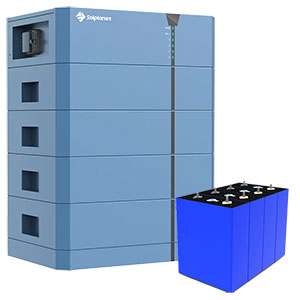
The GoodWe "Energy Storage Systems" category groups specialized supporting equipment that extends the functionality of a base inverter system: automatic backup power switching devices (ATS/STS) and complete energy storage management solutions for sites with elevated requirements for uninterrupted power continuity. This category includes the GW102.4-BAT-AC-G10 and GW112.6-BAT-AC-G10 models, plus the all-in-one GW125/261-ESA-LCN-G10 solution.
ATS/STS: instant switching without a voltage dip
ATS devices (Automatic Transfer Switches, also known as STS — Static Transfer Switch) solve a problem the inverter alone often doesn't fully cover: instant, seamless load switching between power sources without a voltage dip or a brief power loss noticeable to sensitive electronics. For sites with server equipment, medical devices or industrial automation systems, even a millisecond-long interruption can cause data loss or a process failure.
The GW102.4-BAT-AC-G10 and GW112.6-BAT-AC-G10 models are built for integration with GoodWe battery systems, providing automatic switching to backup battery power the moment the main grid loses voltage. The numbers in the model name reflect technical specs that determine compatibility with a specific inverter system configuration and connected storage capacity.
GW102.4/112.6-BAT-AC and the ESA all-in-one
The all-in-one GW125/261-ESA-LCN-G10 solution (Energy Storage All-in-one) combines in one product functions that would otherwise need to be assembled from separate components made by different manufacturers: storage charge and discharge management, automatic source switching, and monitoring for the entire system. The "ESA" letters in the name point specifically to this all-in-one architecture, which simplifies both installation and later maintenance compared to building a system from disparate components.
For a commercial or industrial site owner, where a power outage directly translates into financial loss, investing in a quality ATS system pays for itself far faster than it might seem: the cost of a production line's downtime or lost customers from an online store's server crash over a few hours often exceeds the cost of the backup power equipment itself.
Switching time, installation, payback and how to choose
All devices in this category integrate with the SEMS Portal monitoring platform, letting you track backup system status, source-switching history, and receive alerts about any operating deviations — a critically important function for sites where catching problems proactively is worth more than reactive repair after damage has already occurred.
ATS switching time is a key spec worth clarifying when choosing: the difference between a millisecond-scale switch and a tenth-of-a-second switch may go unnoticed for ordinary lighting, but it's critical for server equipment that reboots on the briefest power loss, or an industrial controller that loses process synchronization.
Installing an ATS system requires precise coordination with the site's electrical wiring diagram: a poorly matched device can introduce a switching delay exceeding what's acceptable for a specific load, or turn out simply incompatible with the existing grounding setup or grid type. That's why choosing a specific model should be coordinated with an electrician or installation company, not based on system power alone.
It's also worth budgeting for a qualified commissioning visit rather than treating installation as a formality: a technician who tests the actual transfer time under a realistic load profile, rather than just wiring the unit in and assuming the spec sheet number holds, catches mismatches before they turn into a production incident months later.
Choose a GoodWe energy storage system carefully, matching it to your inverter system's configuration, switching time and how critical uninterrupted power is for your business, and get a complete solution that protects equipment and data from the consequences of even brief grid interruptions for years of operation.

 m. Сміла, Незалежності, 67г. оф, 406/6