











As of october 2026 year, the cheapest monocrystalline solar panels ja solar in our store are:
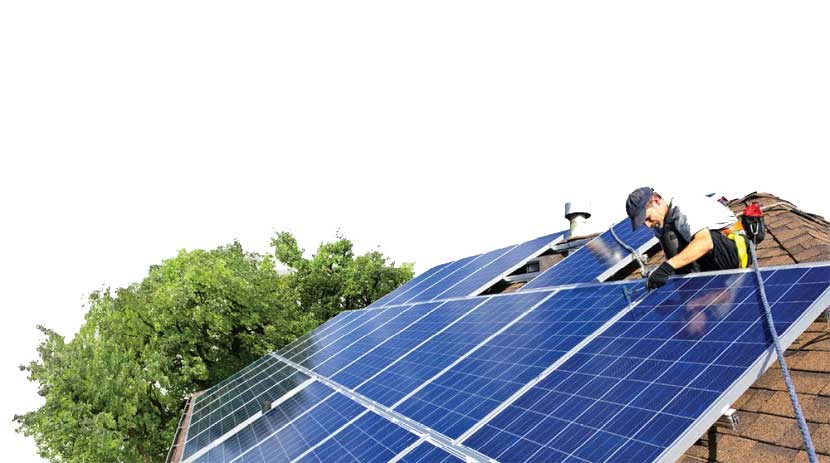
When investing in a solar power system expected to operate reliably for 25–30 years, the choice of photovoltaic module becomes the most important decision of the entire project. JA Solar monocrystalline panels are among the industry's benchmarks: the brand's entire premium product range is based on monocrystalline silicon, which forms the foundation of high efficiency and long-term reliability. Let's explore the technologies behind these modules, why installers trust them, and what factors should be considered when choosing one.
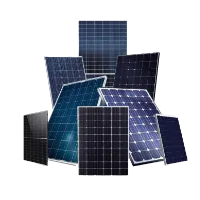
A monocrystalline cell is grown from a single, uniform silicon crystal. This ordered structure conducts electricity with lower losses than polycrystalline cells with randomly arranged crystal grains. The practical result is higher efficiency, more power per square meter of roof space, and better performance under diffuse light conditions. On cloudy days or at sunrise, monocrystalline panels begin generating earlier and produce more energy. An additional advantage is their uniform deep-black appearance without the "mosaic" effect typical of polycrystalline panels. For most residential roofs where space is limited, these benefits translate directly into more kilowatt-hours and a faster return on investment.
The JA Solar product range clearly demonstrates the direction of the photovoltaic industry. The DeepBlue 3.0 series was based on PERC technology — reliable and proven, but gradually becoming outdated. The current DeepBlue 4.0 Pro and newer DeepBlue 5.0 series use N-type TOPCon cells, representing a significant technological leap forward.
N-type silicon is not affected by the light-induced degradation associated with older P-type cells, allowing the module to retain its output for longer. These cells also perform better in high temperatures, losing less efficiency during hot summer conditions. In addition, they provide higher bifacial performance and lower annual degradation rates. Simply put, the same roof area will generate more electricity and maintain its performance for a longer period.
Owners of JA Solar monocrystalline systems in Ukraine frequently mention their predictability and consistency. The panels regularly achieve their expected power output, perform confidently during cloudy weather and maintain good production levels even during heat waves. Actual annual energy generation often matches or slightly exceeds design expectations. Installers appreciate the build quality and ease of installation, helping projects move from delivery to commissioning more quickly. Over the years, JA Solar has built a reputation for dependable equipment without unpleasant surprises — a critical factor for investments expected to last decades.
JA Solar monocrystalline photovoltaic modules combine modern N-type TOPCon cells, intelligent engineering and proven reliability. When a panel is selected according to the installation conditions, with attention paid to technology and long-term power warranties rather than marketing figures alone, a solar power system can deliver stable and predictable performance throughout its long service life.
As of october 2026 year, the cheapest monocrystalline solar panels ja solar in our store are:


 m. Сміла, Незалежності, 67г. оф, 406/6
 0 800 33 00 95 (free call)
 +380 (44) 334 41 22
 +380 (99) 334 11 66
 +380 (98) 334 11 66
 +380 (93) 334 11 66
 |
 |
 |
 |
 |
 |







© 2023 - 2026 ComfortLife.MARKET.