m. Сміла, Незалежності, 67г. оф, 406/6











FOX ESS KA7 - single-phase AC-coupled inverter 7 kW.


Description FOX ESS KA7
FOX ESS KA7 is a single-phase AC-coupled inverter rated at 7 kW for adding a battery to a solar installation already in service. High-voltage LiFePO₄ battery 85–480 V, three CAN ports for BMS communication, charge and discharge current 50 A, efficiency 97.8%, output current 30.4 A. Generator support, IP65, 5-year warranty.
An AC-coupled inverter: the answer when the installation already exists
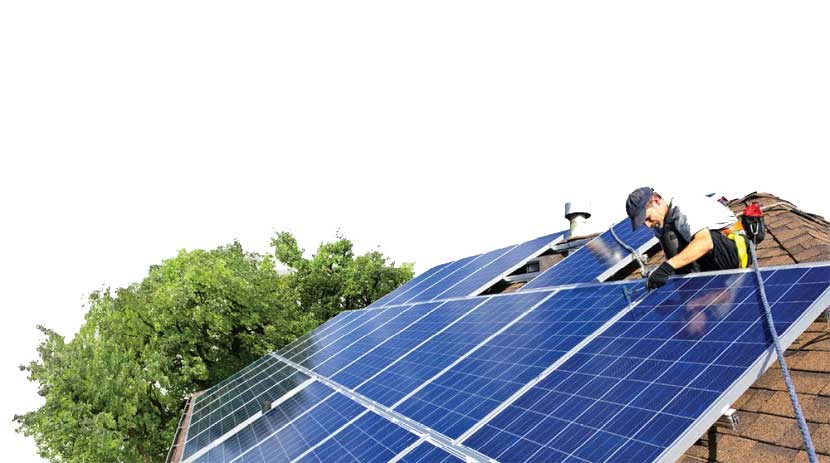
The commonest situation of recent years: a solar installation put in two or three years ago, working properly, but with no battery. During an outage it stops along with the grid, and the owner is left without power despite the panels on the roof.
The classic remedy is to replace the grid-tied inverter with a hybrid. That means removing working equipment, reworking the entire DC side, new documentation, and money effectively thrown away on a unit that still functions.
The KA7 solves the problem differently. It connects not to the panels but to the AC side — in parallel with your existing inverter. The old installation keeps generating exactly as before, while the KA7 takes the surplus from the household supply and directs it into the battery.
That is precisely why this unit's specification lists no MPPT input at all: it simply has no DC side facing the panels. It works purely on alternating current plus a battery.
Three CAN ports for battery stacks
The specification states BMS communication over three CAN channels. This is not redundancy but a concrete capability: several independent battery stacks can be connected, each with its own management system.
The practical scenario looks like this. You install one stack now, assess the real autonomy over a winter, and add a second next year — without replacing the inverter and without rewiring the first.
Each stack communicates with the inverter separately, so their states of charge and temperatures are accounted for independently. That is a sounder arrangement than paralleling batteries of different ages on one bus, where the older stack drags the newer one down with it.
Technical specifications
rated power 7 kW, single-phase output 220/230/240 V;
type: AC-coupled (no MPPT inputs);
high-voltage LiFePO₄ battery, range 85–480 V;
BMS communication: three CAN channels;
charge and discharge current 50 A;
efficiency 97.8% peak, 97.4% European weighted;
output current 30.4 A nominal, 33.5 A maximum;
AC voltage range 180–270 V, THD below 3%;
generator support, integrated DC switch;
IP65, passive cooling, silent operation, -25 to +60 °C.
On double conversion — honestly
In an AC-coupled arrangement, energy from the panels is first converted to alternating current by your old inverter, and the KA7 then converts it back to direct current to charge the battery. That is two conversions instead of one.
The losses are real — roughly three to four per cent across the whole chain. There is no sense in concealing it: a hybrid working straight off the panels is more efficient at this point.
But the comparison should not be with an ideal system; it should be with the alternative. Replacing a working inverter costs so much that the three per cent saved would not repay it in ten years. AC coupling keeps everything already bought in service and adds what was missing.
Beyond that, the warranty on your existing inverter remains intact — nobody interferes with it.
Backup and generator
When the grid disappears, the KA7 forms its own voltage and powers a dedicated load group from the battery. Your old installation continues to work as well: it sees voltage at its terminals and does not disconnect, so the panels keep recharging the battery even during the fault.
This is the key difference from a simple UPS. An ordinary backup unit only spends what was stored, whereas here the system stays self-replenishing for as long as the sun shines.
Generator support adds a third tier. The inverter starts it according to state of charge and stops it once the threshold is reached, so long winter outages pass without manual intervention.
If you already have a solar installation but no battery, do not replace what works. Send us the model and rating of your inverter: we will verify compatibility with the KA7 and calculate how much battery your autonomy requires.
Characteristics FOX ESS KA7
Reviews about FOX ESS KA7 from real users
No reviews found