Where to start
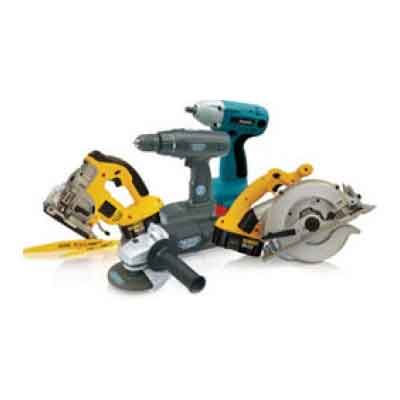
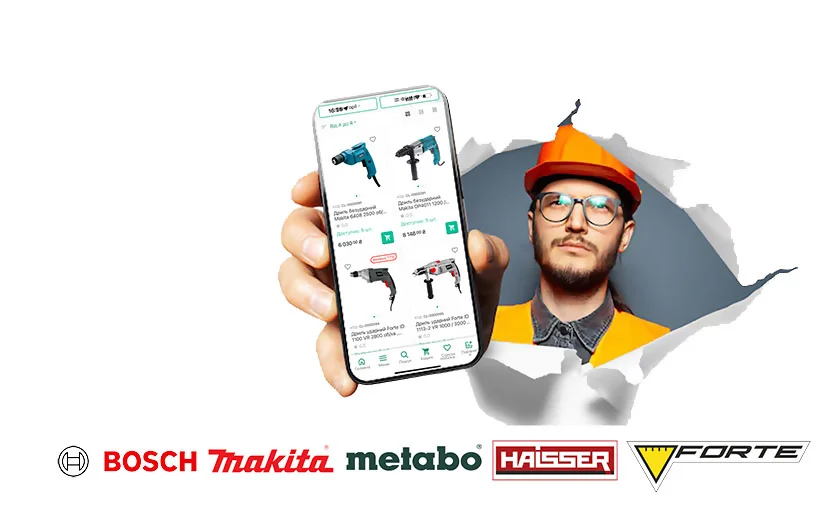
When it comes to corded drills, what matters is not the name on the casing but how well the gear copes with your tasks. Here you will find options for all-round drilling in wood, metal and brick, and mixing small batches of compound, each one easy to judge by its real specifications.
Handy details
Speed control and reverse make drilling precise, while electronic speed hold keeps the motor from bogging down under pressure. A comfortable handle and a lock-on button reduce wrist fatigue.
How to get the choice right
Judge not only the watts but the ergonomics: weight, balance, the anti-vibration system and grip comfort. A soft start, speed control, overload protection and quick accessory changes all help. Small things like cable length or battery capacity also shape the comfort of daily work.
Mains or battery
Corded power means steady output regardless of charge: the tool works just as confidently in the first hour of a shift as in the tenth. It is the rational pick where a socket is nearby and the tasks are long and demanding — the motor is not limited by battery capacity.
Typical scenarios
A tool of this class fits both a home workshop and a professional site. It is used for repairs, installation, finishing and maintenance — anywhere a predictable result and a margin of reliability are needed day after day.
A few reference points
Within the group “corded drills” models differ in equipment, durability and extra options, so the final decision is best made on the whole set of parameters rather than a single figure. Weigh the kit, the warranty terms and the reviews — that makes it easier to find the price-to-quality ratio that suits you.
Materials and accessories
This class confidently tackles wood, chipboard, plastic, metal, and with the right bit even brick. By changing the accessory and speed you match the mode to the material without risking the workpiece.
What you get
Corded drills hold the sweet spot between price, size and output. That balance makes them a practical buy for years: the gear does not become outdated and does not push you to buy something bigger within half a year.
For home or for work
For the odd repair at home a model with a moderate duty cycle is enough, but daily shifts on site call for a tougher motor and better cooling. Go by how often you really use it: a tool matched to your pace lasts longer and does not let you down at the crucial moment.
What else you will need
A tool's output depends heavily on its accessories: drill bits for wood, metal and concrete, plus driver bits. It is worth sorting out quality consumables from the start and keeping a small stock, since these wear out the fastest. Well-chosen tooling unlocks the motor's potential and does the lion's share of the work.
A few working rules
Even the most reliable tool calls for care: wear safety glasses and gloves, keep the factory guard in place, and give the motor short breaks during long loads. A firmly clamped workpiece and sound accessories protect you from injury and, at the same time, extend the tool's service life.
Ordering and delivery
Do not waste time on endless comparison — pick the corded drills for your task today. Want to buy a drill at a good price and without hassle? Add it to the cart and a manager will help with the details, payment and fast delivery.

 m. Сміла, Незалежності, 67г. оф, 406/6