








As of october 2026 year, the cheapest monocrystalline solar panels jinko solar in our store are:
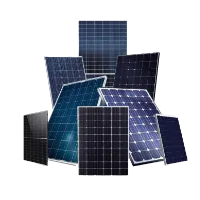
Jinko Solar's Tiger Neo monocrystalline panels in this category are represented by eleven models across two series: JKM425-445N-54HL4R-B (54 cells, 5 W steps from 425 to 445 W) and JKM710-735N-66HL5-BDV Bifacial (66 cells, 5 W steps from 710 to 735 W). Both series are built on N-type monocrystalline silicon with TOPCon technology, which today defines the leading edge of efficiency among commercially available photovoltaic modules.
Monocrystalline silicon structure, unlike polycrystalline, is grown as a single continuous crystal using the Czochralski process. That gives electrons higher mobility within the material and, as a result, higher efficiency converting sunlight into electricity at the same panel area — which is exactly why monocrystalline panels dominate the premium, high-performance segment of photovoltaic modules.
N-type TOPCon technology, used in both Tiger Neo series, adds an extra tunnel oxide passivating layer to the cell structure, reducing carrier recombination at the contacts compared to the previous PERC technology on P-type silicon. The result is higher stated conversion efficiency and slower power degradation over the panel's service life.
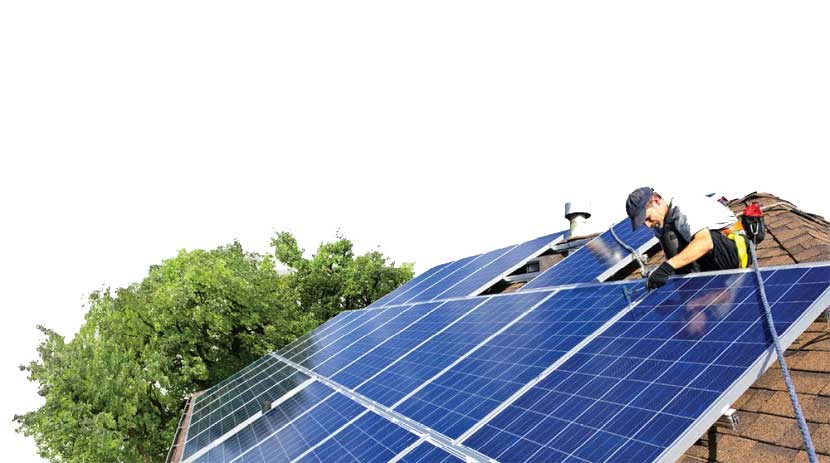
The JKM...N-54HL4R-B series, at 54 cells and 425-445 W, targets residential installations with standard module dimensions convenient for mounting on private home roofs. The JKM...N-66HL5-BDV series, at 66 cells and 710-735 W, consists of bifacial dual-glass modules for commercial roofs and ground-mount stations, where a higher per-unit panel power reduces the number of connections and mounting points across an array.
The "BDV" designation in the 66HL5 series name points to a bifacial dual-glass construction: instead of a traditional polymer-film rear sheet, a second glass layer is used, letting light through to the rear surface of the cells. That not only adds output from reflected light but also improves mechanical strength and durability compared to the classic glass-and-film construction.
The 5 W step between adjacent models in each series is a common manufacturer practice for precisely sizing an array configuration to a system's calculated power requirement. A few-percent power difference between adjacent models rarely scales price proportionally, so it's worth comparing cost per watt of installed power rather than just a panel's absolute price.
The linear power degradation warranty for N-type TOPCon panels is typically better than previous-generation PERC figures — manufacturers state a higher retained percentage of initial power at the end of the 25-30 year service life, which directly affects a system's cumulative output and long-term project economics.
Temperature stability is another spec where N-type TOPCon outperforms earlier technology: the panels show a less negative power temperature coefficient, meaning they lose a smaller percentage of output as the surface heats up in summer. In regions with hot summers, this difference compounds over a season into a noticeable amount of additional generated electricity compared to panels on older technology.
Mechanical specs — glass thickness, frame type, maximum bending load — are worth checking in each specific model's technical documentation, especially for sites in regions with significant snow or wind load. Manufacturers typically state separate figures for snow (static) and wind (dynamic) load, and these can differ even within the same series.
It's also worth checking actual stock availability for a specific wattage tier before finalizing a bill of materials, since a mid-procurement substitution to an adjacent model can force a rework of an array's mounting layout on a large project.
Compare cell count, power and bifacial design across Jinko Solar's models in this category, and pick monocrystalline panels that precisely match your project type, mounting area and budget.
As of october 2026 year, the cheapest monocrystalline solar panels jinko solar in our store are:


 m. Сміла, Незалежності, 67г. оф, 406/6
 0 800 33 00 95 (free call)
 +380 (44) 334 41 22
 +380 (99) 334 11 66
 +380 (98) 334 11 66
 +380 (93) 334 11 66
 |
 |
 |
 |
 |
 |







© 2023 - 2026 ComfortLife.MARKET.