m. Сміла, Незалежності, 67г. оф, 406/6












FOX ESS KA9 - single-phase AC-coupled inverter 9 kW.


Description FOX ESS KA9
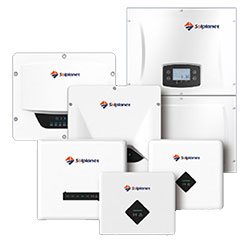
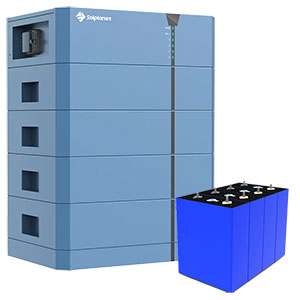
FOX ESS KA9 is a single-phase AC-coupled inverter rated at 9 kW with a high-voltage LiFePO₄ battery at 85–480 V. Charge and discharge current 50 A, efficiency 97.8%, output current 39.1 A, generator support, entirely silent operation. Control via FoxCloud, IP65, 5-year warranty.
Storage that works even without panels
An AC-coupled inverter is usually described as an addition to a solar installation. But there is a scenario in which panels are not needed at all — and for many people it turns out to be the main one.
The KA9 can charge the battery directly from the grid. That turns it into a substantial energy store: at night, when the tariff is lower and the supply steady, the system takes on charge, and by day and evening it powers the house from the battery.
For a two-rate tariff the economics are simple to work out: the difference between the night and day rate, multiplied by the volume of energy shifted each day. For a house consuming 20–25 kilowatt-hours a day, that is a tangible sum over a year.
The second function, more important in our conditions, is guaranteed readiness for an outage. The battery is always charged, because it does not depend on whether there was sun yesterday.
Nine kilowatts and silence
The unit is cooled by natural convection with no fans inside — the specification lists this on a separate line. Typical noise is below 30 decibels.
For an AC-coupled system this matters more than for an ordinary solar one. Such an inverter is installed not where roof cabling is convenient but next to the consumer unit — which often means a corridor, an entrance hall or a stairwell inside the living area.
Nine kilowatts of backup capability meanwhile mean that during an outage there is no need to think about sequencing. The borehole pump starts at the same time as the oven and the water heater, and the inductive surge when a compressor starts is covered by the reserve up to 43 amperes.
Technical specifications
rated power 9 kW, single-phase output 220/230/240 V;
type: AC-coupled, no MPPT inputs;
high-voltage LiFePO₄ battery, range 85–480 V;
charge and discharge current 50 A;
efficiency 97.8% peak, 97.4% European weighted;
output current 39.1 A nominal, 43.0 A maximum;
AC voltage range 180–270 V, frequency 50/60 Hz;
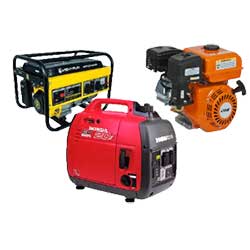
generator support, THD below 3%, silent operation;
IP65, standby consumption below 1 W;
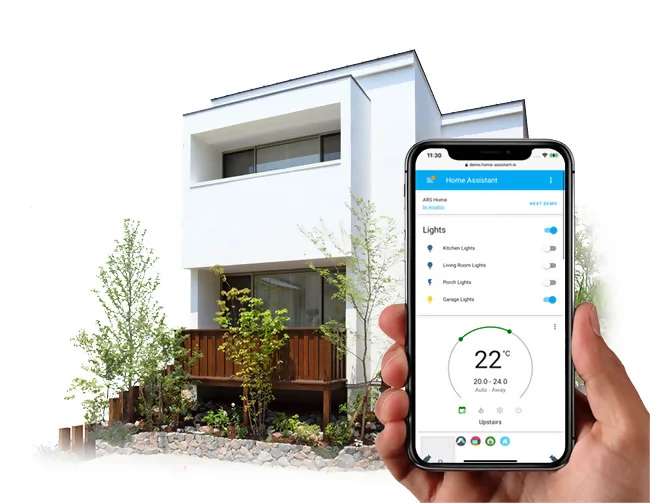
FoxCloud, Modbus TCP/RTU, Home Assistant integration.
Scenarios worth configuring from the start
Flexible schedule control is available through the app and over Modbus, and most of the saving is hidden here. Three settings are worth making during commissioning.
First, charging from the grid within a night window, limited to the level you need rather than to one hundred per cent. Keeping a lithium battery permanently at full charge is harmful to its life; 80–90 per cent, leaving room for morning sun, is the optimum.
Second, a reserve threshold below which the battery does not discharge under any circumstances. This is your untouchable margin against a sudden outage in the middle of the day.
Third, integration with home automation. Knowing the state of charge and current consumption, the system can start deferred loads at exactly the right moment rather than on a timer.
Three sources in one system
Grid, battery and generator work as a single hierarchy with automatic priority switching. The inverter decides for itself where to power the house from at any given minute.
The standard regime is grid and battery. When voltage disappears, the load transfers instantly to the storage, and household appliances do not notice.
If the outage drags on and charge falls to the set threshold, the generator starts. It runs in short sessions at high load, tops up the battery and stops — which is both the most economical regime for fuel and the least wearing for the engine.
Type II surge protection on both sides and a full monitoring set — earth faults, grid state, residual current — operate in every regime without exception.
Nine kilowatts of reserve, a silent enclosure and grid charging on the night rate — a system that pays for itself even without a single panel. Describe your tariff and your list of critical loads: we will calculate the battery capacity and show the real annual saving.
Characteristics FOX ESS KA9
Reviews about FOX ESS KA9 from real users
No reviews found