m. Сміла, Незалежності, 67г. оф, 406/6










FOX ESS KA8 - single-phase AC-coupled inverter 8 kW.


Description FOX ESS KA8
FOX ESS KA8 is a single-phase AC-coupled inverter rated at 8 kW for building a storage system on top of existing wiring. High-voltage LiFePO₄ battery 85–480 V, charge and discharge current 50 A, efficiency 97.8%, output current 34.8 A, generator support. IP65, passive cooling, 5-year warranty.
Installation without a DC side from the panels
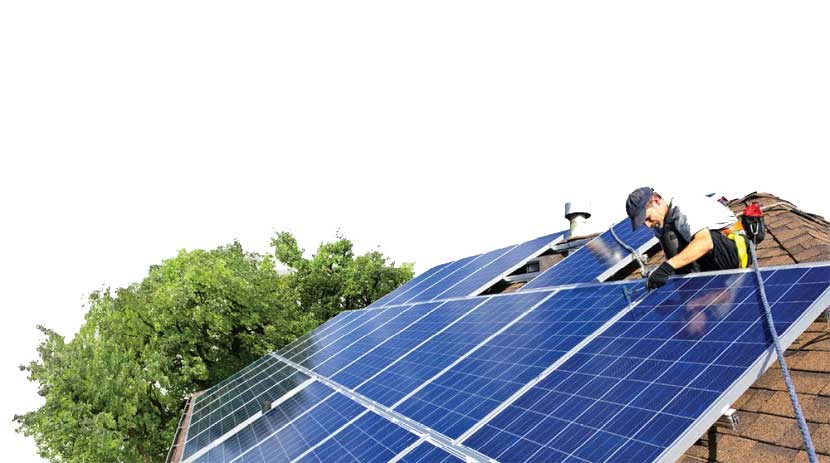
The most labour-intensive and riskiest part of any solar installation is the DC side: running string cables down from the roof, crimping MC4 connectors, checking polarity, insulation and resistance of every string.
In the KA8 that stage does not exist. The unit connects to alternating current and to the battery, so installation comes down to a power cable into the consumer unit and a cable to the storage.
The consequences are thoroughly practical. No roof work is needed at all — nobody opens or drills the covering. Installation time shrinks from two or three days to one. The risk of leaks, which on a pitched roof only reveal themselves the following spring, is zero.
For a house with fresh finishing or a new roof this is often the decisive argument: a storage system can be had without touching the roof at all.
Eight kilowatts of backup capability
Eight kilowatts is not generation capacity but the power the inverter can deliver into the house during an outage. The distinction is fundamental, and it is by this parameter that an AC-coupled unit should be selected.
A grid-tied inverter is chosen to suit the roof area. An AC-coupled one is chosen to suit how much equipment must run simultaneously when the power is out. These are different calculations, and they often produce different figures.
Eight kilowatts allows you to hold in reserve not a separate 'fridge plus lighting' group but effectively the whole house: borehole pump, circulation pumps, water heater, kitchen and air conditioner without staggering. You do not notice the outage has happened.
Technical specifications
rated power 8 kW, single-phase output 220/230/240 V;
type: AC-coupled, no MPPT inputs;
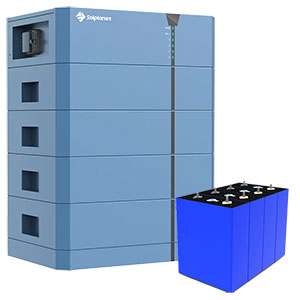
high-voltage LiFePO₄ battery, range 85–480 V;
charge and discharge current 50 A;
efficiency 97.8% peak, 97.4% European weighted;
output current 34.8 A nominal, 38.3 A maximum;
AC voltage range 180–270 V, THD below 3%;
generator support, type II surge protection (DC and AC);
IP65, climatic category 4K4H, -25 to +60 °C;
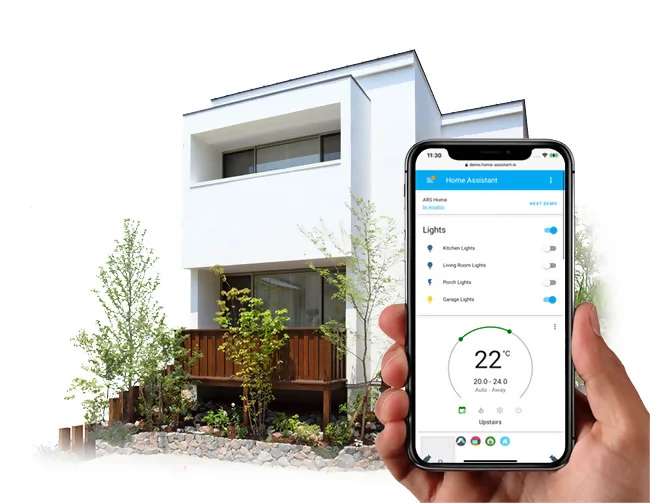
control via FoxCloud, Modbus TCP/RTU, Home Assistant.
When AC coupling pays off
A simple rule: if your existing inverter is under five years old and running without complaint, replacing it with a hybrid is economically unsound. The residual value of a working unit exceeds the difference in efficiency between the schemes.
If the inverter is ten years old and already due for replacement, it is wiser to go straight to a hybrid: you are paying for a new unit either way, so there is no sense in paying for a second one as well.
The intermediate case is an installation five to seven years old with an extended warranty. Here the sum depends on the remaining warranty term: while it holds, the inverter is best left alone, since service cover would be lost.
We name these boundaries deliberately, because an AC-coupled solution does not suit everyone. If a hybrid works out better in your case, we will say so.
What will not change after installation
Your contract with the network company remains as it was: generation capacity does not change, nor does the connection arrangement, because the KA8 adds nothing to production.
The old inverter's settings need not be touched — it carries on with its own algorithms and reports to its own app. You simply gain a second monitoring account, this time for the battery.
Nor is the house wiring rebuilt wholesale. A backup group is separated out — whatever must be powered during an outage — and it alone is connected through the KA8. The rest stays on the direct supply, as before.
Storage without rebuilding the roof and without replacing the inverter is exactly what most owners of finished installations need. Write to us with the equipment that must run during an outage, and we will calculate the battery capacity and check whether eight kilowatts suffice.
Characteristics FOX ESS KA8
Reviews about FOX ESS KA8 from real users
No reviews found