
 m. Сміла, Незалежності, 67г. оф, 406/6























DAHUA DHI-NVR2104-I2 (4 CHANNELS, 12 MP) - IP VIDEO RECORDER

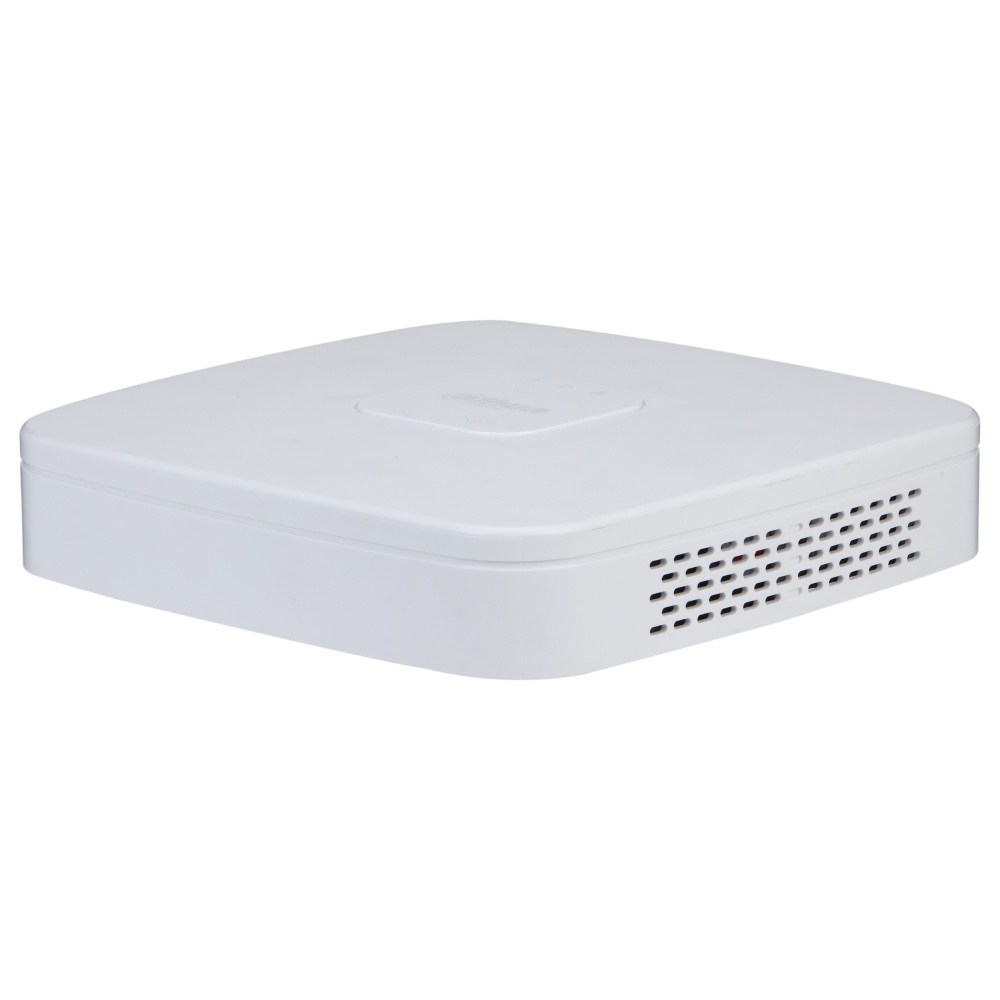
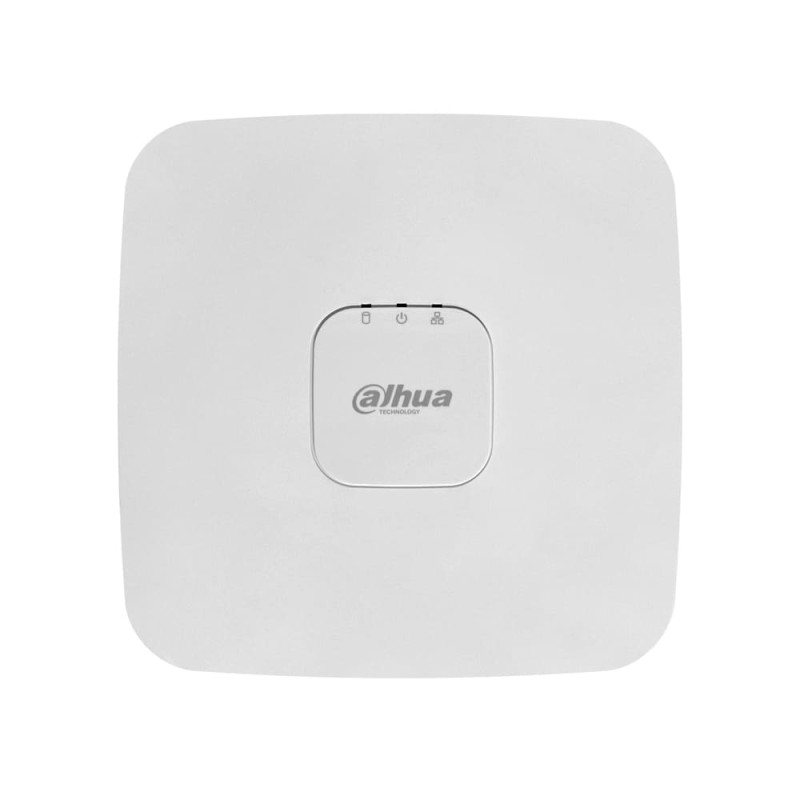
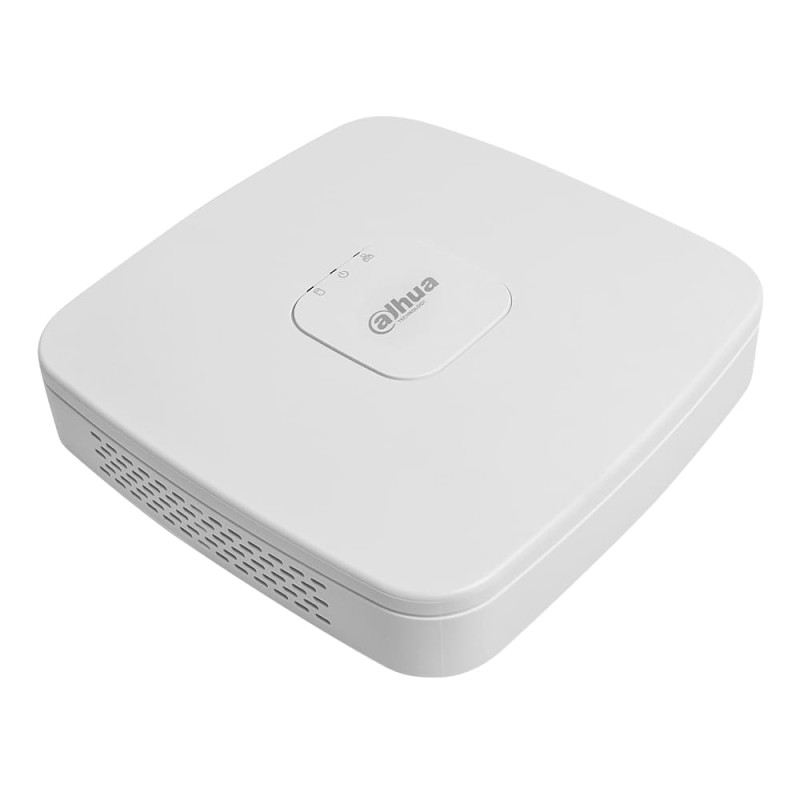
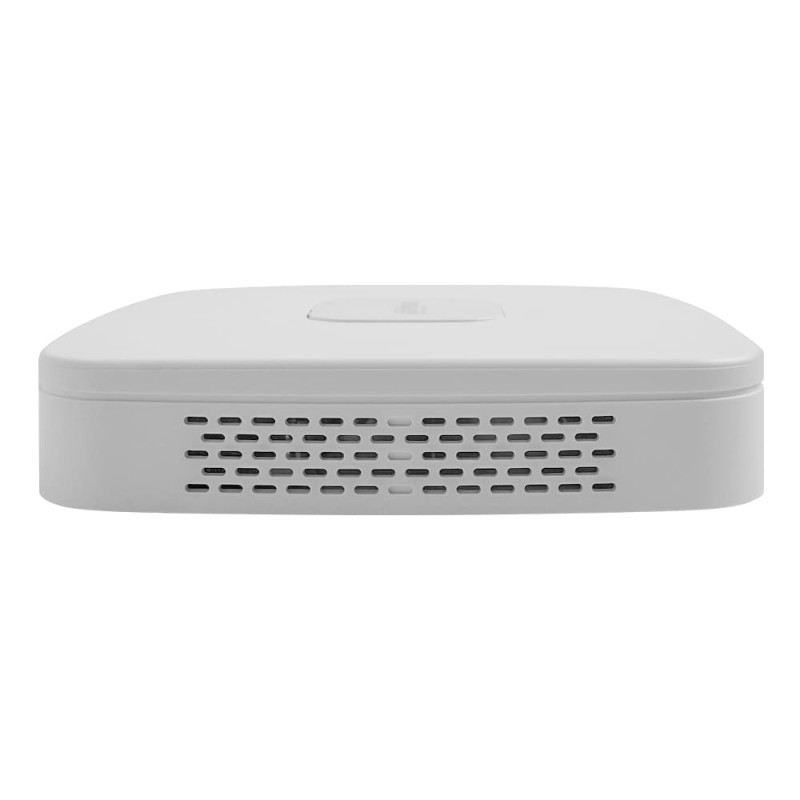
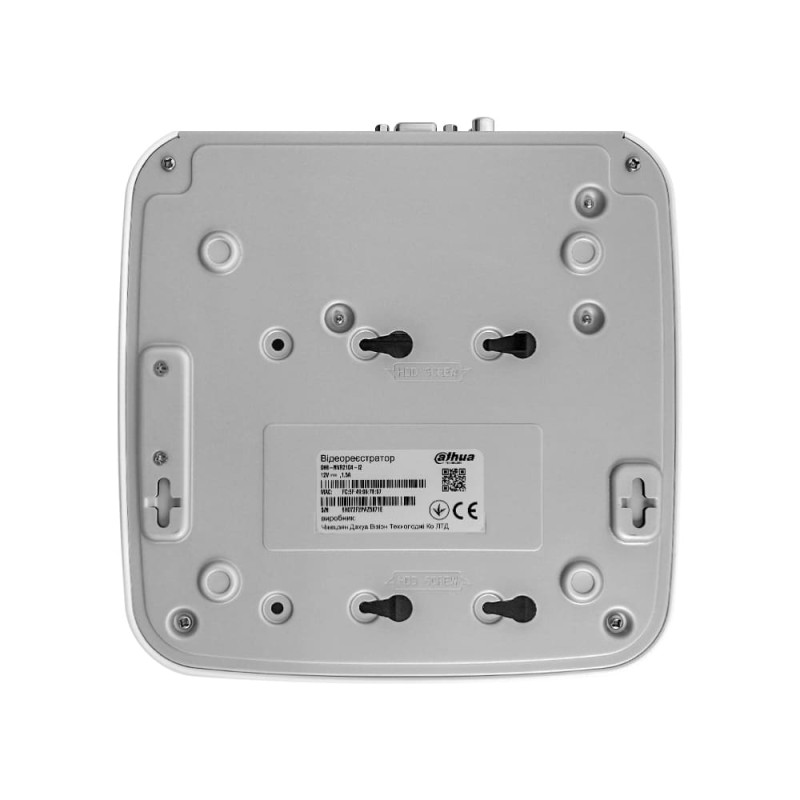
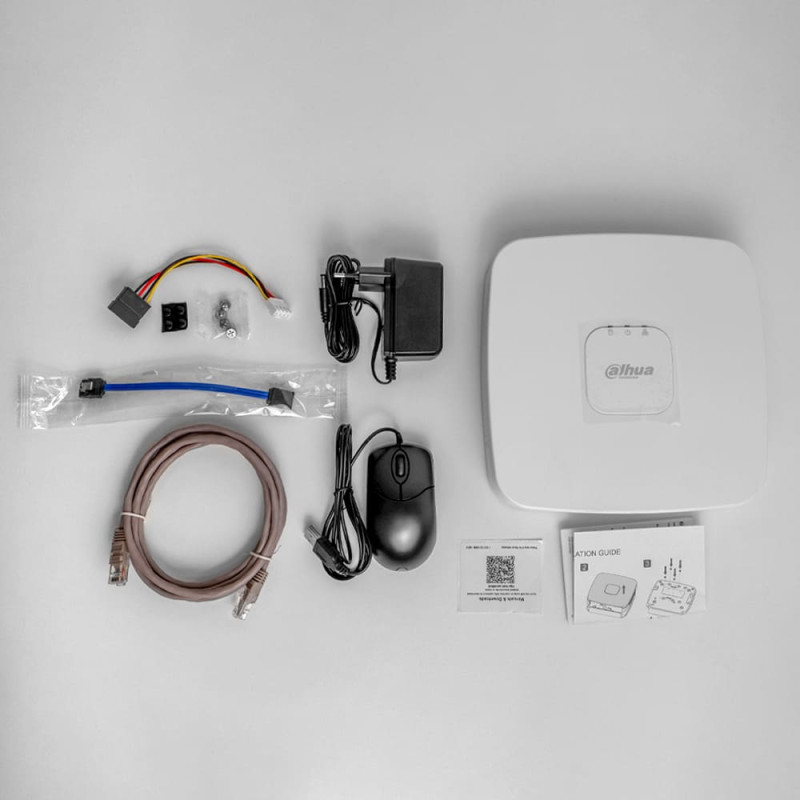


Description Dahua DHI-NVR21xx-I2
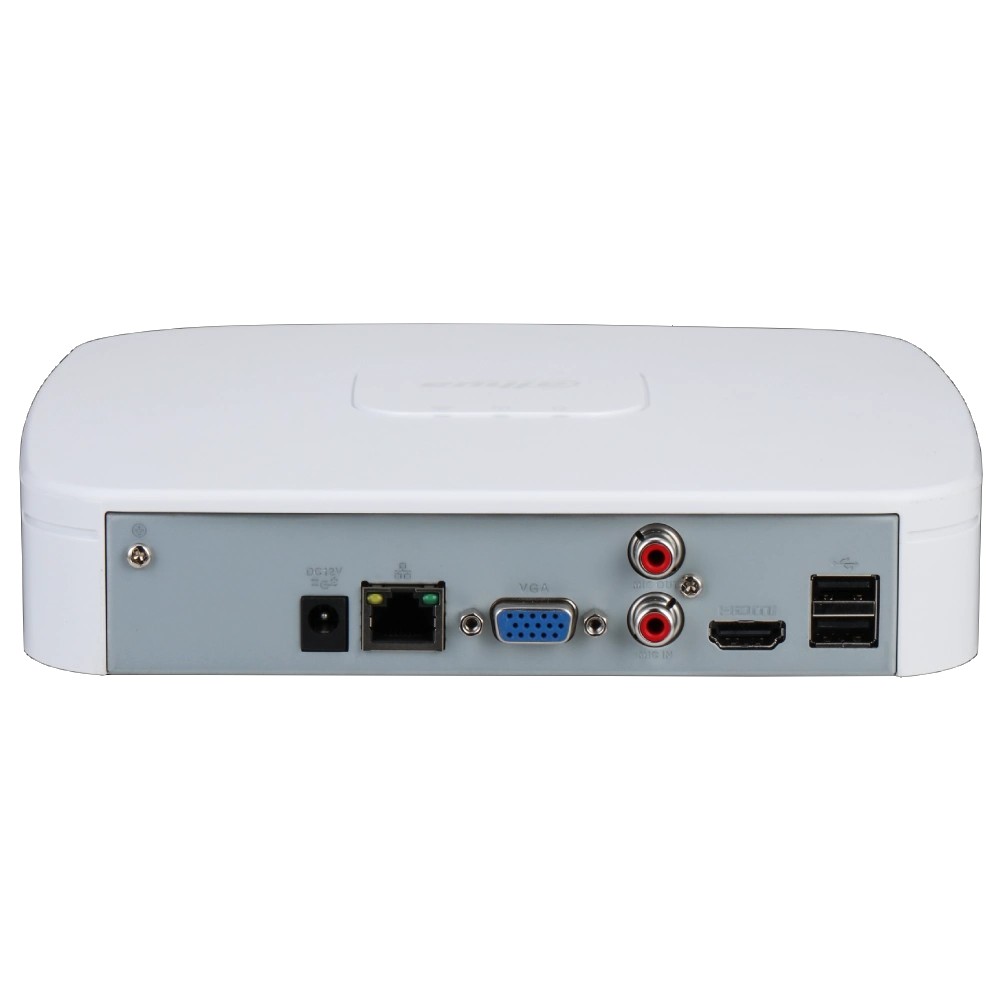
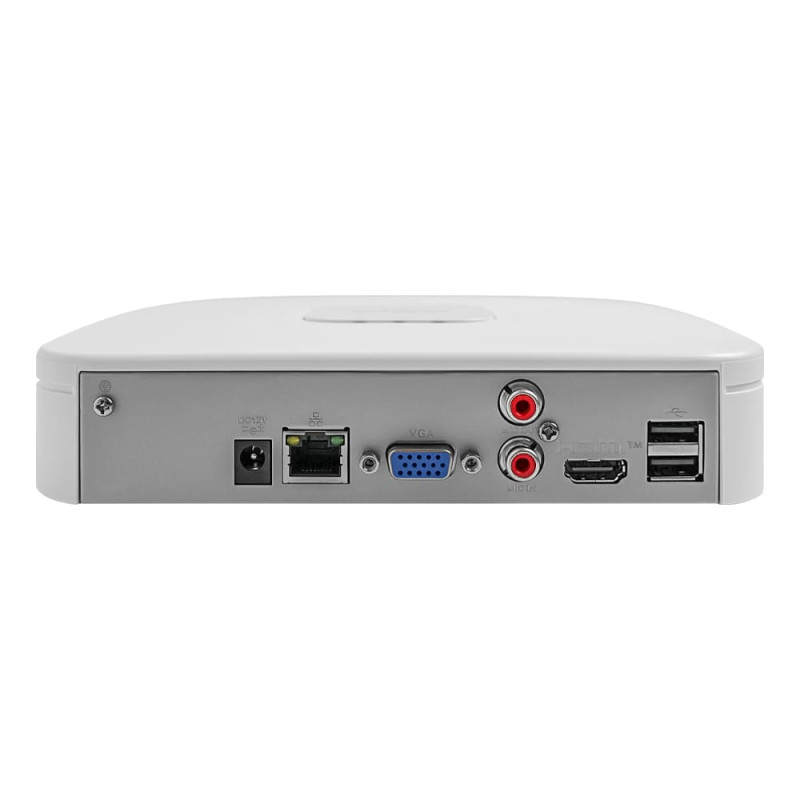
A pure network recorder: there is no BNC connector on the back panel
The DHI-NVR2104-I2 is an NVR in the strict sense of the word — all four channels accept video only over the local network from IP cameras, and there is simply no coaxial input on the chassis. That is the dividing line between this unit and the hybrid XVR models from the same maker: the DH-XVR5104C-4KL-I3 and DH-XVR41xxHS-I/T listed in this catalogue happily take analogue HDCVI cameras alongside IP ones. Where a building still carries coax from an older analogue system, a pure NVR forces you to pull new cable through the whole site, and an XVR is the sensible choice because it preserves the wiring you already paid for. On a green-field installation, or anywhere twisted pair already reaches every camera position, the network recorder wins: it handles cameras up to 12 MP, while the analogue path in budget XVRs usually tops out around 5 MP. Add the fact that a single Ethernet run carries both video and camera power over PoE, whereas an analogue camera needs coax plus a separate power cable, and the decision on a new site makes itself.
Four channels and 80 Mbps of incoming bandwidth: what actually fits
The real ceiling of this model is not only its four physical channels but the 80 Mbps of total incoming bandwidth, and that is what installations bump into. A 2 MP camera in H.265 at 25 fps uses roughly 3-4 Mbps, a 4 MP camera about 6 Mbps, and an 8 MP one on generous settings can ask for 8-12 Mbps. In other words, even four of the heaviest 8 MP cameras fit inside 80 Mbps with room to spare, so you are free to leave the bitrate high instead of trimming image quality just to squeeze through. The recorder speaks Smart H.265+ and Smart H.264+, codecs that analyse how static a scene is and cut the stream several times over on a quiet yard or a closed warehouse at night without softening the moment something moves. One limit is worth knowing in advance: maximum decoding is six 1080p streams, so a live mosaic of four 8 MP cameras will be shown from substreams rather than at full resolution, which is normal behaviour and not a fault.
No built-in PoE: camera power has to be planned separately
This variant carries no PoE ports — the back panel has a single gigabit RJ-45 for the network, and the cameras have to draw power from somewhere else. In budget terms that means a four- or eight-port PoE switch, or individual injectors, plus shelf or cabinet space for them. There is an upside that installers often appreciate: cameras plug into an ordinary switch near where they are mounted instead of each running a dedicated cable back to the recorder, so on a long, stretched-out site the cable you save can easily outweigh the cost of the switch. The recorder itself draws about 10 W without a disk and runs from a 12 V 1.5 A adapter, so a small UPS keeps it alive — but during a blackout it is the switch that feeds the cameras, and that switch needs to be on backup power too. If you would rather have everything in one box and never calculate a power budget, this catalogue also carries the DHI-NVR2104-P-I2 and DHI-NVR1104HS-P-S3/H with four PoE ports on board.
A single bay for up to 10 TB: how many days of footage that buys
The unit has one SATA bay and accepts a drive of up to 10 TB, and that drive is not supplied in the box. Honest arithmetic for H.265 and round-the-clock recording: four 2 MP cameras produce roughly 170 GB a day, so a 10 TB disk holds close to two months of history. Four 4 MP cameras come to about 250 GB a day, or some forty days, while four 8 MP cameras can consume up to 380 GB daily and leave you with three or four weeks. Switching from continuous recording to event or motion recording stretches those figures by two or three times, because in a typical residential yard genuine movement occupies only a couple of hours out of twenty-four. Thirty days is the depth most households actually need — long enough to notice a problem and go back to the footage — so a 4-6 TB drive is comfortable here, and 10 TB is for people who want a full quarter on hand.
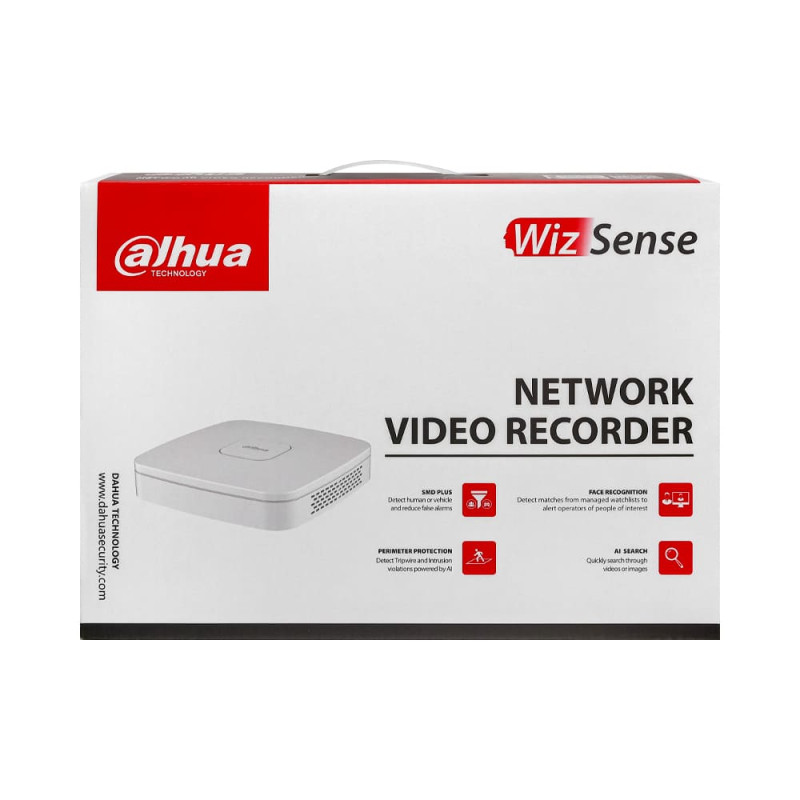
WizSense runs inside the recorder, so even plain cameras become smart
The I2 index stands for WizSense, a set of algorithms executed by the recorder's own processor rather than by the camera. This model handles four channels of SMD Plus, which separates people and vehicles from branches, shadows, rain and cats, one channel of perimeter protection with virtual tripwires and zones, and one channel of face detection and recognition with its own database. The value of having the analytics in the recorder is that you can pair it with inexpensive cameras that have no AI of their own and still get notifications filtered by object type. It also changes how you search recordings: instead of scrubbing through a night by hand you filter events by the human attribute and get a handful of clips rather than a hundred wind-triggered alarms. The boundaries matter too — four SMD Plus channels happen to equal the recorder's channel count, so nothing is sacrificed here, but face detection is available on a single channel, which should be assigned to the camera watching the entrance from close range.
Where this model belongs and where it runs out of room
A four-channel recorder is exactly right for a flat, a holiday house, a family home with a modest yard or a small shop: the gate, the front door, the back yard and one wide overview. The compact plastic body of 205×207 mm weighing 450 g sits on a shelf, inside a cupboard or in a low-voltage enclosure, and the white finish is far less conspicuous in a living space than the usual black box. An operating range of -10…+55 °C together with IP20 protection says plainly that this is indoor equipment: an unheated garage or a veranda is the wrong place, because a hard drive will not spin up reliably in a hard frost. The model is clearly out of its depth when more than four cameras are needed, or when growth is on the horizon — there is nowhere to plug a fifth camera, and moving settings to a bigger recorder later is manual work. So if six to eight camera positions are already visible on site, buy the 8- or 16-channel unit from the start; the price gap between them is far smaller than paying for the installation twice.
How it compares with the neighbouring recorders in this catalogue
Its closest relative is the DHI-NVR2104-P-I2: identical electronics and identical analytics, but with four PoE ports on board and 53 V power, which removes the separate switch entirely — worth the extra outlay whenever all four cameras converge on one point. The cheaper DHI-NVR11xxHS-S3/H is also a four-channel unit, but it accepts only up to 8 TB and lacks recorder-side WizSense, so it makes sense when the cameras already do their own person and vehicle detection and the recorder is just a disk with a menu. Moving up: the DHI-NVR2116HS-I2 in this same catalogue offers 16 channels and 144 Mbps on the same single disk, while the DHI-NVR22xx-I2 adds a second bay and roughly doubles the archive. And on hybrids — if the property still runs analogue cameras on coax, none of these NVRs will serve you, and the DH-XVR5104C-4KL-I3 is the model to look at, with the same four channels but HDCVI support. In short, the NVR2104-I2 suits a small IP system built from scratch, where cameras are fed by their own switch and the recorder is asked for reliable storage and sensible event filtering.
If you are unsure how many channels or how large a disk you need, send us the camera count, their resolution and the archive depth you want — we will size the configuration and tell you whether this model is enough or a larger one pays off.
Characteristics Dahua DHI-NVR21xx-I2
Reviews about Dahua DHI-NVR21xx-I2 from real users
No reviews found







