
 m. Сміла, Незалежності, 67г. оф, 406/6























AJAX NVR HAC (8 MP, 1 HDD, 2xUSB) - VIDEO RECORDER WITH UNIVERSAL POWER



Description Ajax NVR HAC
A live screen on site: HDMI and a built-in video management system
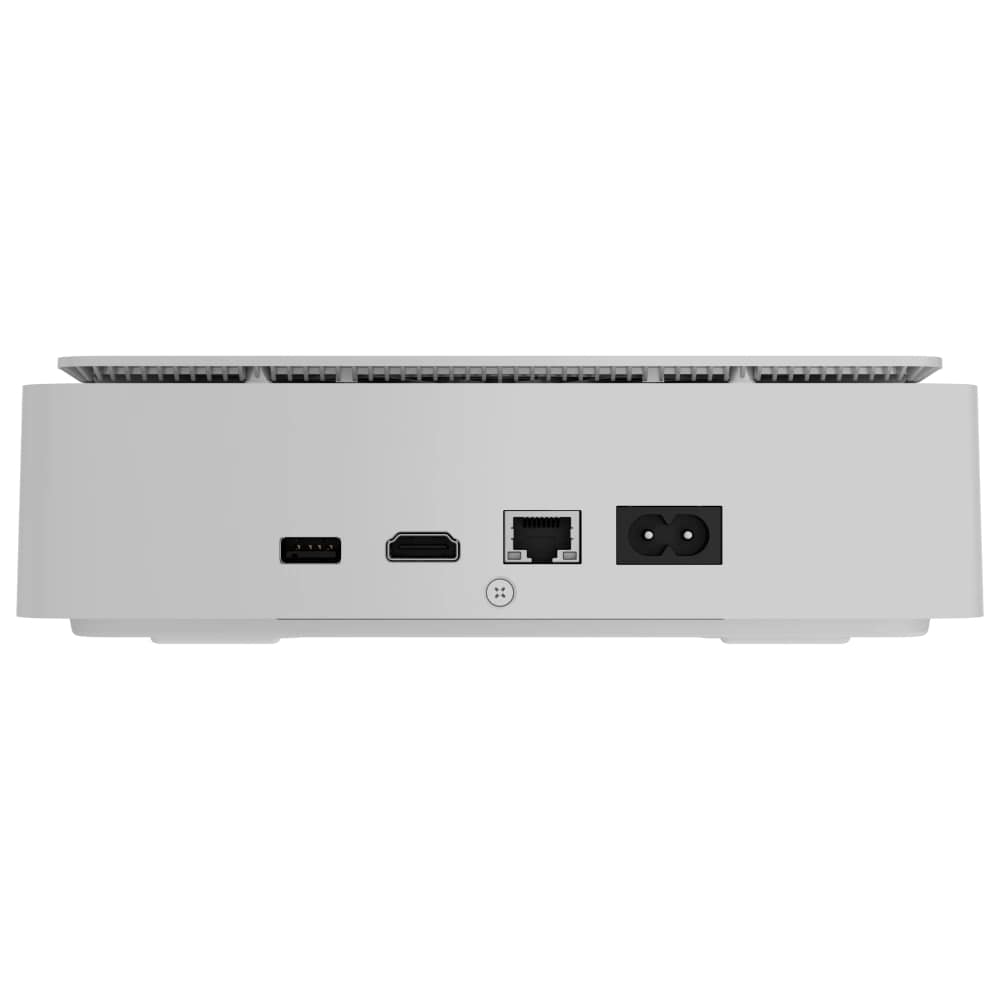
The letter H in the series name stands for HDMI, and it changes how the system is used day to day: an ordinary monitor or TV plugs into the recorder and runs the built-in Ajax interface with a camera grid, a timeline and event search. No computer, no laptop and no separate software licence are needed, because the whole viewing logic already lives inside the box. In a private house that means a screen in the hallway or study showing at a glance who is standing at the gate, and in a small clinic or salon it means a monitor at the reception desk so nobody has to reach for a phone every time the doorbell rings. The second half of the abbreviation, AC, points to the integrated mains power unit for 110-230 V with consumption up to 24 W, so the unit needs neither an external adapter nor a low-voltage line. One limitation belongs here rather than in the fine print: the HDMI output itself tops out at 1920×1080, so an 8 MP frame is scaled down on screen while full detail stays in the archive and reappears when you zoom into a fragment or export it.
Eight channels and up to 80 Mbps of incoming traffic
The recorder accepts up to eight cameras with a maximum recording resolution of 8 MP at 25-30 frames per second, and the combined incoming stream is capped at eighty megabits per second. That number is not academic: eight 4 MP cameras in a normal H.265 profile produce roughly 32 Mbps and leave more than double the headroom, while pushing all eight to 4K at maximum bitrate runs straight into the ceiling. A sensible split looks like this — 8 MP at the driveway, the front door and the till, where a face or a plate must be readable, and 4 MP for overview shots of the yard, the corridor or the sales floor. This approach not only fits the bandwidth but also saves storage, since every 8 MP camera costs about twice as much archive space as a 4 MP one. The network arrives through a single 10/100 Mbps RJ-45 port, which is one more reason not to try squeezing the theoretical maximum out of all eight channels at once.
No PoE ports: camera power is a separate plan
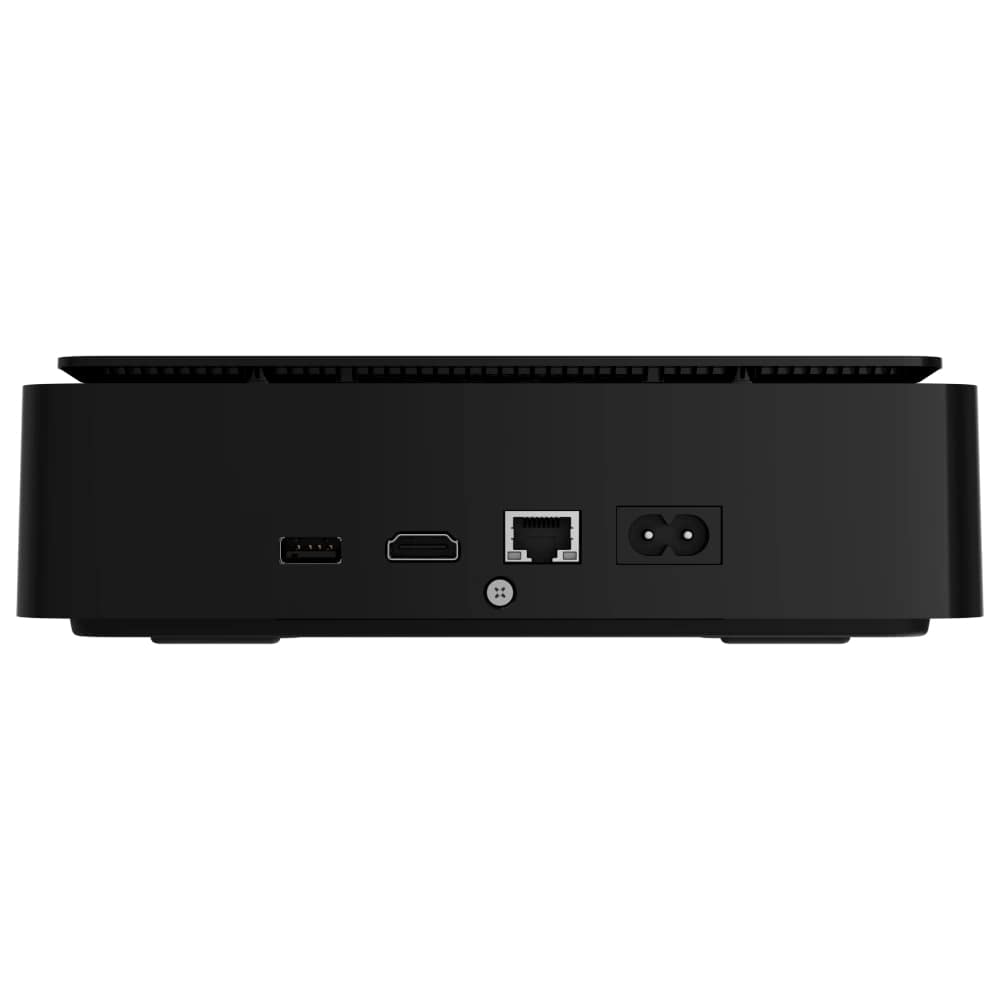
Ajax does not build PoE into its recorders, so the rear panel offers only a network socket and powering the cameras stays with the installer — the most common surprise when the first quote is drawn up. In this same catalogue the Hikvision DS-7108NI-Q1/8P(D), the Dahua DHI-NVR1108HS-8P-S3/H and the Reolink NVS8 carry eight PoE ports inside the chassis, so each camera there gets data and power over one cable and the system consists of two devices instead of three. Eight Ajax cameras drawing some 7-8 W each need a PoE switch with a budget of at least 60-70 W, and buying one without headroom is unwise, because night mode with illumination is exactly when every camera pulls its maximum simultaneously. A separate switch does have advantages: it can sit closer to the cameras and shorten cable runs, it can be a managed model with VLANs, or it can be specified with double the power for future expansion. The point is to see that line in the budget before the purchase, not after the recorder is already on the shelf.
One drive up to 16 TB and export straight to a USB stick
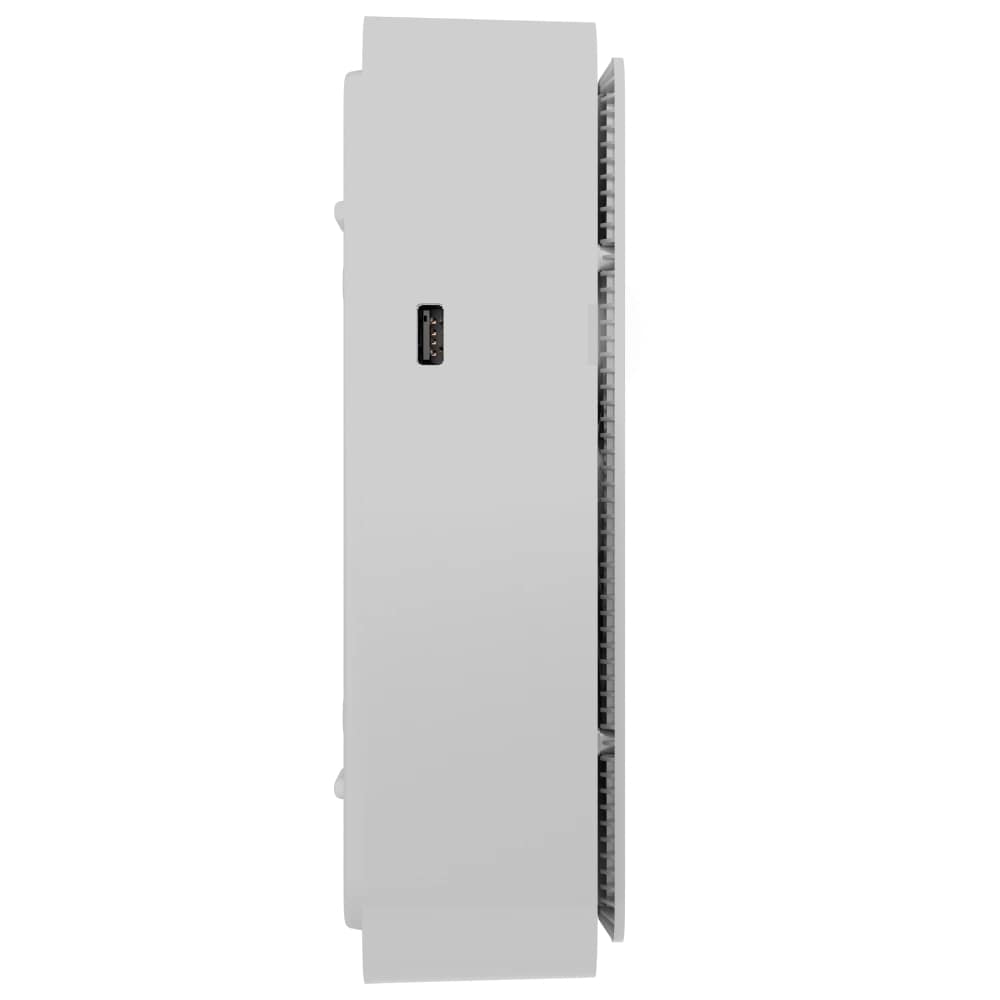
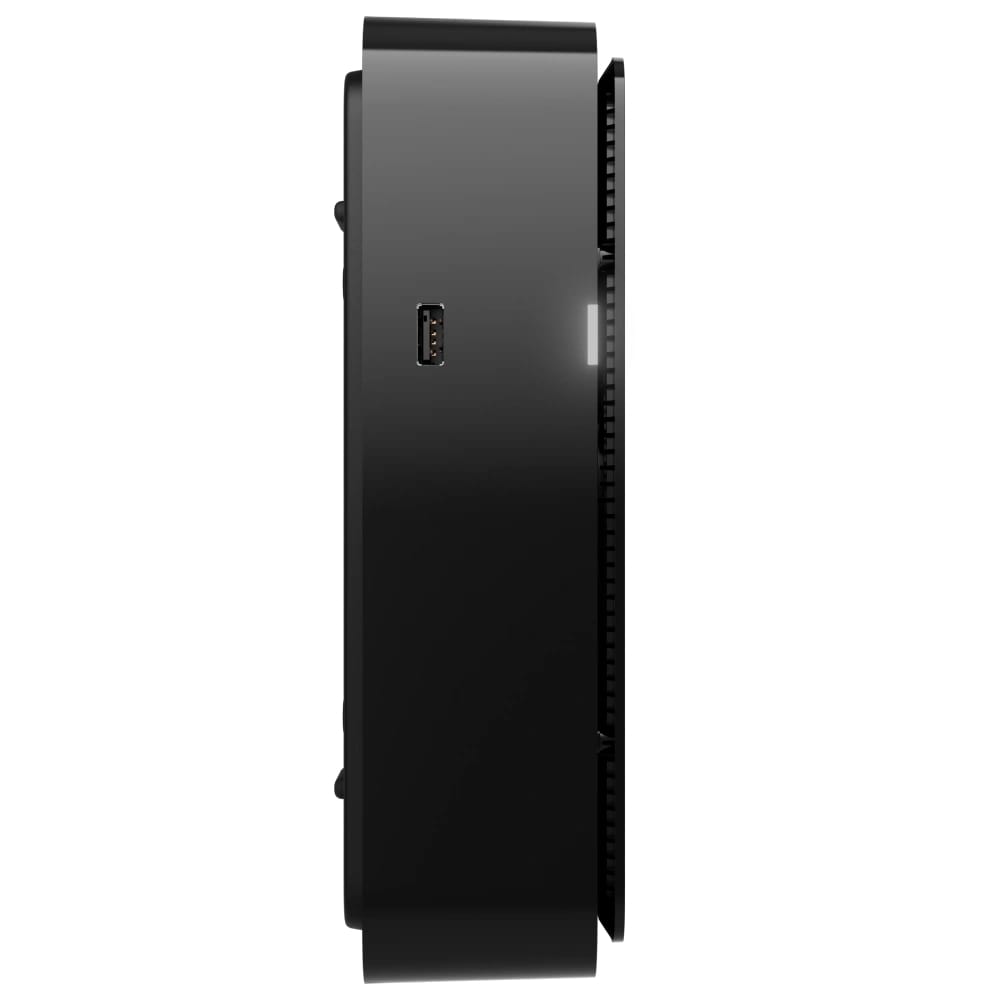
Inside sits a single SATA bay for a 2.5 or 3.5 inch drive of up to 16 TB, and no storage comes in the box — the disk is chosen to match the archive depth you actually need. The arithmetic is simple: under H.265 continuous recording costs roughly 22 GB per day for a 2 MP camera, about 43 GB for 4 MP and around 86 GB for 8 MP. A typical house with six 4 MP cameras therefore writes about 258 GB every twenty-four hours, which means an 8 TB drive holds roughly a month of footage and a 16 TB one about two months of continuous recording. Two USB 2.0 ports, one on the rear and one on the side panel, solve a mundane but genuinely annoying problem: a mouse plugs into the first for the on-screen interface, while the second takes a flash drive so the needed fragment is exported without a computer, a laptop or any format juggling. The constraint to remember is the single bay with no RAID and no hot swap, so round-the-clock recording calls for a surveillance-grade drive rather than an ordinary desktop model.
Working inside an Ajax system and connecting third-party cameras
This model gives the most where an Ajax hub is already in place: cameras and detectors end up in one app, shared scenarios work across them, and a detector alarm arrives with footage from the camera pointed at the spot. On a display attached to HDMI that becomes even more tangible, because the relevant stream appears automatically instead of forcing an operator to hunt for the right tile among eight. Third-party cameras are seen over ONVIF Profiles S and G and via RTSP, so most current IP cameras from Hikvision, Dahua or Imou connect without drama. The boundary is worth knowing, though: you get the stream, the recording and the archive, while the other vendor's analytics, its zones and its scenarios stay inside that vendor's ecosystem, because ONVIF carries video rather than brand logic. Built-in motion detection runs on the recorder across all eight channels, and the app lets you decide who analyses the frame — the NVR itself or the camera's own algorithms.
Where the white recorder belongs and which sites it suits
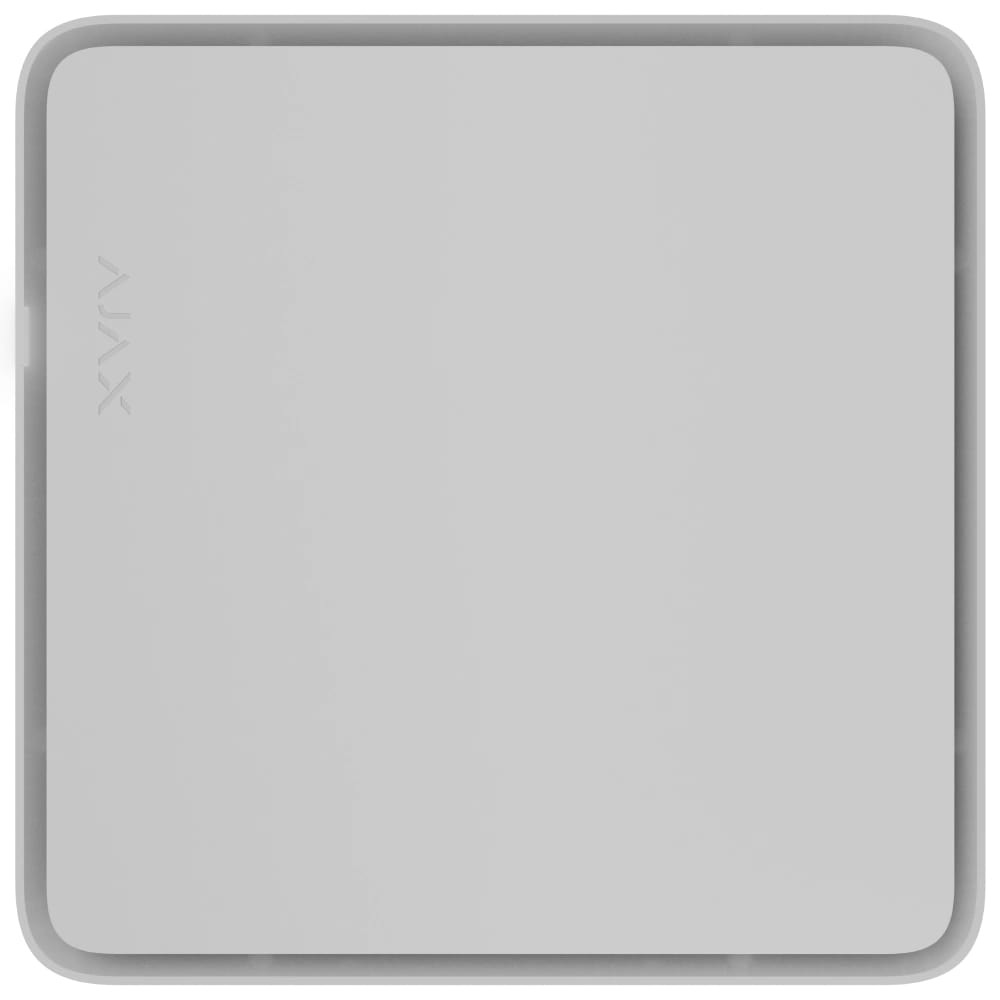
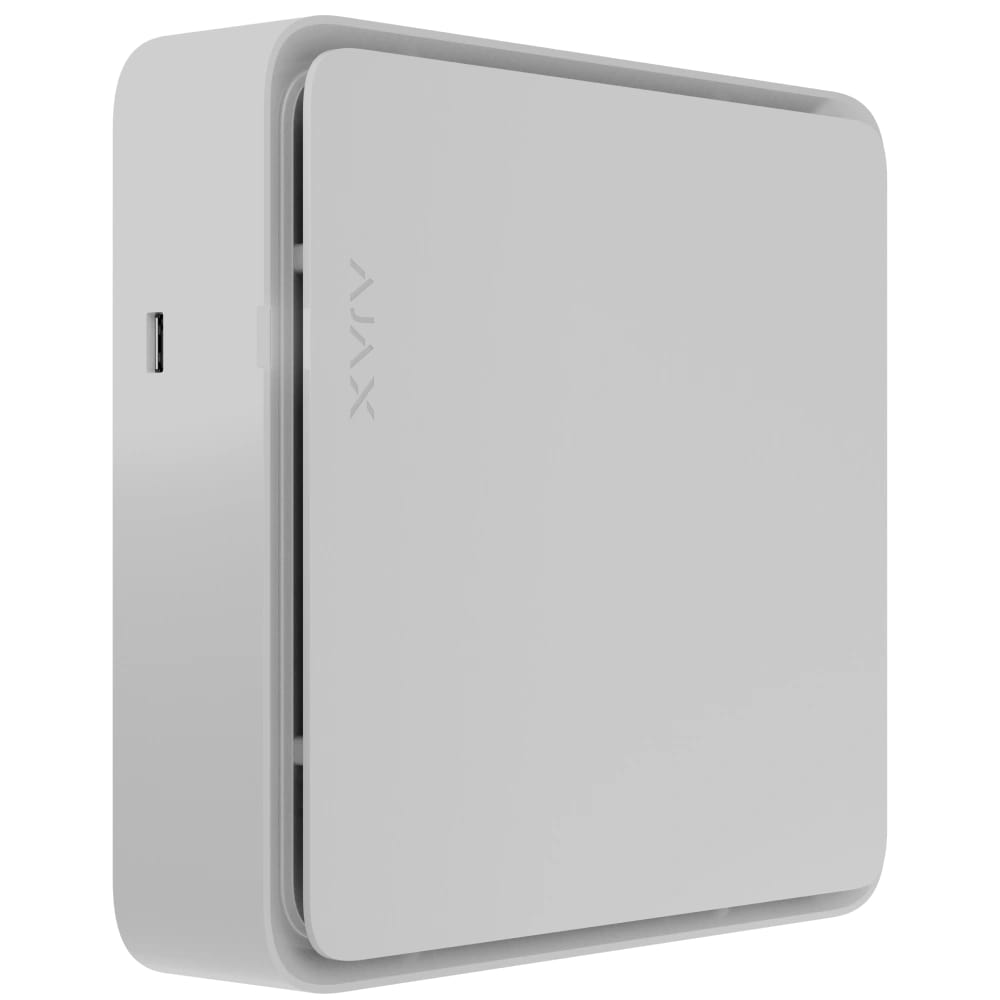
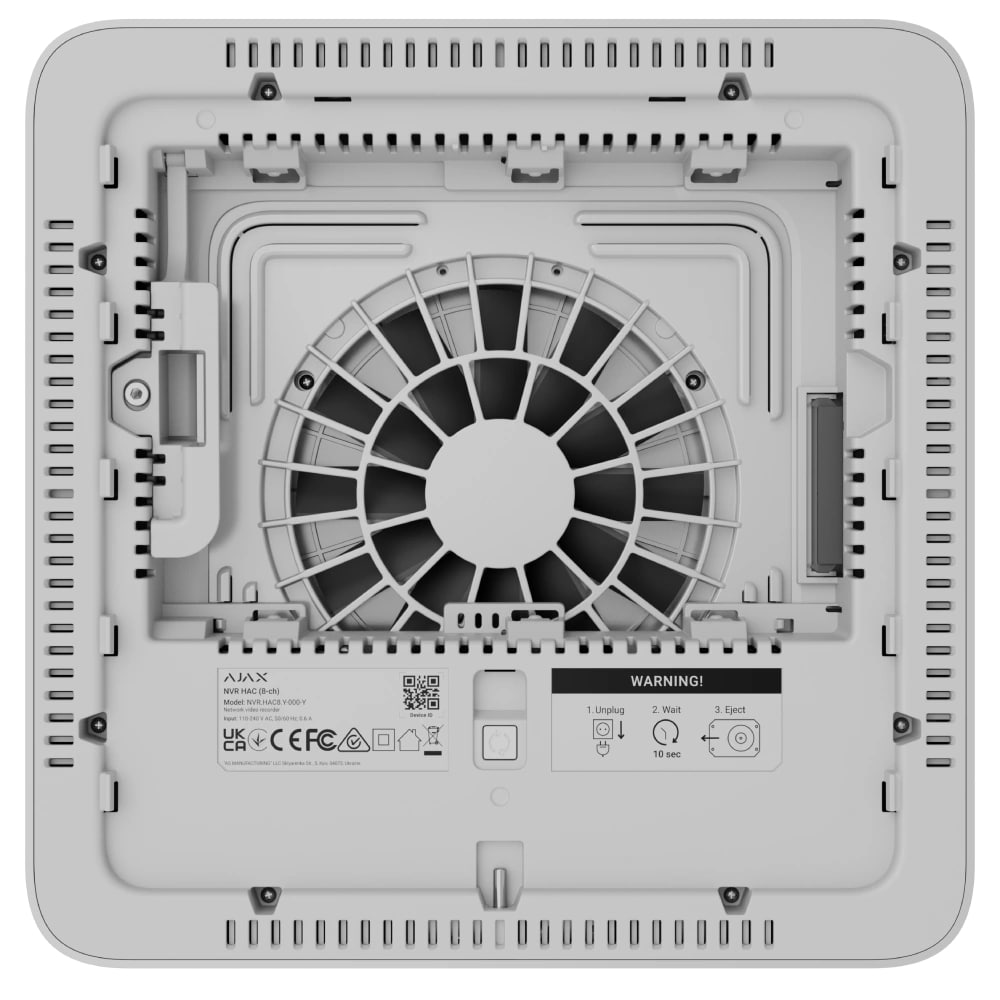
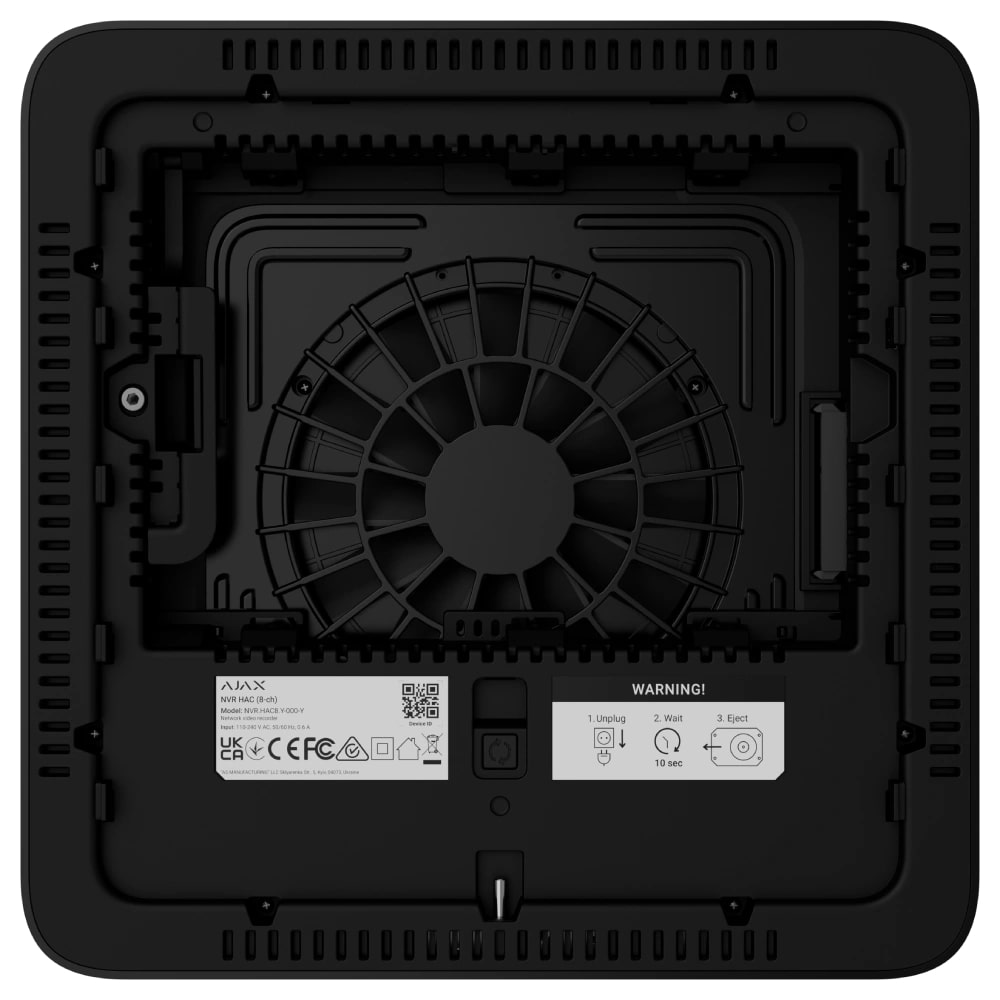
The 212×212×64 mm enclosure weighing half a kilogram, rated IP20 and specified for 0…+40 °C, is meant strictly for a dry heated room: a cabinet, a niche, a shelf in an office. The white finish earns its keep where the device is actually visible — an open shelf in a bright office, the reception desk of a salon or clinic, a wall beside a white Ajax hub where two matching devices read as a set rather than a random pile. Colour changes nothing functionally, so inside a technical cabinet where nobody sees it, take whichever version is in stock. Typical eight-channel sites are a private house with a perimeter, a coffee shop, a dental practice, a small office or a car wash: places with four to eight cameras where a local screen matters. Do plan a UPS covering the recorder and the switch together — the unit itself draws up to 24 W, and even a modest uninterruptible supply keeps recording from breaking on every voltage dip.
How it differs from neighbouring models in this catalogue
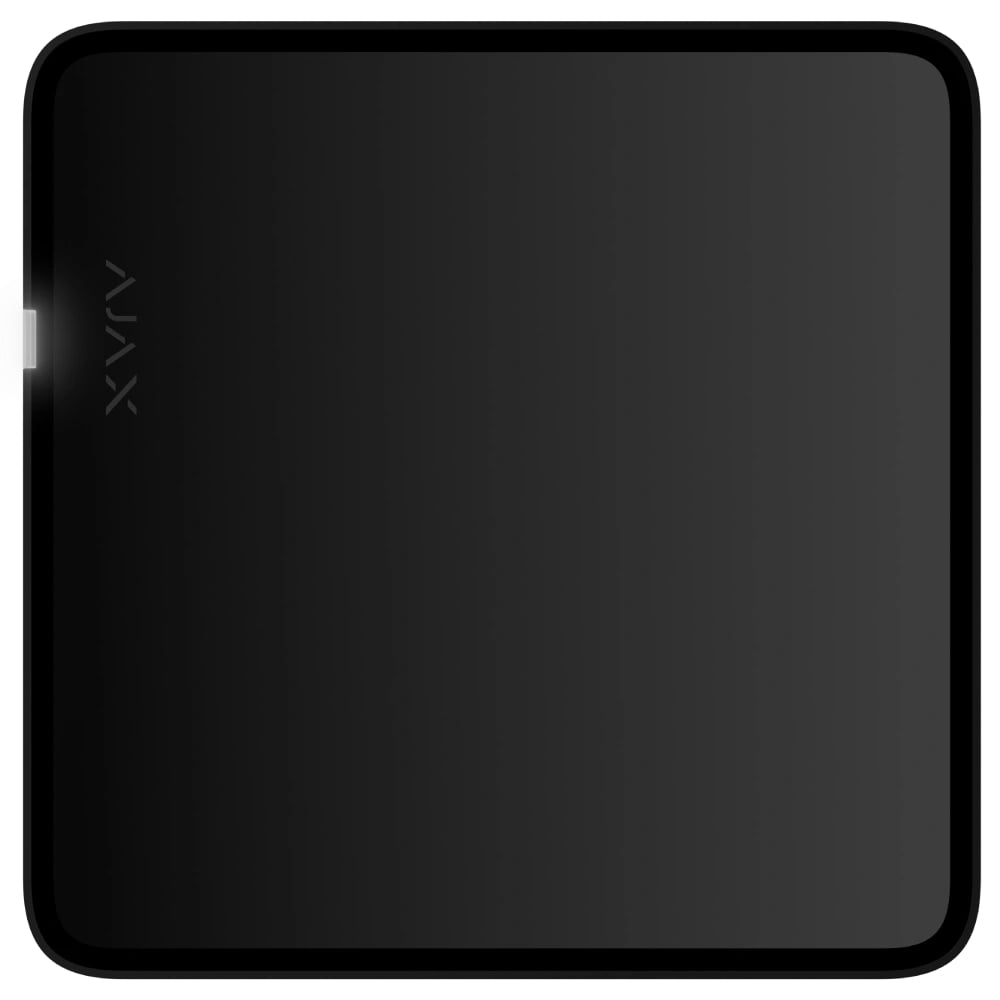
Its closest relative is the same model in a black enclosure: the internals are identical down to the last screw, and the choice between them is purely aesthetic. The sixteen-channel NVR HAC differs only in channel count at the same 80 Mbps incoming limit, so paying more for it makes sense solely when there really are more than eight cameras — channels cannot be added to this unit later. The basic Ajax NVR with eight channels is the simpler configuration without HDMI: control lives only in the smartphone, yet its incoming bandwidth is higher at up to 100 Mbps, so for a screenless system with heavy 4K streams it actually wins. The Ajax NVR DC is the same eight-channel recorder with 8-16 V low-voltage supply for battery-backed sites, a choice for a narrow but very specific audience. And if an Ajax system is not on the horizon at all, it is fairer to look at the Reolink NVS8 or the Dahua DHI-NVR1108HS-8P-S3/H, which are cheaper and include eight PoE ports outright; this model earns its place through the combination of a local screen, integration with Ajax security and a 24-month warranty from a Ukrainian manufacturer.
Tell us how many cameras you have, at what resolution and how deep the archive should be, and we will match the drive, the switch and the UPS so the system works from day one without last-minute additions.
Characteristics Ajax NVR HAC
| CODE | Color | Number of channels | Availability | Price | ||
|---|---|---|---|---|---|---|

|
Ajax NVR HAC (8ch) (8EU) ASP White
|
Out of stock
|
8 39900 ₴ | |||
|
|
Ajax NVR HAC (8ch) (8EU) ASP White
|
Out of stock
|
8 39900 ₴ | |||
|
|
Ajax NVR HAC (8ch) (8EU) ASP White
|
Out of stock
|
12 49900 ₴ |
Reviews about Ajax NVR HAC from real users
No reviews found







