
 m. Сміла, Незалежності, 67г. оф, 406/6























IMOU Cell 3C IPC-K9DC-5M0WEH-V2 - Battery-Powered Wi-Fi IP Camera

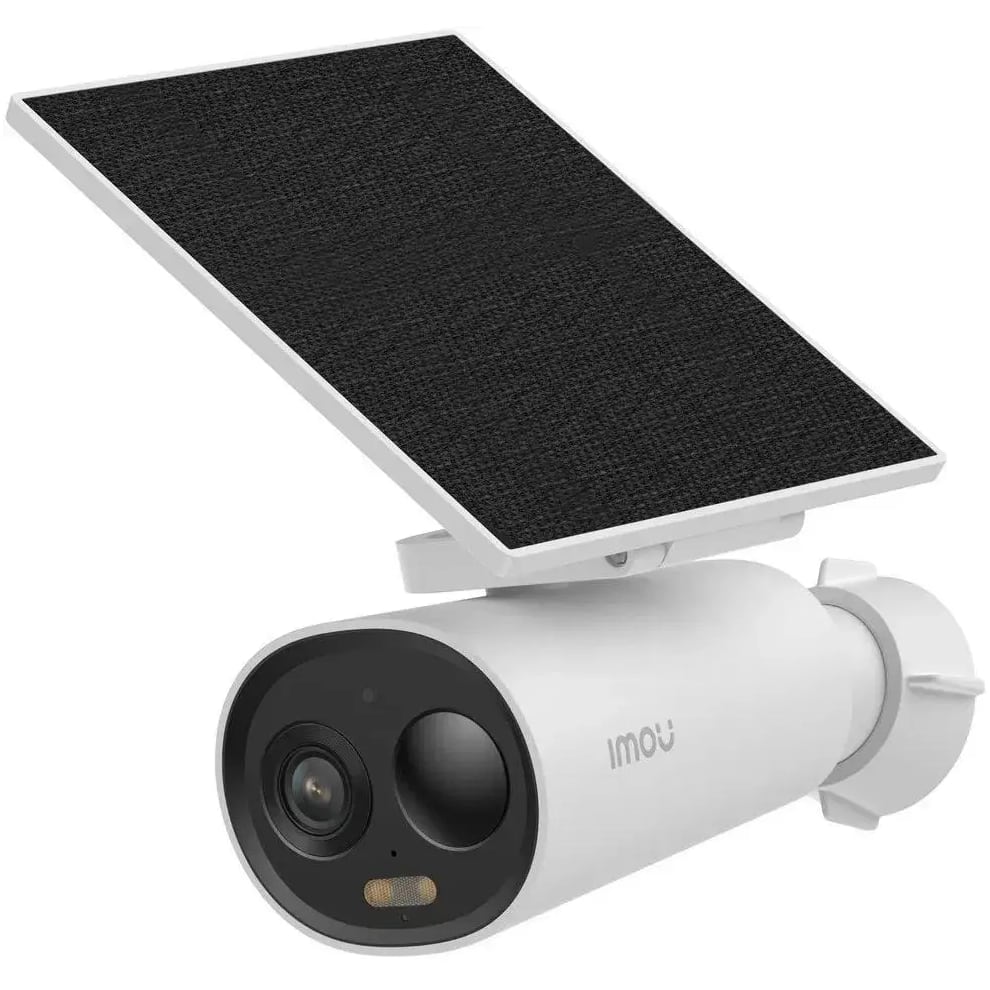
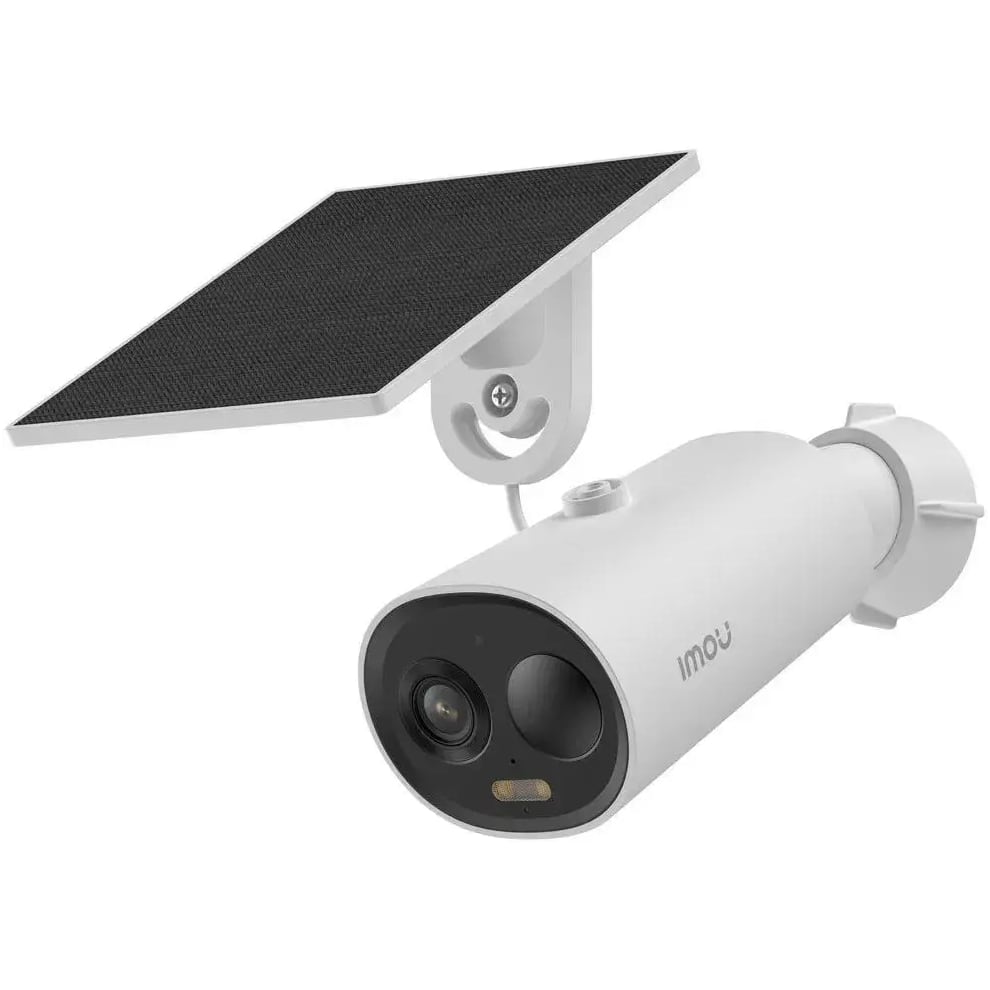
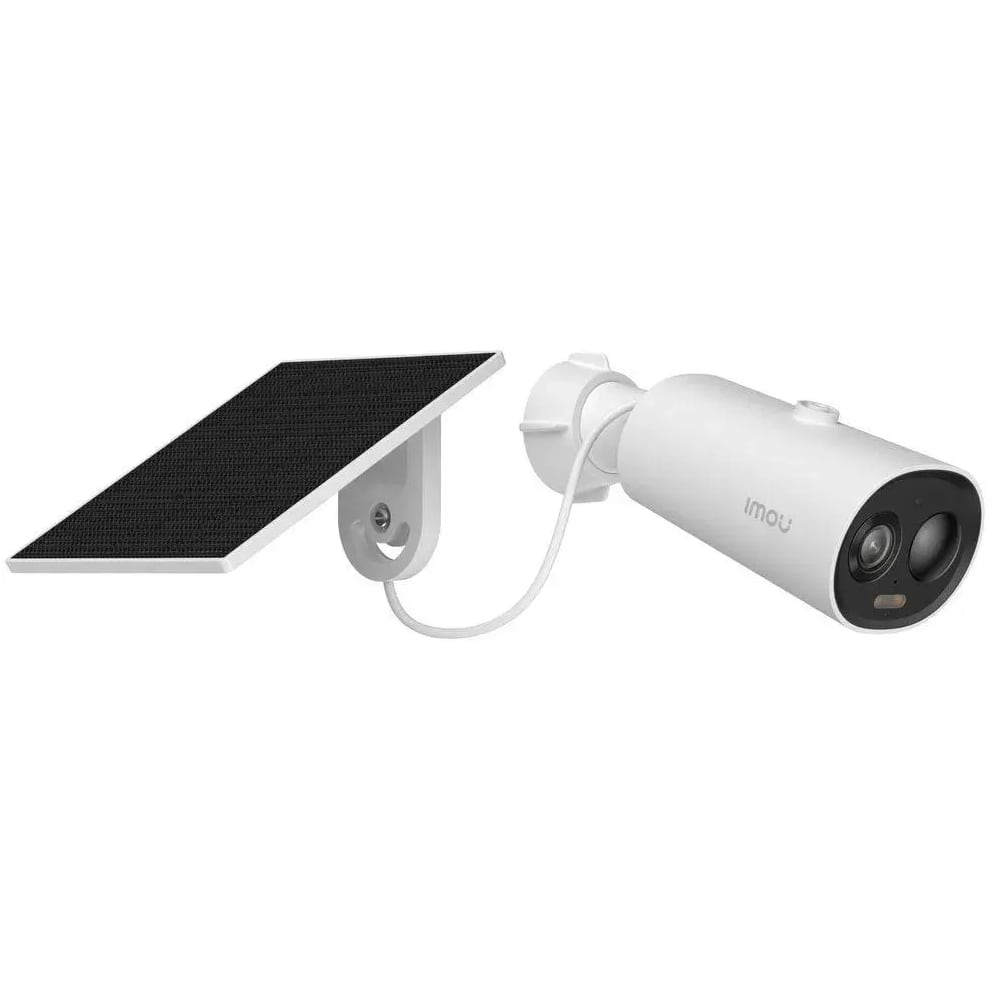
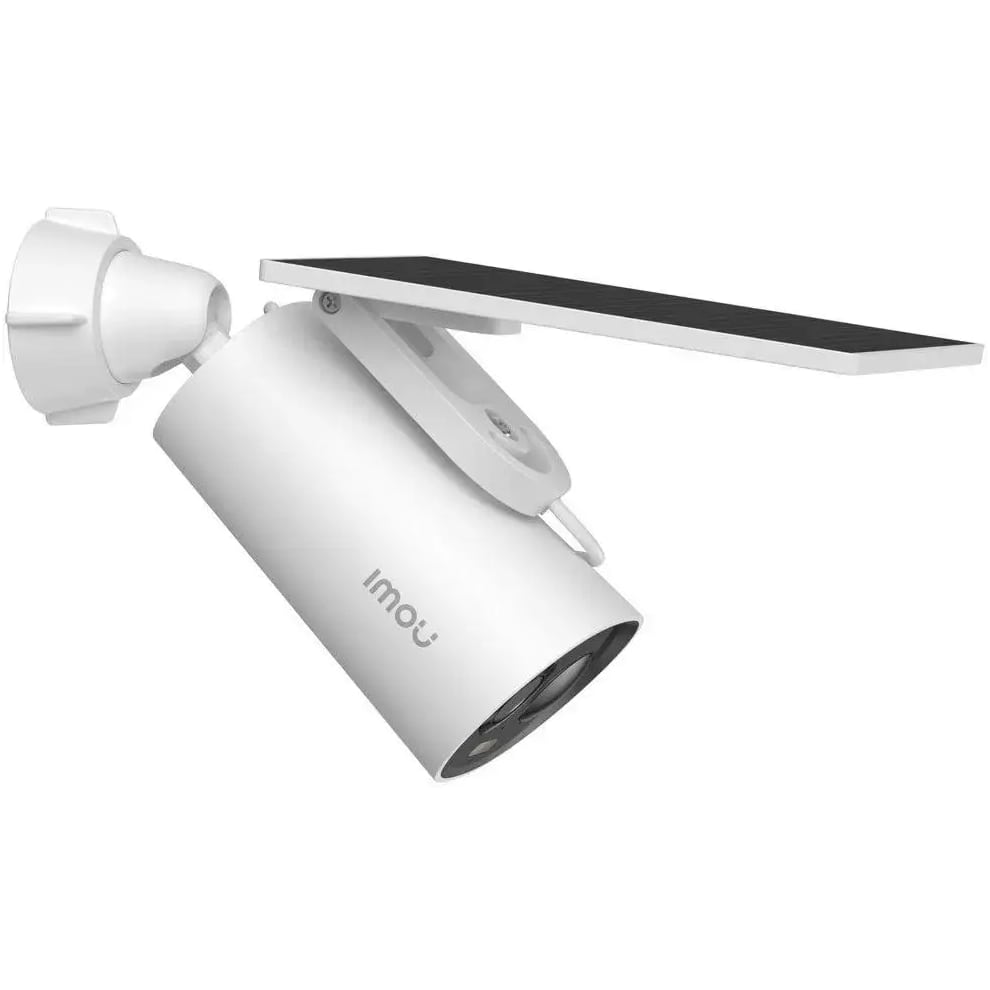


Description IMOU Cell 3C IPC-K9DC-5M0WEH-V2
Fully wireless: a 5000 mAh battery and what "up to 120 days" really means
The Cell 3C runs with no cable at all — neither power nor network: a 5000 mAh cell sits inside the housing and the link to your router goes over Wi-Fi. The manufacturer's figure of up to 120 days assumes roughly twenty triggers of 15 seconds each per day, so it describes four months of standby duty in a quiet private yard rather than four months of continuous video. Mount it at a driveway where dozens of people walk past and cars come and go every day, and the same battery will realistically last a few weeks — that is normal behaviour for any battery camera, not a defect. Recharging goes through USB-C and takes a few hours, which means you will have to take the camera off its bracket periodically unless there is a socket nearby. In winter, as temperatures approach the -20 °C lower limit of the operating range, lithium capacity drops noticeably, so plan a shorter interval between charges for the cold season from the outset.
PIR plus AI human detection: what the camera tells apart and what it does not
Triggering works on two levels: a passive infrared sensor reacts to a heat change in the zone and wakes the electronics, and only then does the human-recognition algorithm decide whether the event deserves a notification. That order is dictated by battery operation — keeping the sensor and Wi-Fi awake around the clock would drain the cell in days, whereas a PIR draws almost nothing and can stand watch for months. The practical gain is obvious: the camera separates a person from a swaying branch or a cloud shadow, so the owner is not buried under dozens of empty push messages every night, which is exactly the point at which most people simply switch notifications off. What this model does not have is separate vehicle and animal classes — it thinks in terms of "a person, or just motion", so a car pulling in arrives as a plain motion alert and a neighbour's cat will not be filtered out. There is also a physical quirk of PIR that advertising rarely mentions: it senses temperature difference, so on a hot summer day a person in light clothing at the far edge of the zone is detected less reliably than on a cool evening.
A 110 dB siren and a spotlight: a camera that intervenes instead of only watching
The built-in 110 dB siren and white spotlight turn the Cell 3C from a witness into an active deterrent. The sequence is simple: PIR and analytics register a person inside the guarded zone, the camera switches on the light and, if configured, the siren — and a good share of attempts to look into a yard or approach a parked car ends right there, because the intruder immediately understands he has been seen. The spotlight has a second job as well: it produces a full-colour night image instead of a black-and-white silhouette, and jacket colour or shoe type are exactly the identifying details a police report needs. A level of 110 dB is roughly a hammer drill heard from a metre away, so in dense housing the automatic siren deserves a careful hand, otherwise the neighbours will react before any burglar does. For most yards the sensible compromise is an automatic spotlight plus a siren the owner fires manually from the app after glancing at the live view — and keep in mind that both light and sound draw from the same battery, so nightly deterrence measurably shortens the time to the next charge.
5 MP at 2880×1620, a 2.8 mm lens and 15 metres of night vision
The 1/3" sensor delivers 5 MP in 16:9 — 2880×1620 pixels, roughly twice the detail of the widespread two-megapixel cameras, which is enough to recognise a familiar face or make out which car is standing at the gate. The 2.8 mm F2.2 lens gives a 95° horizontal and about 112° diagonal field of view, so a single unit covers a typical yard, porch or driveway entrance without blind corners at the edges. Frame rate tops out at 15 fps, half what wired models offer: fast movement across the frame, a cyclist or a car at forty kilometres an hour, is captured in fewer intermediate frames and looks choppy when you step through the recording. Night illumination reaches 15 metres, and that is a hard limit beyond which detail simply disappears, so hanging the camera at the far end of a long plot in the hope of "seeing something" is a poor plan. The 8× digital zoom lets you enlarge part of an already recorded frame, but it adds no physical detail — those are the same pixels scaled up in software, and a number plate beyond ten or twelve metres will stay unreadable.
Event-based archive, a card up to 512 GB and 2.4 GHz Wi-Fi
One misunderstanding is worth clearing up before purchase: a battery camera does not record around the clock but in fragments around an event — the PIR wakes it, it captures ten to thirty seconds and goes back to sleep. Consequently you cannot reconstruct a full timeline of the night from such an archive: there will be gaps between clips, which is precisely why a shop or warehouse that needs continuous footage gets a wired camera and a recorder instead. On the other hand, a microSD card of up to 512 GB holds event clips for months rather than days, and the whole archive stays physically in your hands with no mandatory subscription. Imou cloud storage is available as an option with a trial period and makes sense mainly as insurance against the camera itself being stolen together with its card, but it is not required as the primary archive. Connectivity is 2.4 GHz Wi-Fi only: that band penetrates walls better than 5 GHz and reaches up to 120 metres in the open, yet it is heavily congested in apartment blocks, so check signal strength at the intended mounting point in advance. Note too that there is no Ethernet jack and no PoE — the camera lives inside the Imou Life app, and you will not be able to add it to a third-party NVR as an ordinary ONVIF source.
IP66 housing, dimensions and mounting without chasing walls
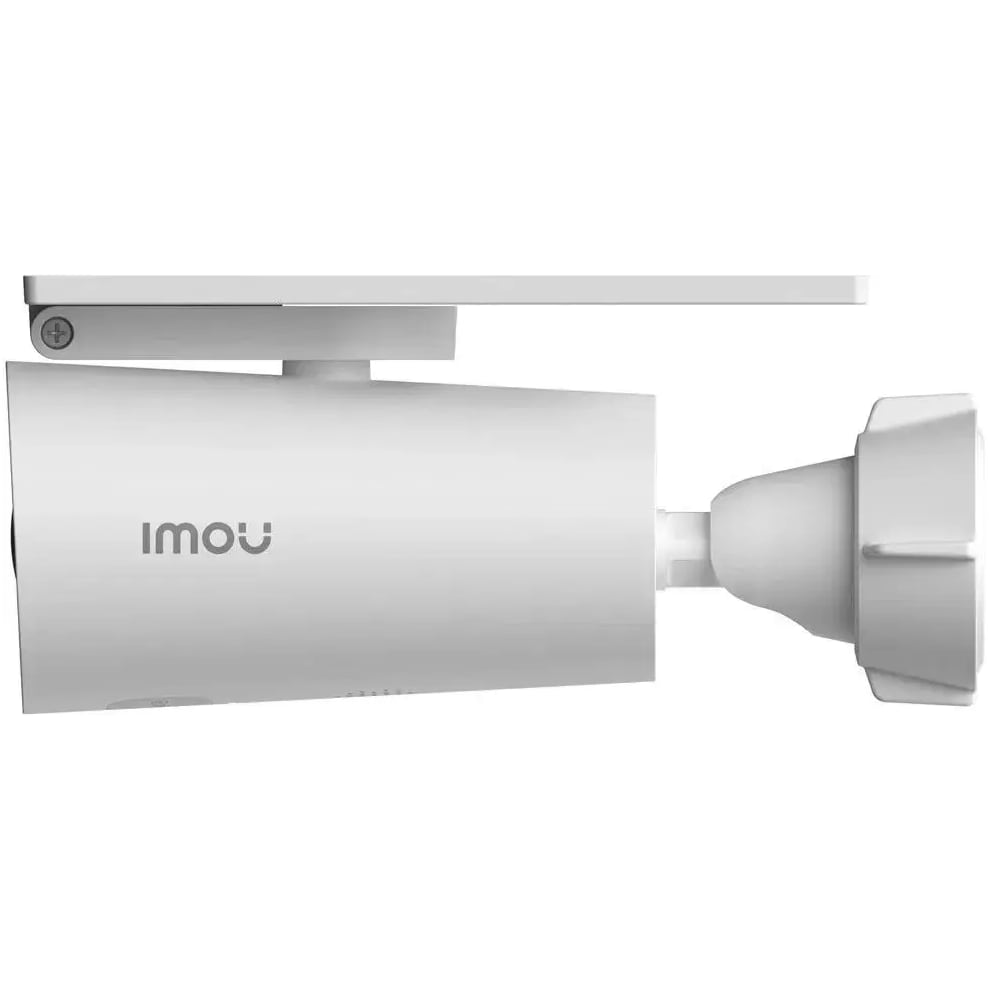
The plastic body measures 168.1×72.2×60.6 mm, weighs 270 g and attaches to the supplied bracket with two screws — no trunking, no wall chasing, no electrician. IP66 means complete dust protection and resistance to powerful water jets from any direction, so the camera survives driving rain on an exposed façade and not merely a sheltered spot under the eaves. The -20…+50 °C operating range covers an ordinary Central European winter, but frost is exactly where the difference between a battery and a wired camera shows: cold eats capacity, and the winter interval between charges will be noticeably shorter than the summer one. Choose mounting height against two criteria at once — the PIR zone must cover the passage you care about, and you must be able to take the unit down for charging without a three-metre ladder. One more honest point: the plastic housing is not vandal-resistant the way metal dome models are, so mounting it right above a street-facing gate at arm's reach is asking for trouble.
Where this camera belongs and what it was built for
Its natural habitat is anywhere a cable does not exist and never will: a summer house without permanent power, a building site, a back yard, a porch, the entrance to a garage or outbuilding, the far end of a storage shed nobody will run a line to for one camera. The second typical scenario is rented accommodation or a temporary solution — the camera goes up in fifteen minutes and comes down just as fast when you move, leaving no trace in the walls. It also works well at the entrance of a private house: the 95° field covers porch and path, two-way audio lets you answer a courier without opening the door, and the siren with spotlight acts as a night watchman. Where it does not belong: a retail floor with a till, a warehouse under material liability, or any site where the archive must be continuous and account for every minute — event recording simply will not do that job. Nor should you count on it for a long perimeter or for reading plates at an entrance: 15 metres of illumination and a wide lens make this a close-range camera, not long-distance optics.
How it differs from neighbouring models in this catalogue
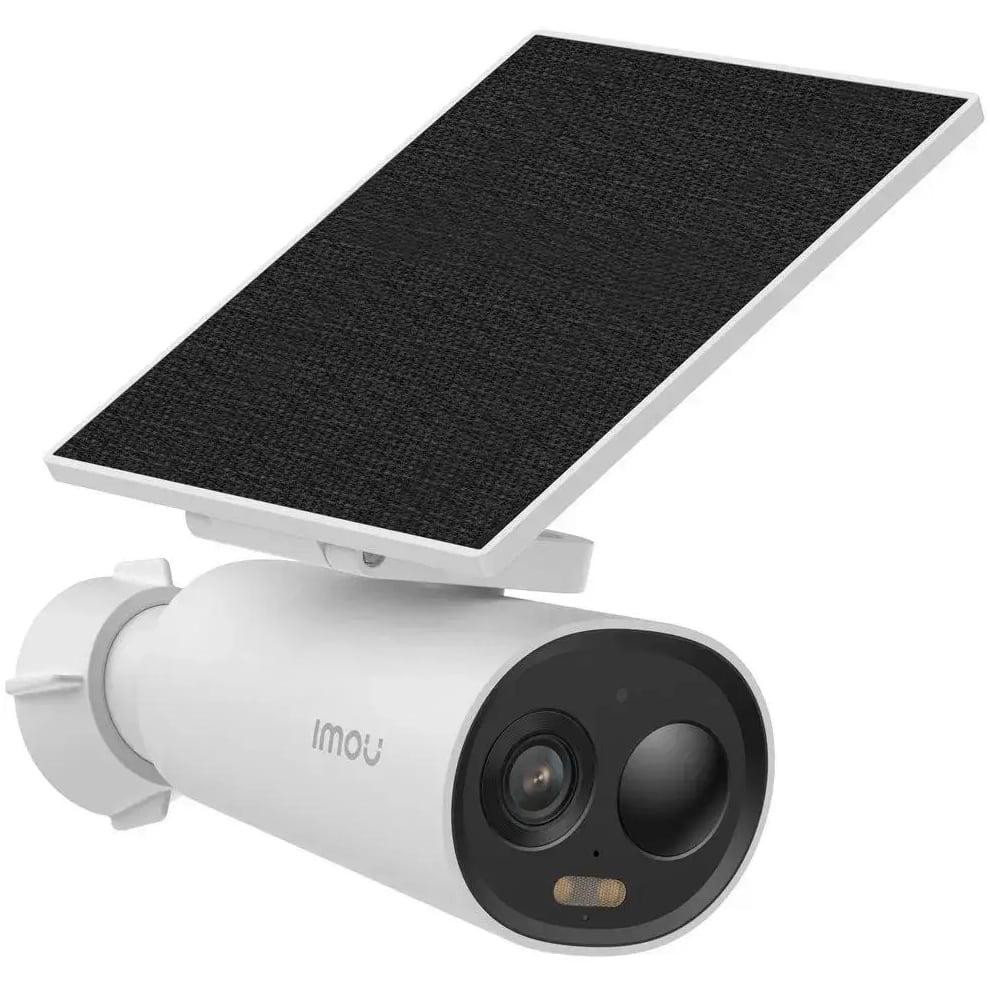
Its closest relative is the IMOU Cell 3C in the IPC-K9DC-5M0WEH-FSP12 version [1728]: the same camera, the same sensor, the same analytics, but with a solar panel in the box. If the mounting spot gets a few hours of direct sun a day, that version removes the charging routine altogether because the panel keeps the battery topped up; if the camera faces north, into shade or under a canopy, the panel earns nothing and this version without it is the rational choice — and a panel can always be added later. Within the brand, compare it with the Imou Bullet 3C 3MP [1564]: that one is wired and also Wi-Fi, but has no human detection at all, so alerts fire on any movement — the very trap that makes owners disable push notifications within a week. If you can realistically pull twisted pair to the mounting point, the honest recommendation is the Imou Bullet 3 3MP PoE [1568]: wired power, round-the-clock recording to a recorder and no charging at all, because a battery camera is always a compromise accepted for want of a cable. And if you need vehicle recognition on top of people, look at the battery-powered Reolink Argus B340 [1577] of the same 5 MP resolution: it classifies cars and animals separately, which the Cell 3C does not.
Tell us how many hours of direct sun your mounting spot gets and how far it sits from the router, and we will say whether this version is enough or whether the solar bundle makes more sense from day one.
Characteristics IMOU Cell 3C IPC-K9DC-5M0WEH-V2
| CODE | Color | Availability | Price | ||
|---|---|---|---|---|---|

|
CL-000801
|
Out of stock
|
3 80000 ₴ |
Reviews about IMOU Cell 3C IPC-K9DC-5M0WEH-V2 from real users
No reviews found







