
 m. Сміла, Незалежності, 67г. оф, 406/6























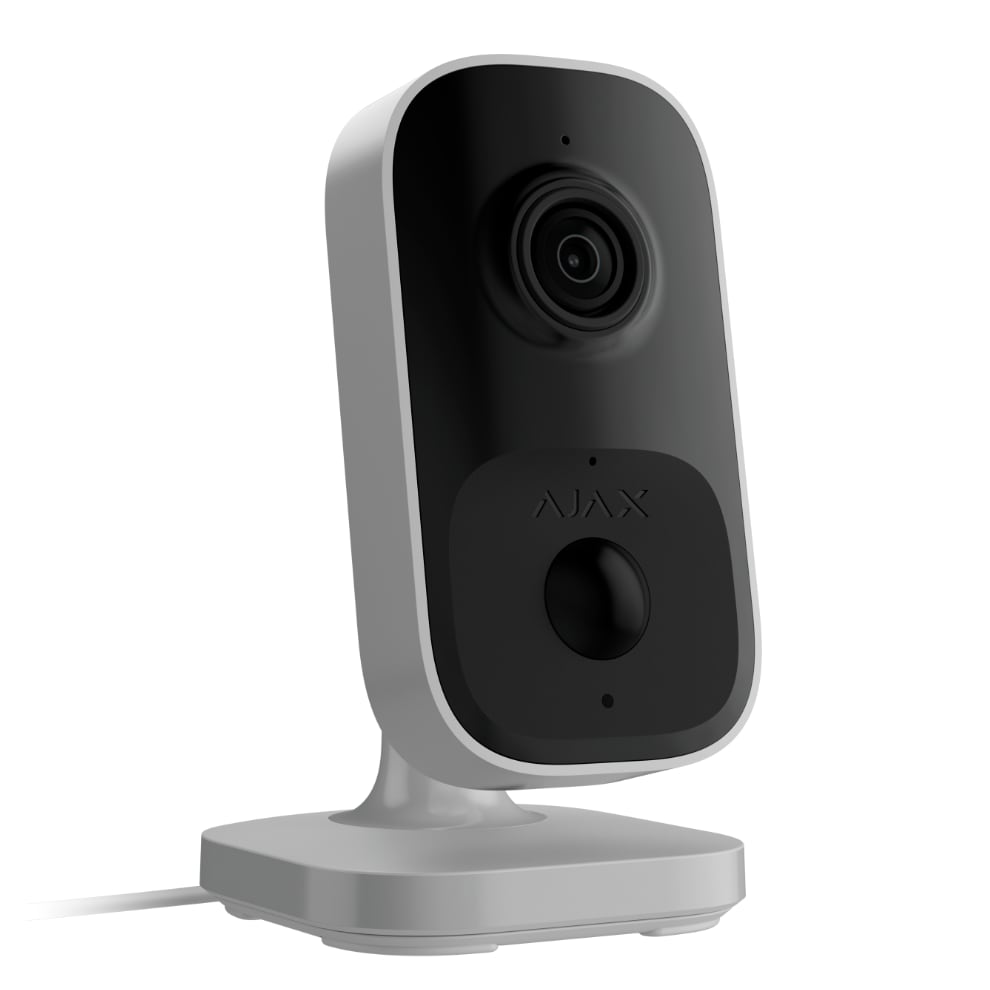
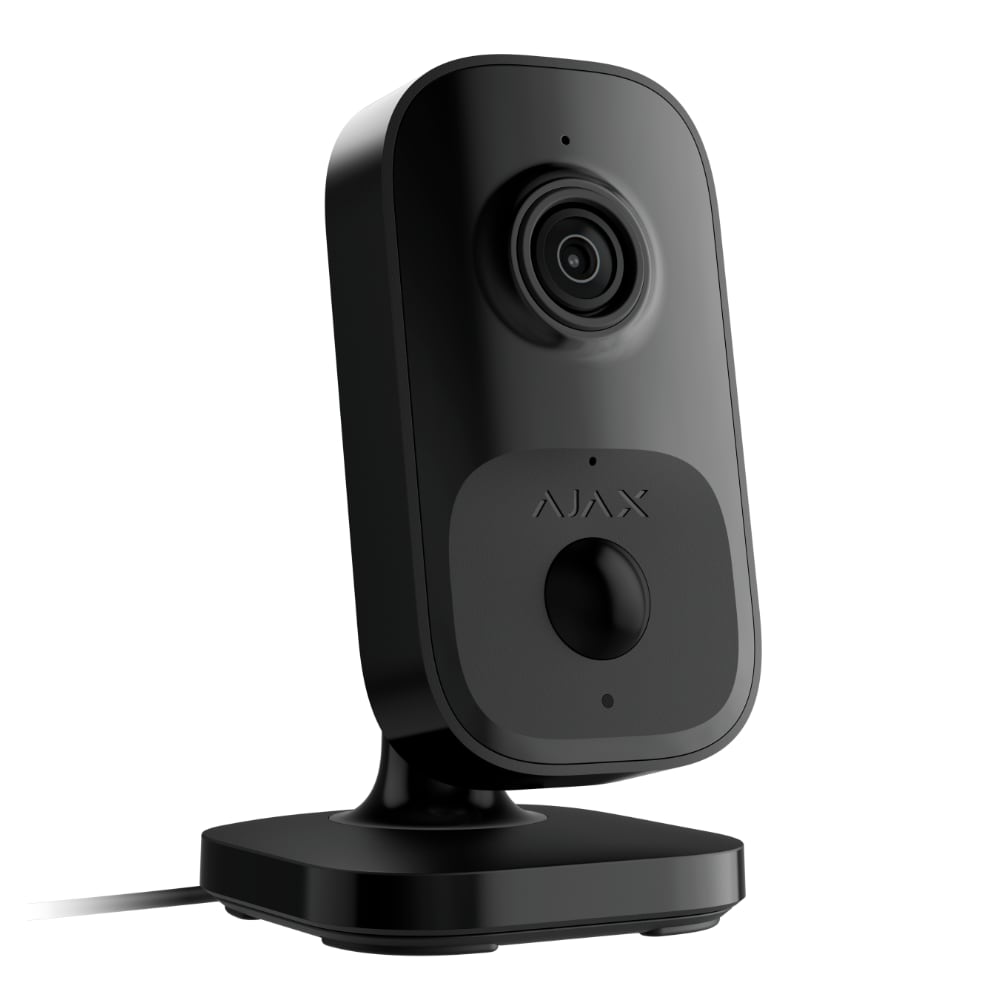
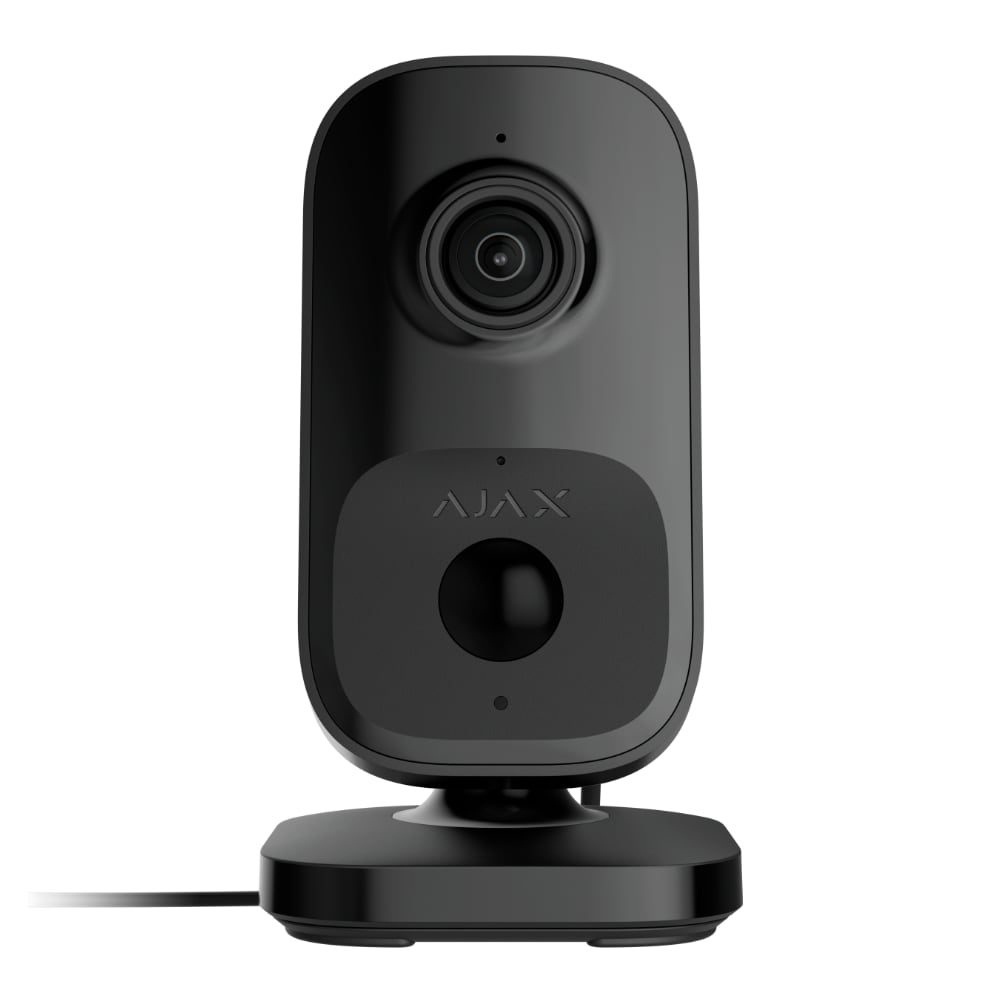
AJAX INDOORCAM (4 MP, ) - WI-FI IP CAMERA

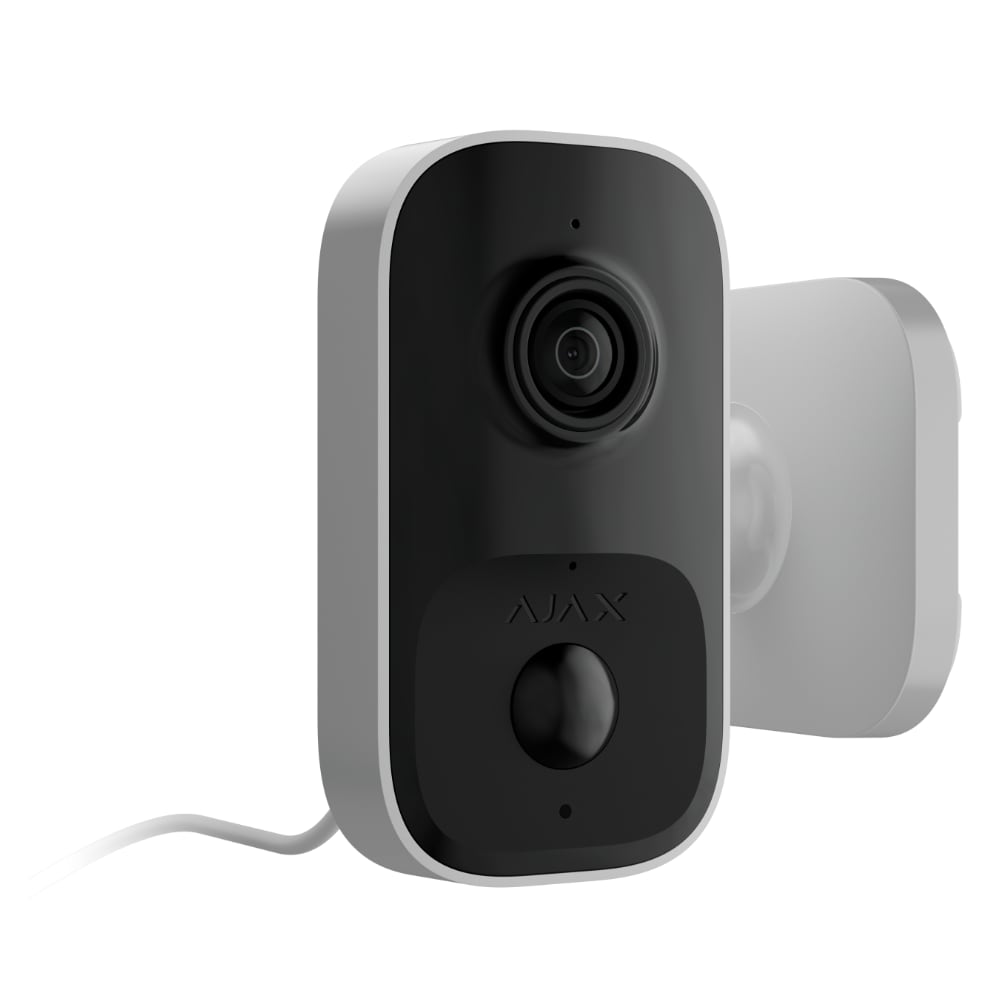
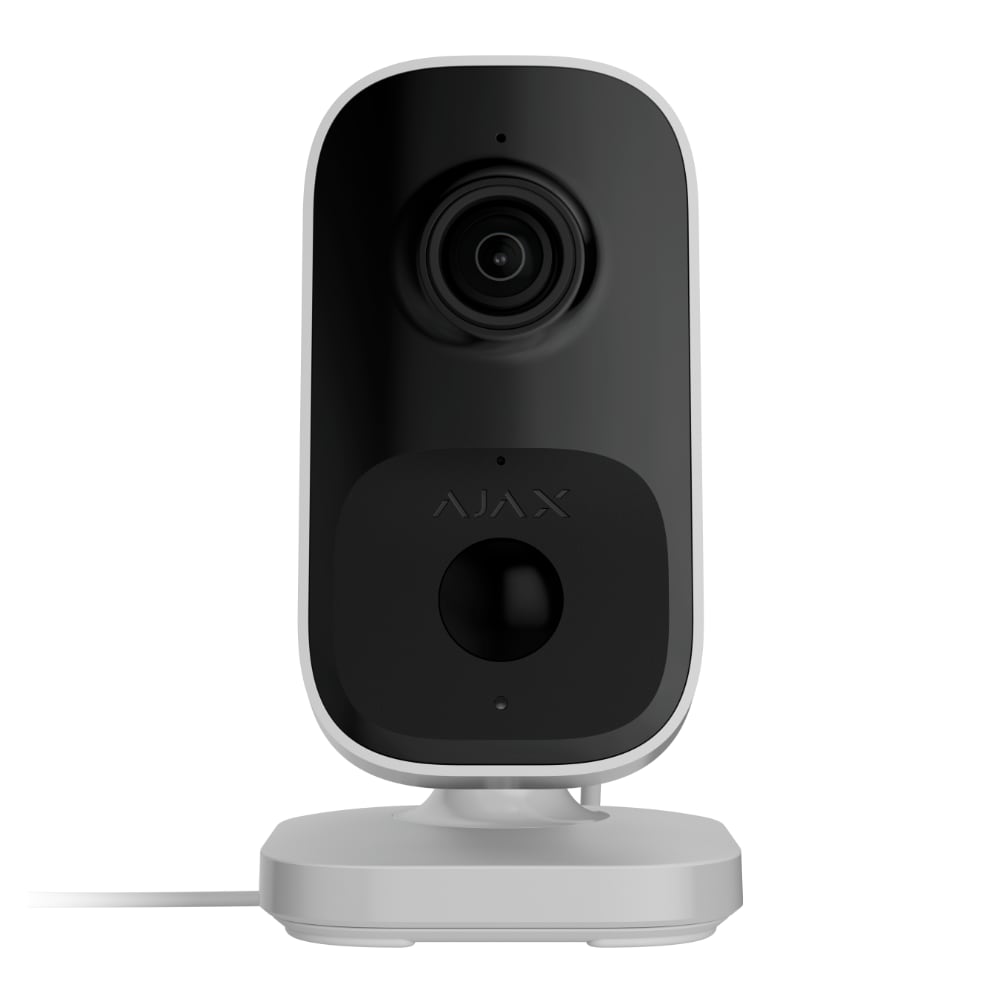
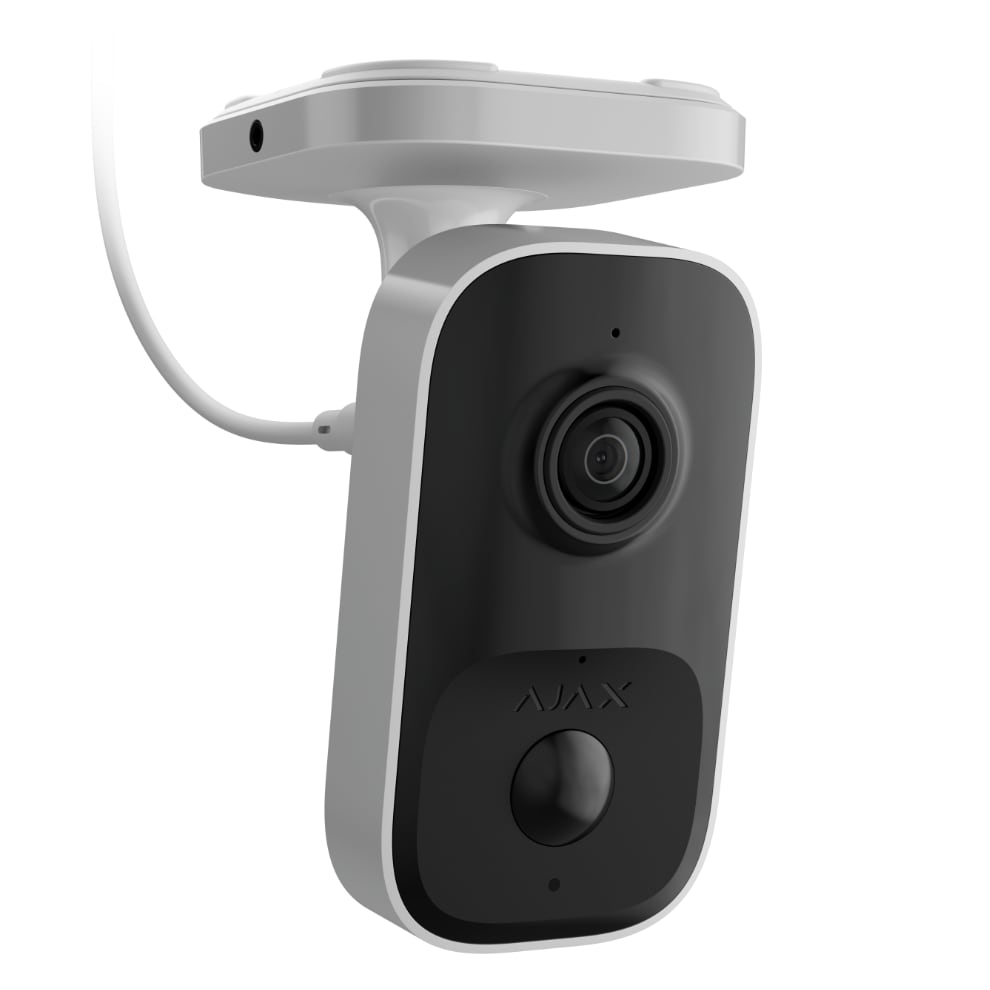


Description Ajax IndoorCam
Wi-Fi with a backup radio channel: a camera you cannot silence by pulling the router
The main thing separating IndoorCam from every other Wi-Fi camera in this catalogue is a second, independent communication channel. Video runs over 2.4 GHz Wi-Fi, but if the network disappears - the router reboots, the provider drops out, somebody kills the power in the cabinet - a camera paired with an Ajax hub keeps sending events, alarms and photo verification over Ajax's own Jeweller and Wings radio protocols. The difference shows up at the one moment that matters: a classic burglary begins by cutting the internet, and an ordinary Wi-Fi camera simply ceases to exist for its owner at that second, while IndoorCam still gets the alarm out. The backup channel works specifically in combination with an Ajax hub - without one the camera remains a good but ordinary Wi-Fi device, and that belongs in your budget planning. Traffic is encrypted and the firmware is protected by Secure Boot and signature verification of updates, so the scenario of pushing forged firmware from inside the local network is closed off.
A PIR sensor plus AI: two different checks before you are disturbed
IndoorCam contains a genuine passive infrared motion sensor - the same type used in alarm detectors - rather than only a software detector of pixel changes. The PIR reacts to the heat of a human body at up to about four metres and offers three sensitivity levels, while the built-in AI classifies what the camera is actually looking at: a person, an animal or a vehicle. Combining two different physical principles removes the most irritating problem of home cameras, false triggers: the shadow of a curtain, headlights sweeping across the ceiling or a flickering television have no thermal signature and will not raise an alarm. For an owner with a cat this means night notifications arrive when a human being has actually entered the room rather than dozens of times before morning. The limitations are worth knowing too: a PIR sensor works badly through glass and loses sensitivity when room temperature approaches body temperature, so on a hot summer night the AI video analysis will be doing most of the work.
4 MP and a 110-degree field: what fits into the frame of an ordinary room
A 4 MP sensor at 2688x1520 behind a 2.8 mm lens gives 110 degrees horizontally and 60 vertically, which is enough to watch the door, the window and most of the floor at once from a corner of a room. At the three to five metres typical of a flat or an office that resolution produces a recognisable face rather than a silhouette: the recording shows who came in, what they were carrying and where the item from the shelf went. HDR support rescues the most common domestic shot of all - a person standing against a bright window during the day: without HDR the face becomes a black blob, with it you see both the features and what is happening outside. Infrared illumination reaches eight metres, which covers a room of any residential size, though it will not stretch across a large open space such as a warehouse. The codec here is H.264 only, with no H.265, which means the archive takes more space for the same duration - plan roughly twice the storage you would allow for the outdoor models of the series.
Two-way audio: a camera you can answer through
IndoorCam has a microphone with noise suppression and a 65 dB speaker, so it is not just observation but a voice link into the room. The everyday uses are simple: telling a child you are on your way home, asking a courier to leave the parcel by the door, calling the dog off the table or finding out why there is a noise in the flat. Echo cancellation runs constantly, so a conversation does not degenerate into whistling and hearing your own voice back, as it does with cheap cameras that have a loudspeaker bolted on. A separate scenario is the response to an alarm: seeing a stranger in the app, the owner can speak to them, and in most cases that ends the visit faster than any siren would. Keep the legal side in view: if the camera is in an office or any space with staff, recording sound requires that employees be informed, and that is best arranged in advance.
IP20 and 0 to +40 C: hard limits that must not be ignored
IndoorCam is strictly an indoor device: the IP20 rating allows for neither moisture nor dust, and the working range of 0 to +40 C leaves no room for interpretation. An unheated garage, a porch enclosure, a balcony, a summer kitchen or a canopy over the front steps are all unsuitable: the first night below zero takes the camera out of its operating envelope, and that is not a warranty case. In practice the mistake is usually made with garages and outbuildings that sit at -5 C in winter - for those places the catalogue offers DomeCam Mini HL with its -30 to +55 C range. For the same reason it should not go into a bathroom or directly above a cooker: steam and grease settle on the lens and the housing is not built for condensation. In an ordinary room, office, shop or corridor, however, the limits are irrelevant and the camera will run for years.
Power, placement and the archive
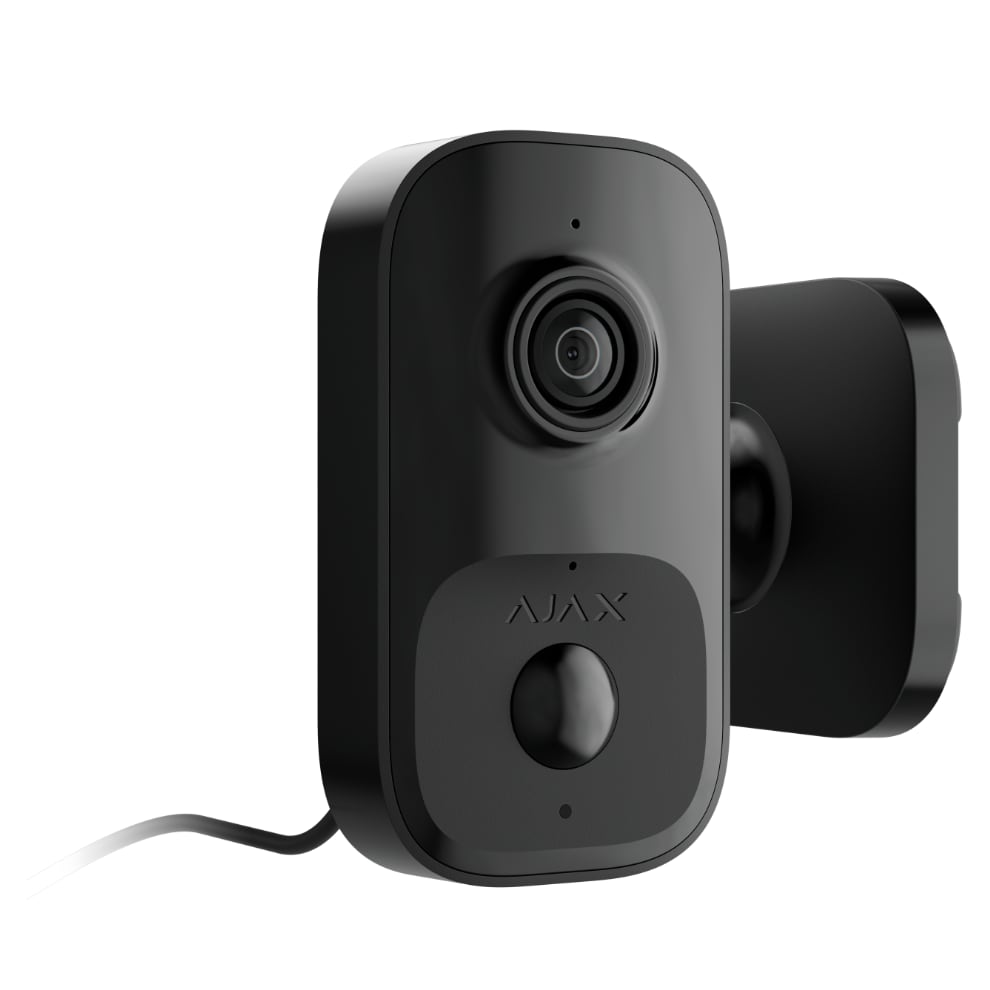
Power is 12 V at up to 8 W, meaning the supplied adapter and no PoE switches at all - for a single camera in a flat this is the simplest possible installation. At 235 g and roughly 128x76 mm it can stand on a shelf or a cupboard or be fixed to a wall; the supplied holding screw keeps it from being nudged out of aim and makes it harder to snatch. The archive can be written to a microSD card of up to 256 GB, sent to an Ajax NVR or kept in Ajax cloud storage - a card is usually enough for a home, while a business is better served by a card plus a recorder. Because the camera uses H.264, a rough guide is that a 256 GB card holds one to two weeks of continuous 4 MP recording, and considerably more if you record on events only. Bear in mind that the camera depends on Wi-Fi quality: 2.4 GHz passes through walls well, but in a block with a dozen neighbouring networks the channel should be set manually, otherwise the stream will break up in the evening when the air is busiest.
Is the premium justified, and how it differs from its neighbours here
Let us be blunt: IndoorCam is the most expensive indoor camera in this catalogue, and it stands next to models that look better on paper. Dahua DH-T5A-PV and Dahua DH-P5AS-PV offer 5 MP over Wi-Fi, Hikvision DS-2CV2141G2-IDW costs less, Imou IPC-S6DP-5M0WEB-E27 costs less and the pan-tilt Imou 3 MP PoE model is cheaper; if all you want is to look at your flat from a phone, any of them solves that for half the money. The difference begins where the camera has to be part of a security system: IndoorCam keeps its link through Jeweller and Wings when Wi-Fi is gone, lives in the same app as the Ajax detectors, obeys the arming modes and delivers video to the monitoring station together with the alarm. Inside the Ajax range there is an alternative too: DomeCam Mini HL is 2700 cheaper, shoots 5 MP and tolerates freezing temperatures, but needs an Ethernet cable and has neither a PIR sensor nor two-way audio. The rule is simple: with an Ajax hub already installed and a need for voice contact inside the room, IndoorCam earns its price; with no hub in place or planned, paying for the ecosystem makes little sense and this catalogue has better value elsewhere.
Tell us whether you already have an Ajax hub and which rooms need covering - we will point out where IndoorCam is genuinely the right answer and where a far cheaper camera does the same job.
Characteristics Ajax IndoorCam


Reviews about Ajax IndoorCam from real users
No reviews found







