The main scenario for the apartment: silence + reserve
For an apartment, the key value of the ASW6000H-S2 is the backup power mode (EPS/UPS logic) without the need for separate noisy UPSs. The series' technical data indicates EPS 5000 VA , peak 7500 VA (10 s) and switching time ≤ 10 ms , which helps to survive short network failures almost imperceptibly for some loads (router, lighting, workplace, automation).
Quick installation: "plug and play"
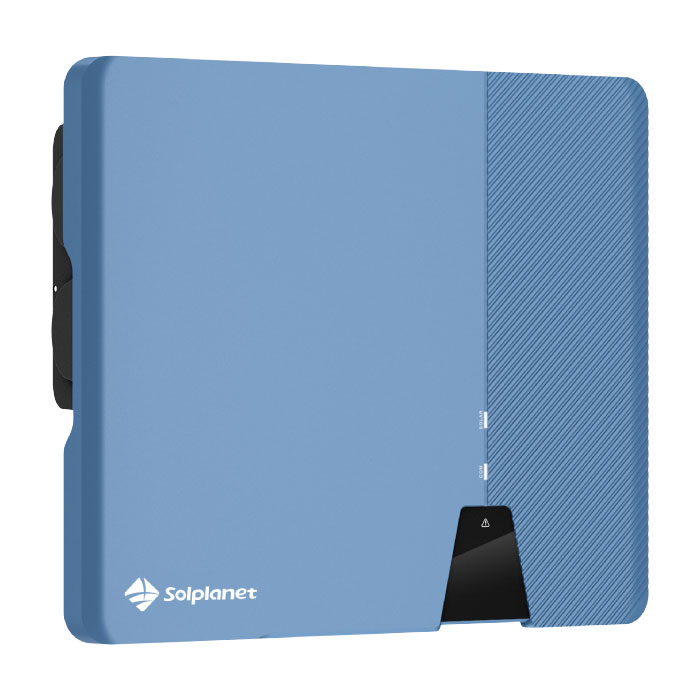
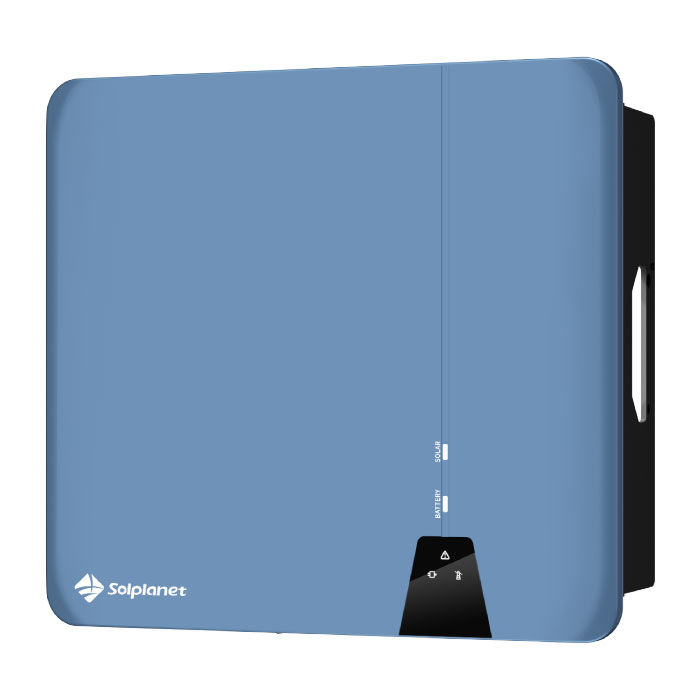
The model is focused on installation with "standard tools" and wall mounting. The manufacturer's documentation/materials emphasize quick & easy installation , compact format, and launch via the Solplanet application.
An important practical point for housing: the inverter has IP66 , so the housing and inputs are designed for difficult conditions (dust/moisture), but in an apartment this is more of a plus for reliability.
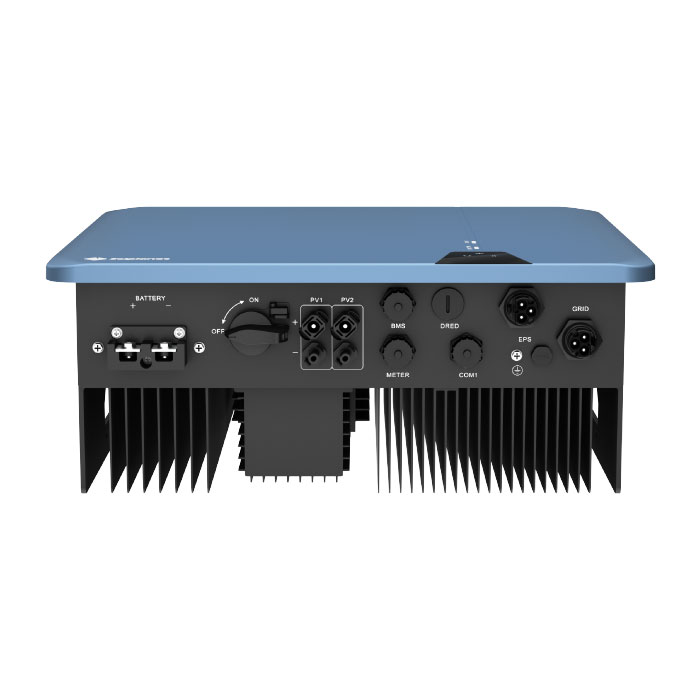
Battery compatibility: 48V LiFePO4 + BMS via CAN
ASW6000H-S2 works with low-voltage 48V batteries (operating range 40–60V ), supports LiFePO4 , and communication with the BMS is via CAN . Maximum charge/discharge currents are up to 100A , and charge/discharge power is up to 5000W .
The quick guide also states that lead-acid batteries are not allowed , and there is a requirement for the capacity of the lithium pack (guideline — 50 Ah or more ).
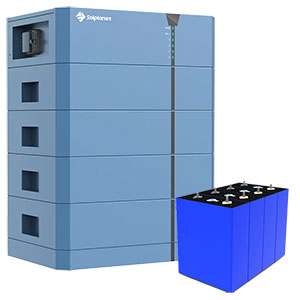
Examples of compatible batteries (official compatibility list for ASW3000/3680/4000/5000/6000H-S2):
Solplanet/AiSWEI : Ai-LB 5K / 10K, Ai-LB 5K Pro / 10K Pro, ASW5120-LB-E, ASW5120-LB-G3, etc.
Pylontech : US2000 / US3000, Force-L1/L2
Dyness : Powerbox (F-series), B4850
and other brands/models from the list (UZ Energy, Taico, Sunwoda, Soluna, SHOTO, BSL, etc.).
Since compatibility is tied to the firmware version/battery profile in the application, it is better to select the battery based on the current list and firmware requirements.
List of battery manufacturers supported by Solplanet AWS6000H-S2 inverters and list of third-party manufacturers
| | |
|---|
| Solplanet | Dowell | VREMT |
| Pylontech | Com(Lit...m Valley) | Narada |
| DYNESS | HAIDI | SEC POWER |
| UZ Energy | SOLUNA | SHOTO |
| TAICO | VREMT | Rahvolt |
| KNOX | Narada | Midea |
| Powerload | SEC POWER | Common |
| Sunwoda | SHOTO | PVSTAR |
| FEB | Rahvolt | Unipower |
| CFE | Midea | PYTES |
Home Assistant: what actually integrates
In the context of Home Assistant, the strength of the ASW6000H-S2 is the availability of popular integration paths without the "cloud" :
Modbus/RS485 : the Home Assistant community describes connecting Solplanet/AiSWEI inverters via RS485 Modbus and standard HA (Modbus integration) mechanisms to read inverter/meter/battery readings and build automations.
Ready-made integration (custom component) : there is an open-source integration for Home Assistant, which pulls up the inverter/battery/meter sensors and provides basic control capabilities.
A typical "apartment" automation scenario : when the system has switched to EPS/backup or the battery SOC has fallen below a given threshold - Home Assistant can turn off the boiler/warm floor/part of the sockets , leaving only critical lines (communication, lighting, workplace). Similar scenarios are directly mentioned in practical reviews of Solplanet integration with HA.

openHAB (OpenHub): logic and protocols
For openHAB, the typical approach is the same: Modbus Binding + manufacturer/community register map. The openHAB community emphasizes that many inverters are readable via Modbus even without a "native" binding, if there is documentation on the registers.
Data retrieval via the AISWEI/Solplanet cloud API is also discussed separately (when local access is limited or occupied by a meter/dongle), but this depends on the specific configuration and access policies.
"Parallel" for increasing power: how to interpret it correctly
ASW6000H-S2 is a single-phase inverter that normally operates in parallel with the network (on-grid) and quickly switches to off-grid/EPS.
If the goal is to increase capacity and battery life , it is easier: selecting and scaling a compatible 48 V battery bank (according to the compatibility list and BMS/CAN requirements).
But the summation of the AC power of several inverters into one single-phase output must be checked against the project and official circuitry/manufacturer support for a specific country and connection standards — in the open datasheet for H-S2, the emphasis is on network parallelism and EMS/EPS, and not on a multi-inverter "stack" as in classic off-grid solutions.
Summary for the SEO query “quiet hybrid inverter for an apartment + Home Assistant/openHAB” : SOLPLANET ASW6000H-S2 looks advantageous where passive cooling , low noise , emphasis on quick installation , 48-volt LiFePO4 batteries with BMS via CAN and clear integration into home automation via Modbus/API are needed.

 m. Сміла, Незалежності, 67г. оф, 406/6




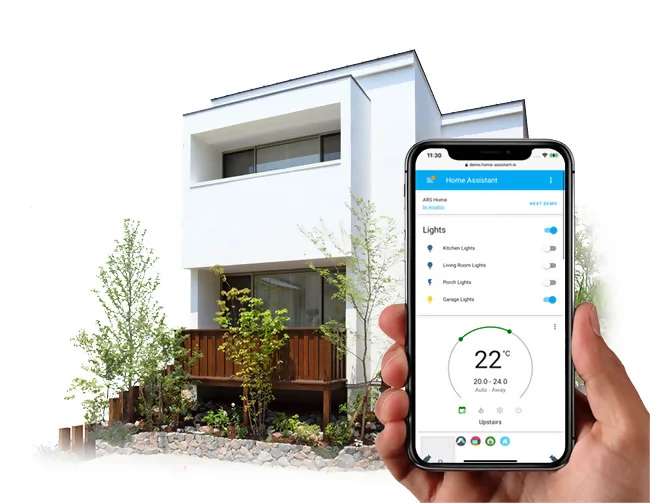

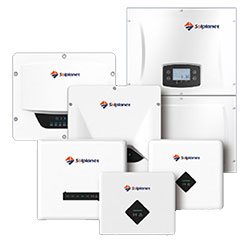







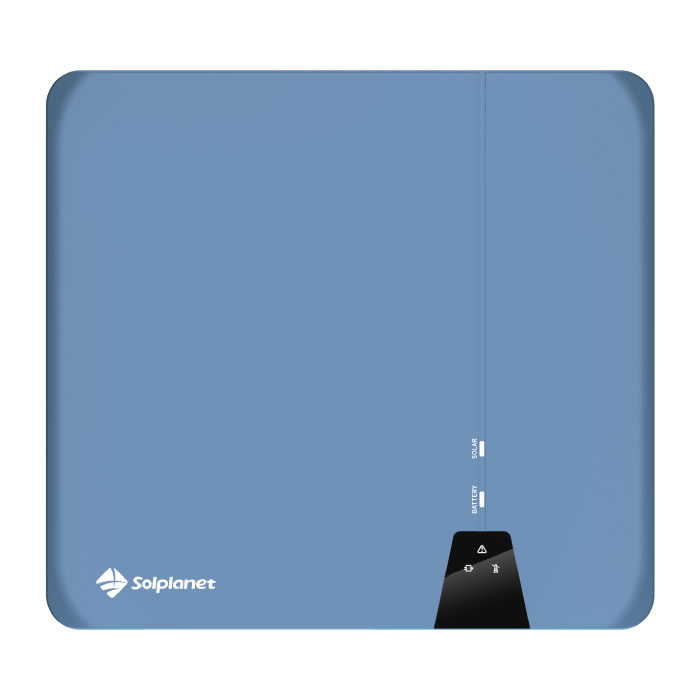
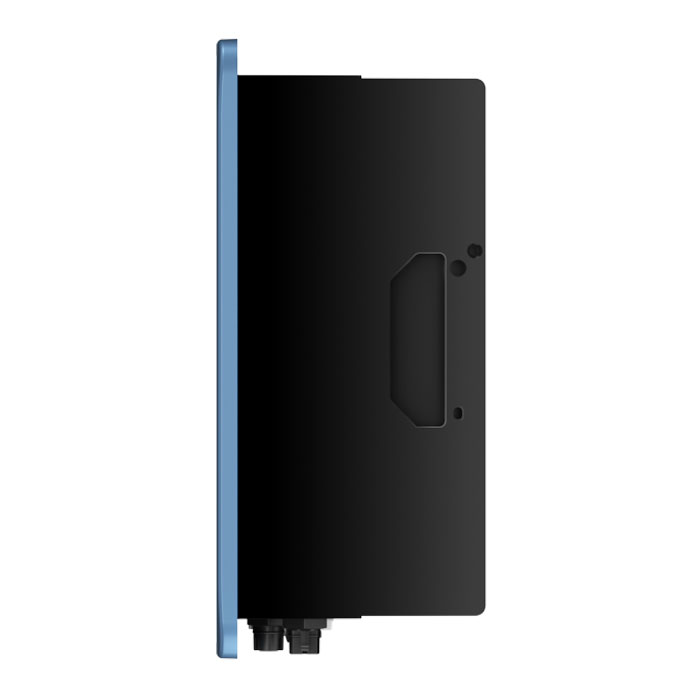



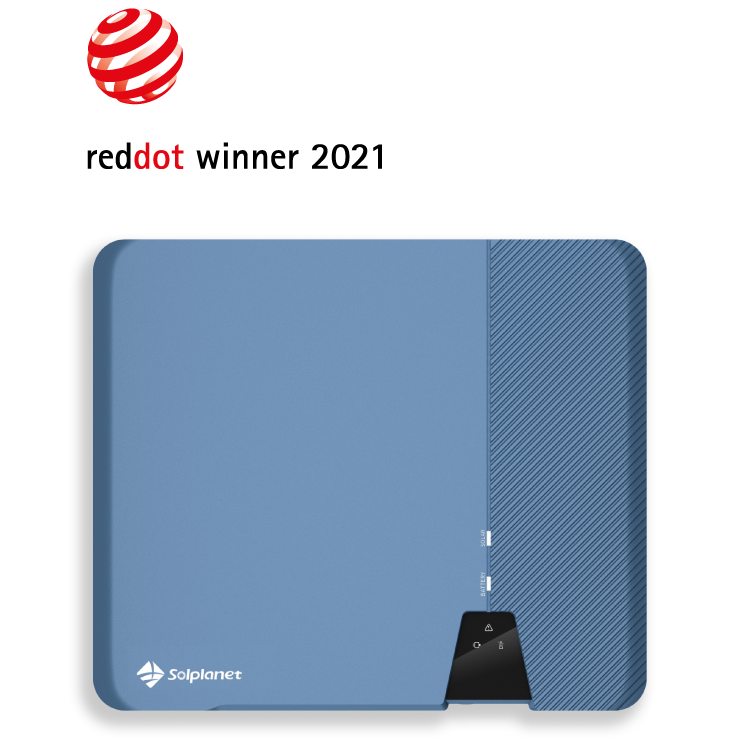
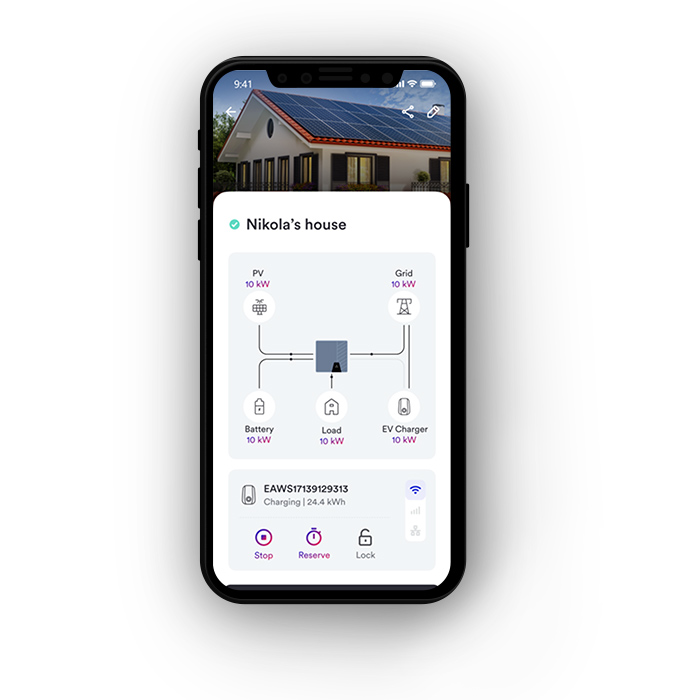 application. There is also a method of integration with a smart home based on Home Assistant . Which allows you to control the inverter centrally - from the control panel of the automation system.