Single-Phase Hybrid Inverters — the core of a home PV system with battery storage
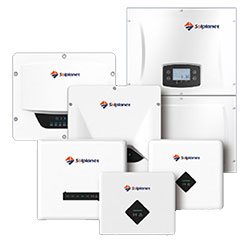
A single-phase hybrid inverter combines several functions in one unit: a grid-tied inverter for PV panels, a battery charger, and a backup power system. Its main purpose is energy management in a home: it prioritizes solar power for household loads, sends surplus to the battery, and when PV is insufficient it draws energy from the grid or a generator (depending on the model and wiring concept). These solutions are most commonly selected for apartments, private houses, cottages, and small offices with a 230 V single-phase supply.
Key benefits of hybrid inverters
-
Lower electricity bills through higher self-consumption: solar during the day, battery in the evening.
-
Backup power during outages: many models provide a dedicated backup output for critical loads (lighting, router, fridge, boiler controls, pumps).
-
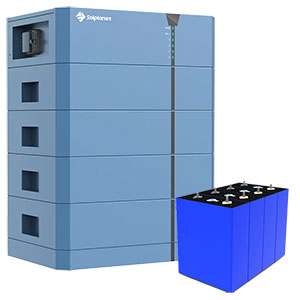
Flexible battery support: compatibility with popular batteries (including LiFePO4) and BMS communication in supported systems.
-
Monitoring and control: apps and web portals show PV production, household consumption, battery SOC, and daily/monthly statistics.
-
Safety and stability: protections against overload, overvoltage, short circuit, overheating; anti-islanding when operating with the grid is standard.
Typical use scenarios
-
Homes with frequent outages: the inverter keeps critical circuits powered and charges the battery from PV.
-
Maximum day/night autonomy: PV charges the battery in daytime; the home runs from stored energy in the evening.
-
Tariff-based energy management: with time-of-use tariffs, the inverter can help reduce grid usage during expensive hours (depending on model features).
-
Peak load support: the battery can “cover” short peaks, reducing stress on the grid connection.
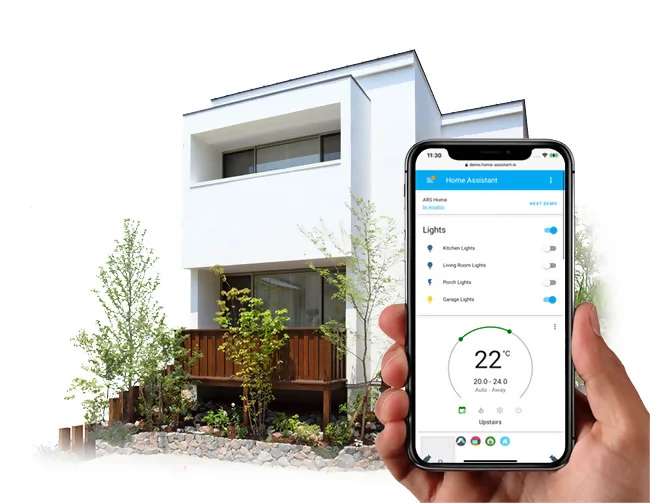
Smart home integration: Home Assistant, openHAB, Domoticz and more
Hybrid inverters fit naturally into a smart home because they provide valuable data: PV power, home consumption, battery SOC, grid import/export, and operating modes. In Home Assistant, openHAB, Domoticz and similar platforms, these values can drive automations such as:
-
turning on a water heater or underfloor heating when there is excess PV generation;
-
reducing consumption while running on battery by switching off non-critical loads;
-
sending alerts for low SOC, grid loss, or switching to backup mode;
-
building energy dashboards and smart load-shifting scenarios.
Integration is typically done via local protocols (Modbus RTU/TCP, LAN/Wi-Fi) or via manufacturer cloud portals (when the automation system supports relevant integrations/plugins). This turns the inverter from a power device into an active element of the home energy ecosystem.
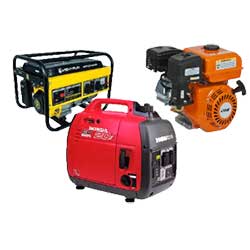
Working with generators
For sites where a generator is a real requirement, hybrid inverters can be useful because (when the model supports the needed input/mode) they can:
-
accept generator power as a backup source;
-
charge the battery from the generator with current/power limits to avoid overloading the engine;
-
in some setups, support automatic generator start via relays or ATS (depending on the model and configuration).
Power scaling: parallel operation
As household demand grows (electric heating, workshop tools, air conditioning, EV charging), parallel operationbecomes important. In models that support parallel connection, it is possible to increase total system power and strengthen backup capacity without replacing the entire system—provided the system is designed correctly and parameters are matched.
Who this category is for
If you want to buy a single-phase hybrid inverter for a home, cottage, or small office, this category is a practical starting point. These solutions combine PV generation, battery operation, backup power, smart-home integration, and a clear upgrade path for future expansion. When selecting a model, consider load power, battery type and capacity, generator support, parallel capability, and monitoring options.

 m. Сміла, Незалежності, 67г. оф, 406/6