
 m. Сміла, Незалежності, 67г. оф, 406/6























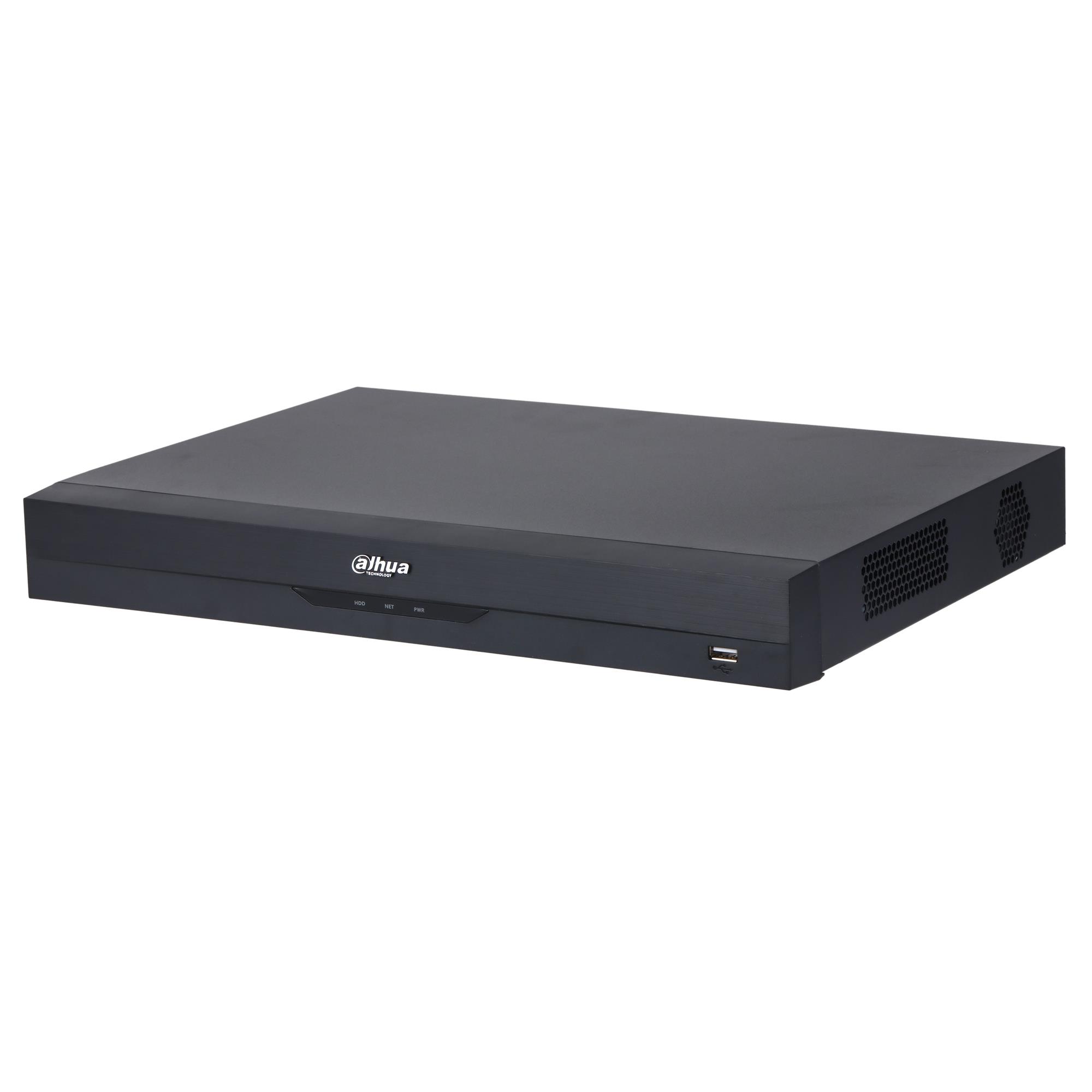
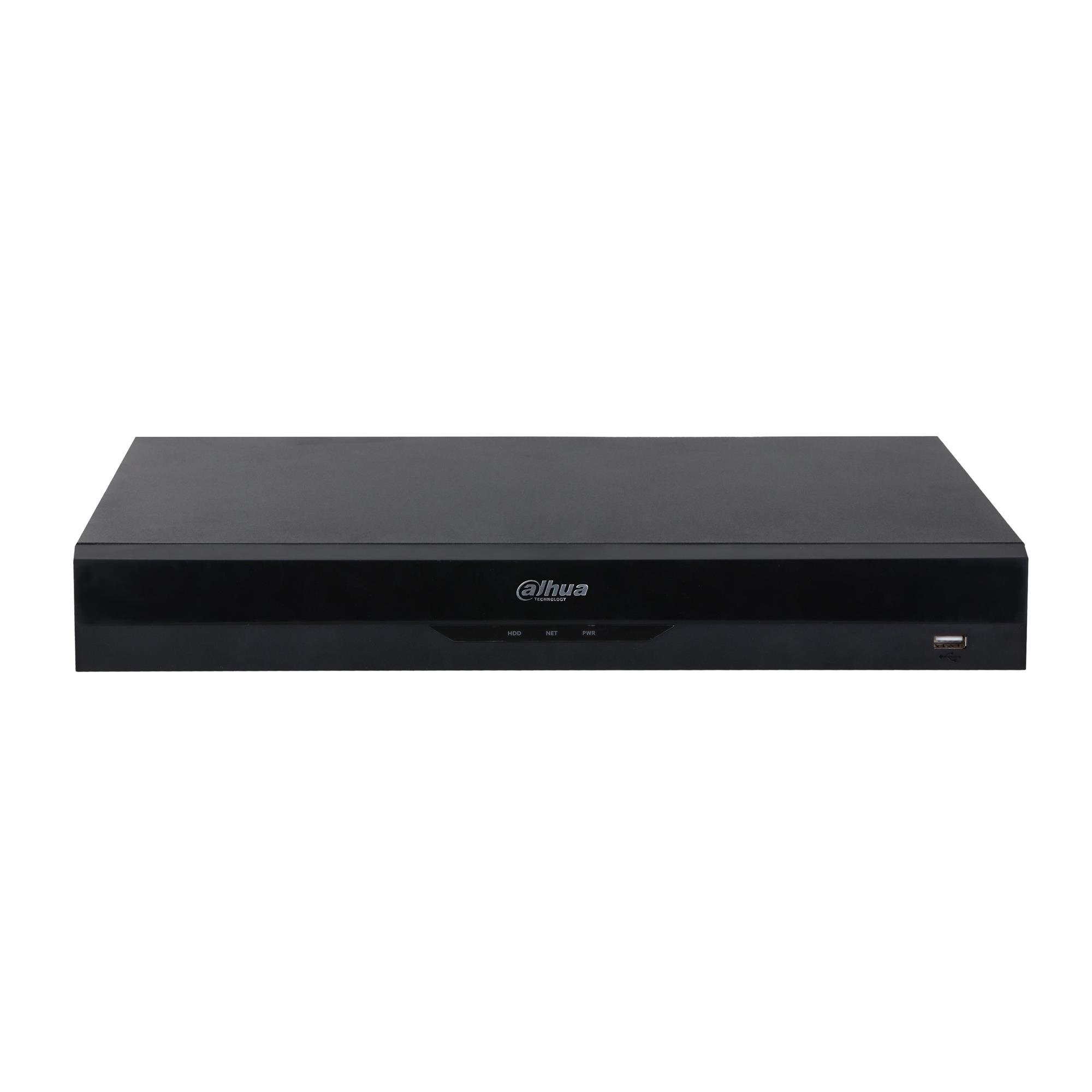
DAHUA DHI-NVR2208-I2 (8 CHANNELS, LICENSE PLATE RECOGNITION) - IP VIDEO RECORDER



Description Dahua DHI-NVR22xx-I2
A pure network recorder with eight channels, and why that matters
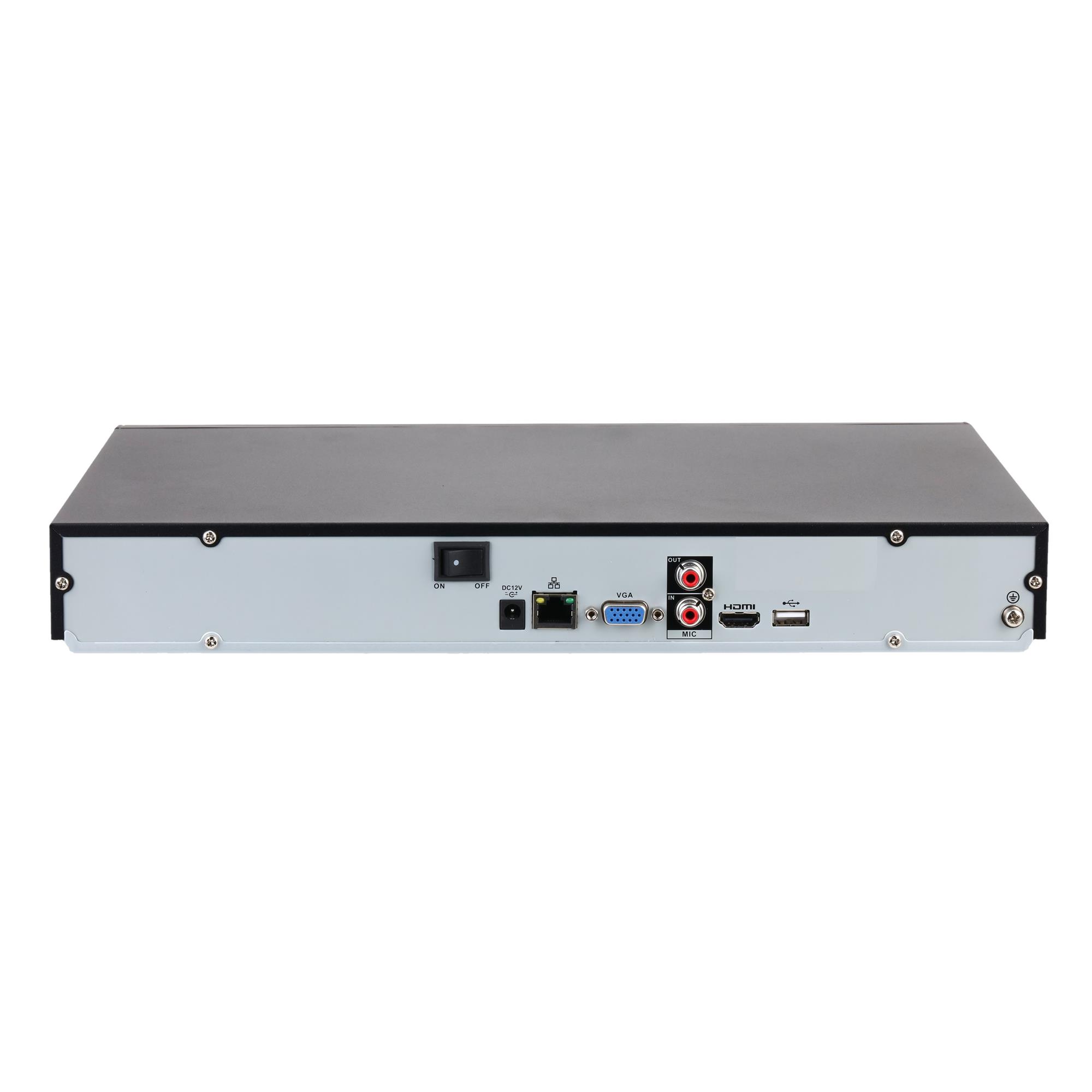
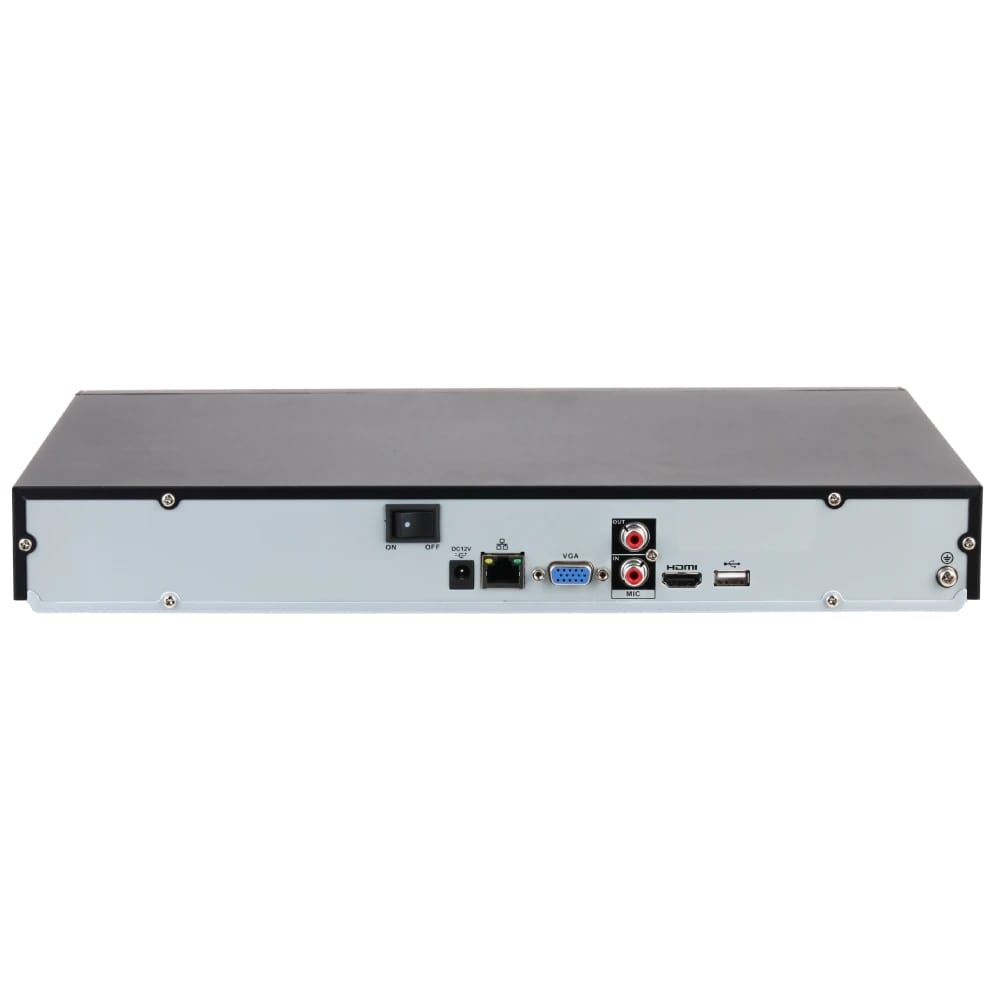
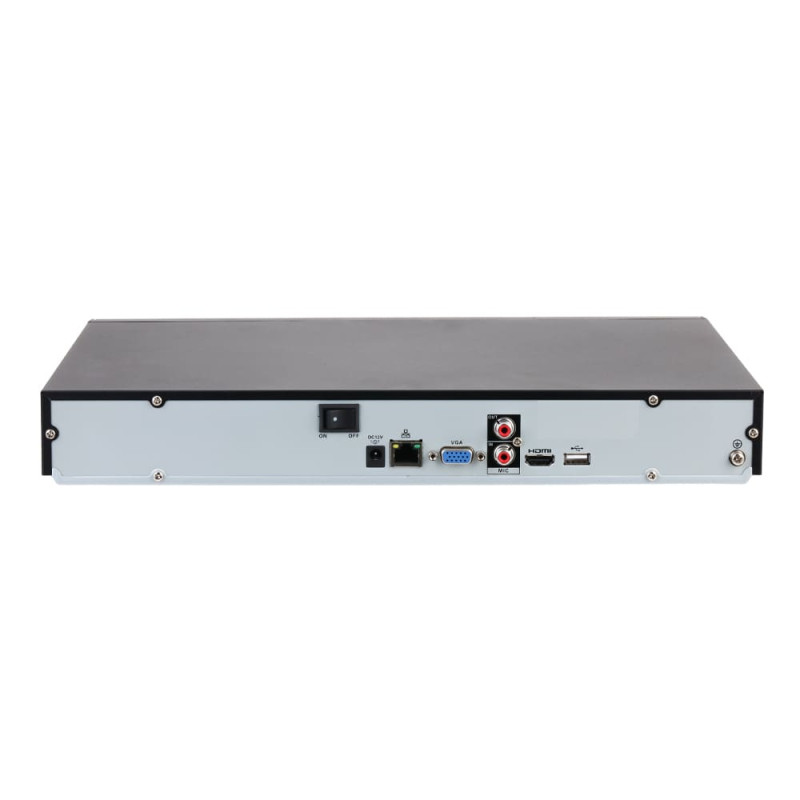
The DHI-NVR2208-I2 is a pure NVR: all eight channels accept IP cameras only, and there is not a single BNC socket for coaxial cable on the rear panel. On a site where cabling is still ahead of you, or where twisted pair is already being pulled, that is exactly what you want — network cameras deliver up to 12 MP per channel, carry audio, run analytics inside the camera itself, and the system grows by simply plugging one more camera into the switch. Where it does not fit is a building that already has working coax from an older analogue system; for that job the catalogue offers hybrid XVRs such as the Dahua DH-XVR5216AN-I3, which takes HDCVI and IP at the same time. The wiring always looks the same: cameras go into a switch, the recorder joins the same switch with one cable, and from there it feeds the monitor and the mobile app itself. There is a single RJ-45 port, so cameras and office computers end up in one network segment — give the cameras their own VLAN, or at least their own address range, so that video traffic does not compete with everything else.
No PoE on board: how to size the switch and the power budget
This is the detail that most often sends an installer back to the shop for extra hardware: the NVR2208-I2 has no PoE ports, so every camera is powered either from its own adapter or from an external PoE switch that belongs in the quote from day one. The arithmetic is straightforward — a typical 4-8 MP outdoor camera with IR illumination draws 5-8 W, eight of them come to 40-65 W, and an eight-port switch with a 60-120 W PoE budget covers that comfortably. If any of the cameras has a heated window, a powerful white-light illuminator or a PTZ motor, it needs an 802.3at port rated to 30 W rather than a basic 802.3af one; feed it from a weak port and it will boot and reboot in a loop. The recorder itself runs on 12 V / 4 A and draws around 10 W without disks, so together with the switch and two hard drives the real load on a UPS lands somewhere around 100-150 W, which lets an inexpensive unit keep recording for 20-40 minutes through an outage. The missing PoE has a flip side that some projects actually benefit from: the switch can sit closer to the cameras, in the middle of the site, and then the 100-metre twisted-pair limit is measured from the switch rather than from the rack.
Two bays for disks up to 10 TB each: the real archive depth
The chassis holds two SATA drives and each bay accepts a disk of up to 10 TB, which puts the ceiling at 20 TB without any external storage. As a reference point, one 4 MP channel recording continuously in H.265 consumes roughly 40-45 GB a day, eight such channels about 340 GB a day, and a full 20 TB therefore buys you something close to 55-60 days of uninterrupted archive. Drop the cameras to 2 MP and the daily appetite almost halves, stretching the same array to three or four months; push them to 8 MP at maximum quality and a month is the honest expectation. The second bay also opens a possibility that often matters more than raw capacity — splitting streams between disks or setting up redundancy so that one failed drive does not take the whole archive with it, and that is precisely what separates this model from single-disk recorders in the same class. Keep in mind that there is no hot swap here: adding a second disk or replacing a failed one means powering the unit down and opening the case, which is a good reason to fit both drives during the initial installation.
WizSense and SMD Plus: alerts about people and vehicles, not branches
The recorder is built on the WizSense platform, which means the analytics run inside the box even when the cameras themselves are simple and recognise nothing at all. SMD Plus (Smart Motion Detection) separates a human figure and a vehicle from everything else that moves in frame, so night rain, the shadow of a tree, a cat on the fence or a branch in the wind stop generating notifications. The practical value is exactly there: a system without filtering collects several hundred empty alarms in a week, the owner switches push off, and video surveillance quietly degrades into an archive nobody looks at until after something has happened. On top of that the unit provides one channel of face detection and recognition (AI by NVR), perimeter protection with tripwires and zones, and licence-plate recognition, all of it working over ordinary cameras with no analytics of their own. One limit is worth knowing in advance: there is a single face-recognition channel, so it gets assigned to the one point that matters most — the entrance door, the till, the gate — rather than spread across all eight cameras.
Up to 12 MP recording, 80 Mbps of inbound stream, and the decoding ceiling
The unit accepts streams up to 12 MP per channel and supports the whole working ladder below that — 8, 5, 4, 3 and 2 MP, 720p — so cameras can be mixed freely without matching them to the recorder first. Total inbound bandwidth is capped at roughly 80 Mbps, and that is a real limit in practice: eight 8 MP cameras at maximum quality sit right against it, so with large sensors it is wiser either to trim the bitrate in the camera settings or to keep 8 MP only on the key viewpoints. Smart H.265+ and Smart H.264+ cut the footprint of a static scene several times over, and the storage figures above assume them; MJPEG is supported too, but there is no sensible reason to use it for continuous recording. The local decoding ceiling deserves separate attention — it sits near six 1080p streams at 30 fps, so laying out all eight cameras in full quality on one screen is not possible: in multi-view the recorder switches cameras to their sub-stream and reserves full quality for the pane you expand. Video outputs are HDMI and VGA at up to 1920×1080, and they can drive two monitors at once; there is no 4K output on this model, which is noticeable on a large control-room television.
Sites this configuration suits, and sites where something else is better
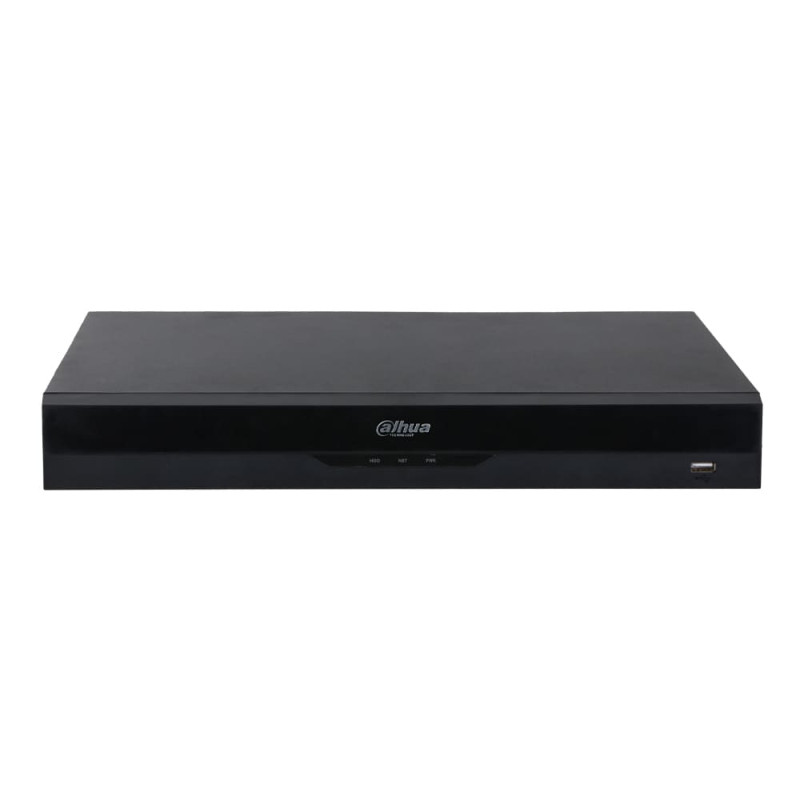
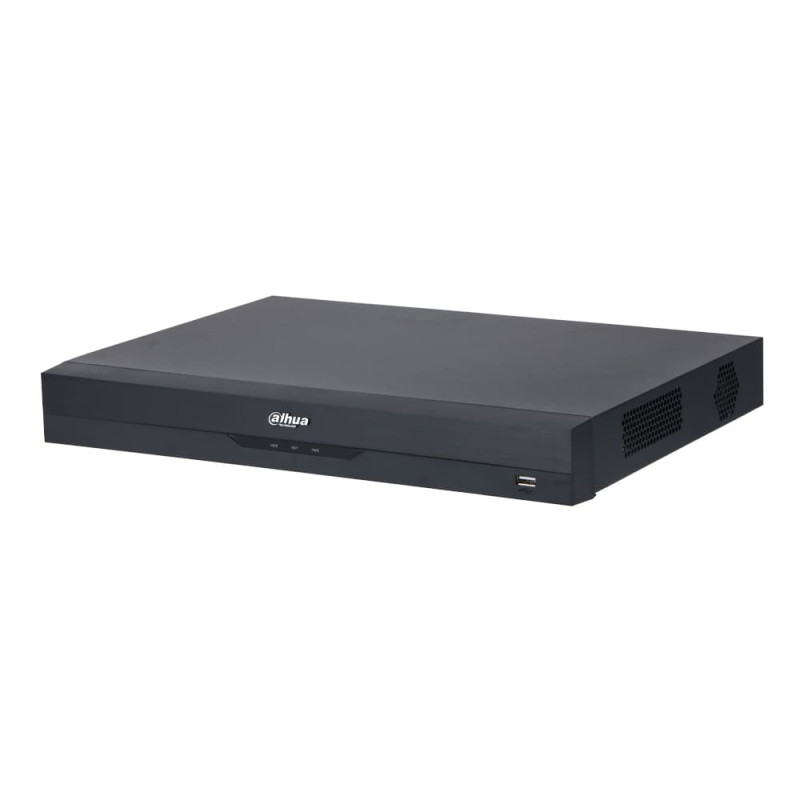
Eight channels with two disks is the classic shape of a small shop, a service station, a warehouse or a café: the sales floor, the till, the entrance, the back room, the yard and the parking spaces are covered by six or seven cameras, and one channel is worth keeping spare for the camera everyone wants to add right after the first incident. For a private house the model earns its place when the perimeter is stretched out — a long fence, several gates, outbuildings — and when the archive has to be deep, because two disk bays are what let you keep months rather than weeks. An operating range of -10…+55 °C and IP20 protection say one thing clearly: the recorder lives indoors, in a cabinet or on a shelf, never in an unheated container or outside under an awning. The 375×284×53 mm case weighing 1.5 kg is designed for a shelf or a 19-inch rack with a tray, not for wall mounting behind a monitor. If you need more than eight channels, or more than a dozen cameras are planned, go straight to a 16-channel model — growing into one later means replacing the recorder and reconfiguring the whole system from scratch.
How it differs from neighbouring Dahua recorders in this catalogue
Its closest relative here is the Dahua DHI-NVR2108-8P-I2: same series, same WizSense analytics, the same eight channels, but with eight PoE ports built in — and if you are building from scratch with every camera within 100 metres of the recorder, that version is simpler and cheaper overall because it removes the separate switch entirely. The NVR2208-I2 wins where a PoE switch already exists, where cameras are spread across a large site in several clusters, or where two disk bays are the actual requirement for a long archive. The Dahua DHI-NVR2116HS-I2 doubles the channel count but carries only one disk, so with sixteen cameras its archive depth will be markedly shorter than what this model gives on eight. The junior DHI-NVR1108HS-8P-S3/H line is a noticeably more affordable alternative with eight PoE ports, yet it holds a single disk capped at 8 TB and its analytics are thinner than second-series WizSense. And if the building already has live coax with analogue cameras on it, none of these NVRs is the right purchase — then you want a hybrid such as the DH-XVR5216AN-I3, which preserves the existing cabling and lets you add IP cameras gradually.
Tell us how many cameras you are planning and how far they sit from the equipment room, and we will size the PoE switch, the disk capacity for the archive depth you need, and confirm whether eight channels are enough.
Characteristics Dahua DHI-NVR22xx-I2
Reviews about Dahua DHI-NVR22xx-I2 from real users
No reviews found







