
 m. Сміла, Незалежності, 67г. оф, 406/6























DAHUA DH-XVR51xxHS-5M-I3/T (16 ANALOG + 8 IP) - HYBRID VIDEO RECORDER

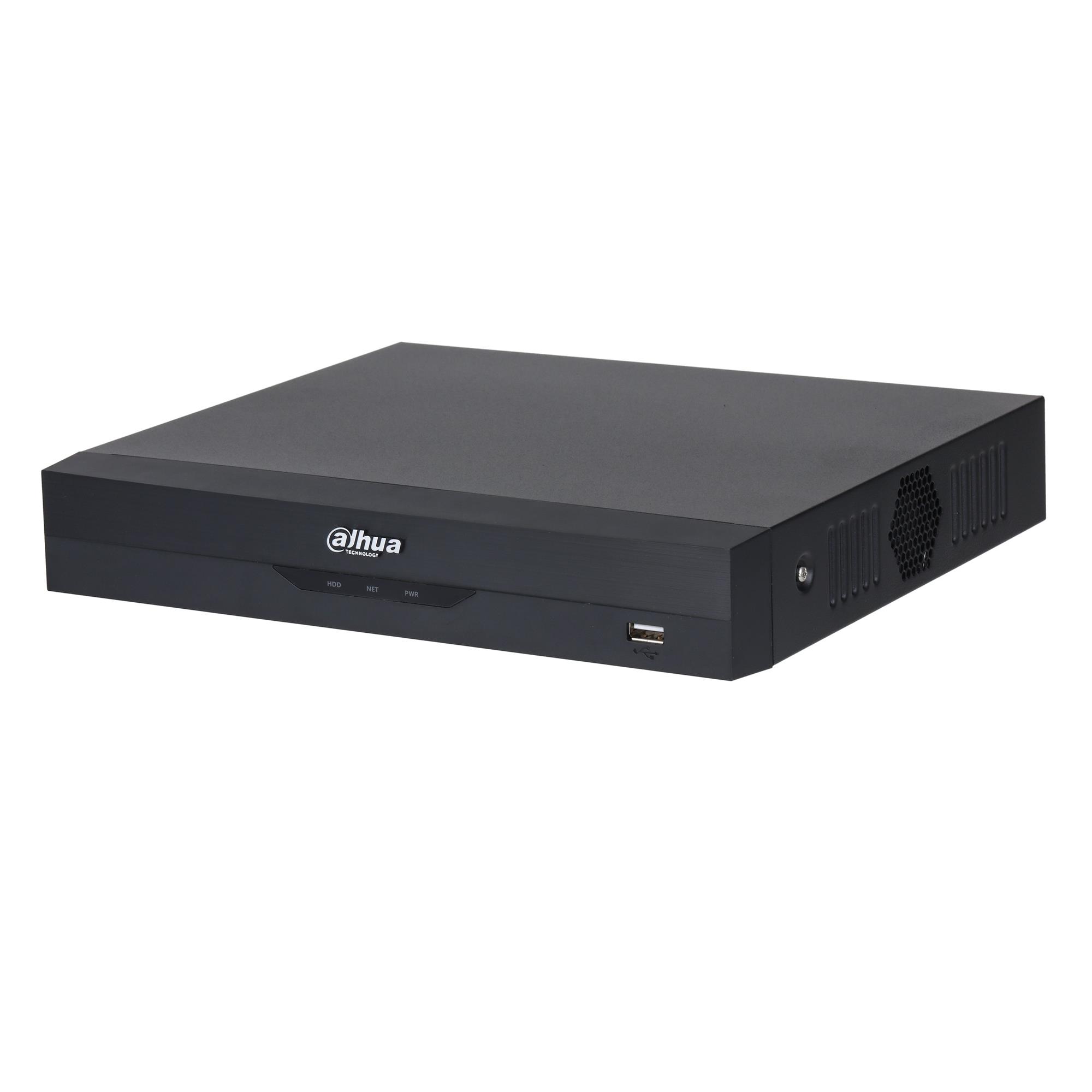
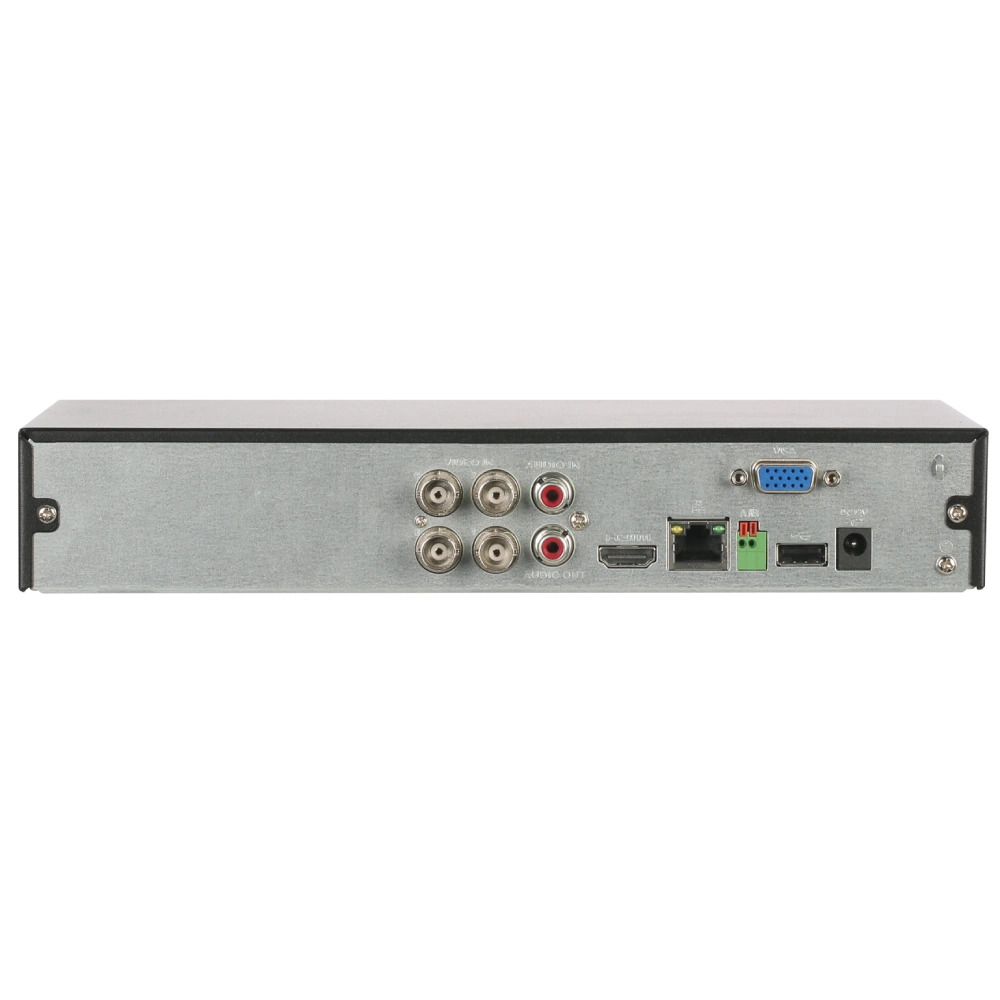
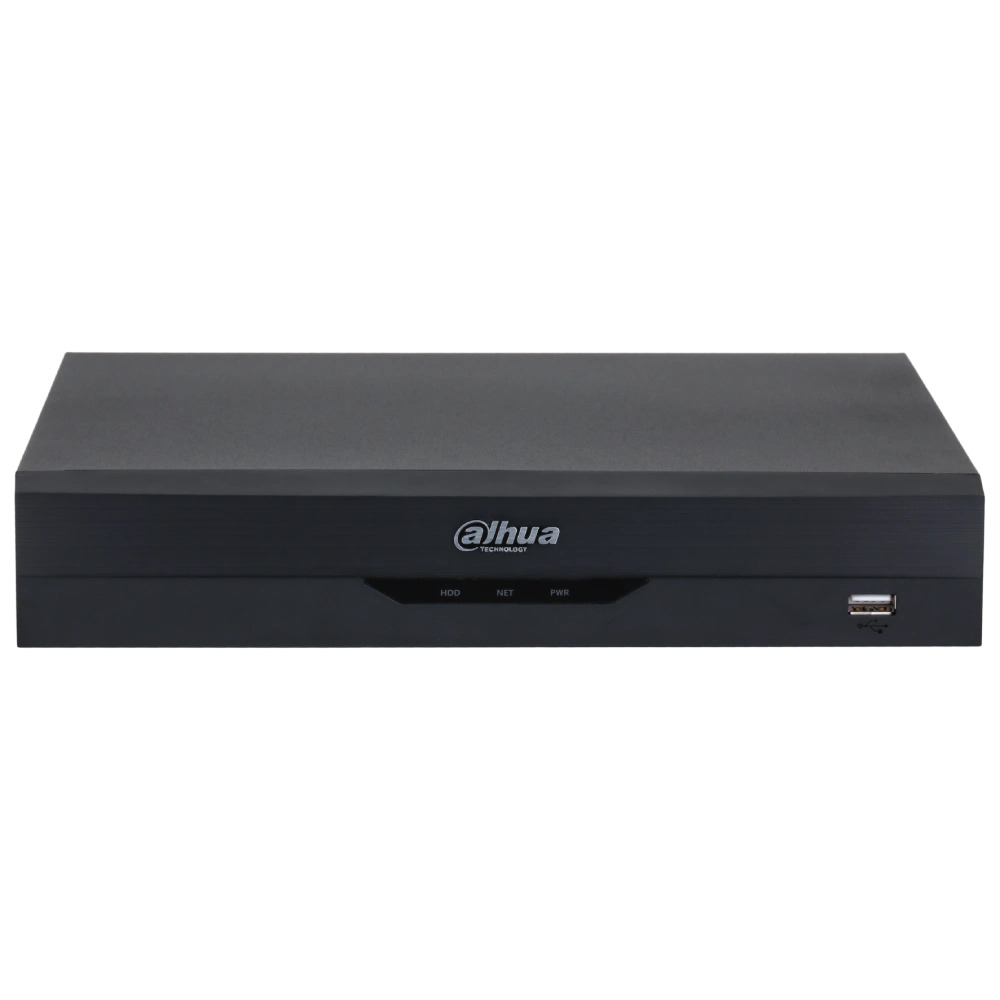
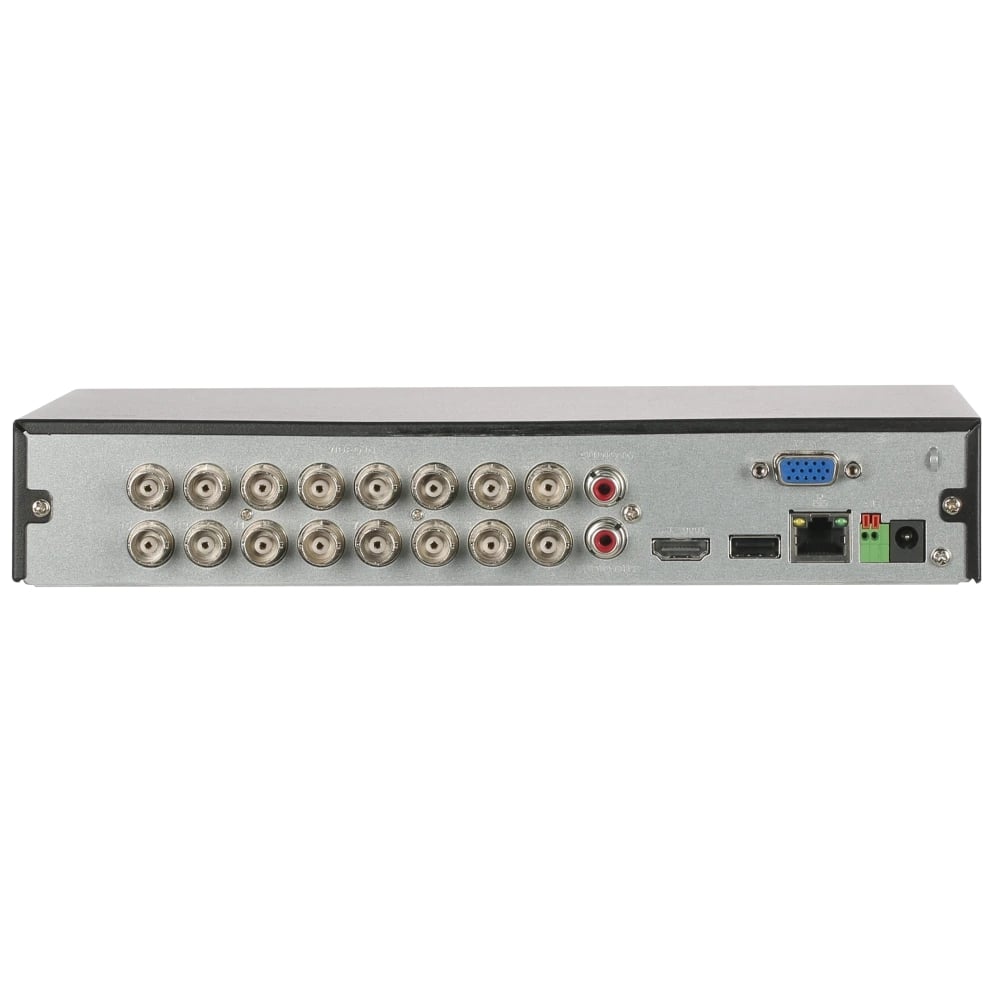


Description Dahua DH-XVR51xxHS-5M-I3/T
Five video formats on the very same inputs
The XVR prefix is not marketing dressing: every BNC input on this recorder accepts HDCVI, AHD, TVI and plain CVBS analogue signals, while the unit simultaneously pulls IP cameras over the local network. On a site where coax already runs inside walls or under paving, that single property decides the project — an ageing DVR is swapped for this one without touching a metre of cable and without cutting channels for twisted pair. The same trait makes staged upgrades painless: working analogue cameras stay on coax, and the new positions that genuinely need 4 or 6 megapixels and sensible analytics join as IP over Ethernet. Signal type is detected per channel automatically, so a mixed estate of cameras from different generations and different vendors comes up without manual trial and error in the menus. The price of that flexibility is honest enough to state plainly: a pure network recorder in the same class delivers more pixels per channel, so on a site with no coax at all you would be paying for a capability you will never use.
Channel count and how it splits between analogue and IP
The XVR51xxHS-5M-I3/T line ships in 4, 8 and 16 analogue channel versions, which means you buy the size the site actually needs instead of the largest box on the shelf. IP cameras sit on top of the analogue inputs: in the full 16-channel configuration that is 16 analogue plus 8 network streams, 24 cameras on one chassis, and in pure IP mode the analogue channels convert into network ones. Those IP channels take cameras up to 6 megapixels, more than the analogue path itself can carry, so the gate or the till area belongs there whenever fine detail matters. The real ceiling is not the row count in the menu but total throughput: incoming bandwidth is 32 Mbps on the 4-channel version and 128 Mbps on the 16-channel one, and a plan with sixteen cameras at 8 Mbps each runs straight into that number. The practical rule follows by itself — keep a spare input or two, but calculate the bitrate budget before purchase, or several channels will end up demoted to a lower profile.
5MP, the 5M-N format, and the detail-versus-motion trade-off
Analogue channels record at 5 megapixels, but it is worth knowing that this is the 5M-N format: 5MP at 12 frames per second, whereas 1080p mode runs at a full 25. The gap is not academic — 12 frames are plenty for a person walking across a yard, yet a car at 40 km/h covers roughly three metres between consecutive frames, and a plate can simply fall outside every sharp frame when you step through the recording. The sensible layout is therefore mixed: keep the perimeter and the yard at 5MP and 12 frames, switch the driveway channel to 1080p at 25 frames, and the recorder lets you do that per channel rather than through one global toggle. Smart H.265+ on this platform adds its own scene analysis, coding a static background coarsely and moving objects in detail, so an empty yard at night produces a stream several times smaller than H.264 would. The HDMI output goes up to 3840x2160, which matters once sixteen tiles share one screen — on a 4K monitor each window still carries readable detail instead of dissolving into blocks.
One drive up to 16TB: what that means in days of footage
The chassis takes a single SATA drive of up to 16TB, and that is enough depth for a retention policy most private sites never exhaust. A workable rule of thumb for H.265: a 1080p channel at 25 frames eats roughly 20GB a day, a 5MP channel at 12 frames roughly 30GB. Four 1080p cameras on a 2TB disk therefore give about 25 days of continuous recording, eight of them on 4TB give much the same 25 days, and a full sixteen analogue channels at 1080p on a 16TB disk hold around 50 days; push all sixteen to 5MP and depth drops to roughly 33 days. Event-based recording on secondary channels can double those figures, but it has no place on an entrance or a driveway, because an event the analytics missed will simply not exist in the archive. The main limitation of the model lives in the same bay: one slot, no RAID and no hot swap, so a dead drive takes the whole archive with it — where footage may end up as evidence, plan for a two-bay recorder or a routine of exporting the fragments that matter.
WizSense analytics: SMD Plus, perimeter rules and faces
Analytics run on the recorder itself, which is the decisive detail in a hybrid system: an analogue camera understands nothing about the scene, so all the intelligence of a budget coax estate lives inside the XVR. SMD Plus separates people and vehicles from branches, shadows, rain and cats, and that is precisely the function that makes notifications worth leaving switched on — classic motion detection on an outdoor camera produces dozens of false alarms a night, after which the owner mutes push messages and the system stops working as security at all. Perimeter protection sits above it: a virtual line on four channels catches a fence being crossed or a restricted zone being entered rather than any movement in frame, so a neighbour walking past the fence raises nothing. Face detection, face recognition and fast retrieval of a person from the archive are also there, limited to one channel on the junior versions, which is why faces belong on the entrance where people walk towards the lens. What is absent is equally worth stating: no licence plate recognition, no people counting and no heat maps, so a barrier that opens by plate needs a different platform entirely.
Power, wiring and mounting with no unpleasant surprises
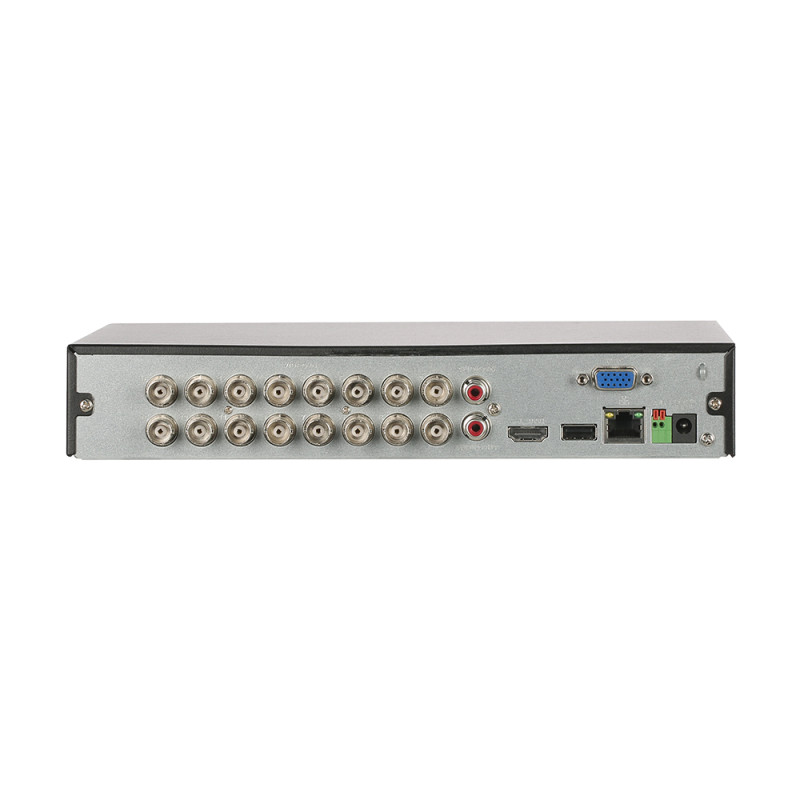
There are no built-in PoE ports here, which is normal for a hybrid — analogue cameras are fed by a separate 12V supply rather than through the cable, so the budget needs a power unit sized to the camera count, plus an ordinary PoE switch or injector for the IP side. The recorder itself draws about 5W without a disk and runs from an external 12V 1.5A adapter, so the whole node including the hard drive sits comfortably on a small UPS and keeps recording through a blackout instead of rebooting with a damaged file system. The rear panel offers HDMI and VGA driving two independent monitors, two USB ports for the mouse and for exporting clips to a stick, an RS-485 port for controlling a PTZ camera over coax, and one gigabit RJ-45; alarm inputs and outputs, eSATA and RS-232 are not fitted, so an external siren needs its own module. The 1U case measures 260x238x48mm and weighs 0.84kg, fitting a shelf or a small cabinet, while IP20 protection and a -10 to +45C operating range put it firmly indoors rather than in an unheated roadside box in January. Control is by mouse locally and over the network, up to 128 user accounts are supported, and clients exist for Windows, macOS, iOS and Android; there is no onboard Wi-Fi, so a cable to the router is mandatory.
Where it belongs and what jobs it was built for
The natural home for this model is a site with living coax: a private house wired a decade ago, a small shop, a car service, a warehouse or an apartment block entrance where analogue cameras hang on the walls and nobody intends to take them down. Here the recorder solves the problem at minimum cost, giving you 5 megapixels instead of old 720p, H.265 instead of H.264, modern analytics and a phone app without a single new cable. The second typical case is a long, stretched site where Ethernet's 100-metre limit makes IP awkward: a good coax run carries HDCVI several hundred metres without amplifiers, and for a long fence, a driveway or a hangar that is often the only answer that avoids intermediate switches. For a new build wired from scratch, though, a hybrid makes little sense — there a PoE NVR gives 8 megapixels per channel and powers the cameras down the same cable. It is equally the wrong choice where you need plate recognition, alarm loops or a mirrored archive across two disks.
How it differs from the neighbouring models in this catalogue
Its closest relative on these shelves is the Dahua DH-XVR51xxC-I3/T: the same platform in a compact case, but four analogue channels plus two IP and 1080p recording, which is the right answer for a small site that will never need 5MP or sixteen inputs. The Dahua DH-XVR41xxHS-I/T is a simpler junior line with four analogue and a single IP channel, worth buying deliberately as a minimal replacement for an old DVR rather than as a system you plan to grow. Looking the other way, the Dahua DH-XVR5216AN-I3 offers sixteen channels in a full-size chassis with alarm inputs and outputs and per-channel audio, which is shop-with-tills territory where the recorder has to drive external devices. The neighbouring DH-XVR5108HS-4KL-I3/T handles eight channels but records up to 6 megapixels with four times the incoming bandwidth, so when the plan stops at eight cameras and detail matters, stepping up to the 4K-L version is justified. And if there is no coax on site at all, the comparison should leave the XVR family altogether: the Dahua DHI-NVR21xx-I2 and DHI-NVR2116HS-I2 give more pixels per channel, while the DHI-NVR2108-8P-I2 and DHI-NVR1108HS-8P-S3/H also power eight cameras over the same cable and remove the separate supply from the bill of materials.
Tell us how many cameras are already installed and what type they are, and we will work out which version of the series and which disk size match the retention depth you actually need.
Characteristics Dahua DH-XVR51xxHS-5M-I3/T
Reviews about Dahua DH-XVR51xxHS-5M-I3/T from real users
No reviews found







