
 m. Сміла, Незалежності, 67г. оф, 406/6























REOLINK RP-PCV8MZ (8 MP/2.7-13.5 MM) - DOME PoE IP CAMERA WITHOUT CLOUD

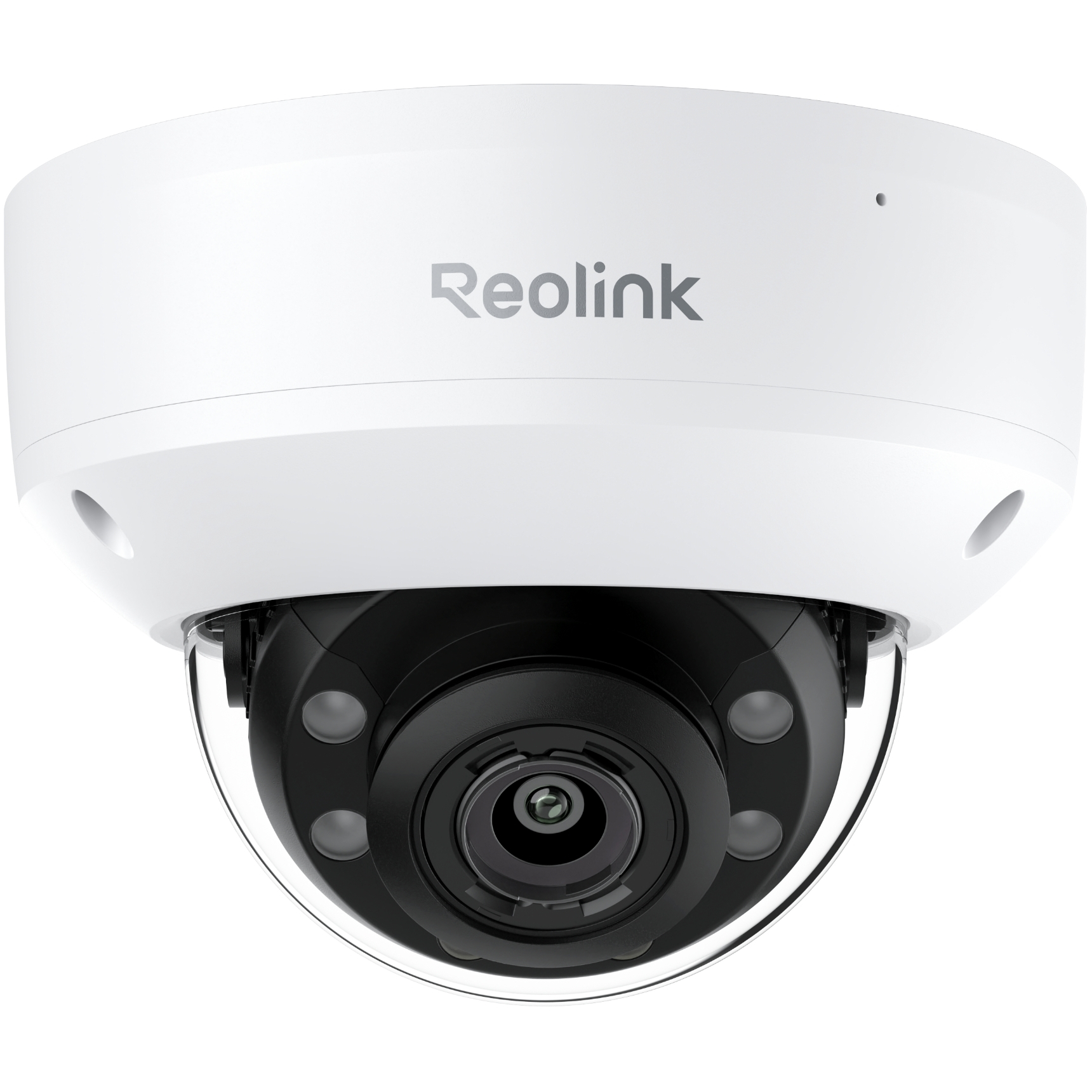
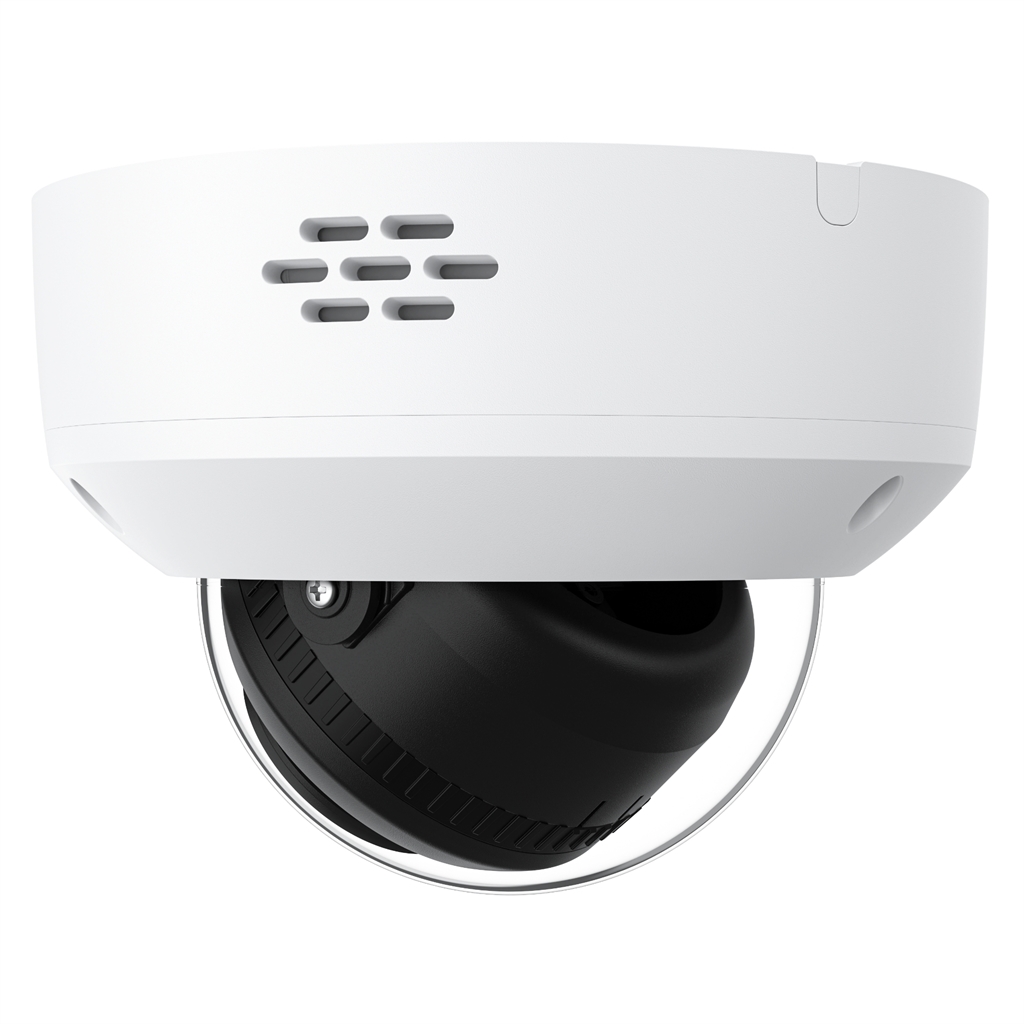
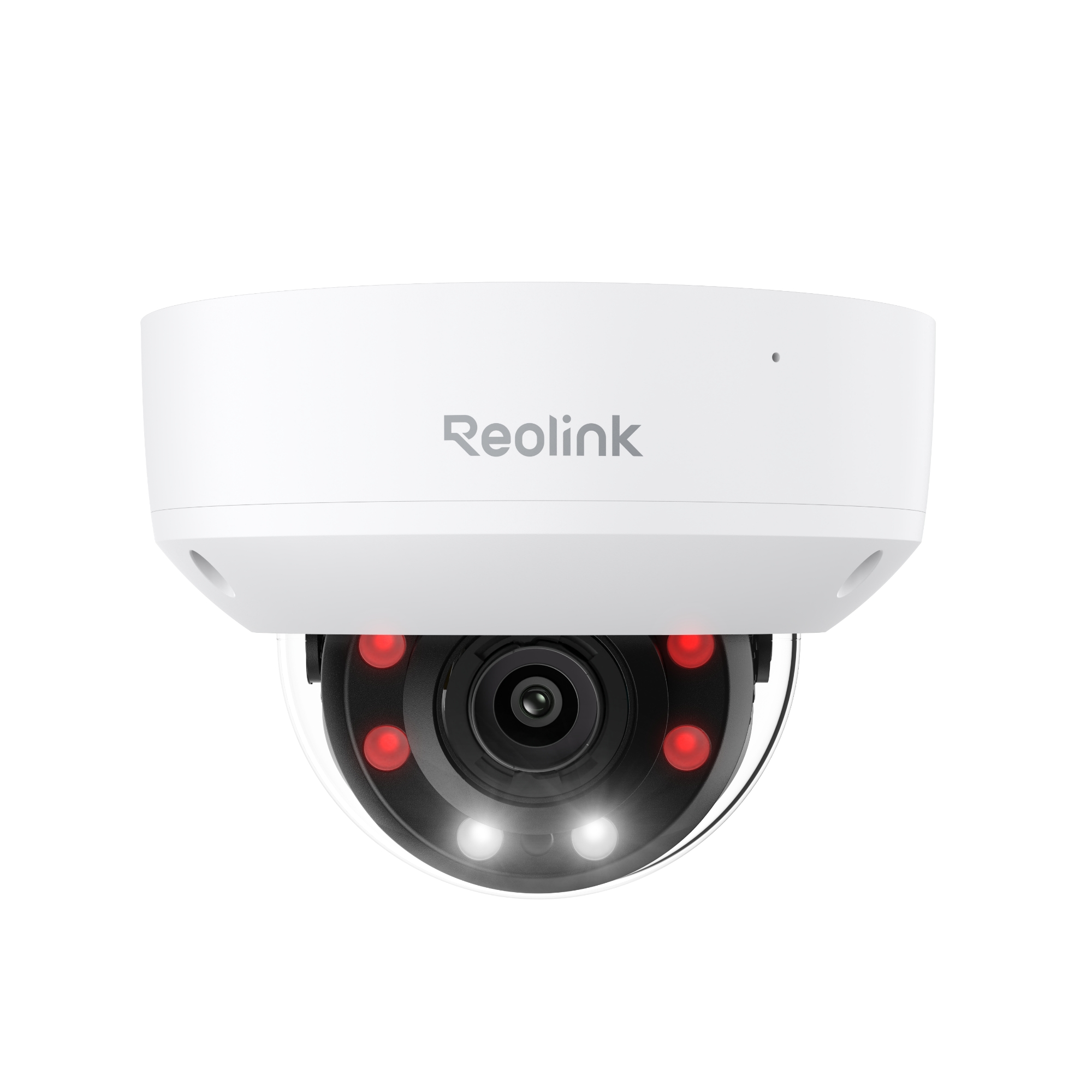
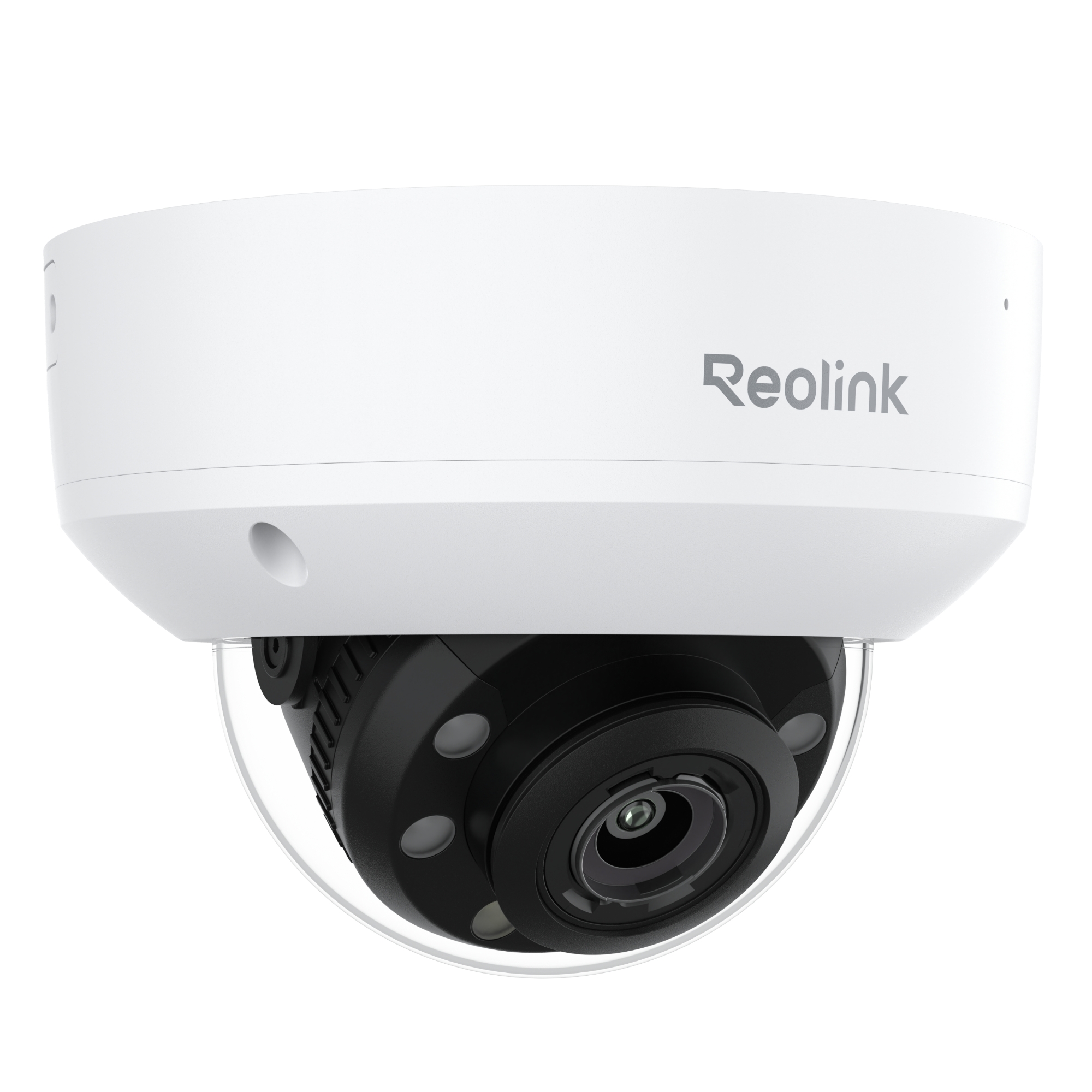


Description Reolink RP-PCV8MZ
Motorised 2.7-13.5 mm lens: five times optical zoom from the app
The RP-PCV8MZ is one of the few dome cameras whose field of view can be changed remotely, narrowing the frame from 108° down to 32° with a command from the app instead of a ladder and a screwdriver. That is roughly five times optical zoom, and it differs from digital zoom in a way that matters: the narrower slice of the scene is captured by the entire sensor, so detail genuinely grows instead of being interpolated by software. In daily use this lets a single camera play two roles — wide open it keeps the whole yard in view, and once zoomed to 13.5 mm it produces an identifiable frame at a distance where a fixed 2.8 mm lens would only show a dark silhouette. Autofocus re-establishes sharpness after every change of focal length, so retuning the view after installation, or after a hedge has grown through a season, takes a minute on a phone rather than another visit from an installer. The trade-off is worth knowing in advance: at 32° you see the detail, but anything happening to the sides is no longer recorded at all, because zoom does not expand the covered area, it merely redistributes it.
8 MP, a 1/2.8 inch sensor and an F1.6 aperture: what is actually readable
A resolution of 3840x2160 provides four times as many pixels as a familiar Full HD camera, and that reserve is what lets you zoom into already recorded footage without turning a face into a coloured smudge. The 1/2.8 inch sensor is physically larger than the widespread 1/3 inch type, so at the same megapixel count it produces less noise at dusk — during the half hour before the illuminators switch on, when most budget cameras already deliver mush. The F1.6 aperture pulls in the same direction by letting in noticeably more light than a typical F2.0 lens, and the benefit shows precisely at the day-to-night boundary, before the camera has moved to infrared mode. The real value of combining 8 MP with the long 13.5 mm end is pixel density on the subject: aimed at a gate 20-25 metres away, this camera gives you a genuine chance of reading a number plate, a task that is simply unrealistic for a wide-angle 8 MP model at the same range. The limit deserves an honest mention too — a varifocal lens always gives up a little contrast at the frame edges compared with a good fixed lens, and that is the normal price of flexibility.
Night mode: 30 metres of infrared plus two dimmable white spotlights
Night vision works in two stages here. By default the 850 nm infrared illumination covers an effective distance of roughly 30 metres; it is invisible to the eye and produces a black-and-white image, which means the camera does not advertise its own presence. The second stage consists of white spotlights at around 4000 K and roughly 350 lumens whose brightness is adjustable from zero to full, switching the frame to full colour on an event or staying on permanently where a porch light is wanted anyway. The practical gap between monochrome and colour footage is large: the first proves that someone was on the property, the second records that the jacket was red and the car a silver estate, and those are the details that carry weight in a police report or an insurance claim. The warmer 4000 K light is easier on the eyes than cold 6500 K and distorts the natural colours of a facade less, which is why owners more often leave it permanently on above an entrance or a driveway. For a long stretch of 50-60 metres this illumination is no longer enough: the far part of the frame stays dark, so either add external lighting or choose a model with a more powerful infrared array.
Person, vehicle and animal analytics, audio, and open protocols without a mandatory cloud
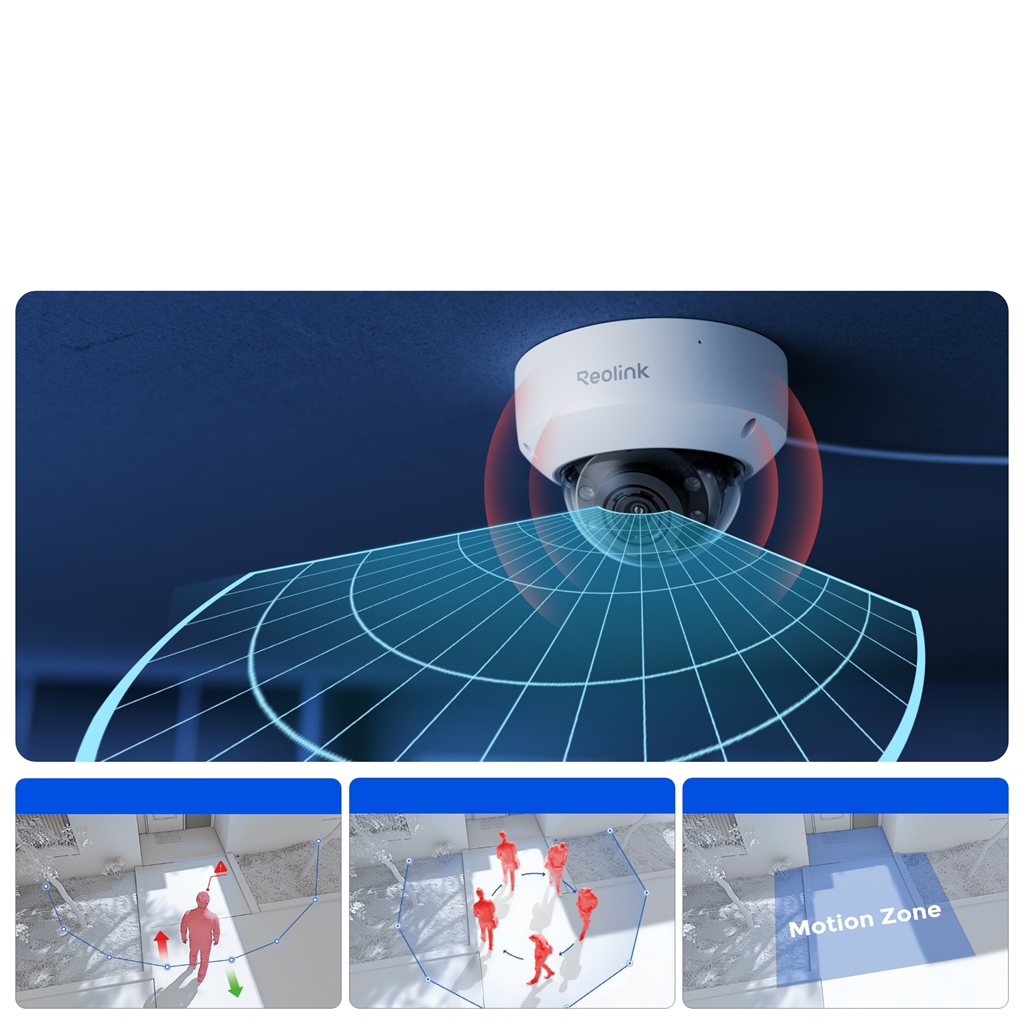
The camera sorts moving objects into three categories — person, vehicle and animal — and does so on its own processor, so Push and E-mail notifications arrive already filtered. The value lies in the absence of false alarms: a model without classification reacts to every branch, cloud shadow and passing cat, the owner switches the notifications off within a week, and the system stops being a security system and becomes a mere archive. A built-in microphone records audio alongside the video, and two-way audio support lets you answer whoever is standing at the gate straight from the app. The protocol set is open and complete — RTSP, ONVIF, FTP, SMTP, DDNS, plus Home Assistant integration — so the camera can be brought into third-party VMS software or a smart-home system rather than only the vendor's own app. One honest point belongs here: this model has no cloud service, which means it demands no subscription, but it also means the archive has to live locally on a memory card, a recorder or an FTP server, and that needs to be planned for from the start.
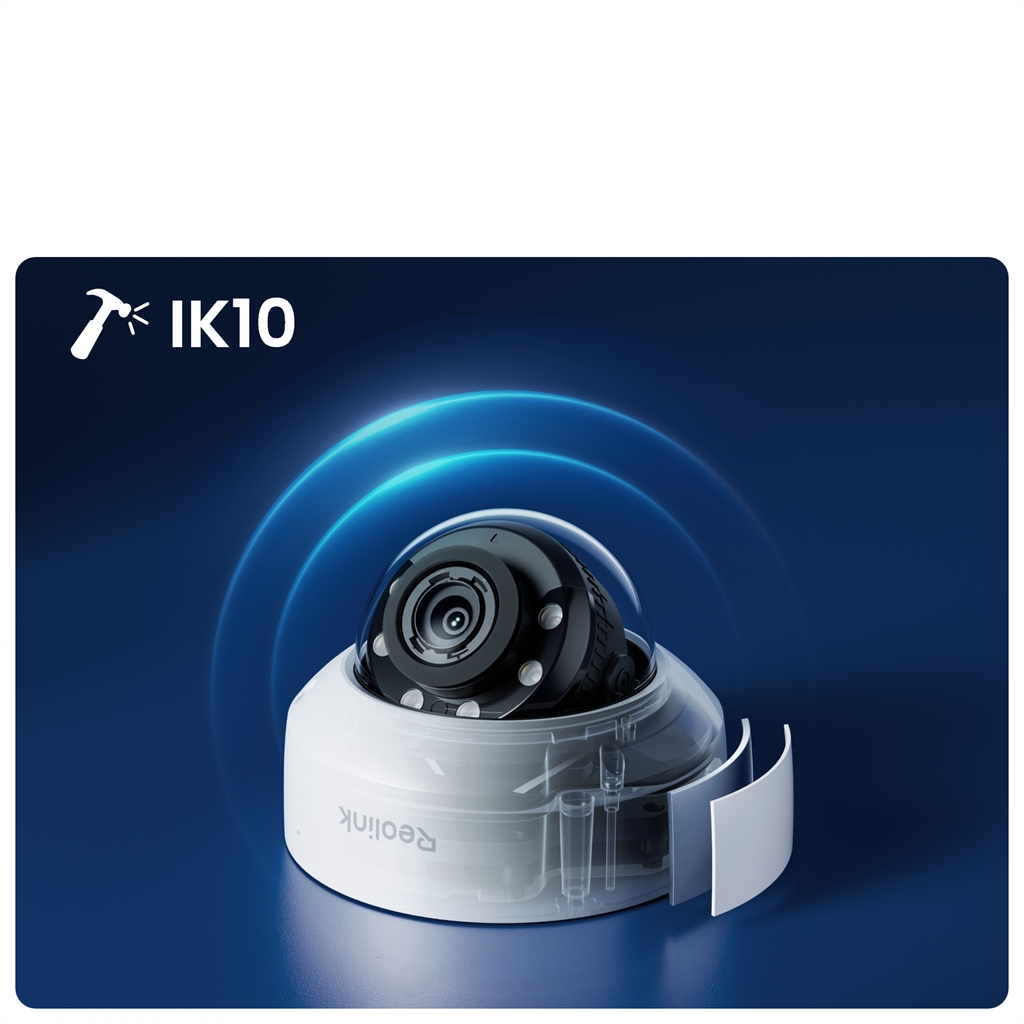
Vandal-resistant metal dome rated IK10, IP67, and operation from -30 °C
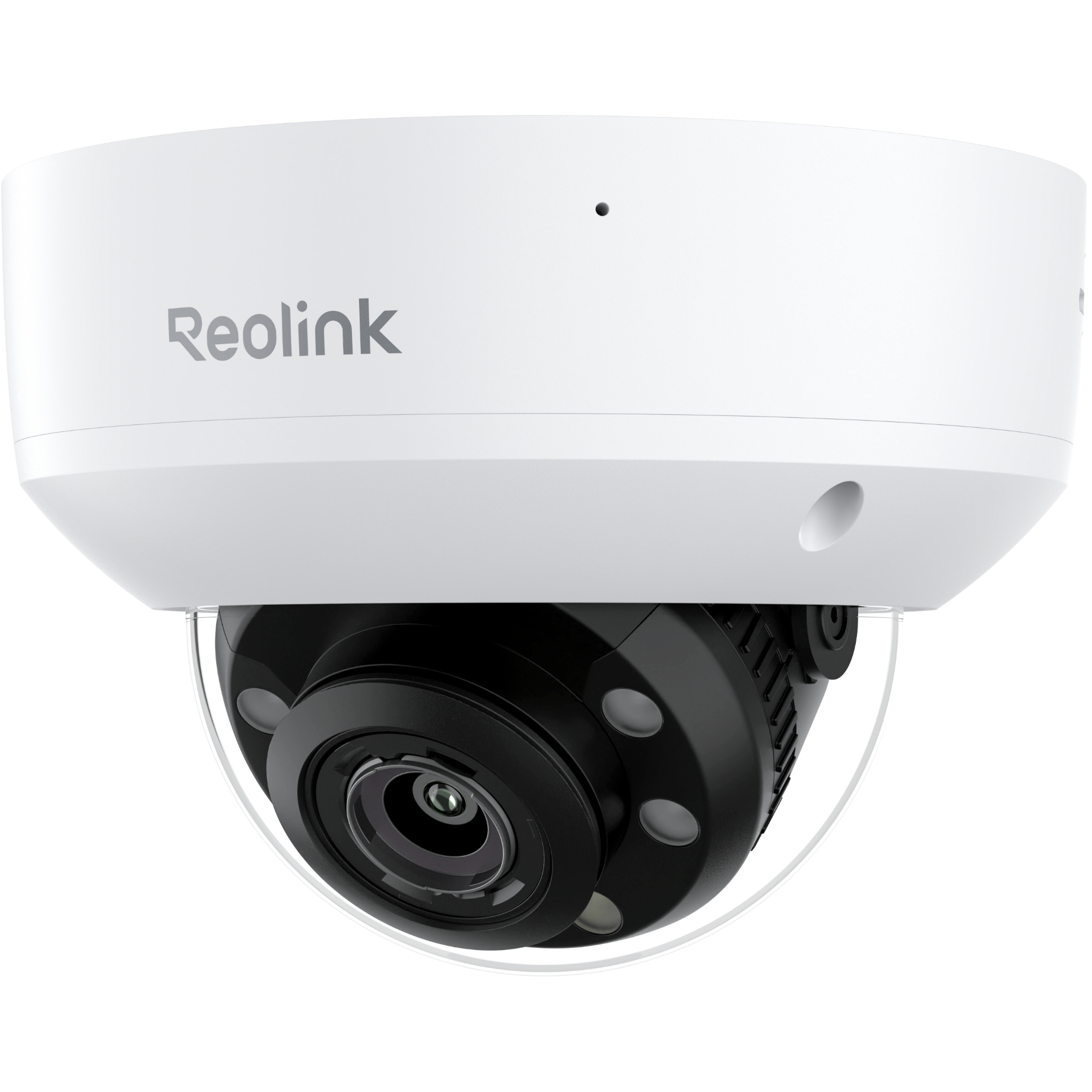
The housing is all metal, 845 g at 138 mm across and 100 mm tall, which makes it a cast protective shell rated IK10 for impact rather than a decorative cover. That is exactly what qualifies the model for low mounting: an apartment block entrance, a school yard, a bus stop, a petrol station, a warehouse changing room — places where a camera can be reached by hand, hit with something or twisted aside. The dome shape adds another layer of protection, because the lens sits behind a transparent cover and an intruder cannot tell where the camera is actually aimed, while tearing it off a short base is harder than unseating a bullet camera from a long bracket. The IP67 rating means complete dust tightness plus resistance to brief immersion, a step above the common IP65, and the difference is real on an exposed facade where rain arrives sideways on the wind. The -30 to +55 °C operating range suits a continental winter, and the metal body doubles as a heatsink for the motorised lens assembly — the very component that most often suffers from overheating inside plastic cameras.
Power over Ethernet 802.3af or 12 V: how to budget for it
The camera runs on 802.3af Power over Ethernet at 48 V and draws up to 12 W, so a single twisted-pair cable carries both power and network, which for a dome on a facade is often the only realistic way to install it. Twelve watts is not the most modest figure in this class, and the reason is plain: the motorised lens drive and the spotlights feed from the same budget, so a system of eight such cameras calls for a switch rated at least 100-120 W rather than a model working at its limit. The alternative is an ordinary 12 V supply next to the camera, which helps when the network arrives over a radio link or when the building already has low-voltage wiring in place. A PoE run on normal copper twisted pair reaches 100 metres; beyond that the budget needs a second switch or a media converter, and it is far cheaper to plan for that before the cable is pulled rather than after. Note also what this camera is by design: a wired device intended for round-the-clock recording, with no battery and no LTE module, so for a site without mains power or network it is simply the wrong choice.
Storage: memory card, Reolink recorders and realistic retention
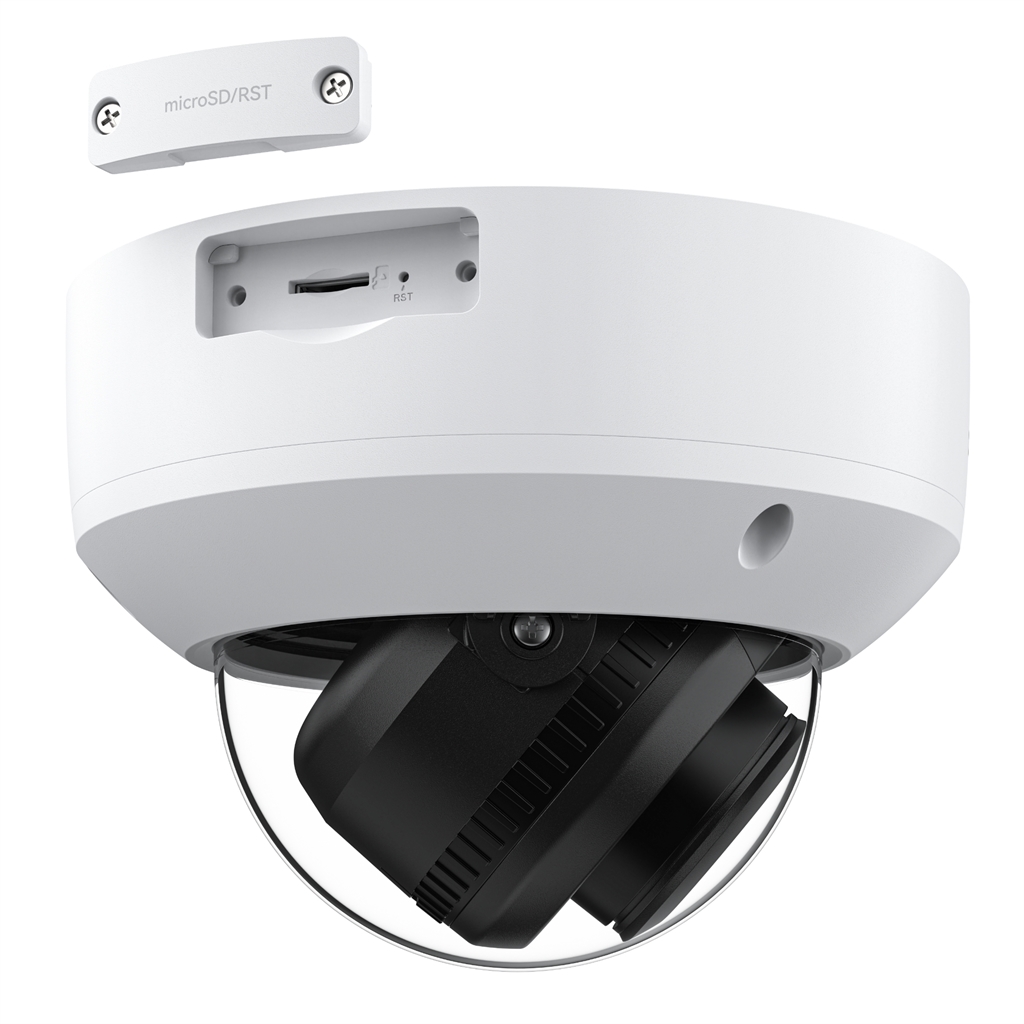
The camera has a microSD slot which, according to the product specification, accepts a card of up to 512 GB — a genuinely self-contained archive that keeps working when the network drops or the recorder is switched off. A realistic calculation looks like this: continuous 8 MP recording with H.265 consumes roughly 40-60 GB a day depending on how much motion is in the frame, so a 512 GB card holds about eight to ten days of round-the-clock video, or several months in event mode. For serious retention the camera belongs on a recorder: with a 2 TB disk a single camera in 24/7 mode gives roughly a month to six weeks, while four cameras share that down to about a week or ten days, and that is the arithmetic to size the disk from. The catalogue includes the Reolink NVS4, NVS8 and RLN16-410 recorders with built-in PoE ports, so the camera connects with one cable directly into the recorder, is detected automatically and needs no manual IP configuration. Watch for the «no HDD» marking in some model names: those recorders ship without a drive, which has to be bought separately, otherwise the box arrives empty.
Where to mount it, and how it differs from neighbouring Reolink models
The strengths of the RP-PCV8MZ are vandal resistance and remote zoom, so its natural home is anywhere the camera can be reached by hand and the observation distance is not known in advance: a stairwell entrance, a school yard, a workshop, a warehouse, a petrol station, a shop facade, or a driveway whose gate sits far from the wall. Its closest relative in this catalogue is the RP-PCB8MZ, with the same 8 MP sensor and the same 2.7-13.5 mm range in a bullet housing; a bullet is more visible from a distance and deters by itself, but it is also easier to knock aside, so a dome is the safer answer for low mounting. The Reolink 437 is likewise 8 MP with 2.7-13.5 mm optics, yet comes in an eye-ball housing without the metal vandal-proof dome: if the camera hangs under a roof four metres up, paying extra for IK10 adds nothing and the simpler option is the sensible one. The P434 from the same catalogue offers only three times zoom at 2.8-8 mm and suits medium distances where a wider view matters more than long reach, while the fixed 2.8 mm RP-PCT8M is enough wherever the framing is settled in advance and nothing needs changing. If you need not only magnification but also the ability to follow a subject across a yard, look at the pan-tilt P840 with the same optical range and 60 metres of illumination — it costs more and adds mechanics that wear over time, but it covers tasks a fixed dome never will.
Tell us the mounting height, the distance to the point you need to watch, and whether there is any risk of the camera being reached by hand. We will advise whether a vandal-proof dome with zoom is genuinely required or a simpler model will do the job.
Characteristics Reolink RP-PCV8MZ
Reviews about Reolink RP-PCV8MZ from real users
No reviews found







