
 m. Сміла, Незалежності, 67г. оф, 406/6























REOLINK RP-PCB8MZ (8 MP/2.7-13.5 MM) - PoE IP CAMERA WITH OPTICAL ZOOM



Description Reolink RP-PCB8MZ
Long driveways and gates: where a motorised lens pays off and where it does not
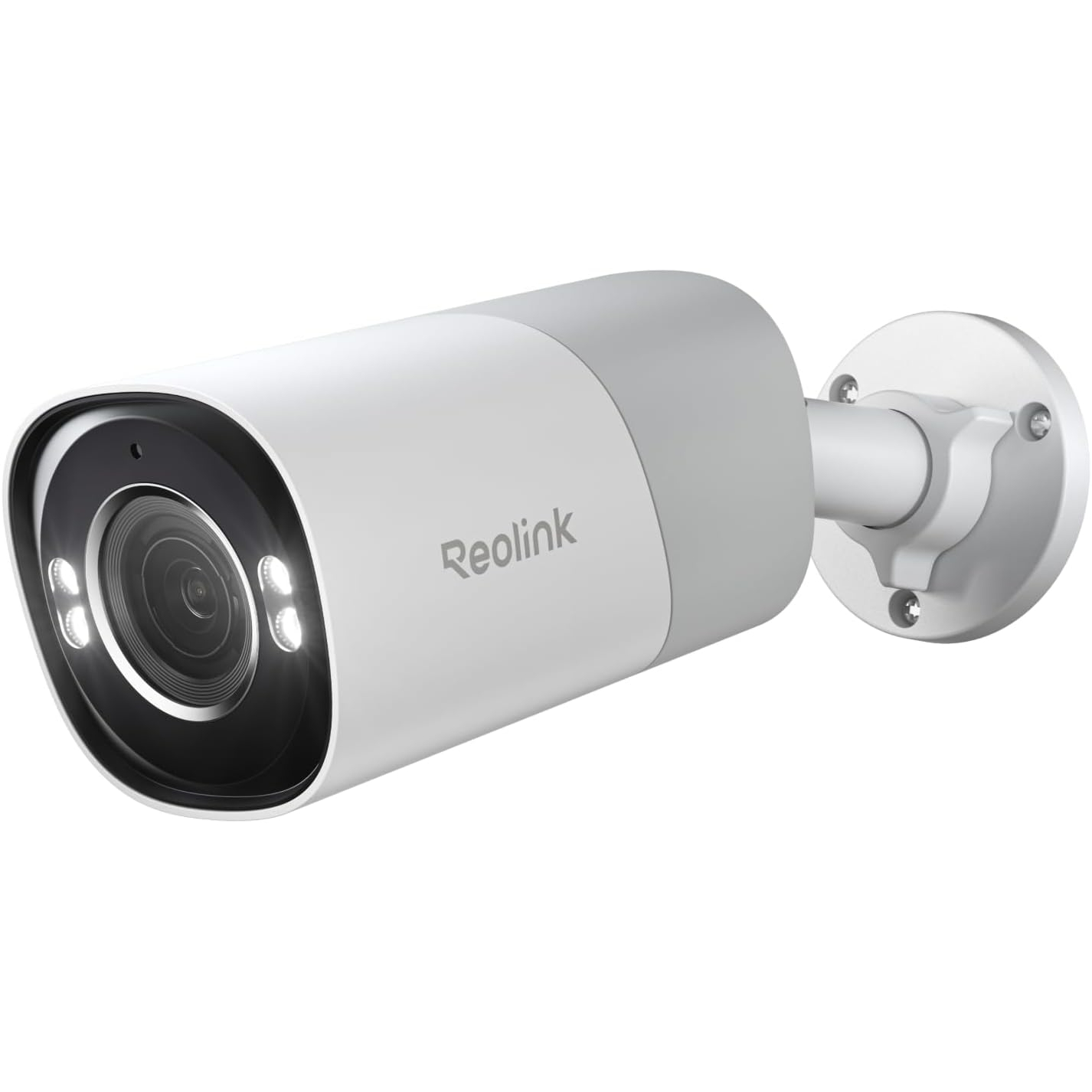
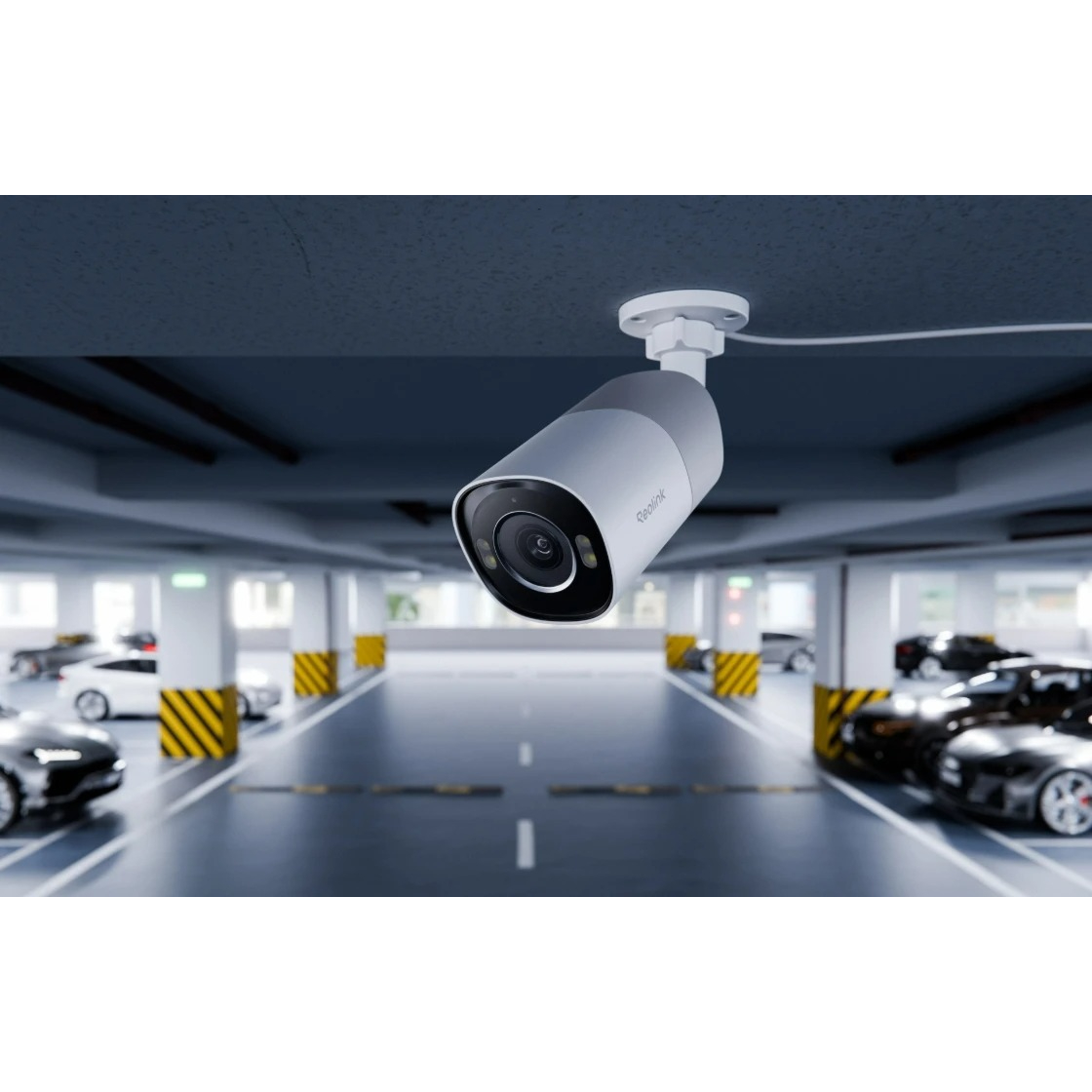
The RP-PCB8MZ is a wired outdoor camera with a motorised lens, and that single detail decides where it belongs. It earns its place when one mounting point has to deliver both the overview and a distant detail at once: a gate and wicket combination, a driveway 30-40 metres long, the parking strip in front of a shop, a loading bay, or a fence line stretched along one side of the plot. Reframing no longer means climbing a ladder with a screwdriver, because the focal length is changed from the app, so you can fine-tune the picture in winter when the leaves are gone or after the yard layout has changed. Inside a flat or a forty-square-metre shop this lens will not repay itself, since the camera simply sits at its widest 2.7 mm and the whole zoom range stays unused. One more limit worth knowing up front: there is no pan-and-tilt motor here, so the zoom magnifies only what already falls inside the frame, and all-round coverage calls for a robotic model instead.
Five times optical zoom, 2.7-13.5 mm: what actually becomes readable
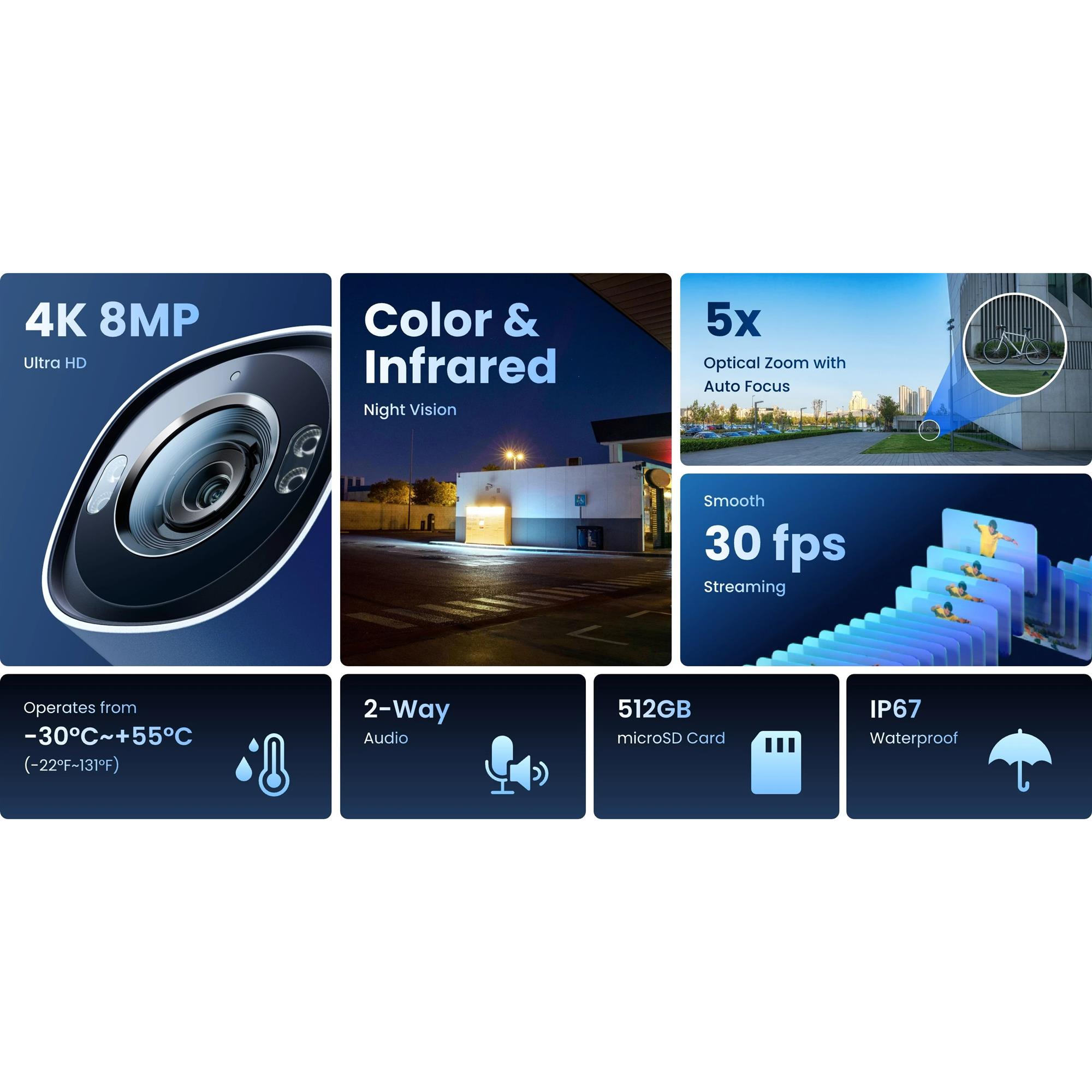
The lens travels between 2.7 and 13.5 mm and the horizontal angle changes accordingly from 108.6° down to 32°, which is the difference between an almost panoramic yard view and a narrow corridor aimed straight at the gate. What matters is that the magnification is optical rather than digital: at the telephoto end you still get the full 8 megapixels (3840×2160) spread over a narrower slice of the scene, so pixels per metre genuinely multiply instead of an existing image being stretched. In practice a number plate that reads as a grey smudge at 20-25 metres on the wide end becomes legible once you zoom in, in daylight and without fast lateral movement. Autofocus restores sharpness after every change of focal length, and the F1.6 aperture helps during dusk, while the camera has not yet switched into night mode. The trade-off should be accepted deliberately: zooming narrows the field, so a camera trained on the gate will not see someone stepping in across the lawn, and if both views matter at the same time you either add a second camera or leave the lens at a middle setting.
After dark: 30 metres of infrared and 600 lumens of white spotlight
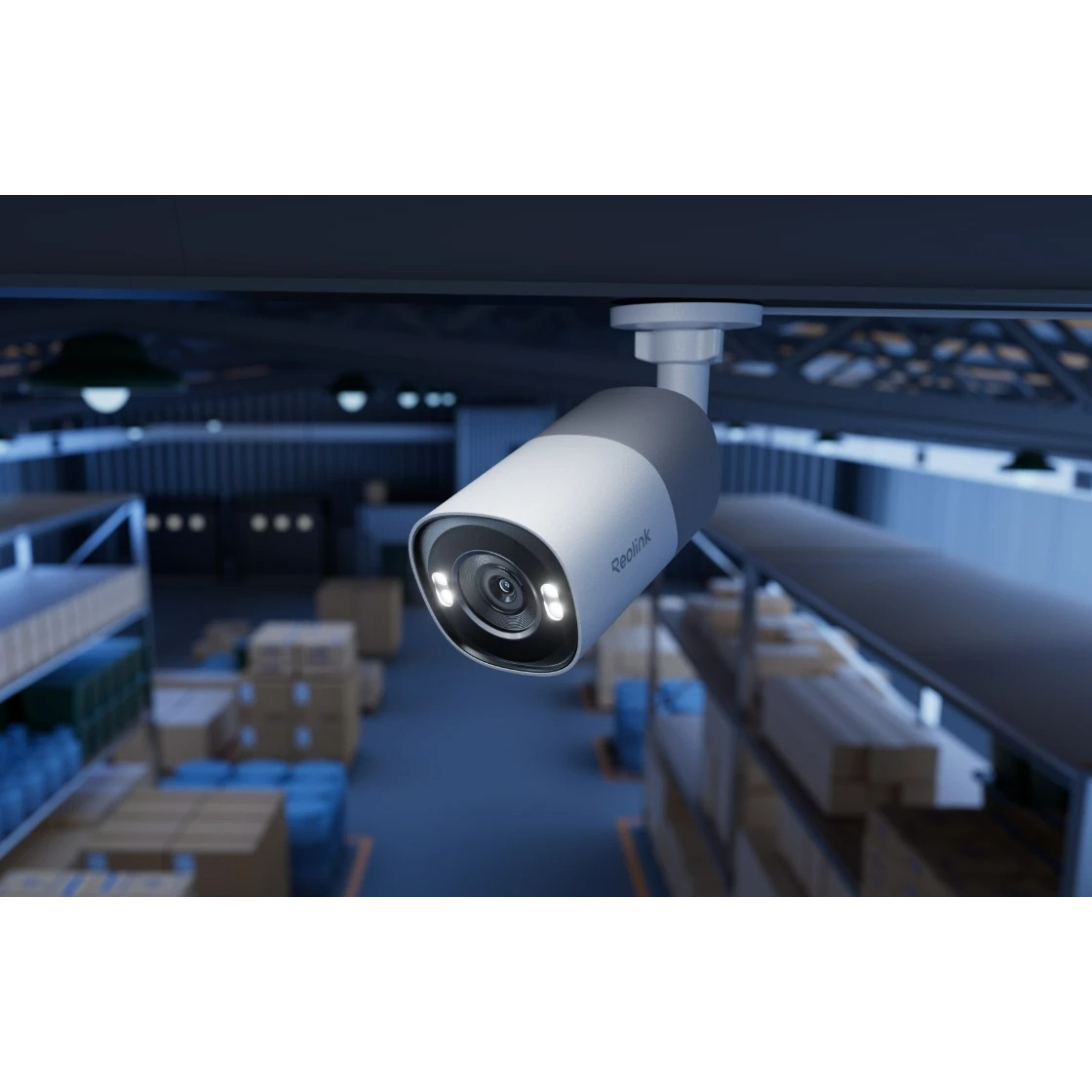
At night the camera works in two quite different ways, and the distinction is a practical one for the buyer. Classic infrared illumination on four 850 nm emitters reaches roughly 30 metres and produces a black-and-white image that is completely invisible to whoever is in the frame. The second mode uses built-in white spotlights rated at a combined 600 lumens and 4000 K: they deliver full-colour footage in which the colour of a jacket or a car body is visible, and they double as passive deterrence, because an intruder can see that the light was aimed at him on purpose. Spotlight brightness is adjustable, and that is not a cosmetic setting — facing a pale wall or a metal gate, full power washes out the foreground, so installers usually dial it down to around half. There is a caveat tied directly to the zoom: illumination still covers about the same 30 metres whatever the focal length, so pointing the telephoto end at something fifty metres away gives you darkness at night, and night-time scenarios have to stay within the reach of the light or be supported by yard lighting of your own.
Analytics, perimeter rules and the alarm terminals on the pigtail
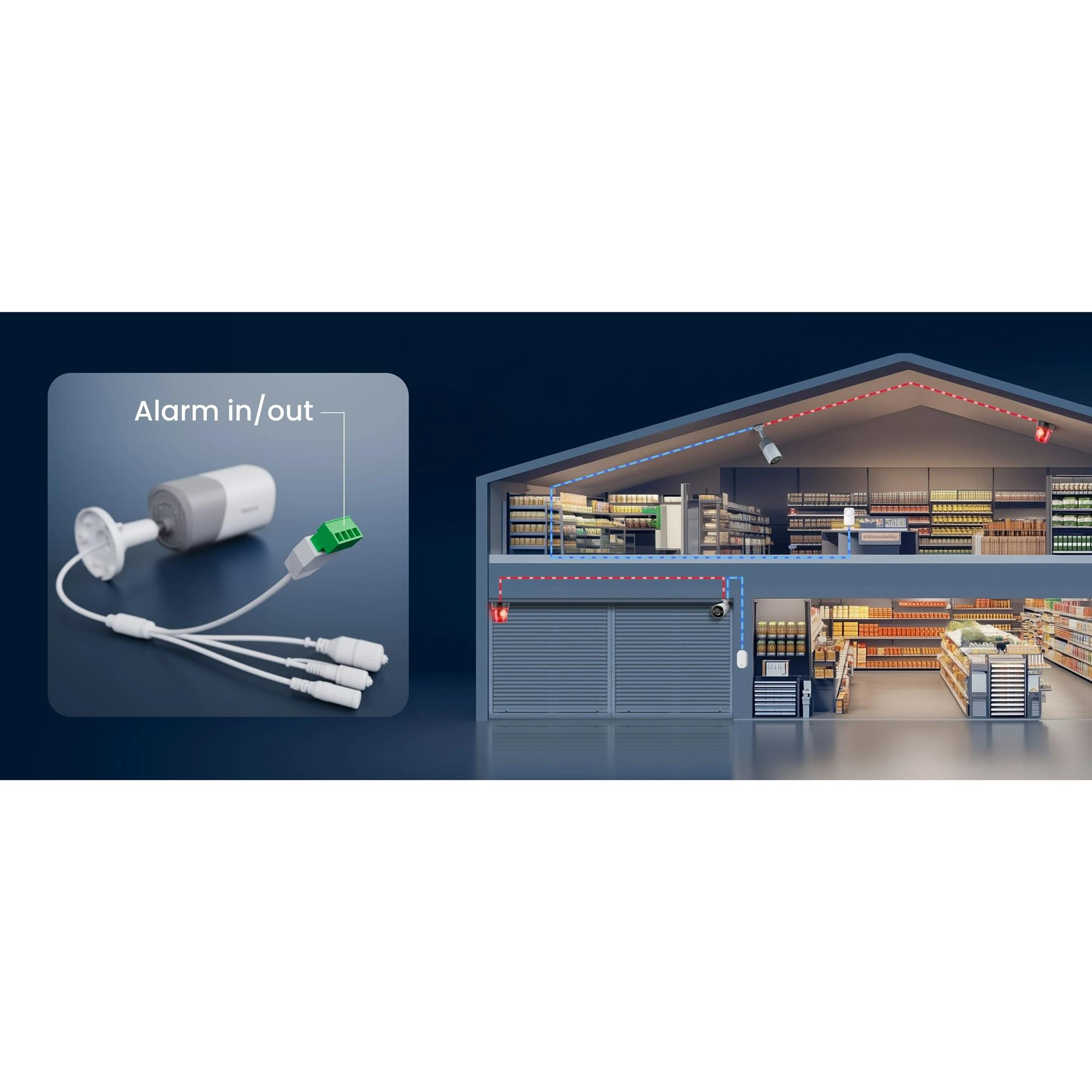
Classification happens inside the camera: people, vehicles, animals, and separately two-wheelers and parcels left by a door, with notifications firing only for the categories you keep enabled. Beyond plain detection there are perimeter rules — line crossing, zone intrusion and loitering — so the logic can be written as "alert only if someone crosses the gate line heading into the yard" instead of "alert on any movement". The contrast with a camera without analytics is stark: on a site with trees, cats and a road nearby, plain motion detection produces dozens of false alerts a night, the owner switches notifications off, and the system quietly stops being a security system at all. Recorded events are indexed for text search, so the fragment you need is found with a query such as "person with a bicycle" rather than by dragging the timeline, which saves hours on a week-long archive. The rear pigtail carries a 12 V alarm input and output, letting you wire a gate reed switch or an external siren straight to the camera and tie them to analytics events without a separate controller.
PoE power, mounting and behaviour in hard frost
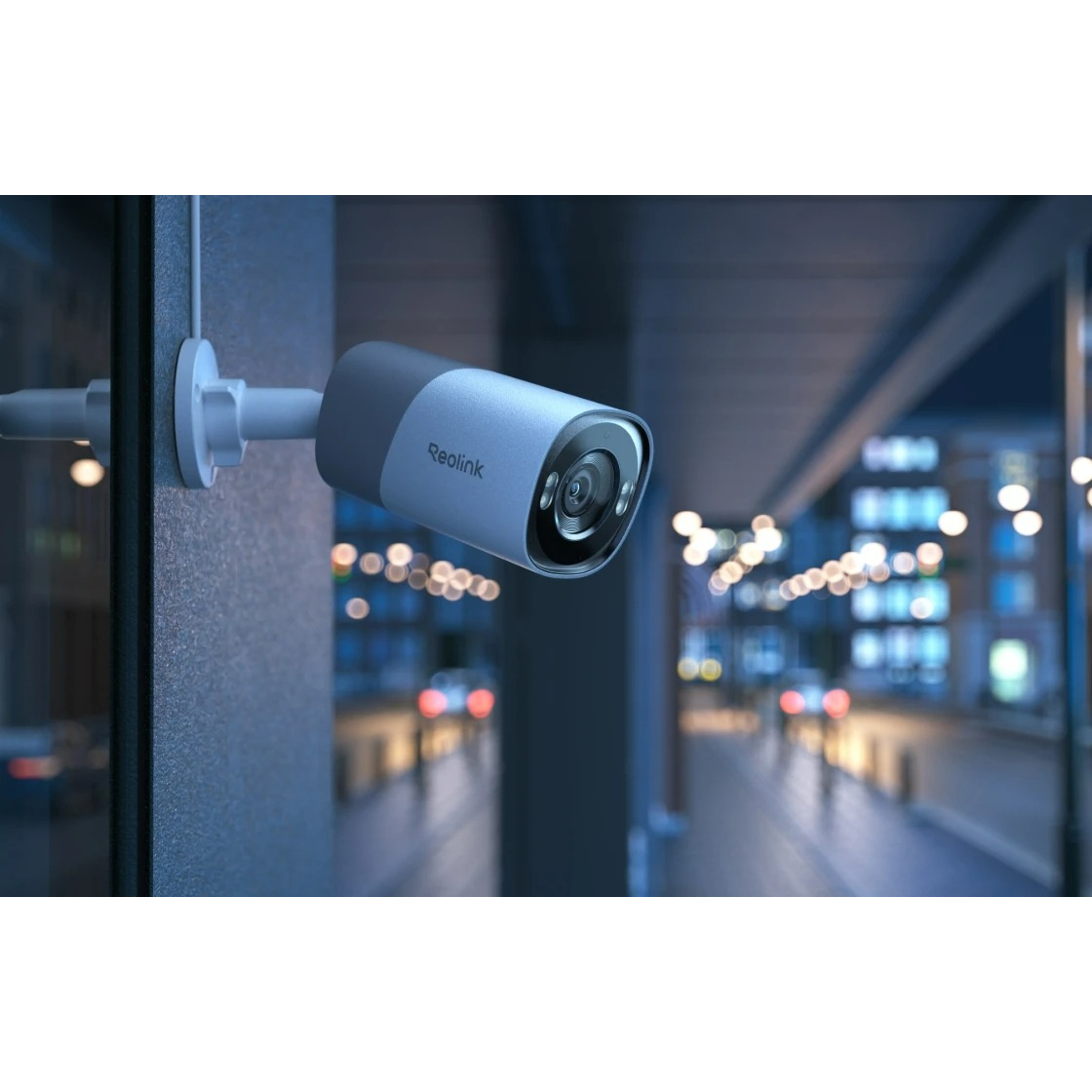
Power comes over PoE to the 802.3af standard or from a separate 12 V supply, which in practice means a single UTP run to the mounting point and no socket on the façade. Consumption of up to 12 W per channel, about 1 A, is the figure to size a switch from: eight of these cameras draw roughly 96 W, so an entry-level switch with a 60-65 W total PoE budget will not carry them and you should plan on 120 W or more. The IP67 rating and the -30…+55 °C operating range are meant for an exposed wall with no canopy, so driving rain and a January frost pass without the lens losing focus. A 220 mm body weighing 776 g is visible from a distance, which deters in itself, but the bracket has to be anchored in the load-bearing wall rather than in a layer of insulation. Route the cable through the bracket base and seal it: an exposed patch cord on the wall is the simplest way for a prepared intruder to take the camera out of service.
Storage: a 512 GB card, a recorder and third-party systems
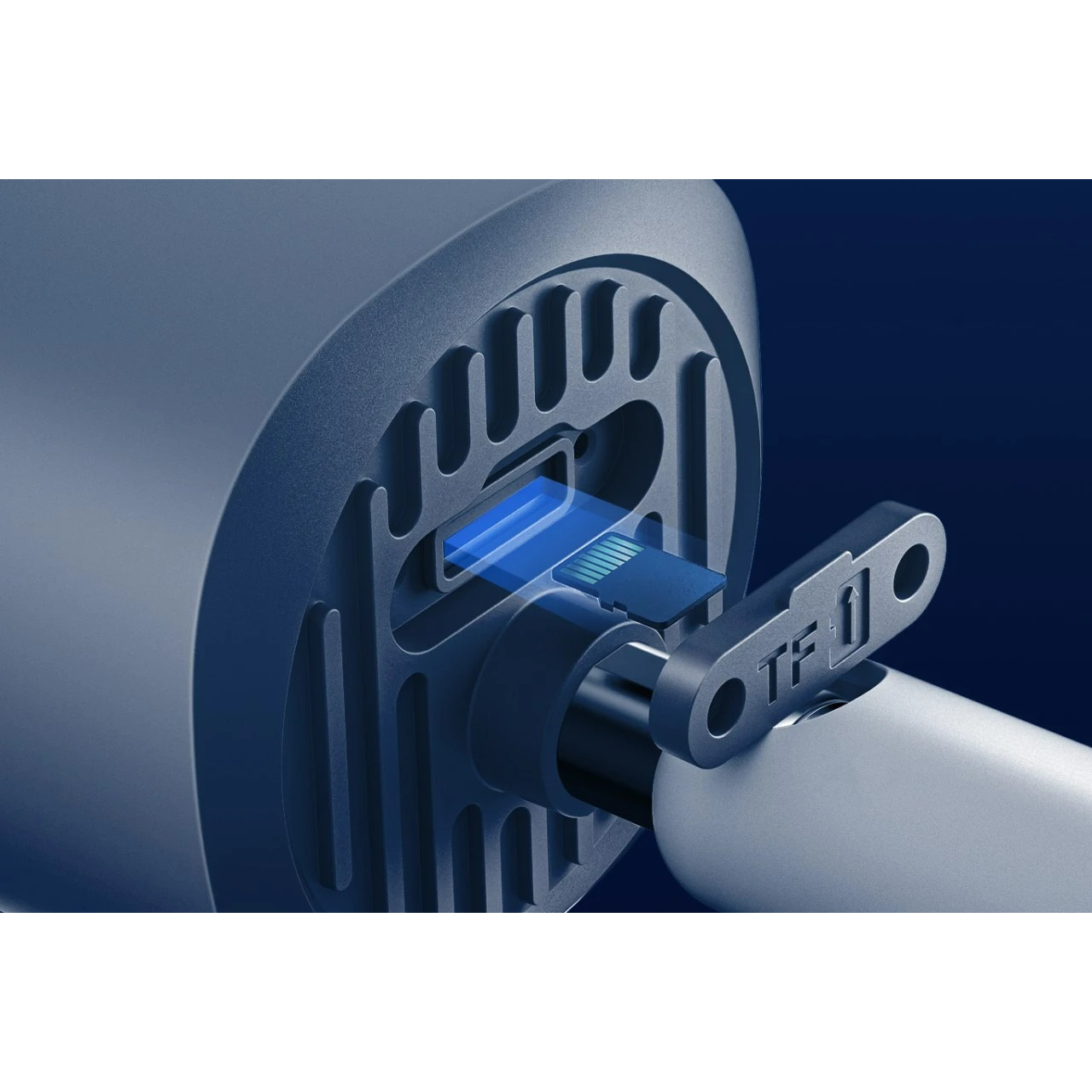
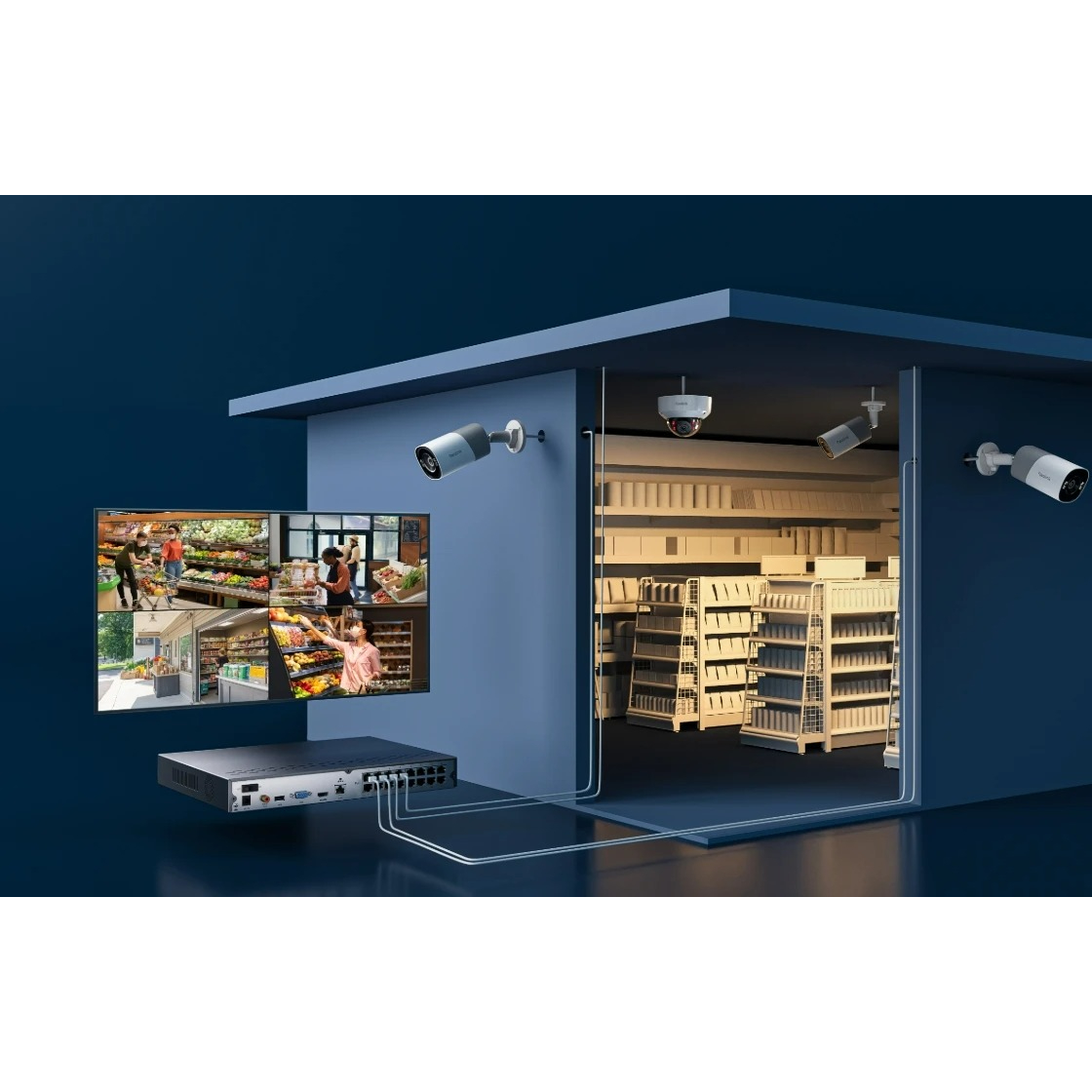
Being a wired model, this camera records continuously instead of waking on an event the way battery cameras do, so round-the-clock archive is available by default. Local recording goes to a microSD card of up to 512 GB, and with H.265 such a card holds roughly a week of continuous 4K from one channel, or several times more if only events are written. The more dependable route is a Reolink recorder from this same catalogue — NVS4, NVS8 or NVS16: cameras of the same brand are picked up automatically, and the recorder's PoE ports power the camera at the same time, which removes the need for a separate switch. ONVIF and RTSP support lets you add the camera to another manufacturer's NVR, to Home Assistant or to a third-party VMS, though some vendor features such as descriptive search and the finer perimeter rules will remain visible only inside the Reolink app. Cloud service exists, but it is a poor foundation for your only archive: the memory card and the recorder work without a subscription and without depending on whether the cloud is offered in your region.
How it compares with the neighbouring Reolink models in this catalogue
The closest relative is the RP-PCB8M: the same wired 8-megapixel camera in a similar housing, but with a fixed 2.8 mm lens. If the camera watches a small yard or an entrance from five to ten metres away, you will never once reach for the zoom, and the simpler model without motorised optics is the wiser purchase. The RP-PCV8MZ carries the identical 2.7-13.5 mm optics inside a metal vandal-resistant dome: a dome is chosen where the camera is within arm's reach — a stairwell, a car park, a sales floor — while the elongated body wins where height, distance and sheer visibility matter more. The RP-WCB8MZ is effectively the same camera with PoE swapped for Wi-Fi 6: it rescues locations where Ethernet cannot be pulled, but it needs a socket beside the camera and lives or dies by radio quality. If what you actually need is panning and object tracking rather than magnification, look at the P840 with its 60-metre illumination, while the RP-PCB12M offers more detail across a wide view at the cost of having no optical zoom at all.
Tell us the distance to the point you need brought closer and whether the site already has a PoE switch, and we will advise whether a fixed lens is enough or a motorised one genuinely pays for itself here.
Characteristics Reolink RP-PCB8MZ
Reviews about Reolink RP-PCB8MZ from real users
No reviews found







