
 m. Сміла, Незалежності, 67г. оф, 406/6























REOLINK P340 (12 MP/2.8 MM) - PoE IP CAMERA

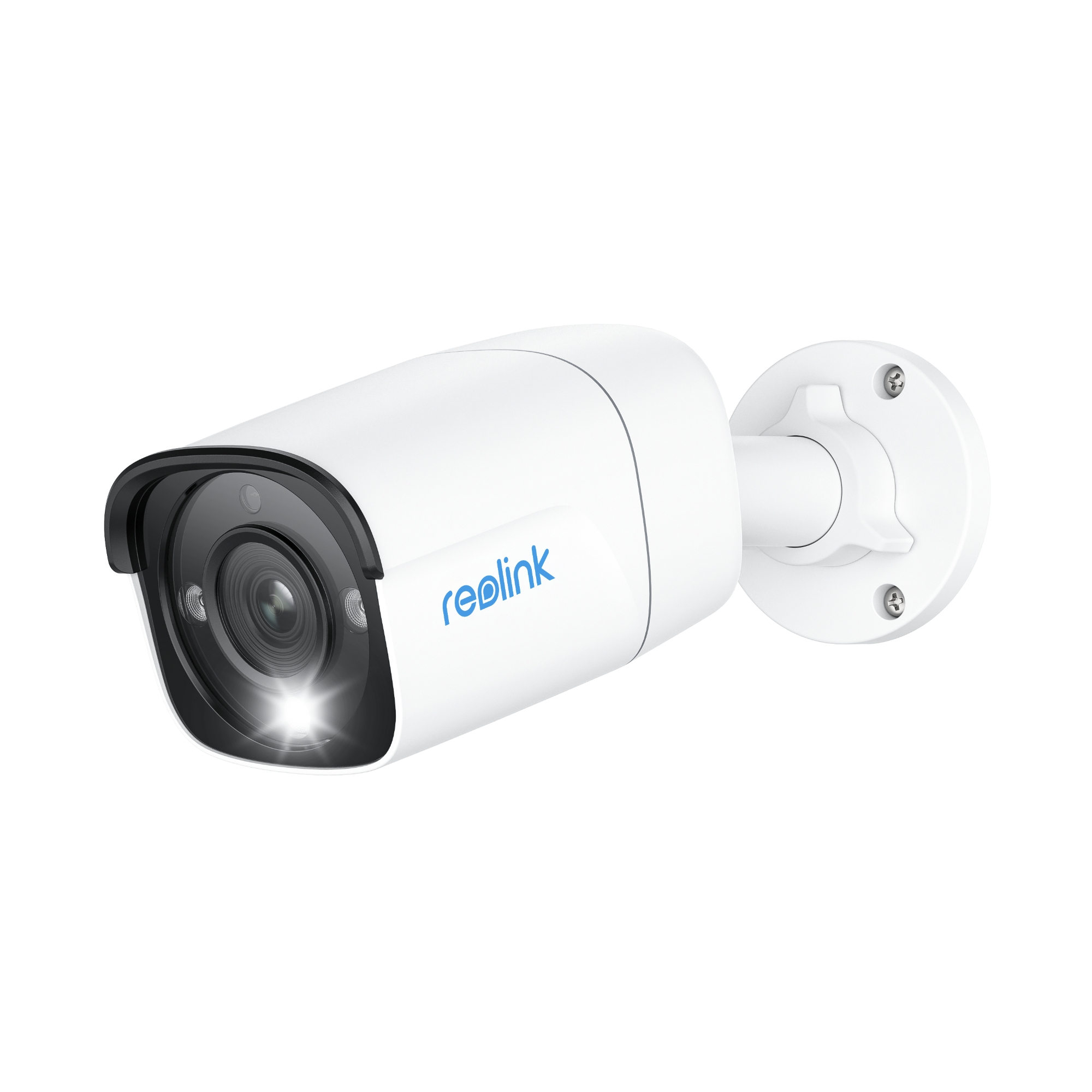
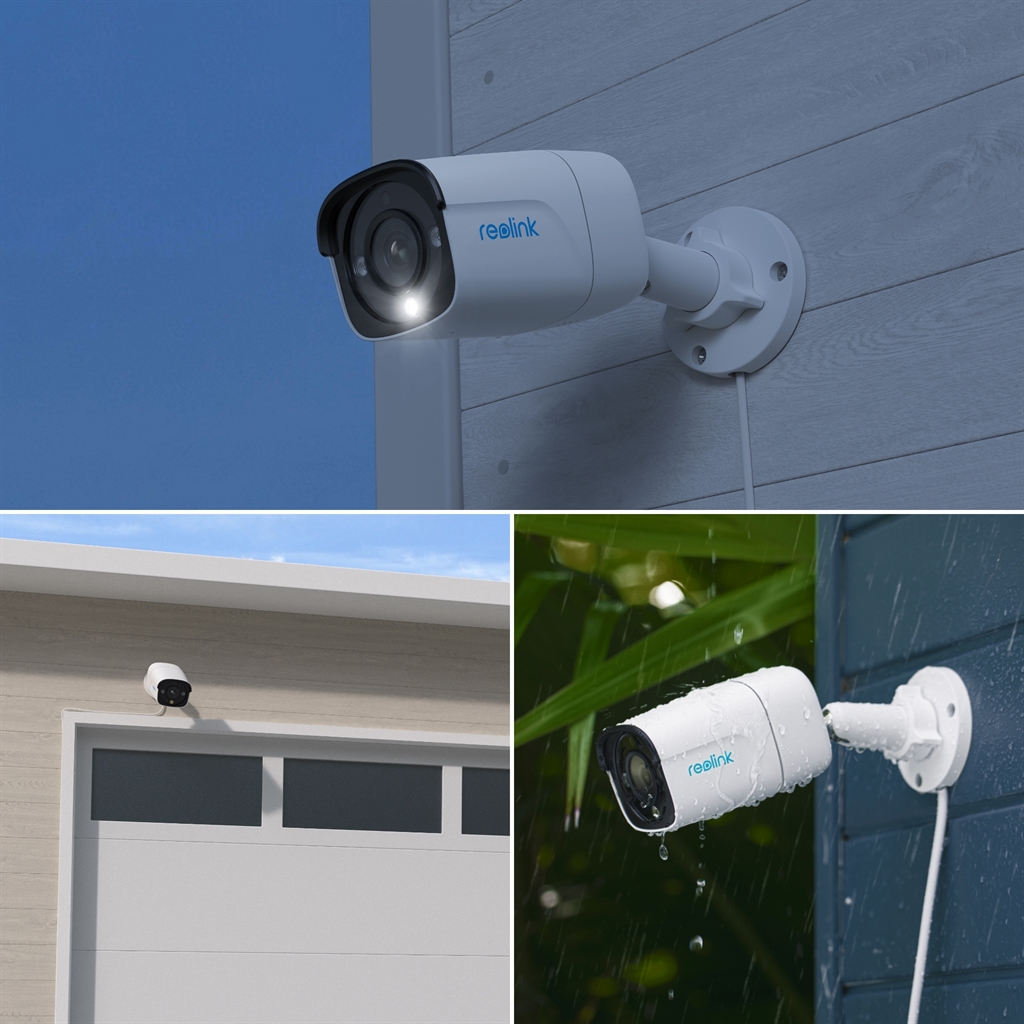
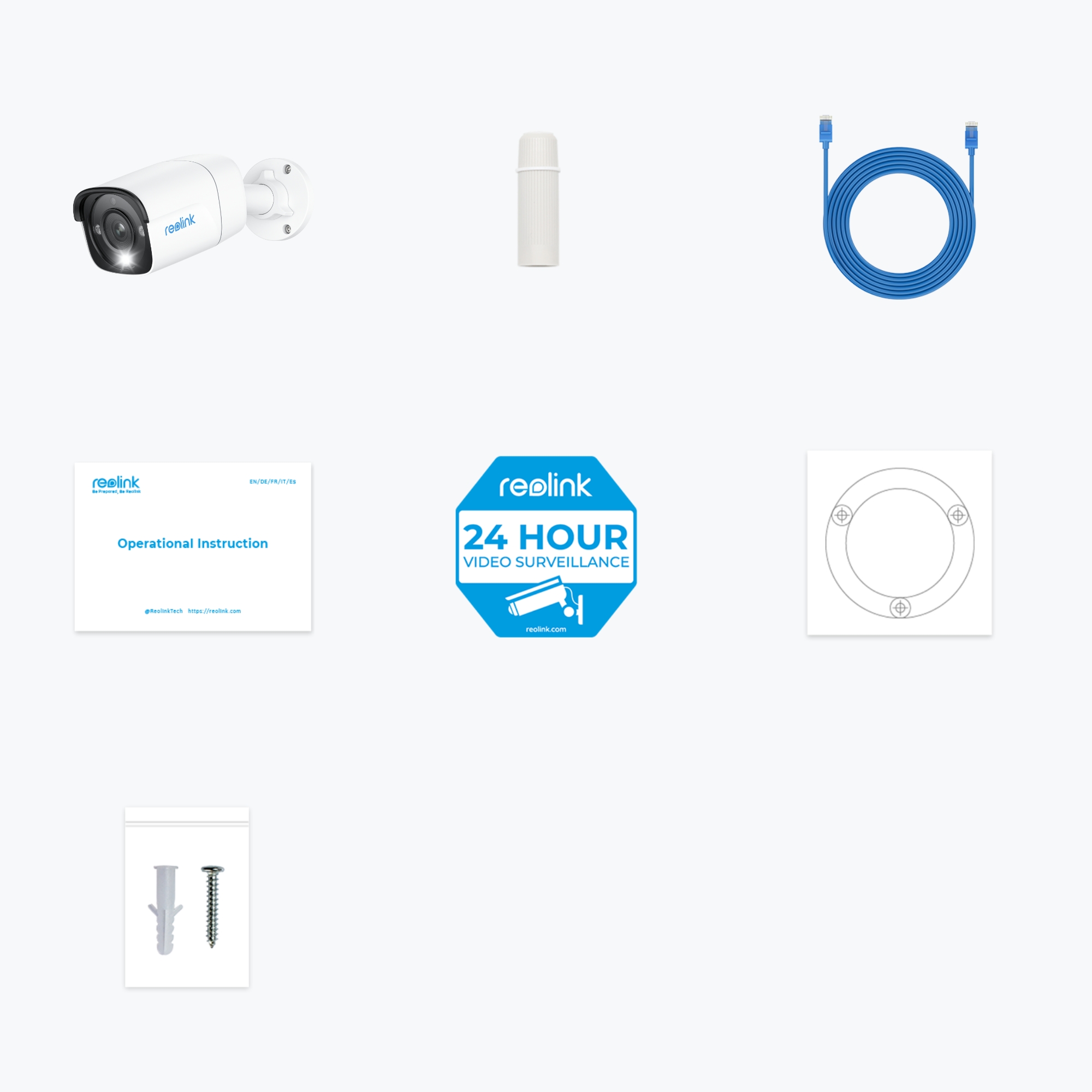


Description Reolink P340
Twelve megapixels: why so many, and when it is overkill
The P340 is built around a 1/2.49-inch sensor delivering 4512×2512 pixels, roughly three times the pixel count of the 4 MP cameras that dominate this price bracket. The benefit of that headroom is singular but substantial: you can zoom into recorded footage and read a face or the lettering on a van where a 4 MP camera leaves a coloured smudge, so one unit effectively covers several framing distances at once. The cost is equally concrete — a 12 MP stream eats disk space several times faster and needs a decent link to the recorder, so this camera should be specified together with a larger drive rather than the usual 500 GB afterthought. There is a physical trade-off as well: for a given sensor size, more pixels mean smaller pixels, so in deep dusk a 12 MP frame carries slightly more noise than a 4 MP one and only wins while some ambient light remains. Buy the P340 for places where detail within the scene matters — a yard, a car park, an entrance, a shop floor — rather than for a dark service corridor where the mere fact of movement is enough.
Round-the-clock recording, archive planning and recorder compatibility
Unlike Reolink's battery models, the P340 runs on mains power and records continuously, so you get an unbroken timeline you can scrub to any minute, not just a reel of triggered clips. A microSD card of up to 256 GB slots into the camera itself and holds roughly three days of continuous full-resolution video, which makes it a safety net against a network outage rather than the main archive — the real storage belongs on a recorder, and this catalogue carries the Reolink NVS4 and the NVS8 with PoE ports built in. H.265 compression is about twice as efficient as H.264 at comparable quality, and it is what makes a 12 MP stream viable for 24/7 retention in the first place. The camera publishes an RTSP stream and supports ONVIF, so it drops into a Hikvision or Dahua recorder, Blue Iris, Frigate or Home Assistant without drama — unlike the battery-powered Argus and Go models, which live only inside the Reolink app. No core function sits behind a paywall either: person and vehicle detection, alerts, recording and remote access all work without a subscription, and the cloud stays strictly optional.
A 2.8 mm lens and a 100-degree field: what actually lands in frame
The 2.8 mm focal length gives roughly a 100-degree horizontal field, a wide general view with which one camera covers a typical yard, the street frontage of a building or the whole floor of a small shop. With that optic, confident facial recognition realistically extends to about eight to ten metres and recognising a person as a figure to twenty or twenty-five, beyond which the subject becomes a silhouette regardless of how many megapixels the sensor holds. The 12 MP reserve softens this because digital zoom here starts from a genuinely large frame rather than from desperation, but it does not repeal the laws of optics. For reading number plates at distance a wide-angle camera is simply the wrong instrument — you need a narrower or varifocal lens, which is exactly why the catalogue also lists the P434 with a 2.8-8 mm range. The correct layout for a property is the P340 on the general view plus a separate narrow-angle camera on the gate, instead of asking one position to do both jobs badly.
Night mode: infrared out to thirty metres plus a white spotlight
There are two light sources on board: a pair of 850 nm infrared LEDs reaching up to thirty metres, and a white 700-lumen spotlight at 6500 K. In infrared the camera stays invisible and renders the whole depth of a yard in monochrome; with the spotlight on, the image is full colour and shows clothing and vehicle colours — the attributes that make identification possible. The spotlight can stay permanently on, fire only on an event, or remain off, and for a residential setting the event-triggered mode is usually best: constant light irritates neighbours and attracts insects, which then circle in front of the lens and generate false triggers all night. Thirty metres of illumination is three times what any battery camera offers, where the LEDs must ration a cell, and this is precisely where wired power earns its keep. Mind the physics of mounting as well: a wall, a soffit or a branch half a metre in front of the camera will bounce IR straight back into the lens and wash out the entire frame, so that 30-metre figure only holds with a clear field of view.
PoE power, a metal housing and real temperature limits
The camera takes power over a single cable to IEEE 802.3af and draws up to 12 W, which makes it one of the heavier loads in a switch budget: an eight-port switch with a 60-65 W total will run five or six of these, not eight, and that has to be planned for rather than discovered. Conventional 12 V DC is supported as a fallback, but PoE is what removes the second cable from the facade and lets you reboot the camera remotely by cycling the switch port. The body is metal, 188 mm long and 452 g in weight, so a bullet of this mass belongs on a wall or under a soffit rather than on a thin plastic bracket. IP66 means full dust protection and resistance to powerful water jets, which is enough for an exposed facade, yet the rated operating range starts at -10 °C, and that is a genuine limitation in a Ukrainian winter: below about -15 °C the manufacturer guarantees nothing. In practice, under an eave or canopy the camera will see the season out comfortably, while on a fully exposed mast in the northern regions it is wiser to budget for a heated housing or a colder-rated model.
Where this camera belongs and the jobs it was designed for
The P340 is a classic permanently installed outdoor camera: the facade of a house, a yard, office parking, a warehouse, a production yard, the entrance of a shop. Its strength is mid-distance detail combined with continuous recording, so it performs where something later has to be proven — who scraped the car in the lot, who carried a box in or out, who was standing at the gate at three in the morning. Indoors it works too, on a shop floor or in a storeroom, but a bullet on a bracket looks bulky on a ceiling and the P344 with the same sensor is the tidier answer there. Do not ask it to cover a long perimeter on its own: a 100-degree field ten metres from a fence yields a general overview rather than detail along the whole run, and two cameras facing each other will beat one corner position every time. And obviously it is not for sites without power or network — those call for the battery-and-LTE Go Series G430, even though that camera costs more and records events only.
How it differs from its neighbours in this catalogue
Its closest relative is the P344: identical 12 MP sensor, identical optics and analytics, but in a turret housing with an IP67 rating, so the gap is essentially the price of the bullet form factor, which is visible from a distance and easier to aim along a wall. If you want the same sensor with a narrower field for longer reach, look at the RP-PCB12M with a 4 mm lens; if 12 MP is more than you need, the P334 or the RP-PCB8M deliver 8 MP and the same 24/7 recording for noticeably less. Among competitors in the same bracket sit the Hikvision DS-2CD1347G3-LIUF and the Dahua DH-IPC-HFW2449S-S-IL: both stop at 4 MP, but their larger pixels behave better in deep dusk and their service networks in Ukraine are wider. The decision is pragmatic — if you expect to zoom into the archive and read details, the P340 wins on resolution; if clean night footage and integration with an existing Hikvision system matter more, buy the brand that matches your recorder. And when long-range illumination is the requirement, neither fits: the Hikvision DS-2CD2T43G2-4LI lights 80 metres, and for a long driveway or perimeter that beats resolution outright.
Send us the dimensions of your site and the distances to the key points, and we will work out how many cameras, which switch and what size of drive a 24/7 archive at 12 megapixels really needs.
Characteristics Reolink P340
Reviews about Reolink P340 from real users
No reviews found







