
 m. Сміла, Незалежності, 67г. оф, 406/6























REOLINK GO SERIES G330-C (4 MP) - STANDALONE IP CAMERA

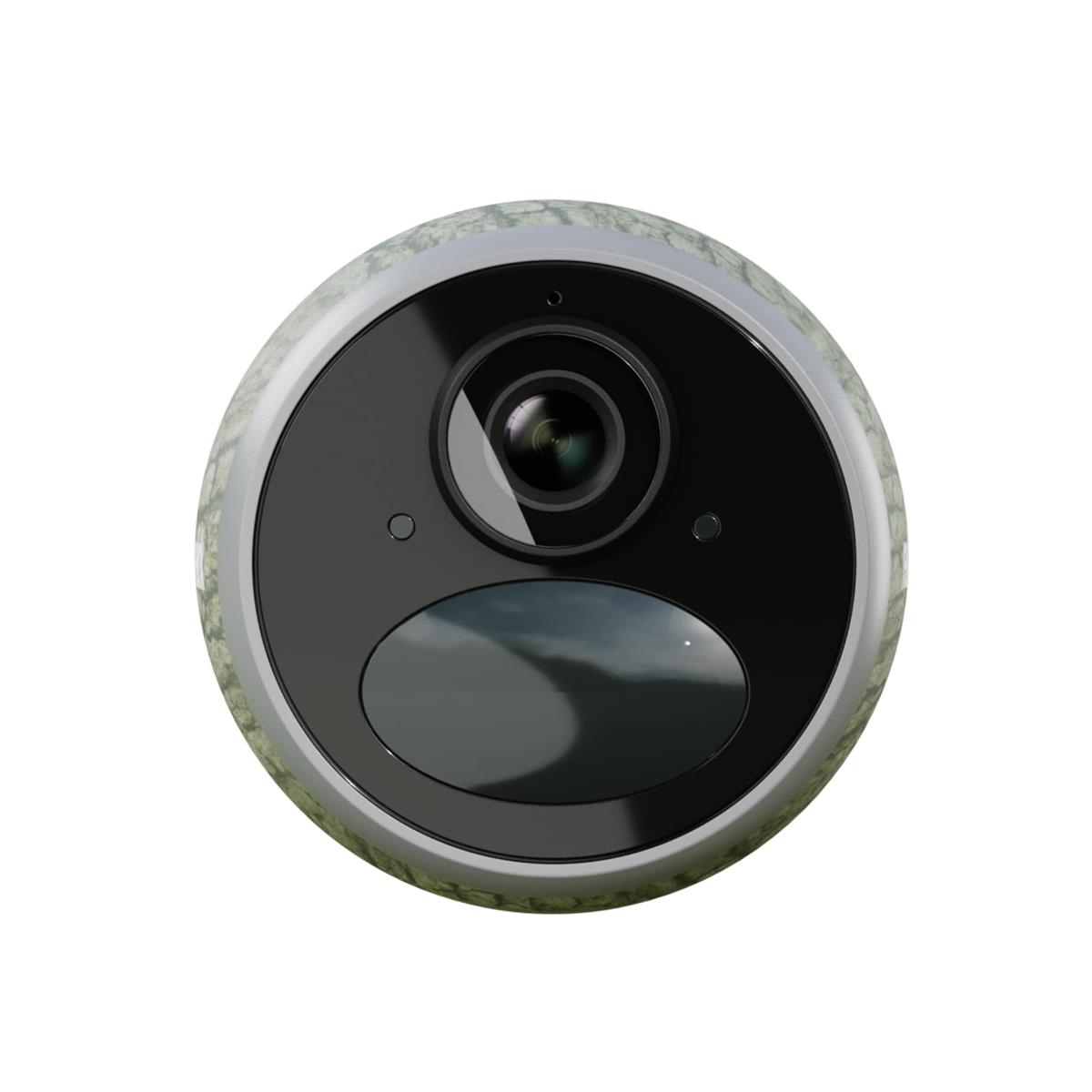
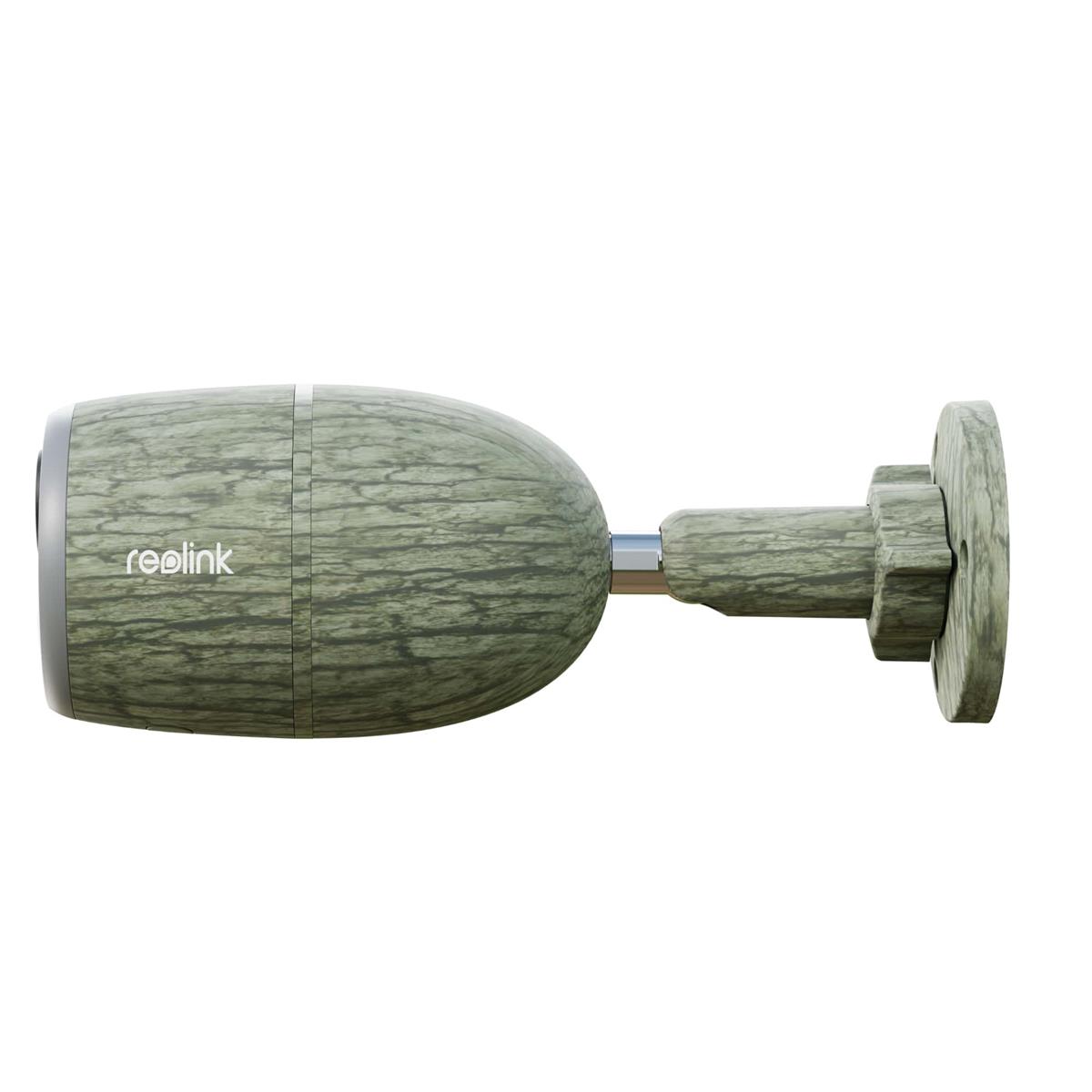
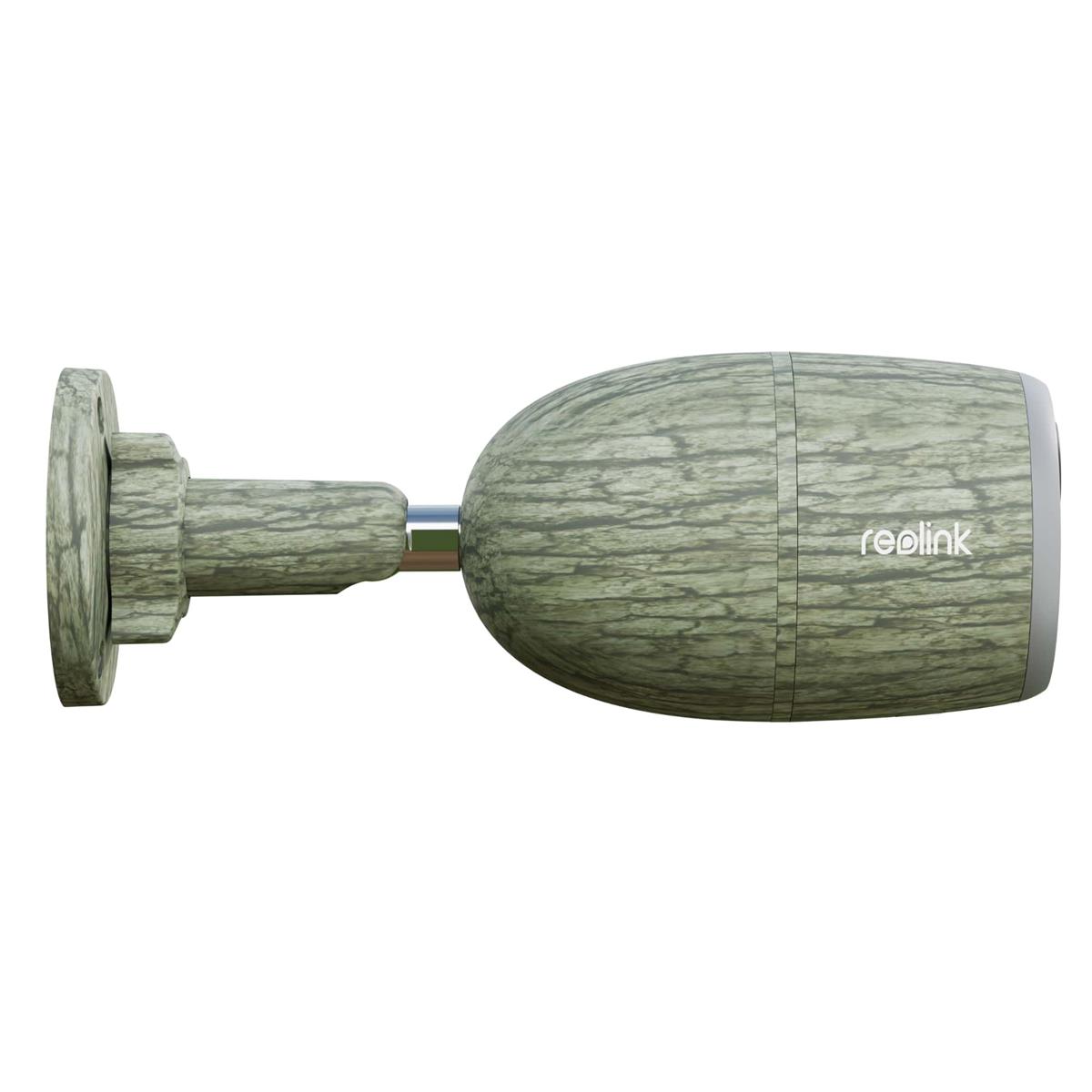
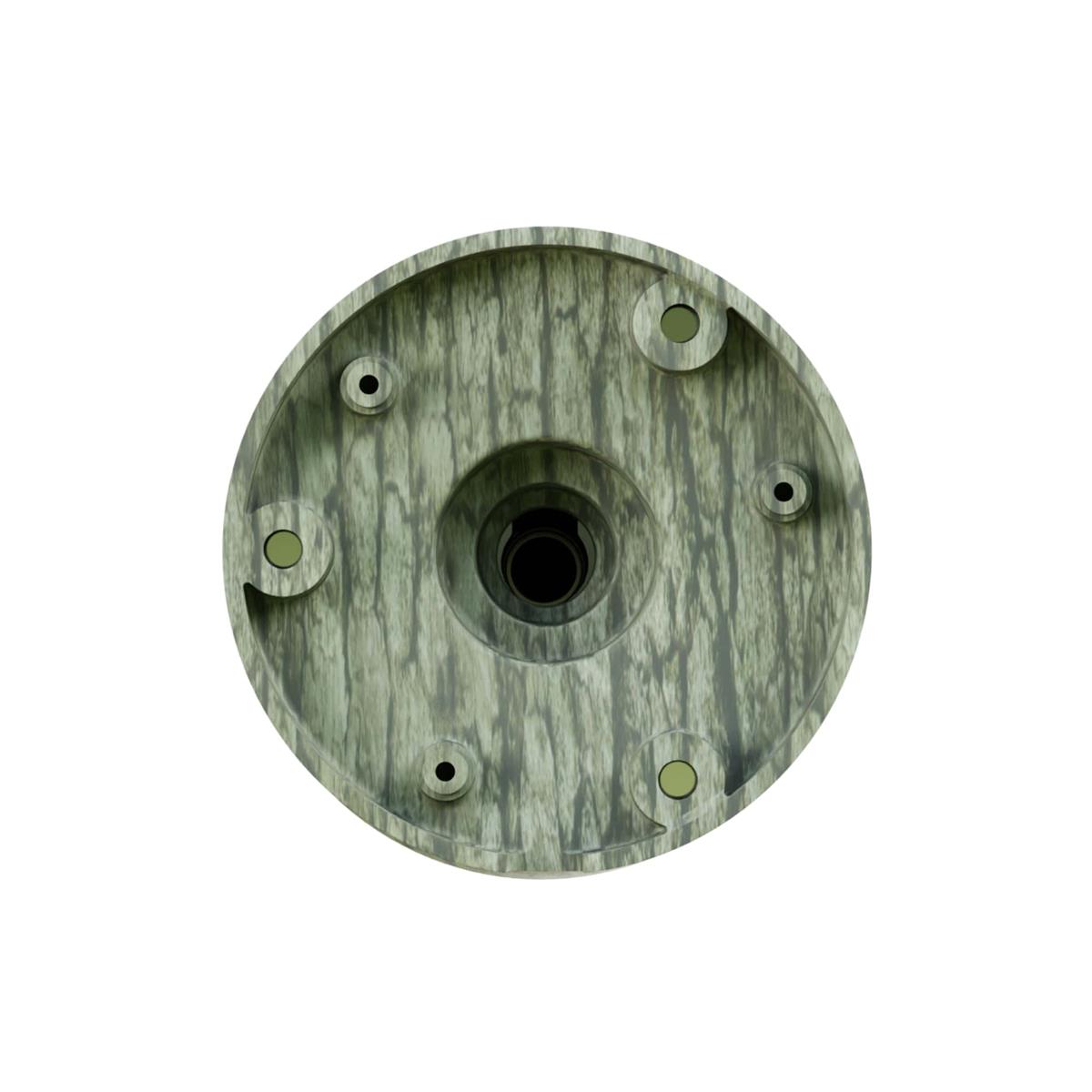
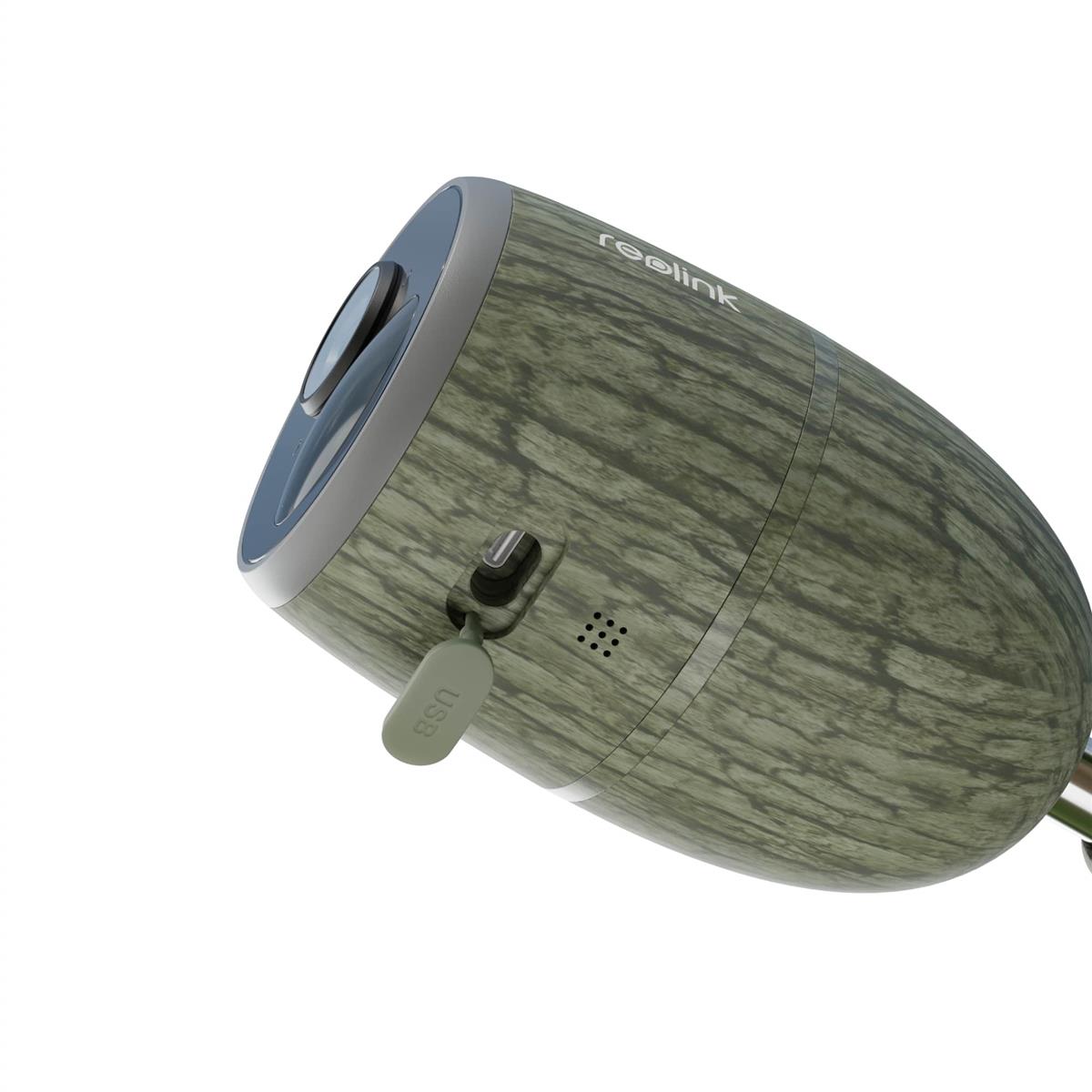


Description Reolink G330-C
The Go series means 4G LTE plus a battery: a site with no power and no internet
In Reolink's naming, Go stands for one specific thing: the camera has a SIM slot and goes online over a 3G/4G LTE mobile network while running on its own rechargeable battery. This is not a Wi-Fi camera with a backup cell — the G330 cannot connect to Wi-Fi at all, so a router on site is neither needed nor useful. In practice that lets you put a camera where there is no socket and no provider: a summer house, an open field, an apiary, a building site, a remote outbuilding or a property that is still under construction. The other side of the deal is that you need a data SIM and solid coverage at the exact spot where the camera will hang, so the sensible first step is to stand there with a phone and check how many bars of 4G you actually get. Where mains power and a network already exist, paying for the LTE module makes little sense: a wired camera of the same class costs half as much and delivers considerably more.
It records on events, not around the clock — the one thing to understand before buying
A battery camera physically cannot record 24/7: continuous capture would flatten the cell within a day, so the G330 sits in standby and wakes when its PIR sensor detects heat movement within about 10 metres and 120° horizontally. Person and vehicle recognition then kicks in, the camera saves a clip and goes back to sleep, which leaves you with a set of event fragments rather than an unbroken timeline. For perimeter watching that is often more convenient — ten clips to review instead of twenty-four hours of video — but the limitation deserves to be stated plainly: if something began before the PIR triggered, or a person moved outside the sensor's zone, there will be no footage of it at all. That is exactly why the Go series is wrong for a shop, a till area, a stockroom with accountable goods or any task that needs a continuous archive to settle disputes. For those jobs the same catalogue offers wired PoE models such as the Reolink P334 at UAH 4,249 or the P344 at UAH 5,199, which record without gaps.
Runtime, USB-C charging and the solar panel
Inside sits a 7,800 mAh battery, roughly 28 Wh, and real runtime depends not on the datasheet but on how often the camera is woken: a few events a day on a quiet plot means months between charges, while dozens of triggers next to a busy lane means weeks or even days. Charging is over an ordinary USB Type-C port from a 5 V 2 A adapter, which means you either take the camera down or run a USB cable up to it — and on a remote site each of those is a separate trip. This is why the Go series is normally paired with Reolink's 3 W solar panel using the same USB-C connector: with it the camera tops itself up and needs no attention for a whole season. It is worth confirming with us what exactly ships in the box for this particular listing, because the catalogue contains both bundles with a panel and versions explicitly marked as supplied without one. One winter caveat: the rated range is -10…+55 °C, and in frost any lithium cell gives up less capacity and recharges more slowly from a panel during short daylight hours, so the service interval gets noticeably shorter.
What you actually see at night: 4 MP, 105° and short infrared reach
The 1/2.7-inch sensor delivers 4 MP (2560×1440) at 15 frames per second, which is enough to recognise a person and understand what is happening, but not enough to read a number plate beyond ten or fifteen metres. The roughly 105° field of view covers a typical yard or driveway from a single point, and the sub-4K resolution here is a deliberate compromise rather than a shortcoming: a lighter stream means less mobile data and slower battery drain. Night illumination is infrared and short — Reolink's own specification for the G330 quotes about 10 metres — so this is a camera for the near zone, a gate, a doorway or the apron in front of a building, not for watching the far corner of a plot. There is no colour night mode: without a white spotlight you get a monochrome picture that shows a silhouette and what the person is doing, but not the colour of a jacket or a car. If colour at night is critical, the range has models with spotlights, and among wired cameras Hikvision and Dahua offer full-colour round-the-clock modes.
Storage on a 128 GB card, mobile data and cloud that is not compulsory
The camera encodes H.265 onto a microSD card of up to 128 GB, and because it only records on events that capacity lasts a long time — months of history on a quiet site rather than the three days a continuous 4K stream would manage. Reolink Cloud exists but remains optional: the basic combination of a SIM and a memory card works with no monthly subscription at all, which sets Reolink apart from brands whose cameras degrade into live-view gadgets without a paid plan. Mobile data deserves a quick estimate in advance, because every live view in the app is a full video stream over the LTE link, so a household that checks the camera ten times a day burns gigabytes and drains the battery on top. The sensible pattern is to rely on push alerts with preview images, watch clips in low quality, and pull the full-resolution recordings off the card when you are on site anyway. Note as well that no microSD card is supplied in the box.
Where this camera belongs, and where it is the wrong tool
It is made for places where running cables is expensive or impossible: an unguarded country house in winter, a plot awaiting construction, an apiary, a field with machinery, a container or trailer on a remote yard, a building site before the power is connected, a distant gate on a large property. It works best at two and a half to three metres, aimed across the direction of travel rather than along it, because a PIR sensor reacts far better to a subject crossing its zone than to one walking straight at the lens. Since the unit is fully self-contained and tethered to nothing, its physical security is a separate question: mount it out of arm's reach from ground level, because a cordless device is much easier to walk off with than one bolted to a cable. Do not buy a G330 for a shop floor, an office or a stairwell — those have both power and network, so a wired model gives a continuous archive and a better image for less money. It is equally unsuited to a 40-50 metre perimeter, where neither the short IR reach nor the PIR zone will get anywhere near the far end.
How it compares with its neighbours in this catalogue
Its direct relative at exactly the same UAH 9,499 is the Reolink Go Series G340: the same battery-plus-LTE logic, but an 8 MP sensor instead of 4 MP and support for the larger 6 W solar panel. For equal money the G340 is the better buy wherever detail matters, while the G330 makes sense when the priorities are mobile data and runtime, because a 4 MP stream is simply lighter to move and to store. The Go Series G430 at UAH 8,999 is a 5 MP pan-tilt model that can look around, but the catalogue lists it as the version without a solar panel, so its autonomy has to be maintained by hand; the Go PT Plus at UAH 7,199 is cheaper and also motorised, yet it is 4 MP and an older generation. If the site does have power and a network, the comparison turns harsh: the Hikvision DS-2CD2T83G2-4LI at UAH 9,342 gives 8 MP, 80 metres of illumination and continuous recording for almost the same money, and the Dahua DH-IPC-HFW2849T-AS-IL at UAH 8,550 offers 8 MP with 50 metres of reach and full colour at night. So the decision is simple to phrase: you buy a G330-С not for its specification but for independence from power and internet, and if you do not need that independence, the same budget spent on a wired camera buys roughly twice the camera.
Tell us where the camera will be mounted and whether there is 4G coverage there, and we will advise whether one Go-series unit is enough or a small wired section with a recorder would serve you better.
Characteristics Reolink G330-C
Reviews about Reolink G330-C from real users
No reviews found







