
 m. Сміла, Незалежності, 67г. оф, 406/6























REOLINK GO PT PLUS (4 MP) - PAN-TILT STANDALONE IP CAMERA

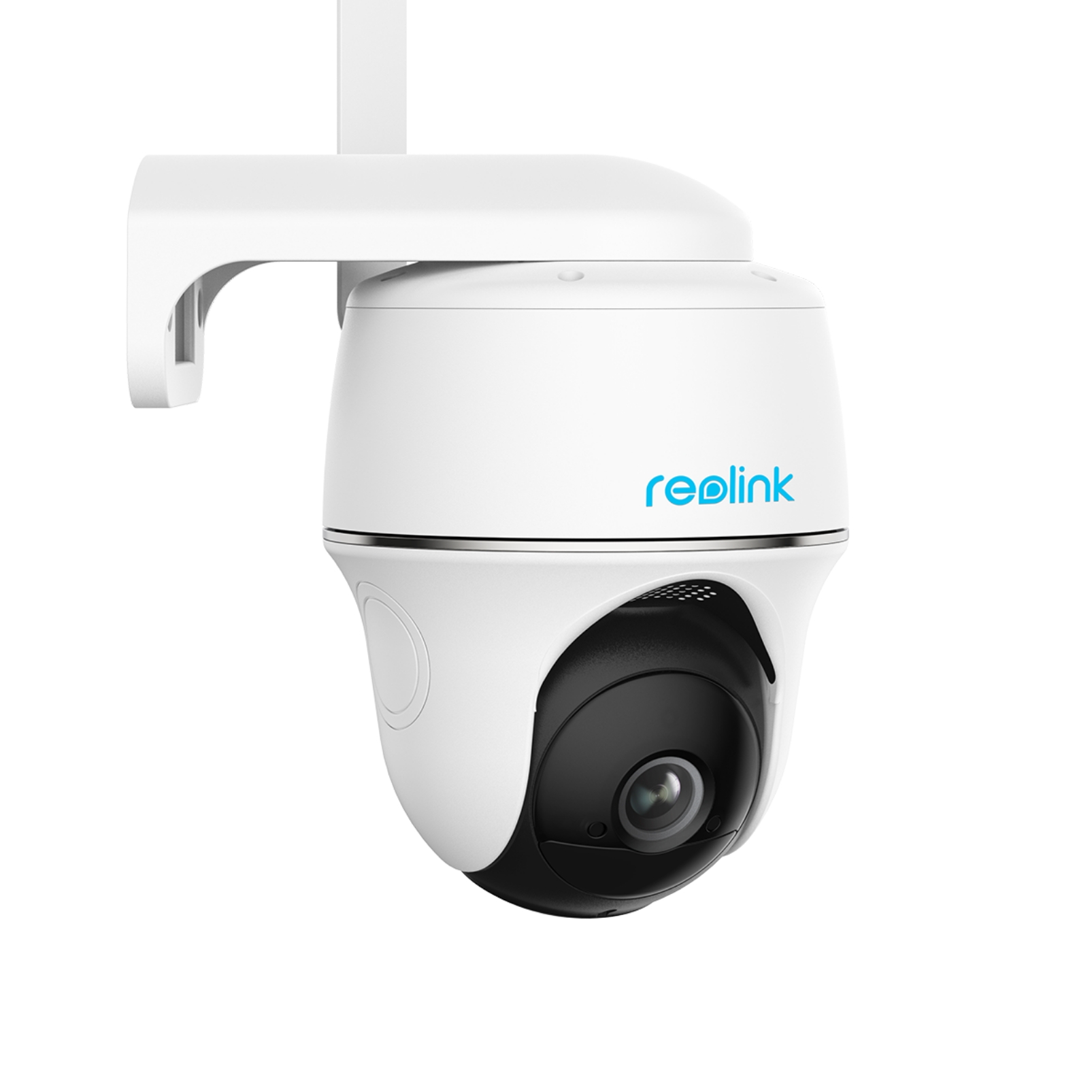
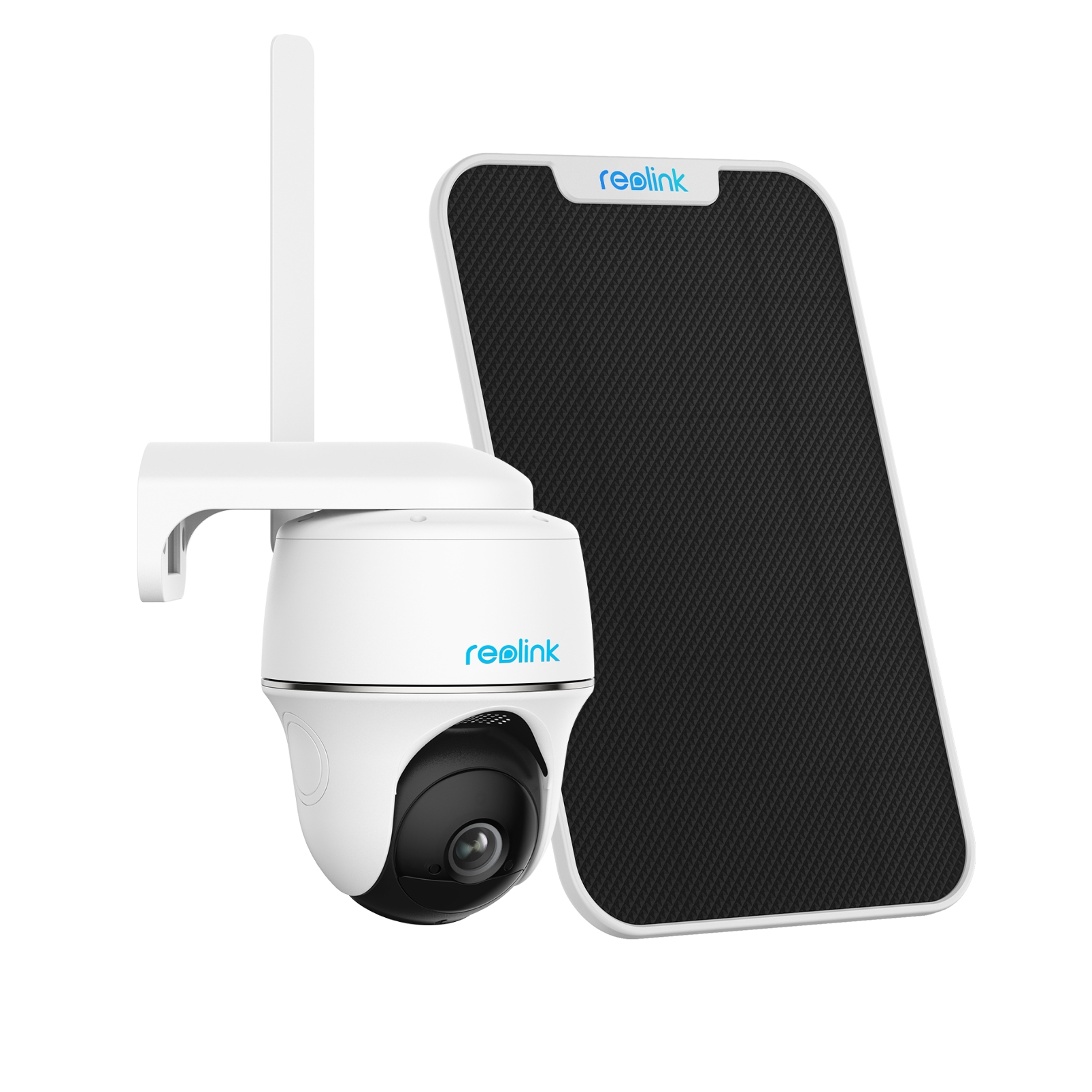


Description Reolink Go PT Plus
4G LTE with its own SIM card: a camera for sites with no power and no internet
Go PT Plus does not rely on Wi-Fi at all — it carries a 4G LTE modem and a nano-SIM inside the housing, so neither a router nor a local internet provider is required. That makes it one of the very few practical options for a construction site, a field, a beehive yard, a trailer or a summer house where the grid has not arrived yet; the only prerequisite is a confident carrier signal at the mounting point. Check that signal in advance with a phone, held at the height where the camera will actually hang: one or two bars mean longer waits before the live view opens and a faster drain, because the modem raises its transmit power when reception is poor. Choose a data-oriented SIM plan rather than a voice one, and keep in mind what actually consumes traffic — live viewing and clip uploads, while push notifications cost next to nothing. The honest flip side: if the site already has stable Wi-Fi, you are paying for a modem and a monthly data plan you do not need, and a battery-powered Argus from the same brand makes more sense.
Event-based recording rather than round-the-clock: what the archive really looks like
The camera sleeps most of the day and is woken by a PIR sensor that reacts to the heat contrast of a moving body at roughly ten metres; only then does the imager spin up and recording begin. What you end up with is a set of individual clips built around each trigger, not a continuous timeline you can scrub back to any minute of last night. Clips are written to a microSD card of up to 128 GB inside the camera, which means the connection is needed for viewing rather than for recording — if the network drops, the camera keeps capturing and you collect the footage later. This model answers the question "who came to the site" very well, and it fundamentally cannot answer "prove that nobody was near the equipment at 14:20", which matters a great deal when goods or machinery are under someone's liability. One more thing worth expecting: a fraction of a second passes between the sensor firing and the first recorded frame, so a person crossing the edge of the sector quickly is sometimes captured from behind.
355° pan and 140° tilt: one camera instead of three fixed ones
The motorised head turns the lens through almost a full circle horizontally and 140° vertically, so a single mounting point covers both the far corner of the plot and the ground directly under the pole. The app stores up to 32 preset positions plus a separate watchpoint the camera returns to on its own, which is handy when the gate matters during the day and the material store matters at night. Control is manual: you switch between positions or sweep the area from the phone, and this is exactly where the limitation of any pan-tilt design shows up — the camera only sees the direction it is currently facing. Anything that happens behind the lens is not recorded at all, so a single motorised unit should never be treated as a replacement for two or three fixed cameras around a large perimeter. The motor also draws power, so continuous patrol sweeps on a battery-only installation quickly turn into a weekly recharging routine.
A 6000 mAh battery and the version that ships without the solar panel
The housing holds a 6000 mAh pack, and this particular listing is the variant supplied without a solar panel — so you either take the camera down periodically and charge it over USB-C, or buy the Reolink panel separately. A panel matters more here than on a Wi-Fi model: the cellular radio maintains a link with the base station and the pan-tilt motor adds its own consumption, so real-world autonomy on a busy site is counted in weeks rather than months. As a rough guide, a dozen triggers a day with occasional viewing keeps the camera alive for several weeks, while constant movement in frame plus daily live sessions cuts that figure several times over. Winter deserves a separate correction: cold weather reduces the usable capacity of a lithium cell and the short day gives the panel less energy, so a remote installation will most likely need a manual top-up in December or January. If the site is far away and climbing up there with a power bank is inconvenient, budget for the panel together with the camera rather than later.
A 4 mm lens, a 90° view and what the night image gives you
The 4 mm F1.6 lens produces a horizontal field of about 90°, which is narrower than the common 2.8 mm optics but renders any subject noticeably larger at the same distance — the right trade for a pan-tilt camera, where width is gained by turning rather than by the lens. The sensor delivers a 2K-class image at 15 frames per second: a person walking across the yard or a vehicle pulling onto the site is easy to follow, while a fast car covers several metres between adjacent frames and a frame-by-frame review of such an episode comes out choppy. At night two tools work in turn — 850 nm infrared LEDs give a black-and-white picture to roughly ten metres, and the 6500 K white spotlights fire on an alarm and turn the scene to full colour. Colour at night is not cosmetic: it is what tells you the jacket was blue and the trailer white, whereas a monochrome frame leaves you with a silhouette nobody can act on. Be realistic about range: ten metres of illumination covers a canopy, a gate or machinery parked next to the site cabin, not the far edge of a field, and reading number plates with this optic is realistic only within the first few metres.
Where this camera belongs and where it will disappoint
Typical deployments are construction without mains power, an off-season country house, a garage or barn in open country, equipment and materials on an unfenced yard, or a temporary point that will be moved elsewhere in a few months. The metal-and-plastic body weighs 485 g and mounts to a pole, wall or tree with the supplied bracket, while the built-in microphone and speaker let you warn somebody who has walked up to the machinery instead of merely watching them do it. The IP64 rating covers dust and splashes from any direction, but not a pressure jet or prolonged soaking, so the camera should hang under an eave or canopy — or at least be tilted down — rather than stand exposed to driving rain. The -10…+55 °C range copes with most of a Ukrainian winter, yet a long frost visibly shortens the time between charges, which is one more argument for the solar panel. Where it does not belong: a shop or warehouse that needs a continuous archive, a busy street whose traffic will drain the battery within a week, and any location with unreliable carrier coverage.
How it compares with the neighbouring Reolink models in this catalogue
The simplest relative here is the Go Series G330-C: the same SIM-and-battery logic in a fixed bullet body, so it is cheaper and gentler on the battery, but it only ever looks one way. The Go Series G340 offers 8 MP instead of 2K, which means considerably more detail for identification, again without any pan — the choice when image quality on one specific approach matters most. The Go Series G430 without solar panel is the closest direct alternative: a newer-generation motorised LTE camera with higher resolution, and if the extra outlay is acceptable it is the more sensible pick for the same scenario. Pulling in the opposite direction are the battery-powered Argus B340 and B430 — they run over Wi-Fi, so no SIM and no monthly data bill, but they do need internet on site. And separately: if a network cable can be pulled to the spot after all, the wired P334 or RP-PCT8M deliver genuine 24/7 recording, higher resolution and thirty metres of night illumination — everything a battery camera cannot provide by design.
Tell us which carrier has solid coverage at your site and roughly how many events a day you expect in frame, and we will advise whether one motorised camera is enough or two fixed ones would serve you better — and whether the solar panel is worth adding straight away.
Characteristics Reolink Go PT Plus
Reviews about Reolink Go PT Plus from real users
No reviews found







