
 m. Сміла, Незалежності, 67г. оф, 406/6























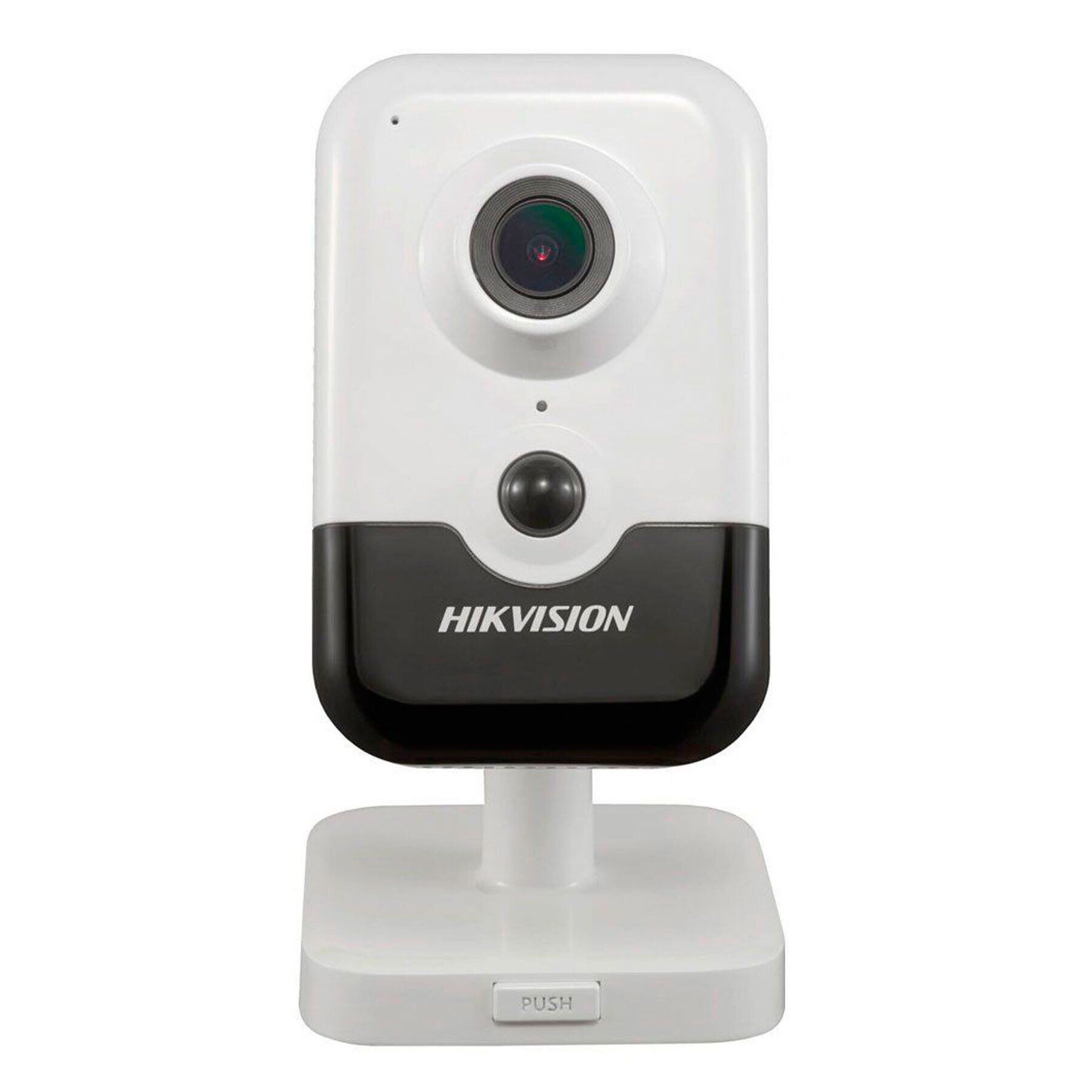
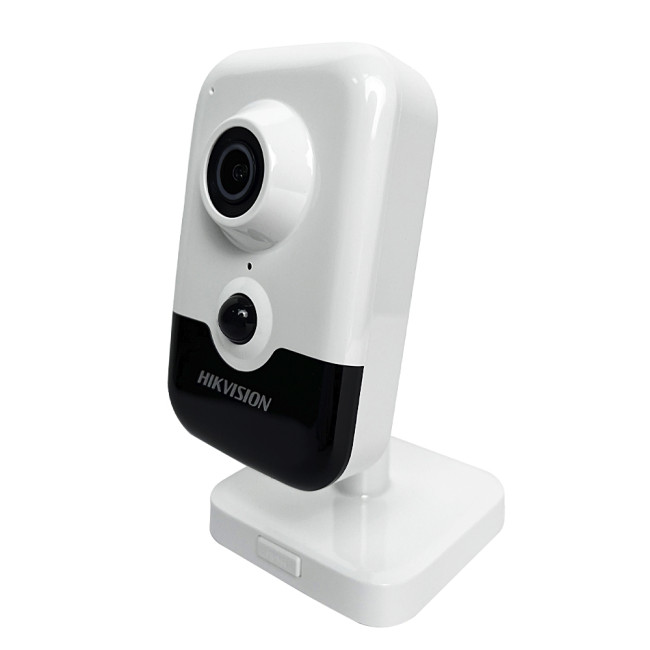
HIKVISION DS-2CD2443G2-I (4 MP/2.8 MM) - CUBE IP CAMERA

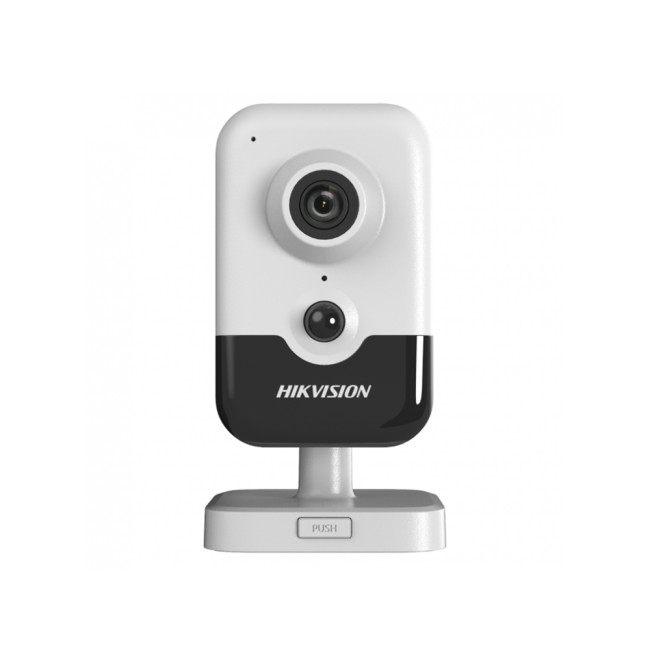
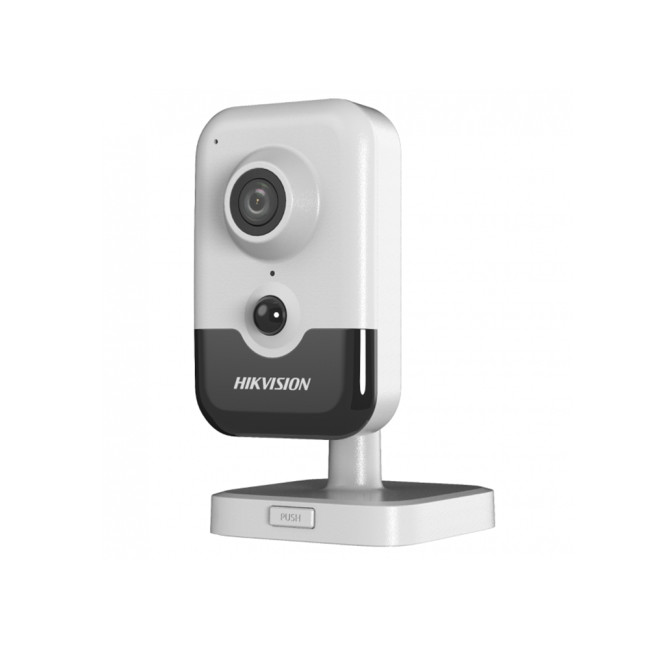
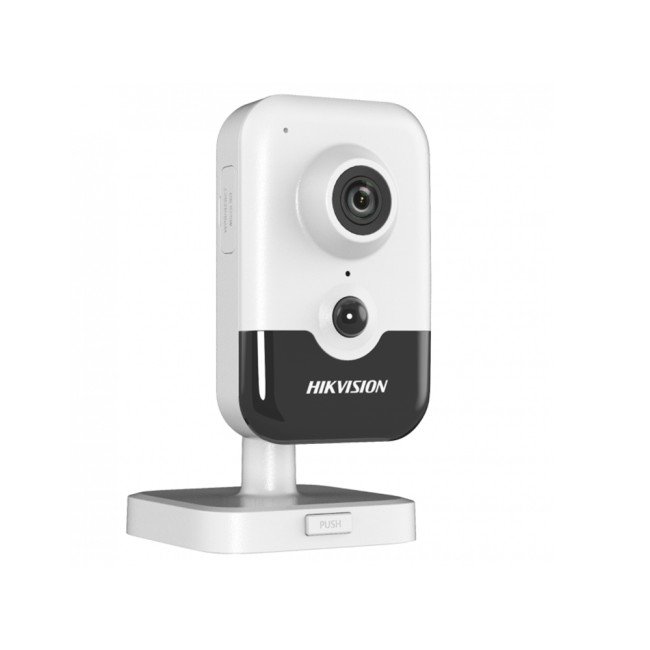
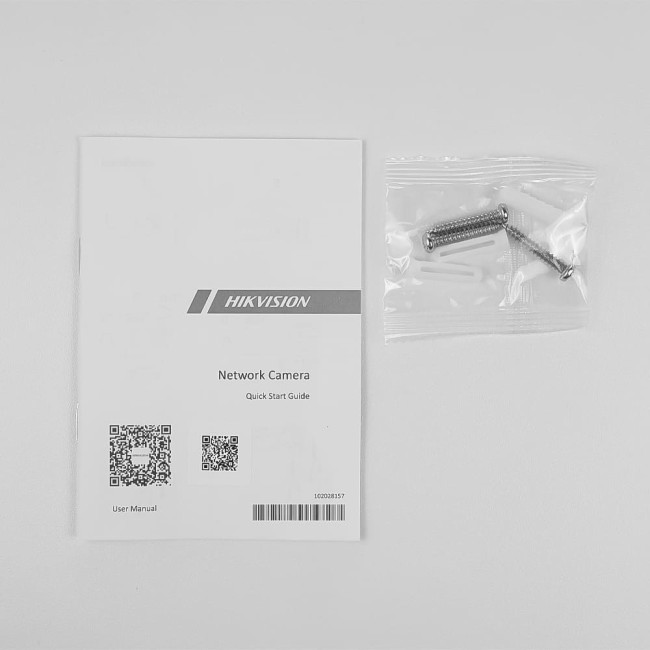
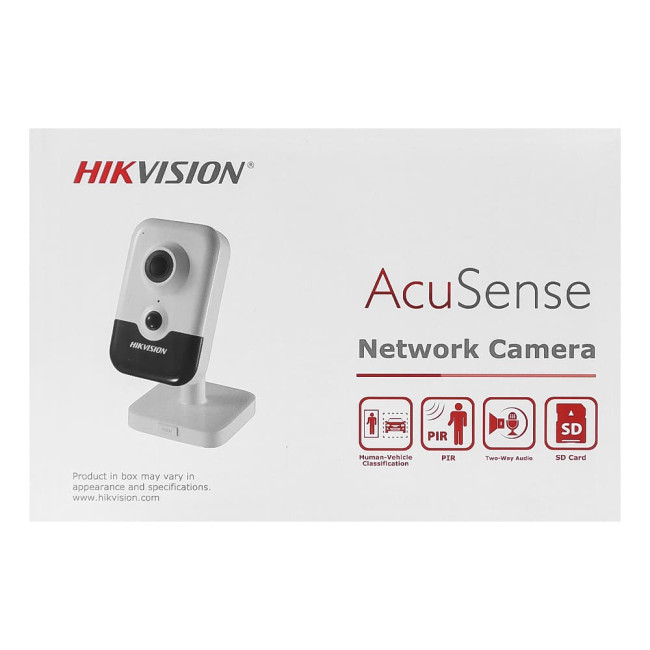
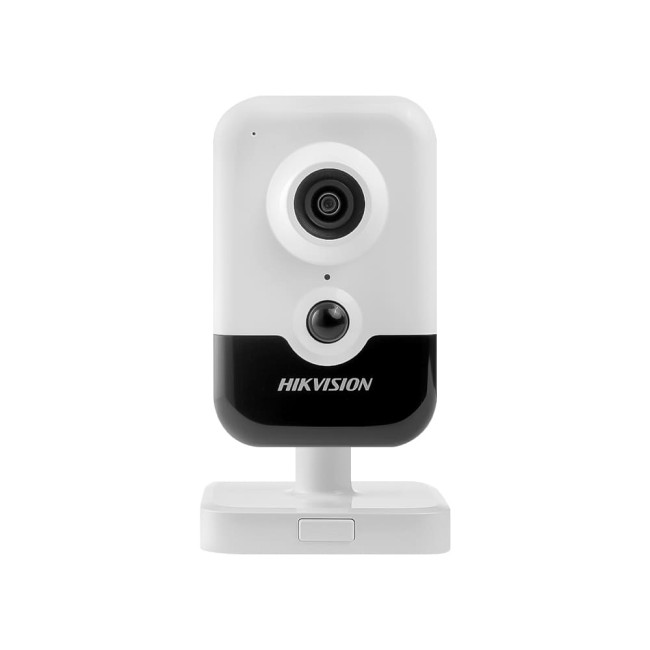
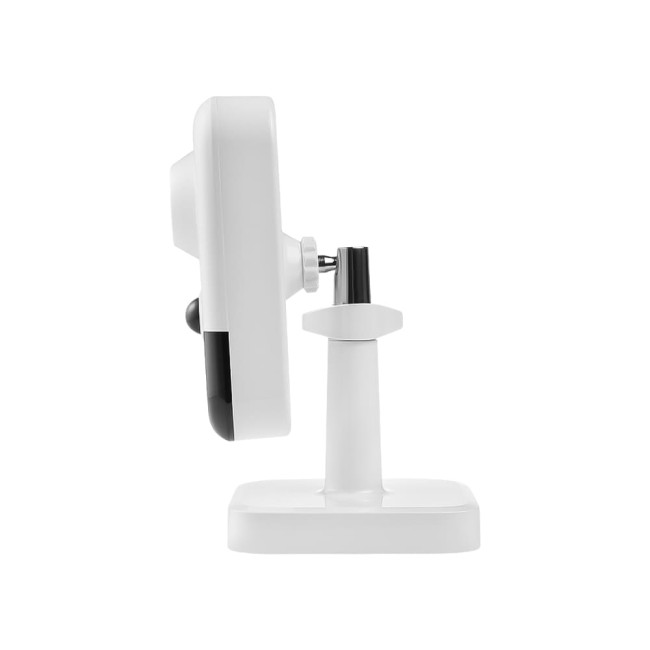
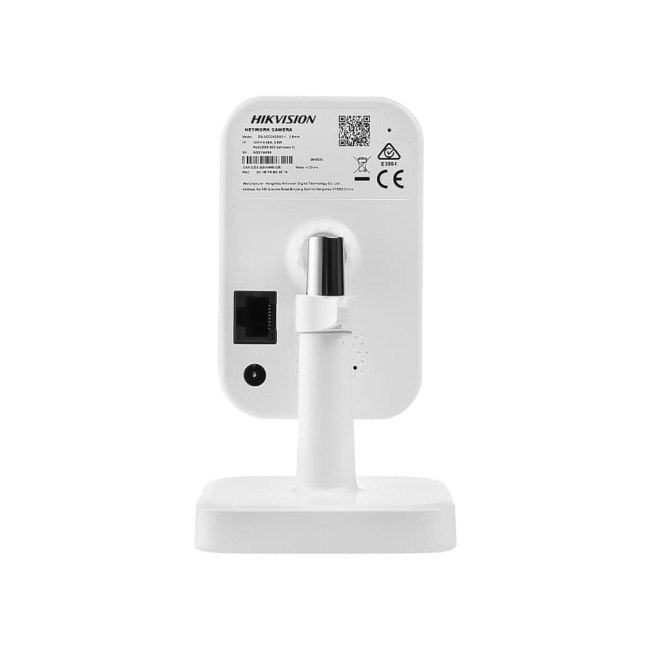
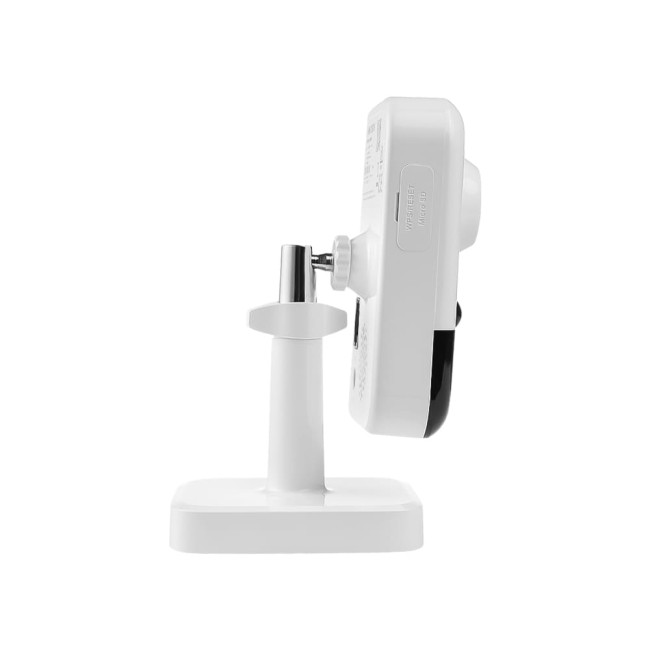
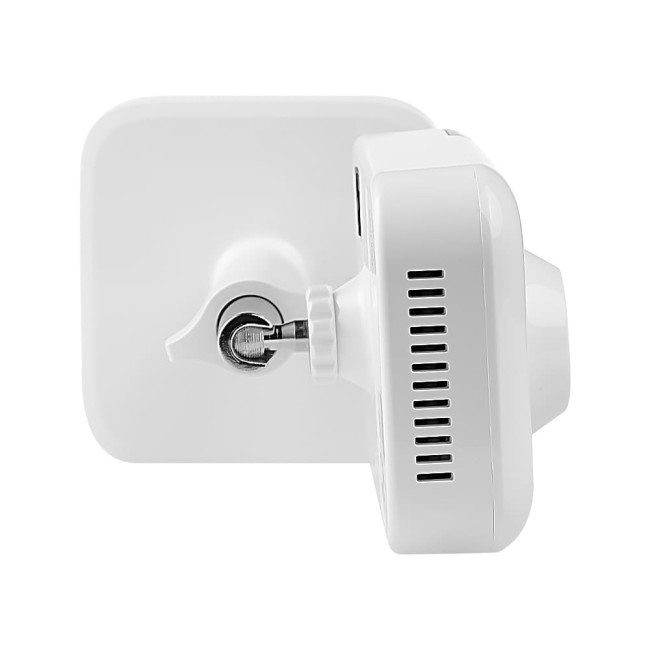
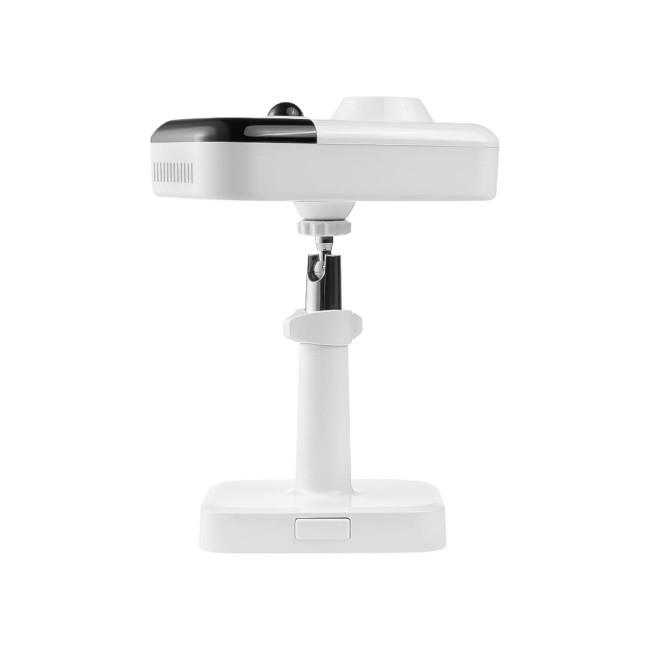
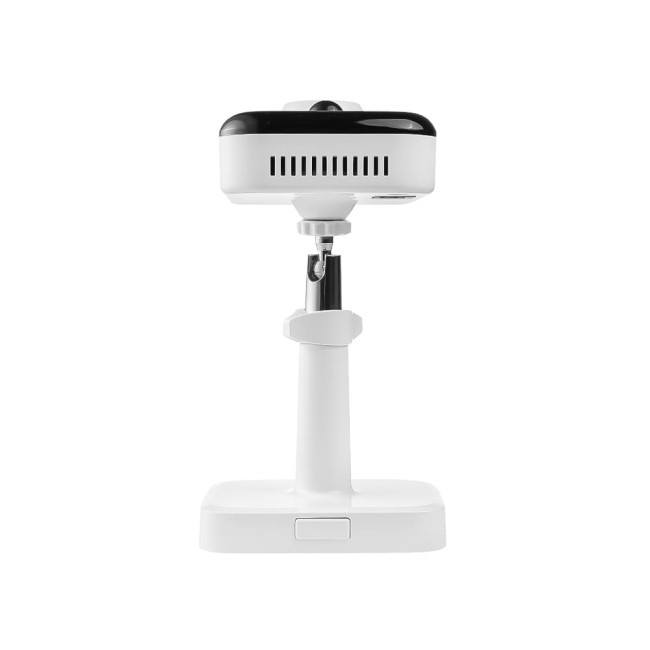
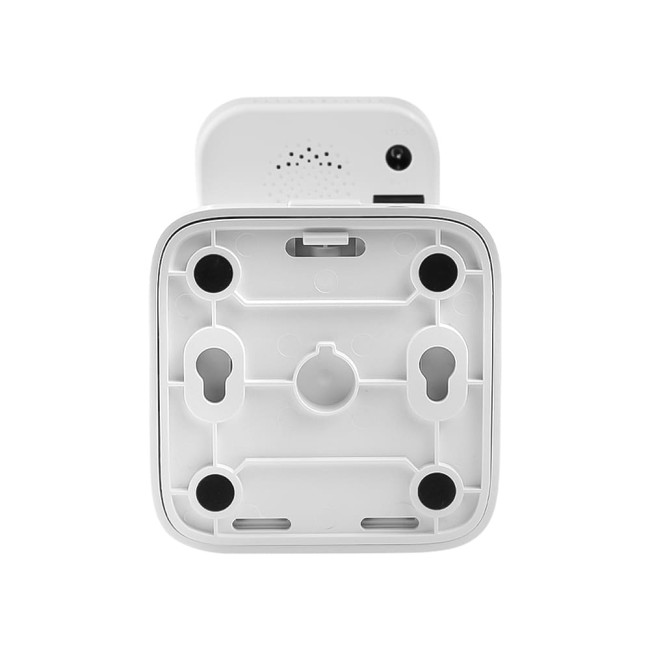


Description Hikvision DS-2CD2443G2-I
Reading the name DS-2CD2443G2-I piece by piece tells you the camera's class
Hikvision model names work like a compressed spec sheet, and the first meaningful digit sits immediately after DS-2CD: a 1 would mark the budget Value line, while a 2 marks the Pro-Series EasyIP range with the full network protocol stack, HTTPS encryption and support for enterprise clients such as HikCentral. The following digits 44 encode the cube form factor and a 4-megapixel sensor delivering a real 2688×1520 frame, roughly twice the pixel count of the 2 MP cameras that dominate the low end of the market. G2 is not firmware version 2.0 but the second hardware generation, the one that introduced the AcuSense neural engine — and that two-character marking, far more than the megapixel figure, explains most of the price gap between Hikvision models. The trailing I means conventional infrared illumination with no white light, and the missing W tells you there is no Wi-Fi here, unlike the easily confused DS-2CD2443G2-IW. Put together buys an indoor cube camera from the professional line with four megapixels and genuine on-board AI, and the deciding argument is those two characters G2.
This model does have AI detection, and it decides whether your system still works in a month
AcuSense is a neural network running on the camera's own processor that sorts moving objects into people, vehicles and everything else, so an alarm is raised only for the category you selected. The gap between this and a camera without AI is structural, not cosmetic: a plain motion detector fires on any pixel change — a cat on the windowsill, a curtain moving in a draught, a patch of sunlight crawling across the floor, a television switching on — and a single day easily produces dozens of such events. After a week the owner stops reading the notifications, after another week switches them off entirely, and the security function simply disappears: the camera becomes a passive archive people only open after something has already happened. Here a normal day in an empty flat or office produces zero push messages, and when one does arrive it means there is a person in the room and reacting is genuinely worthwhile. One detail that rarely gets mentioned: on this model the target-type filter lives inside the deep-learning rules — line crossing and intrusion — while the basic motion detector stays ordinary, so you should configure the perimeter rules rather than blanket whole-frame motion.
A PIR sensor and 10 metres of IR: why this is strictly an indoor camera
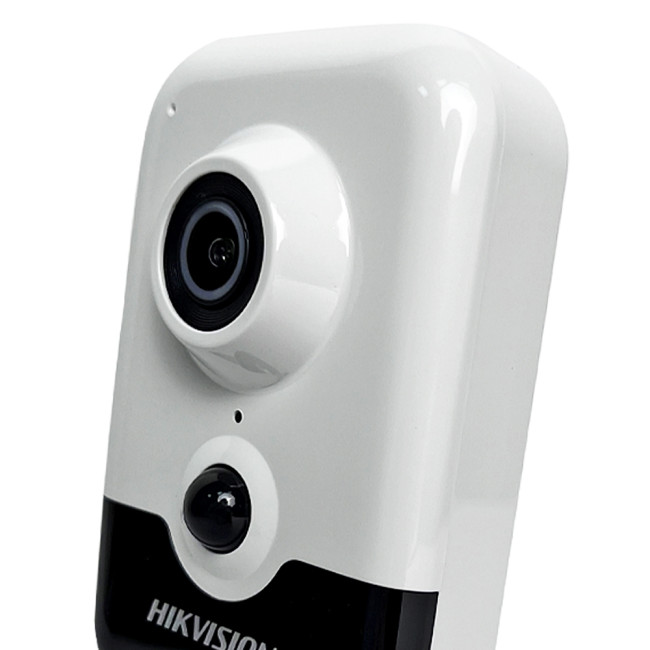
Besides the video analytics the housing contains a passive infrared sensor, the same type used in alarm motion detectors, covering 90° horizontally out to about 8 metres. It responds to body heat rather than to changes in the picture, so it works in total darkness before the illuminator even comes on and gives you a second, independent confirmation channel: when PIR and the neural network agree, there is almost certainly a person in the room rather than a reflection. The IR range is deliberately modest at up to 10 metres — not cost cutting but a design choice, because a cube camera is meant for a room, a hallway or a small office where stronger LEDs would simply blow out the opposite wall. That leads straight to the model's hard limit: it carries no ingress protection rating at all, its operating range starts at -10 °C, and the plastic body weighs just 120 grams, so it must never go outdoors, onto a facade or even under a canopy. If your task is external, look at models that list IP67 in their specifications and keep this one where it earns its money — inside.
What you actually see: official DORI figures of 56 / 22 / 11 / 5.6 metres
Hikvision publishes a full DORI table for the 2.8 mm version of this camera, so there is no need to guess: it can detect that someone is present at 56 metres, observe what that person is doing at 22.2 metres, recognise someone already known to you at 11.2 metres, and identify a stranger by facial detail suitable for a report at 5.6 metres. Translated into practice, a camera above a till or in a corridor with people passing two or three metres away will give confidently recognisable faces; the same camera in the corner of a large hall, aimed at the far wall fifteen metres away, will not deliver usable facial detail no matter what resolution the listing advertises. The 104.3° horizontal field of view covers a 4×5 metre room almost completely from a single mounting point, which is the whole reason wide optics belong indoors. The sensor runs at 25 frames per second at full resolution, so a person walking briskly past does not dissolve into smeared frames during a frame-by-frame review. The trade-off never changes: 2.8 mm shows the general picture beautifully, but detail at distance requires either moving the camera closer to the subject or adding a second unit with narrower optics.
Two-way audio and 120 dB WDR solve two very specific problems
The housing carries both a microphone and a 1 W speaker, which means full two-way audio: you hear what is happening in the room and can answer through the app. The scenarios where this genuinely gets used are thoroughly domestic — telling a child you are on your way home, calling a dog off the sofa, or simply letting a stranger inside the premises know by voice that they are being seen and heard. The 120 dB wide dynamic range addresses a far more common problem: with a window behind a person an ordinary camera shows a bright rectangle and a black silhouette with no face, whereas WDR combines several exposures and pulls detail out of both the bright and the dark zones. That is precisely why cube cameras end up in retail floors and offices with large glazing. Even 120 dB has a ceiling, though: point the lens straight at a window filling the frame with sky and the brightness difference exceeds what the processing can handle, so it is better to mount the camera beside the window or with its back to it.
Power, storage and compatibility: what to check when planning the system
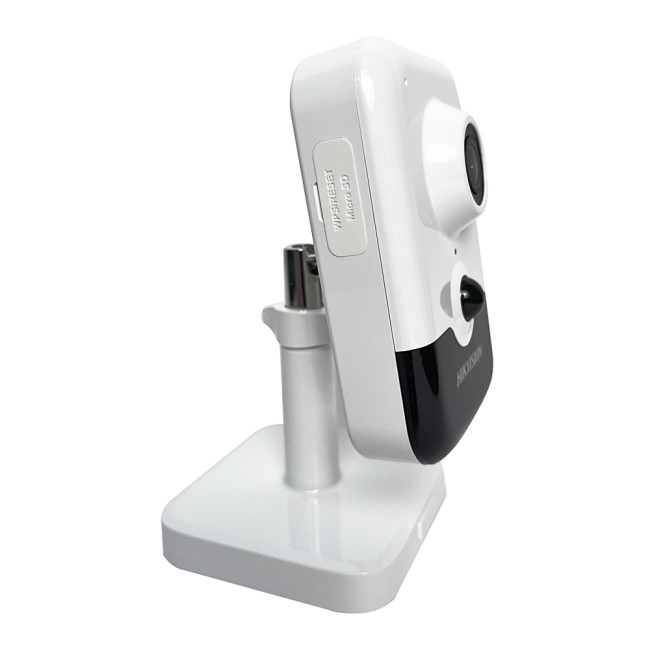
The camera runs either on 12 V DC drawing up to 5.8 W or over PoE 802.3af Class 3 with a 6.8 W maximum, and that last figure is worth remembering when choosing a switch: eight such cameras add up to roughly 55 W, which a budget 8-port PoE switch rated at 60-65 W covers only just, with no headroom left. Inside there is a microSD slot for cards up to 256 GB, so the camera can record on its own without any recorder; in our experience a 128 GB card with H.265+ and event-only recording holds several weeks of history, while continuous recording brings that down to a few days. ANR adds an important refinement: if the link to the recorder drops, the camera keeps writing to the card and then backfills the missing segment into the archive once the network returns, leaving no gap in the timeline. Integration is a non-issue — ONVIF Profiles S, G and T are supported alongside ISAPI and SDK, so the camera drops into a third-party NVR or VMS without drama, and both Home Assistant and the Hik-Connect cloud work. Warranty is 12 months, the unit is made in China, and at 102.9×65.2×32.6 mm it can simply stand on a shelf instead of being screwed to a wall.
Where this camera belongs and what it was built for
A cube body on a stand is the put-it-down-and-move-it format: no ceiling drilling required and it relocates from room to room easily, which makes it convenient in rented flats or offices where permanent installation is not an option. Its natural jobs are the inside of a flat or house, a small office, a room with a safe, a reception desk, a pharmacy or jewellery counter, a room with a child or an elderly relative — anywhere picture, sound and the ability to answer by voice all matter together. It pairs especially well with an away mode: PIR and AcuSense together give a dependable trigger on a human being, and zero false alarms per day means you treat each push message seriously. Where it does not belong: any outdoor position, an unheated porch, a damp basement, and rooms deeper than about fifteen metres, where neither the 10-metre illuminator nor the facial detail at the far wall will be there. If you need the front door watched from outside, the logic changes — put a weatherproof model on the facade and keep this one indoors as the second line.
How it compares with neighbouring models in this catalogue
The closest competitor by job is the Dahua DH-C4K-P: also an indoor 4 MP cube with human and vehicle recognition, and with Wi-Fi alongside Ethernet, which makes the gap in Dahua's favour hard to ignore. The honest advice runs like this: for a home camera working on its own the Dahua is the more rational buy, while the Hikvision makes sense when there is already a Hikvision recorder on site and you want one app, one interface and one alarm logic, or when you specifically need ONVIF Profile G, HTTPS and HikCentral — none of which the Dahua cube offers. The cheaper Dahua DH-C5A advertises 5 MP and AI, but it is a different class of device: Wi-Fi only, USB powered, no PoE and no serious integration. Within Hikvision itself the comparison is instructive: DS-2CD2421G0-I is also an indoor camera, but a G0 generation one — 2 MP and no AI detection whatsoever — which is exactly why it costs less; take it only if you do not want notifications at all and the camera records to an NVR around the clock. And if the task turns out to be outdoors after all, look elsewhere entirely: DS-2CD1343G2-LIUF offers the same 4 MP and the same human and vehicle detection but with IP67, a metal body and hybrid illumination, and it costs less than this cube.
Tell us which room the camera is meant for and whether a recorder is planned, and we will advise whether the Pro line with AcuSense is really needed here or a simpler, cheaper model will close the task.
Characteristics Hikvision DS-2CD2443G2-I
Reviews about Hikvision DS-2CD2443G2-I from real users
No reviews found







