
 m. Сміла, Незалежності, 67г. оф, 406/6























HIKVISION DS-2CD1323G2-LIUF (2 MP/2.8 MM) - DOME PoE IP CAMERA

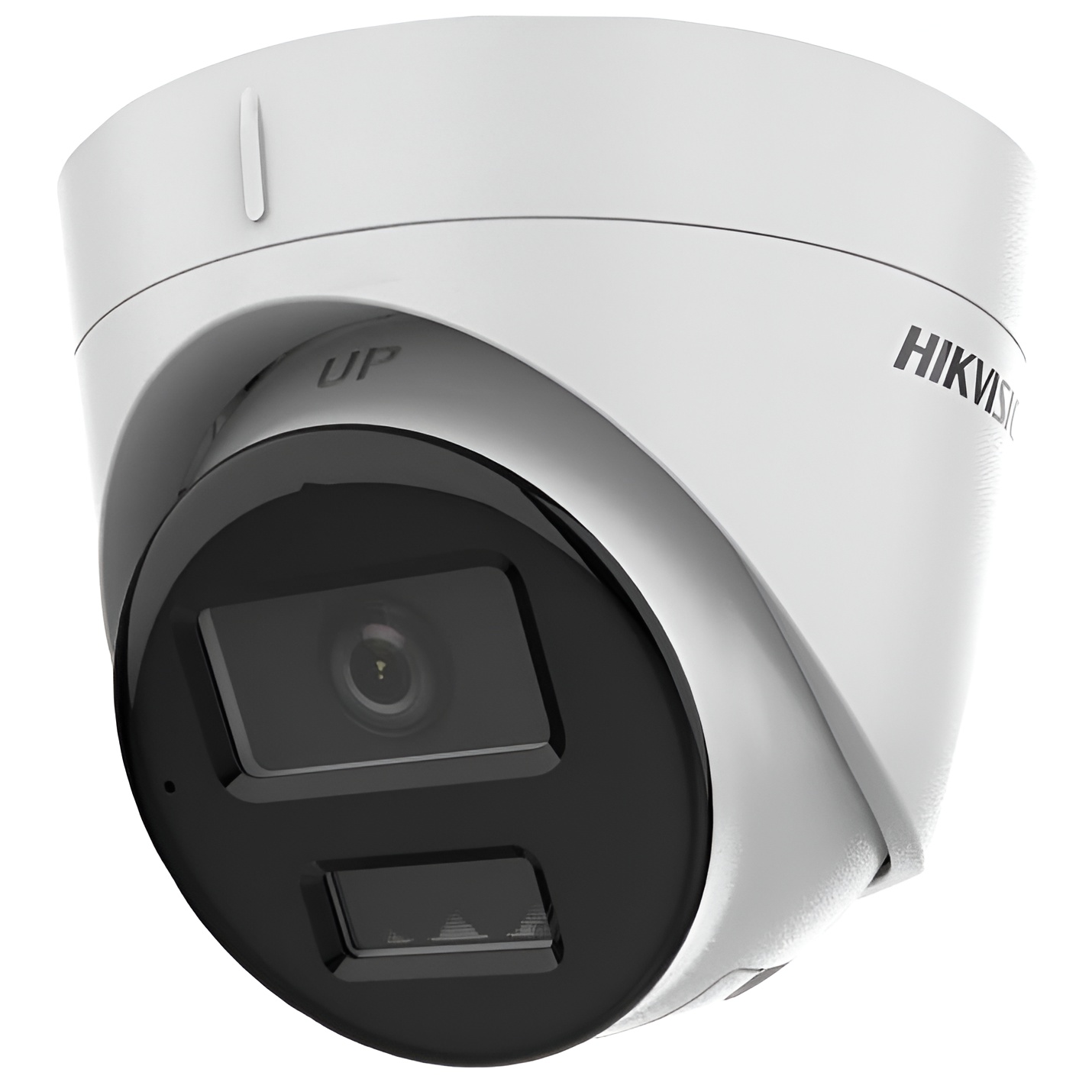
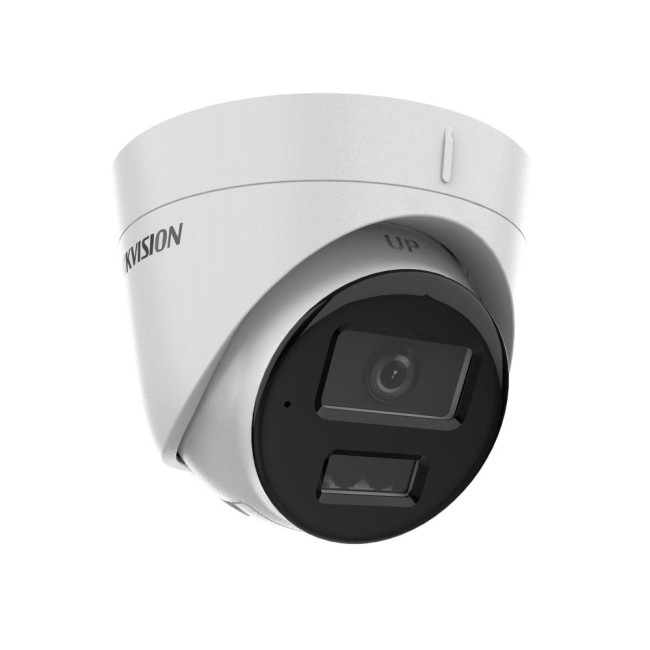
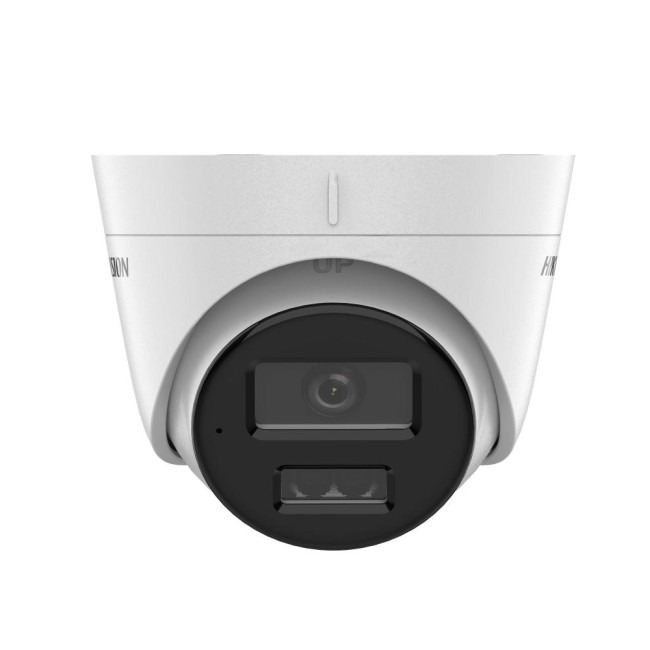
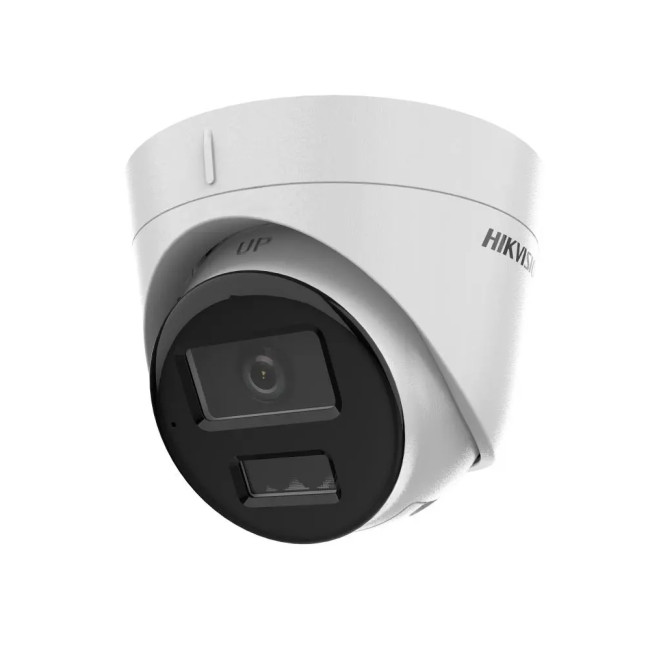
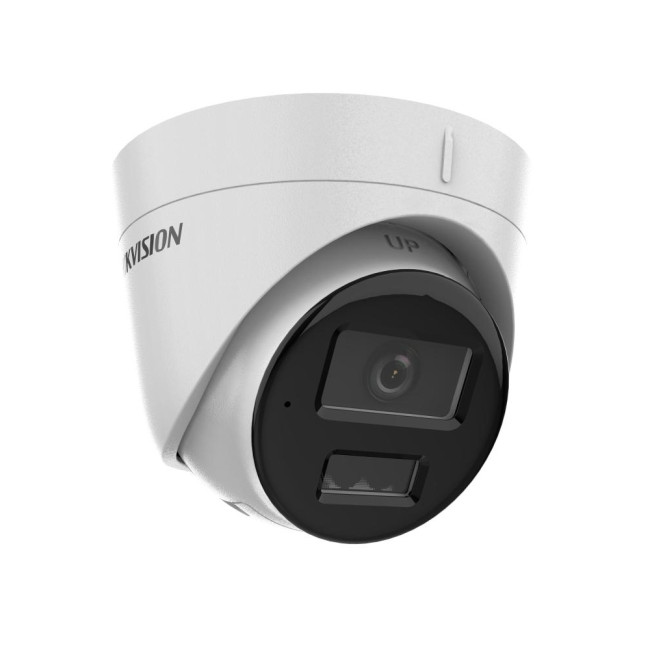
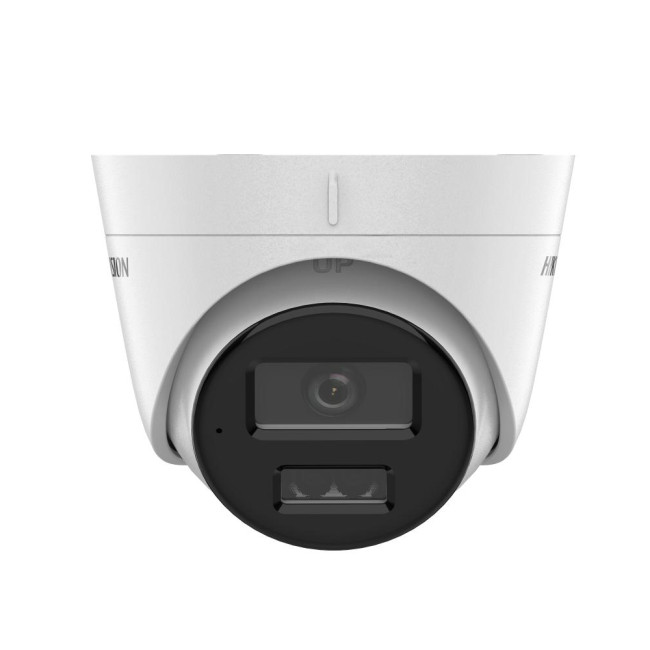
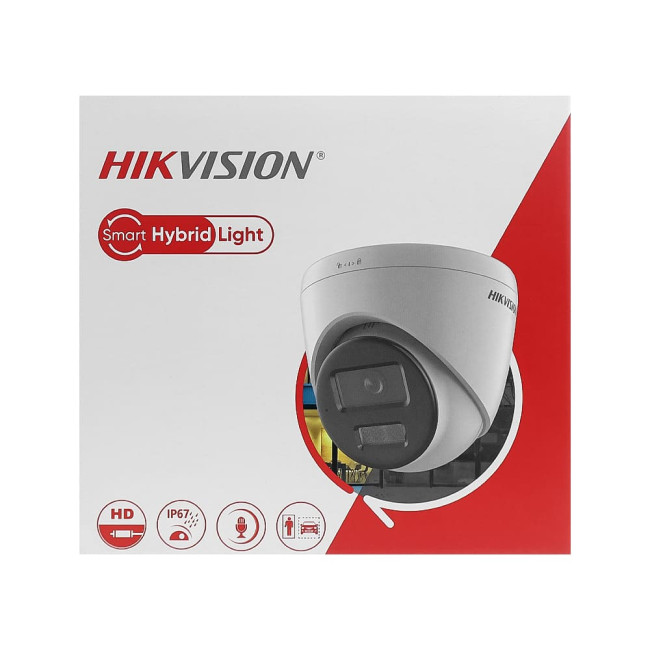
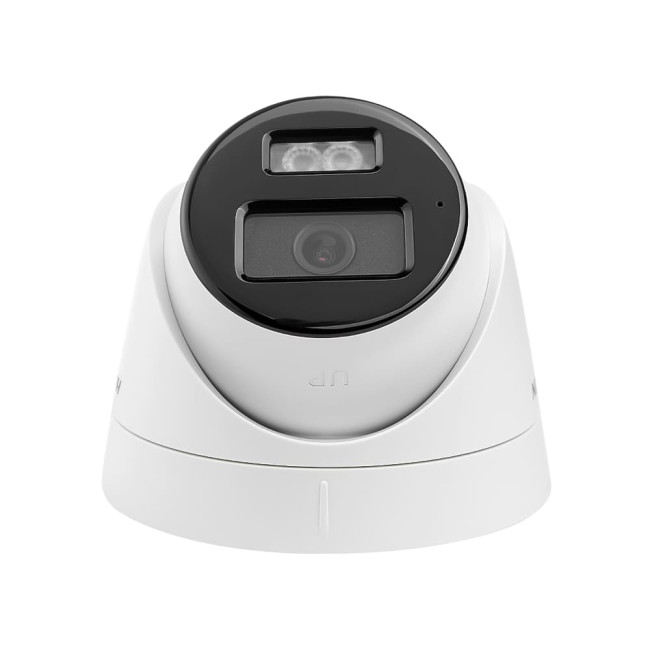


Description Hikvision DS-2CD1323G2-LIUF
Smart Hybrid Light: night footage stays in colour
The L in the LIUF suffix stands for Smart Hybrid Light, meaning the camera carries both infrared diodes and a white LED and decides on its own which of them to use. Under normal night conditions it runs invisible IR illumination with an effective reach of up to 30 metres; the moment the on-board analytics classifies a person or a vehicle in the frame, the white LED fires up and the picture switches from monochrome to full colour. That switch is not cosmetic: a black-and-white recording shows you a figure in a jacket, while a colour one shows that the jacket was blue and the car a light-coloured sedan, and those are exactly the details that matter when footage has to be handed to the police or an insurer. The lighting mode is configurable by hand, so you can keep the camera on IR only, on white light only, in hybrid mode, or disable the LEDs altogether if a street lamp already lights the spot. There is also a side effect that often turns out to be the main one: a sudden burst of white light tells an uninvited visitor plainly that he has been seen, and a fair share of attempts to walk into a yard end right there.
2 megapixels and a 103-degree angle: what actually fits in the frame
The 1/2.9-inch sensor delivers a classic Full HD stream of 1920 by 1080 pixels at 25 frames per second, which is enough that a person walking past the lens does not smear between frames when you step through the recording. With a 2.8 mm lens and a 103-degree horizontal field of view, a single unit covers a typical detached-house yard, a porch with its walkway, or a small retail floor without blind sectors at the edges. The honest limit has to be stated too: 2 MP on a wide angle is a see-what-is-happening format rather than a read-the-plate one, so faces stay identifiable within roughly the first five to seven metres, and beyond that you are left with height, clothing and gait. If your actual task is documenting licence plates or faces at a distance, a 2.8 mm lens will not solve it even at a higher resolution; you need narrower optics or a dedicated camera on the entry point. Digital zoom lets you enlarge a fragment of an existing recording, but it creates no new pixels, so treating it as a substitute for optical zoom leads to disappointment.
Generation G2 and AcuSense: the camera tells a person from a branch
The G2 marking is not a case revision number but the presence of AcuSense: object classification runs on a neural engine inside the camera, so every event is sorted before it ever becomes a notification. The model detects people and vehicles as separate categories, and you can enable alerts only for the ones you genuinely care about, say people at night and vehicles during working hours. The practical gain from that filtering is larger than it looks on paper. A G0-generation camera without AcuSense reacts to any change of pixels at all, be it a branch in the wind, a cloud shadow or a cat on the fence; within a week the owner mutes the notifications as a nuisance, and the system quietly stops doing security work altogether. One limitation of the DS-2CD1xxx line is worth knowing: this is the Value range, where classification works inside motion detection, and you should not expect the full perimeter rule set of the Pro series here, with complex intrusion zones, multiple tripwires and object counting. Animal detection is not declared for this model either, so in a house with a large dog roaming the yard at night you will still have to cut some false triggers with detection zones.
A microphone and a card up to 256 GB: recording without an NVR
The U in LIUF marks a built-in microphone, so the camera captures sound as well as picture, and in a stairwell, a shop or on a porch audio often settles a dispute faster than video, because you hear the words instead of only seeing the gestures. The microSD slot accepts cards up to 256 GB, which lets the camera keep a standalone archive inside itself with no recorder at all: continuous 2 MP recording in H.265 gives roughly a week to ten days, and event-only recording stretches that much further. This works for one or two cameras in a flat or a weekend house, but it has two known weaknesses — a memory card is a consumable that wears out far sooner than a hard drive under constant rewriting, and whoever takes the camera takes your archive with it. For any site where the recording genuinely matters, use the card as a buffer against network outages and keep the main archive on an NVR in a locked room. The camera speaks ONVIF profiles S, T and G alongside ISAPI, SDK, RTSP and FTP snapshot upload, so it registers not only on Hikvision recorders but on third-party NVRs and video management platforms as well.
Power, housing and winter operation
The camera runs on 12 V DC or on PoE to the 802.3af standard, and the second option is the convenient one: a single twisted-pair run carries both power and data, so you do not need a mains socket next to every camera. Rated consumption is up to 9.5 W at roughly 0.8 A, which is on the high side precisely because of the hybrid illumination, and that figure belongs in your calculations: eight of these cameras at peak with white light on draw around 76 W, so a switch advertised with a 60 W PoE budget is already too small for them. An IP67 rating means full dust protection and resistance to immersion, which makes facade mounting without a canopy acceptable, while the -30 to +60 degrees Celsius range is built for a Ukrainian winter, where cheaper cameras rated from -10 simply refuse to boot in January after a power cut. The metal-and-plastic body measures 110 by 110 by 89 mm and weighs 340 g, so an ordinary wall plug or a suspended-ceiling mount holds it without reinforcement. Warranty on this model is 12 months, a year shorter than on the DS-2CD2xxx Pro series, and that difference is worth noting for a site you intend to put under a service contract.
Where to install it and the jobs it was built for
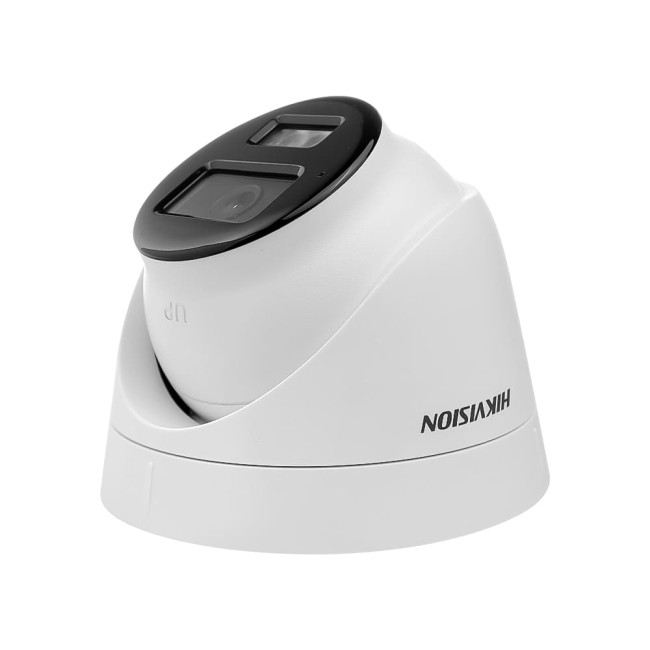
The eye-ball design, a ball seated in the base, lets you aim the camera precisely after mounting while keeping the horizon level, and it leaves an intruder almost no chance of twisting it aside by hand, unlike bullet models on a long bracket. Natural positions for this unit are a porch and front door, a compact yard, an apartment-block entrance hall, a corridor, a retail floor of a few dozen square metres or a small shop stockroom: anywhere you need the general picture plus a recognisable face at close range. One particularly good spot is above the entrance door at about 2.5 to 3 metres, where a visitor passes two or three metres from the lens, so 2 MP is genuinely enough for identification and the microphone picks up the conversation at the door. It is out of place where you have to cover a long perimeter, a gate with licence plates, or a yard deeper than 20 to 25 metres; those jobs call for a bullet camera with 40 to 80 metres of illumination and a higher resolution. Watch out for the classic mounting mistake as well: point this camera straight at a bright light source or at glazed doors facing the sun and anyone in the frame becomes a silhouette, so choose a spot with the sun behind the camera rather than in front of it.
How it differs from the neighbouring Hikvision models in this catalogue
Its closest relative here is the DS-2CD1321G0-I: the same eye-ball form factor and the same 2 MP, but a G0 generation, which means no AcuSense and no hybrid light, just classic IR and pixel-based motion detection. That is a noticeably more affordable alternative, and a sensible one when the camera watches a corridor with a stable scene where false alarms bother nobody. The DS-2CD1123G2-LIUF is essentially the same electronics in a classic ceiling dome, so choosing between them comes down to mounting geometry: a dome looks tidier indoors, an eye-ball is easier to aim on a facade. The DS-2CD1343G2-LIUF and DS-2CD1143G2-LIUF are senior variants of the same Value line with a narrower 4 mm lens or a 4 MP sensor, and if you need to read detail at 10 to 15 metres, paying up for 4 MP buys you far more than any setting inside this camera ever will. For a commercial site that needs true WDR against backlight, an IK10 impact-rated housing, cards up to 512 GB and alarm inputs for a siren, go straight to the Pro series — the DS-2CD2143G2-LIS2U or DS-2CD2343G2-LI2U from this same catalogue, where the warranty is twice as long. In short, the DS-2CD1323G2-LIUF is the sensible minimum for private housing and small business that no longer wants false alerts and monochrome nights, yet has no reason to pay for professional-series features.
If you are not sure how many cameras your address needs or which lenses to pick, send us the layout — yard dimensions, mounting height, whether a recorder is already in place — and we will put together a set with a calculation of what each camera will actually see.
Characteristics Hikvision DS-2CD1323G2-LIUF
Reviews about Hikvision DS-2CD1323G2-LIUF from real users
No reviews found







