
 m. Сміла, Незалежності, 67г. оф, 406/6























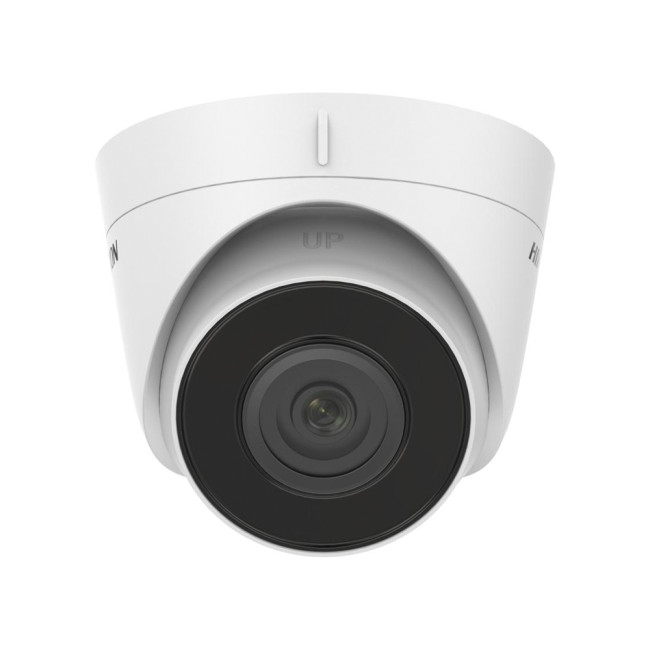
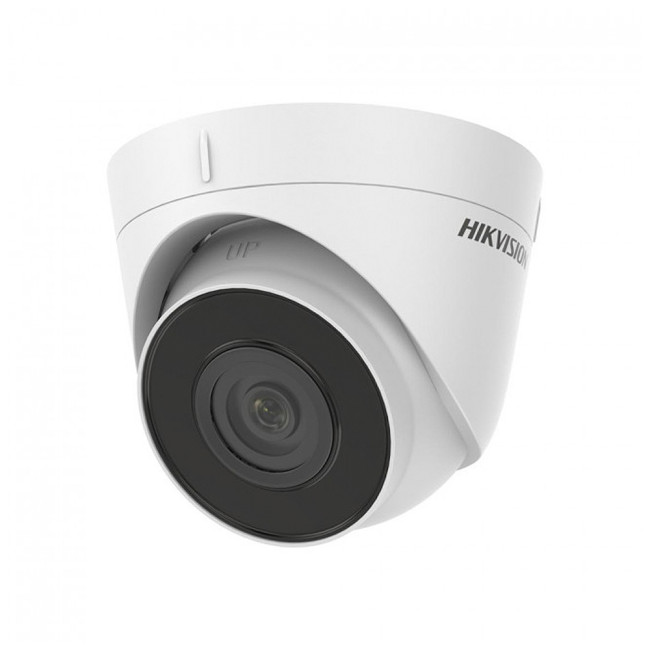
HIKVISION DS-2CD1321-I (2 MP/2.8 MM) - EYE-BALL DOME PoE IP CAMERA

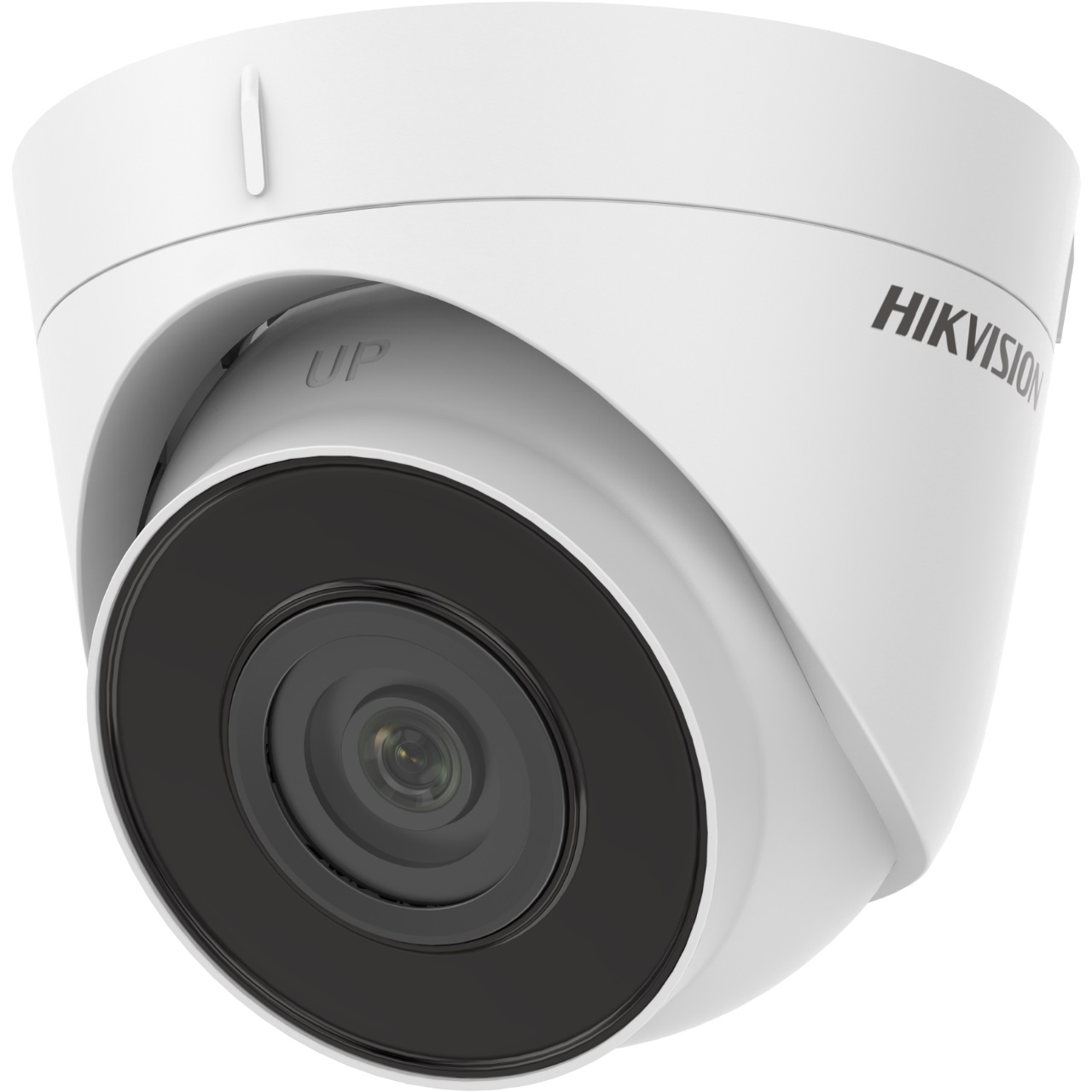
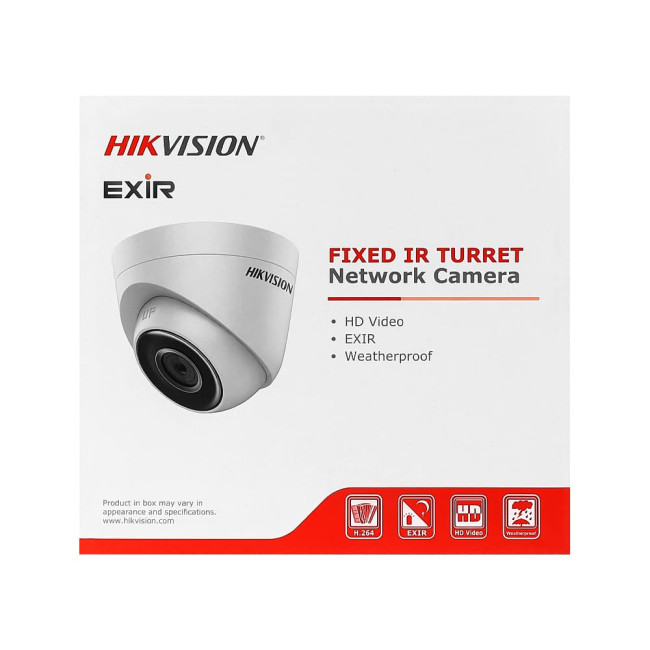
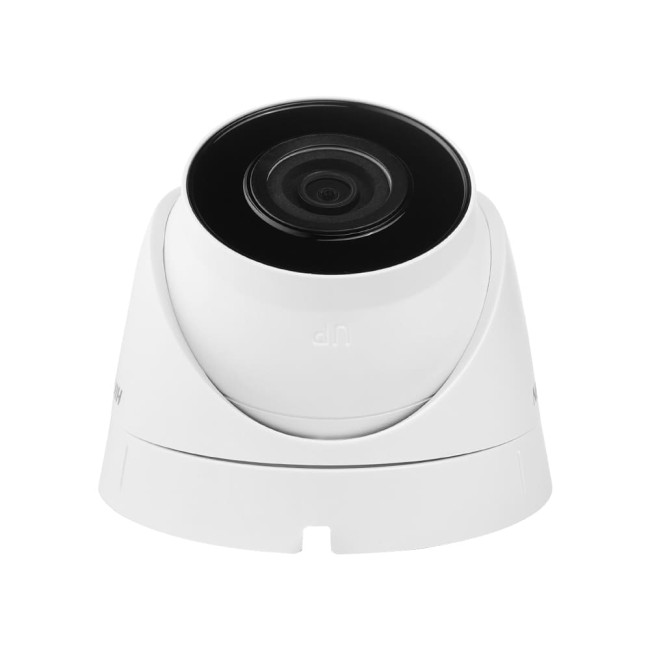
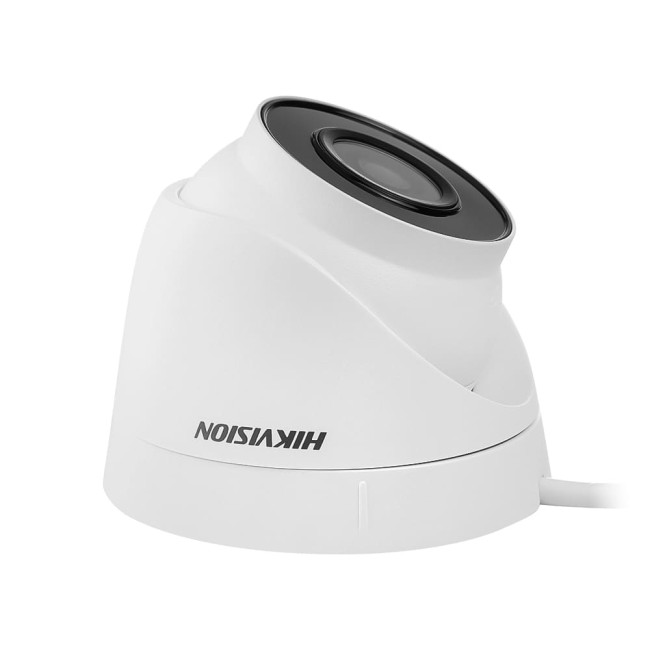
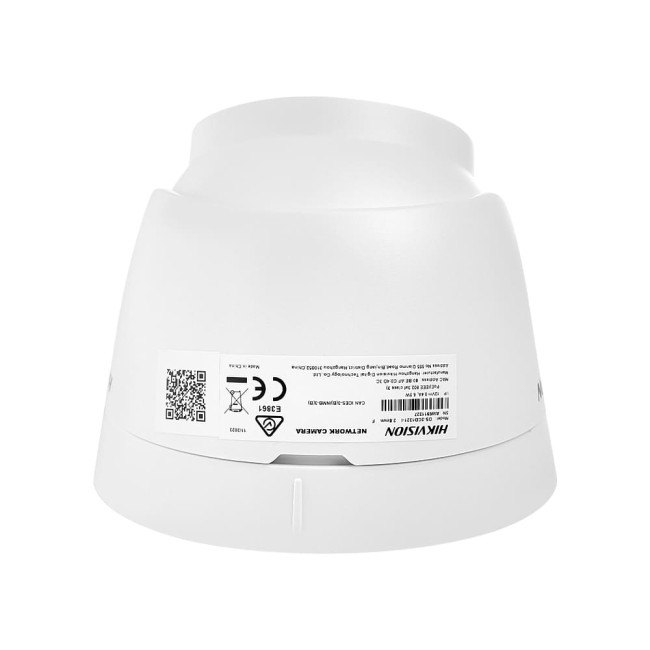
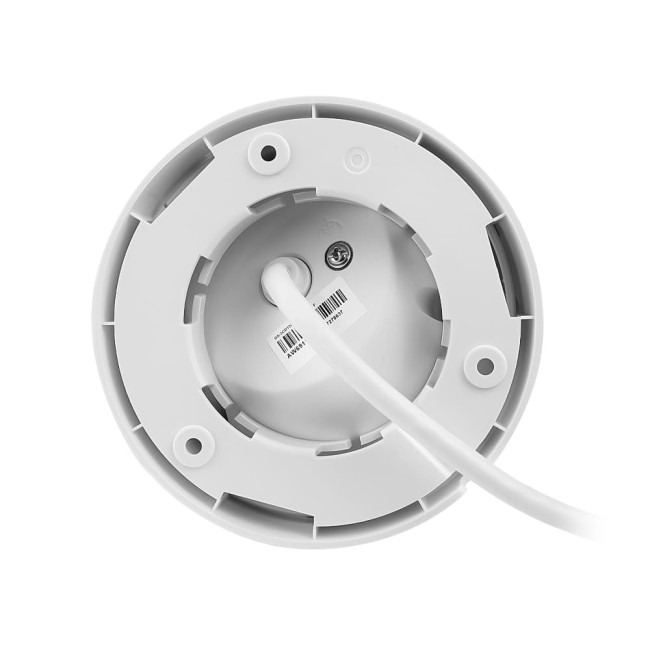
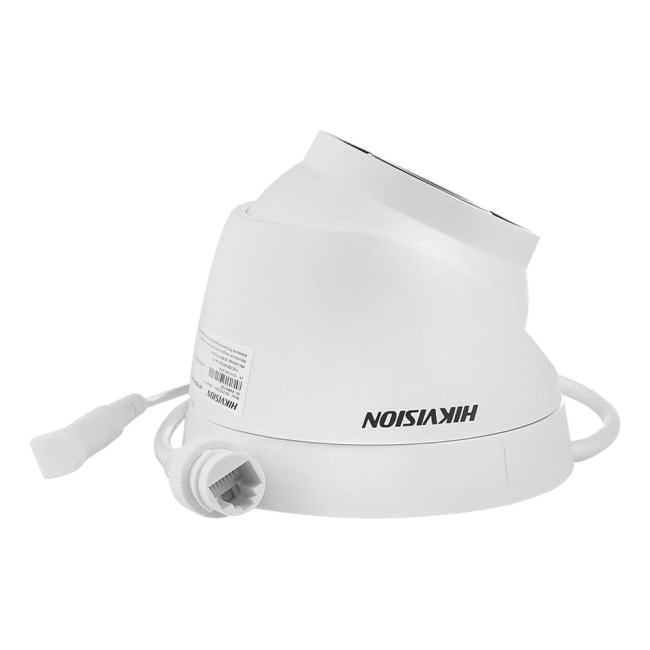
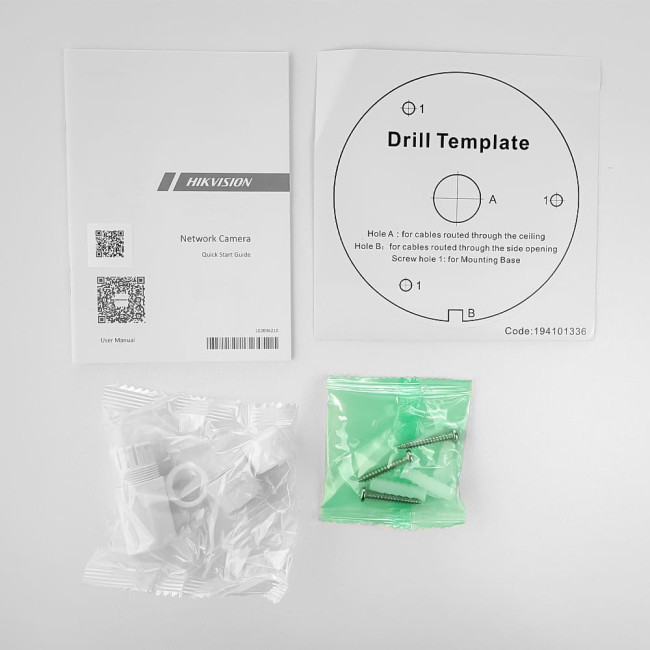


Description Hikvision DS-2CD1321-I
DS-2CD1321-I: reading the model code tells you the class straight away
The 1 immediately after DS-2CD assigns the unit to the Value line — Hikvision's base series, built on the principle of nothing superfluous and everything essential working — while the digits 13 encode the turret form factor and a 2-megapixel sensor. The -I suffix decodes simply as Infrared: ordinary IR illumination with no white light and no hybrid modes. Once again the interesting part is the omission — there is no generation marker here, whereas current models of the same series carry G0, G2 or G3, and that letter-and-digit pair is precisely what decides whether a camera can tell a person from a shadow. this is one of the cheapest genuinely outdoor-rated Hikvision IP cameras with a metal body and honest IP67, and for plenty of tasks that really is enough — the important thing is to know exactly what stayed outside that price.
2 MP on a wide angle plus 30 metres of IR: what you will see and from how far
Hikvision publishes no DORI table for this model, so calculating beats guessing: 1920 horizontal pixels spread across roughly 105° of view, which means that at five metres the frame takes in a strip about 13 metres wide and supplies around 145 pixels per metre of it. Translated into practice, a stranger's face usable for confident identification appears only up to roughly 3-4 metres from the camera, recognising someone you know and describing their clothes works out to about seven metres, and beyond that the camera functions as an event logger: you see that a person is there, where they are heading and how many of them there are. The 850 nm illuminator reaches 30 metres, but illumination distance must not be confused with recognition distance — at thirty metres you get a lit silhouette, not a face. At night the picture is monochrome, so the colour of a jacket or a car can never be recovered from a night recording; that requires white-light or ColorVu models. What the wide angle does give is exactly what people buy this camera for: a single unit covers a typical yard, a courtyard or a driveway entrance in full, with no blind corners at the edges.
The turret housing: why this shape, and where its weak point is
A turret, often called an eye-ball, is a hemisphere on a ball joint: after mounting, the lens is aimed in three planes, so you are not at the mercy of how the base happened to sit on an uneven wall. Its main technical advantage over a dome is that the lens and the IR LEDs do not share a single transparent bubble, so the illuminator cannot wash out the image from the inside — the classic dusty-dome problem simply does not exist here, and seasonal wiping of a cover is unnecessary. Compared with a bullet camera the turret is more compact, collects less snow and fewer cobwebs, and has no long bracket that is convenient to grab. The weak point deserves an equally honest mention: this model carries no IK10 impact rating, and the ball joint that lets you aim the camera easily lets a stranger twist it by hand just as easily. From that follows a simple mounting rule — put a turret at 2.7-3 metres or higher where no one reaches it without a ladder, and if the camera must hang low in a busy place, a dome with IK10 is the wiser choice.
The thing you most need to know: there is no AI detection of people or vehicles
This camera has only basic motion detection working at pixel level: the system compares consecutive frames and raises an alarm whenever something in the zone changed, without trying to work out what it was. A person climbing the fence, a cat on the path, a branch in the wind, a cloud shadow, a raindrop in the IR beam and even a sudden light change when the street lamp comes on are all equivalent events to it. What follows is a pattern we see with customers again and again: for the first few days every alert gets opened carefully, within a week they arrive several dozen times a day, and in the second week the owner simply disables push — and that is the moment the system stops being security and becomes merely an archive for after-the-fact review. So the advice is plain: if you want notifications you will actually act on, take the DS-2CD1323G2-LIUF — same turret body, same resolution, but a G2 generation with human and vehicle recognition, for a difference of. If, however, the camera records round the clock into an NVR and you never intended to enable alarms, this model will do the job no worse than one costing twice as much.
Power, mounting and dependence on the recorder
The camera runs from 12 V DC or over PoE 802.3af, drawing up to 6.5 W, and at just 350 grams it needs nothing more than its own base and three wall plugs — no reinforced fixing and no separate bracket. When sizing a system it helps to remember that a 60 W PoE switch comfortably carries eight of these, whereas mixing them on one switch with white-light models that draw 9-12 W each needs care, because that is exactly where power budgets usually run out. There is no memory card slot here, so the archive exists only as long as the recorder or video server does: if the network drops or the NVR shuts down, the footage for that interval is saved nowhere at all, which on sites with unstable mains is an argument either for a UPS on the recorder or for a model with a microSD slot. ONVIF Profile S and ISAPI support allow connection to third-party recorders, Blue Iris, Frigate or Home Assistant, and H.264+ compression roughly halves the stream compared with plain H.264, although this generation does not yet speak the newer H.265.
Where this camera belongs and where it is the wrong tool
The best scenarios for the DS-2CD1321-I are the perimeter and approaches of a private house, the yard, the porch, the area by the wicket gate and the main gate, the inner patio of a cafe, a small warehouse, a workshop, a shop facade under a canopy — anywhere you need a general view and a record of events rather than intelligent alarms. It performs especially well as the second and third camera in a system where one more expensive model with analytics already covers the critical direction and the remaining approaches simply need closing off cheaply and reliably. Do not rely on it where the job is reading number plates or recognising faces at a driveway: a wide angle and 2 MP physically cannot deliver that, and no amount of sharpness tuning will change it. It is likewise a poor choice for a shop where the camera hangs at arm's reach beside the till — that calls for an IK10 dome. One note on height: mounting above 3.5-4 metres sharply reduces recognisability because people enter the frame mostly as the tops of their heads, so keep it closer to three metres and aim it along the path of travel rather than across it.
How it compares with neighbouring models in this catalogue
Its direct relative is the DS-2CD1121-I: identical internals but a vandal-resistant dome housing rated IK10, and those only make sense where someone might deliberately smash the camera — a stairwell or a car park, not the facade of a private house. The DS-2CD1321G0-I is the next revision of the very same turret for less money, so if the choice is only between these two and no extra functions are needed, the cheaper one looks smarter. If working notifications are what matters, the DS-2CD1323G2-LIUF adds a G2 generation with human and vehicle detection, hybrid illumination and a microphone to the same turret, while the DS-2CD1123G2-LIUF gives the same in a dome. When detail rather than analytics is the goal, the 4 MP DS-2CD1141G0-I doubles the pixel count and pushes the identifiable-face boundary to roughly 5-6 metres. Among competitors at the same price, the Dahua DH-IPC-HDW1230T1 repeats this model almost word for word and is likewise AI-free, the Dahua DH-IPC-HDW2249T-S-IL matches the 2 MP but adds human and vehicle recognition, and the Imou Turret SE 4MP-C offers both 4 MP and AI for less money while giving way in housing quality, firmware stability and behaviour in hard frost — which is precisely what the Hikvision premium buys.
Tell us what you actually need to watch — a perimeter, a driveway, a front door or a sales floor — and we will say where this model is enough and where it is worth budgeting for an AI camera from the start.
Characteristics Hikvision DS-2CD1321-I
Reviews about Hikvision DS-2CD1321-I from real users
No reviews found







