
 m. Сміла, Незалежності, 67г. оф, 406/6























HIKVISION DS-2CD1047G3H-LIUF (4 MP/2.8 MM) - WIDE-ANGLE PoE IP CAMERA

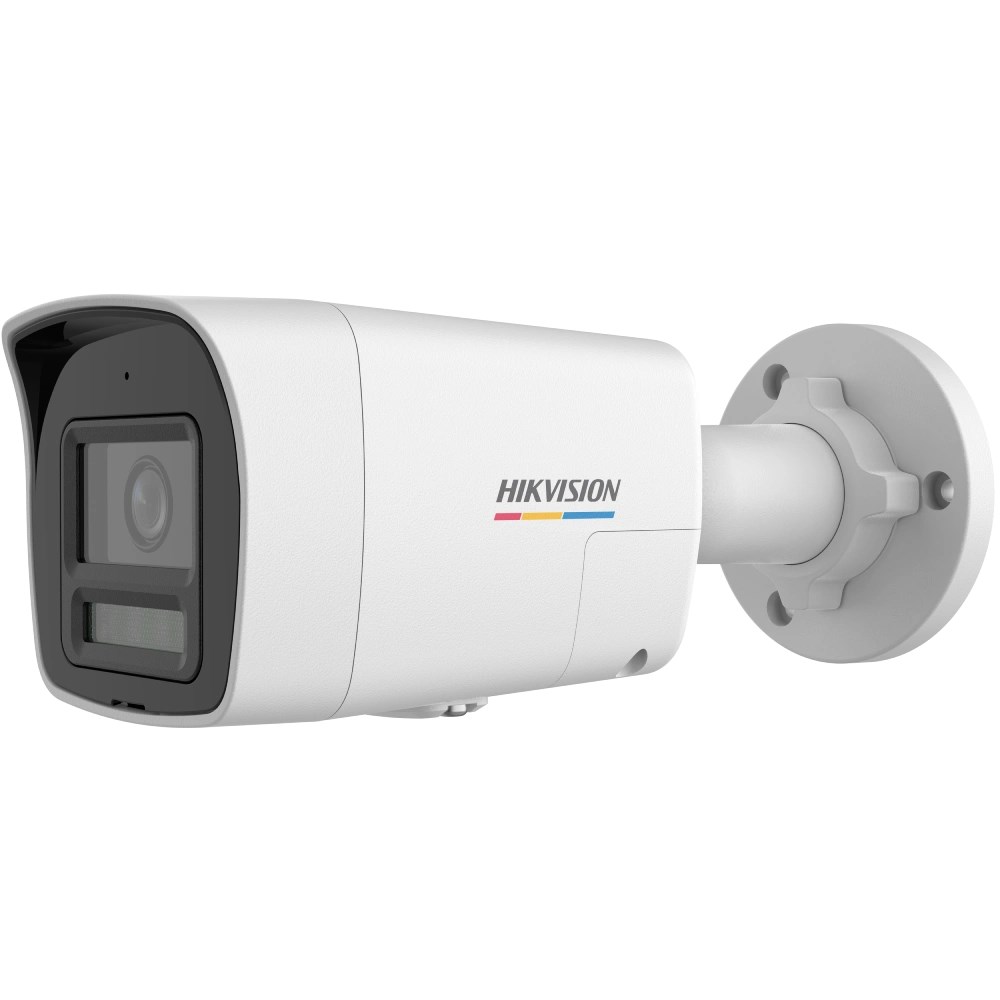
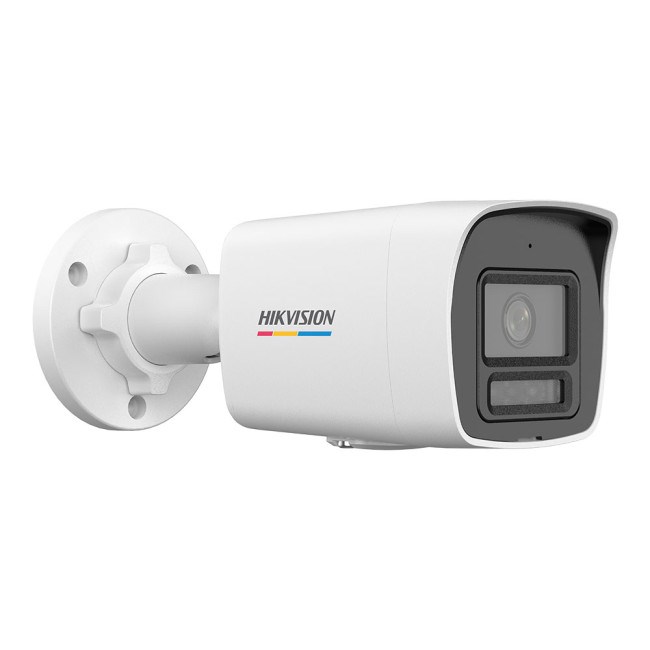
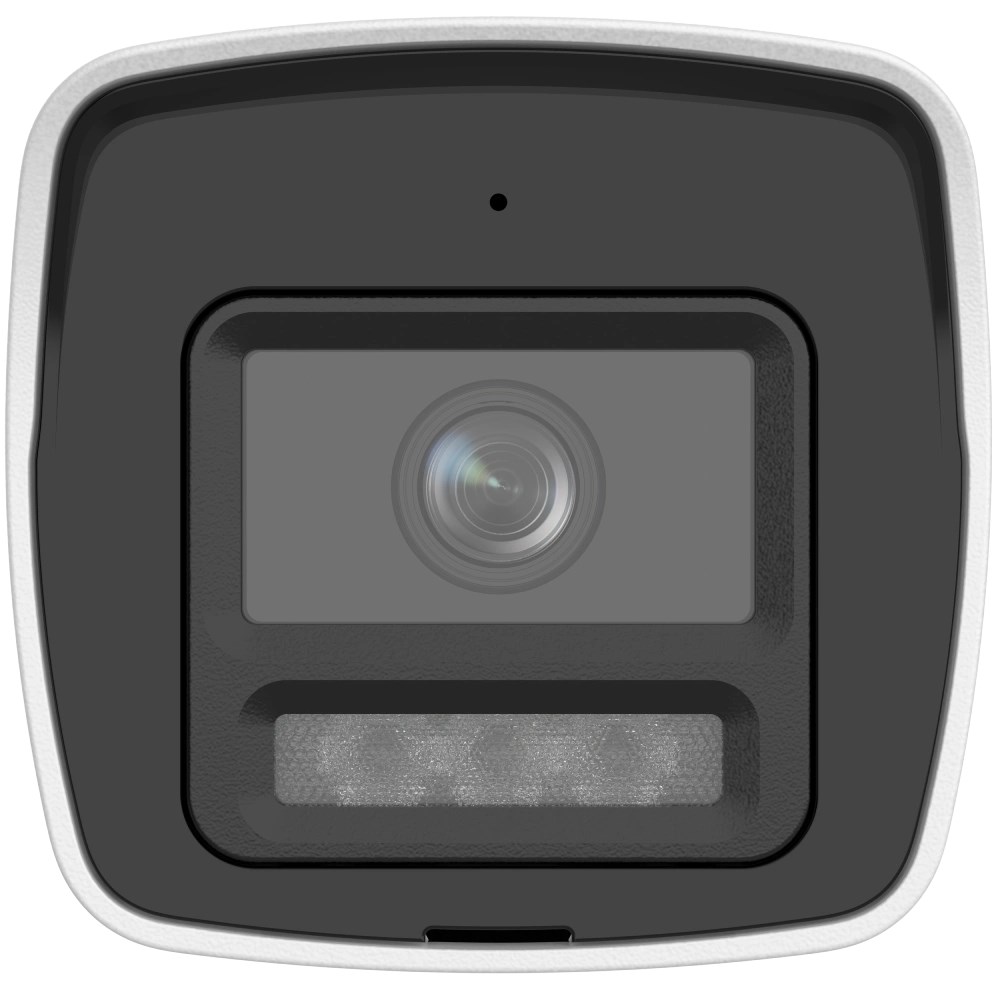
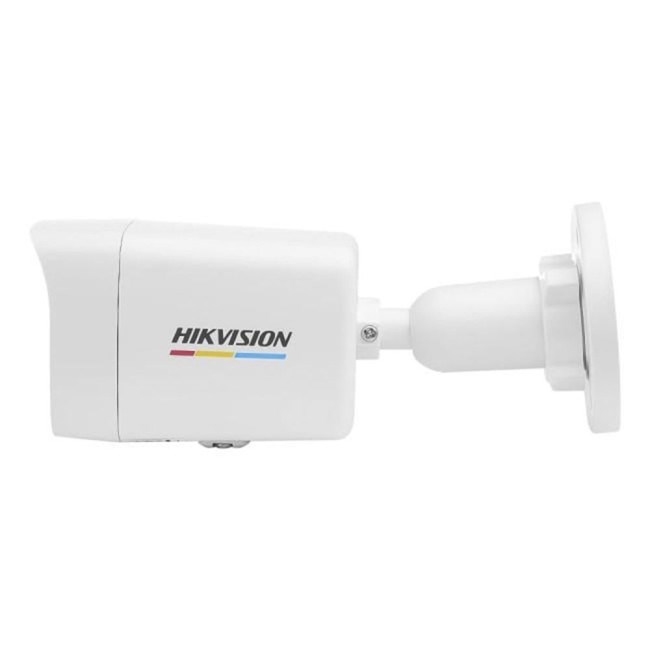
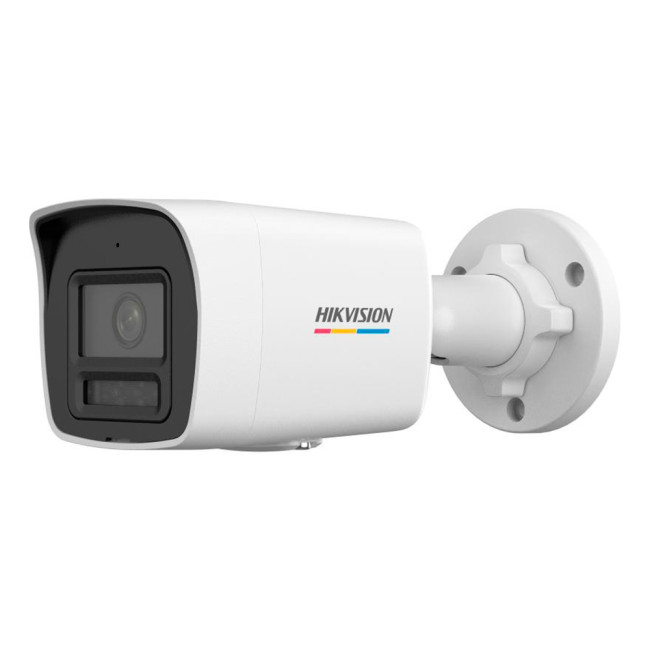
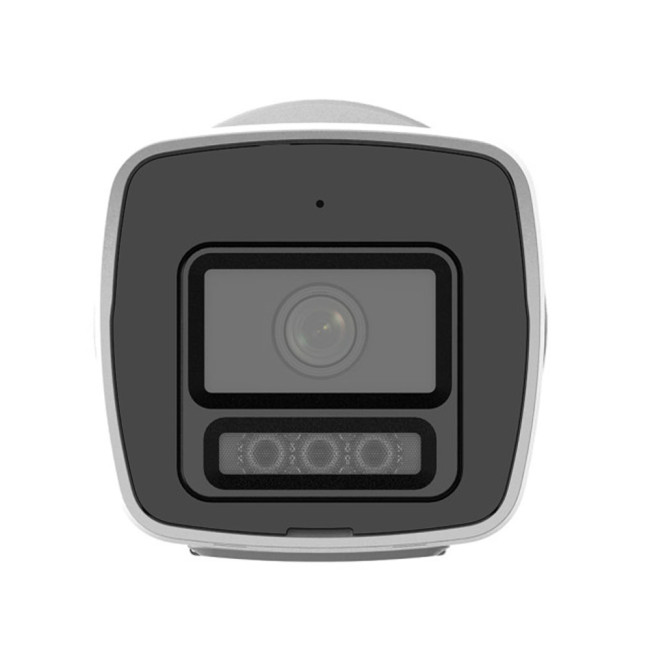
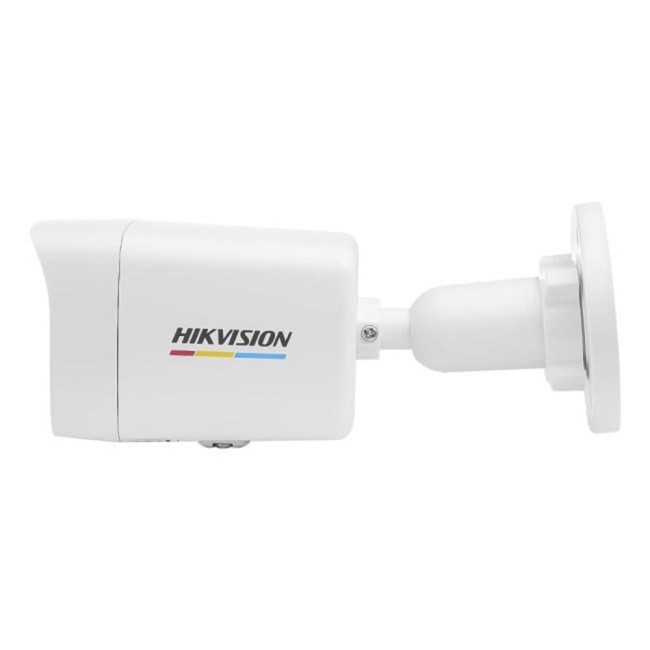
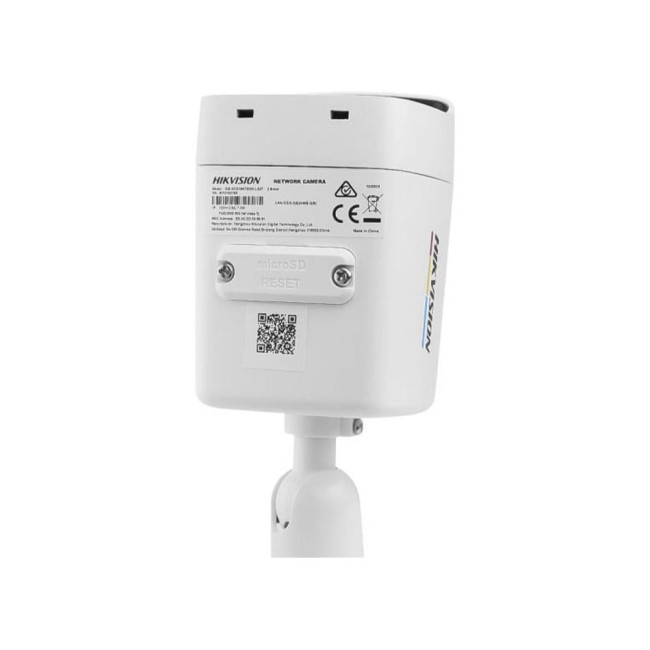


Description Hikvision DS-2CD1047G3H-LIUF (2.8 mm)
Hybrid illumination: three lighting modes instead of one
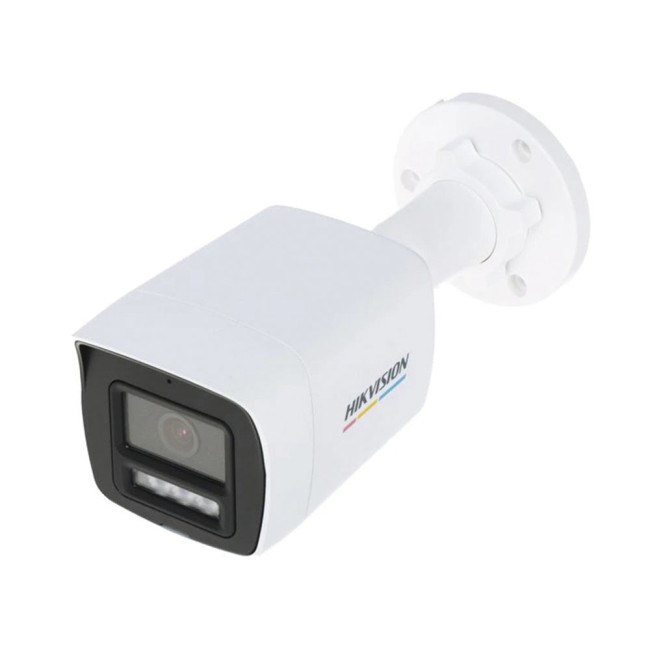
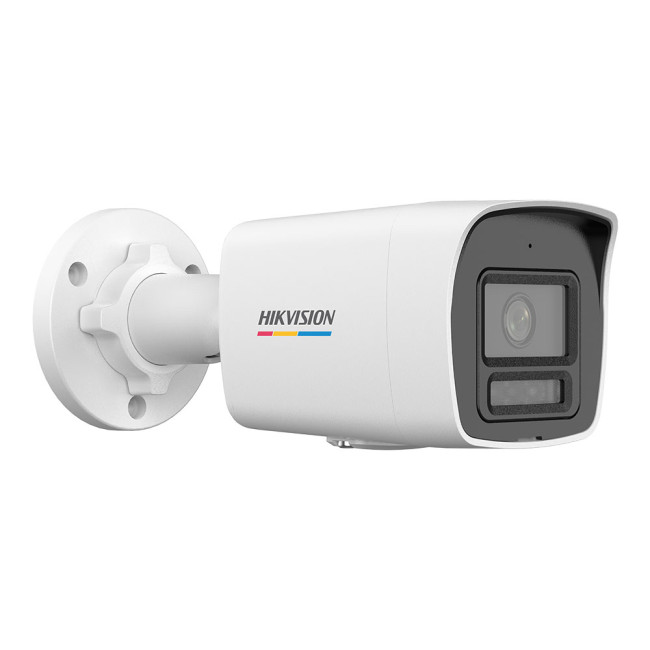
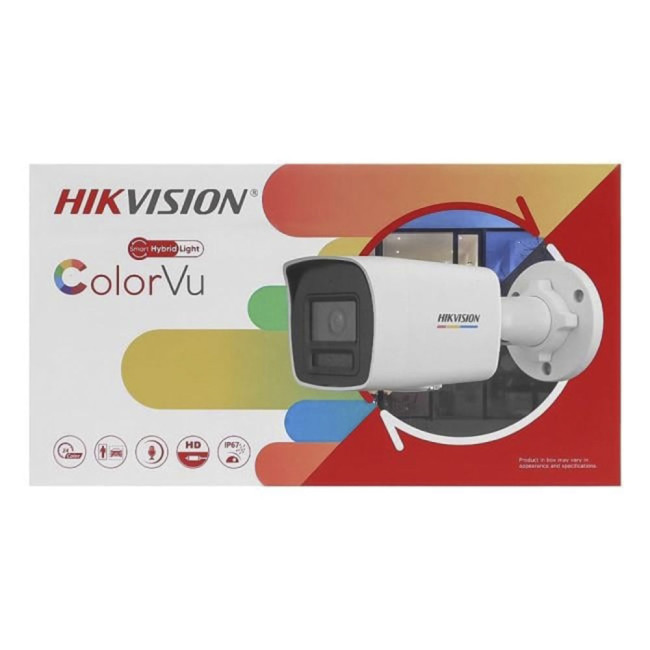
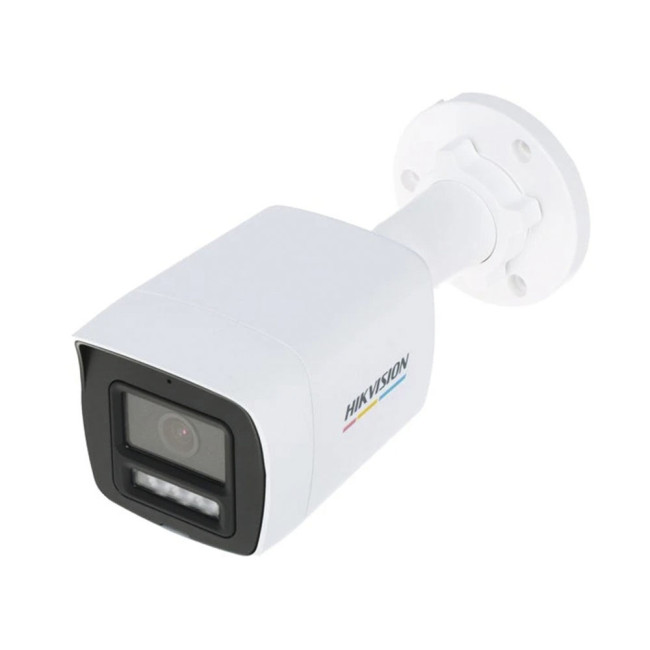
In the LIUF suffix, the I stands for infrared illumination, the L for white LEDs and the U for the built-in microphone, and it is those first two letters that decide how this camera behaves after sunset. Both light sources are physically present and the firmware offers three ways to use them: infrared only (invisible to the eye, monochrome picture), white light only (full colour picture), and the hybrid mode, where infrared keeps watch and the white LEDs fire the moment on-board analytics classifies a person or a vehicle. That switch is not cosmetic. A monochrome recording shows you a figure in a jacket; a colour one shows that the jacket is blue and the car is a dark green estate, and those are exactly the details that matter when the footage has to be shown to somebody. The hybrid mode also works as a deterrent, because a sudden burst of white light tells whoever is standing at your fence that he has been seen, and a fair share of attempts end right there. The flip side is worth knowing before you mount it: white light is very visible, so avoid aiming the camera where the nightly flash hits a bedroom window or oncoming drivers — in that situation you restrict the white LEDs by schedule or turn them off, and the camera simply works as a conventional infrared one.
A 1/1.8-inch sensor and an F1.0 lens are what you are really paying for
The most important number in this spec sheet is not the four megapixels but the sensor size: 1/1.8 inch, against the 1/3 or 1/2.7 inch that budget 4 MP cameras normally use. A physically larger sensor at the same resolution means a larger pixel area, and a larger pixel collects more light and produces less digital noise at dusk — precisely the hour when something is still happening in the yard but the light has already gone. The F1.0 aperture pushes in the same direction, admitting roughly twice as much light as the common F1.6 and about four times as much as F2.0. In practice the big-sensor-plus-fast-lens combination buys you two things: the camera stays in colour mode noticeably longer into the evening before it falls back on supplementary light, and it needs less white light for a usable frame, so nearby objects are blown out less at night. There is a trade-off as well, since a lens this fast has shallower depth of field and the focus here is fixed and cannot be adjusted after installation, so plan the mounting point so that your key area sits at a mid-range distance rather than at the far edge of coverage. Full 25 frames per second are kept at full resolution, which means a person walking briskly through the frame does not dissolve into smeared shapes when you step through the recording.
What the frame actually shows: 2560x1440, 2.8 mm and a 104-degree angle
A 2.8 mm lens with a 104-degree field of view is a wide overview shot: one camera of this kind covers a typical detached-house yard, a gate area or the front of a small shop in full, with no blind corners at the edges. It helps to convert that into pixel density, because density is what decides what you will later be able to make out: at 104 degrees horizontally, a scene ten metres away is about 25 metres wide, and 2560 horizontal pixels therefore give you roughly 100 pixels per metre. Confidently identifying a specific individual by face takes around 125 pixels per metre, so the dependable identification zone of this camera reaches some eight or nine metres, beyond which you drop to the level of see a man, light jacket, about 180 centimetres tall. A wide lens will not read licence plates at fifteen or twenty metres at all, and the reason is not a shortage of megapixels but the fact that the plate simply occupies too few pixels at that range; that job calls for narrower optics on a dedicated camera at the gate. Effective illumination reaches up to 30 metres, which is enough to see the far corner of an average plot, but do not expect detail at the limit of that figure — the light still gets there while the resolving power no longer does.
Motion Detection 3.0: the camera tells a person from a vehicle on its own
Object classification runs inside the camera, before an event is ever turned into a notification, and that is the fundamental difference from the entry-level models of the same series, which simply react to any change in pixels. Two categories are recognised separately — human and vehicle — so you can arm notifications only for what actually matters to you and narrow them further with a detection zone or a crossing line. The real benefit is less about the technology than about human behaviour: with classification, the owner does not switch alerts off after a week. A camera without it sends dozens of messages during one windy night about branches, headlight shadows and insects drifting past the infrared LEDs, and the story always ends the same way — notifications get disabled and the system stops doing its security job. One limitation is visible in the spec sheet and deserves an honest mention: there is no separate animal detection in this model, so a large dog in the yard can well raise an alarm or trigger the white light, and detection zones have to be tuned around its usual route. Events are delivered as push messages in the Hik-Connect app, by e-mail and, if needed, to an FTP server, while the same classification drives the hybrid light, so white LEDs respond to a person rather than to every movement in frame.
Microphone, a card slot up to 512 GB and the ways it connects
The built-in microphone records audio alongside video, and when an incident is actually being reconstructed that often matters more than another megapixel: audio tells you how many sets of footsteps there were, whether anyone spoke, whether an engine was running just out of frame. Keep in mind that recording sound indoors where customers or employees are present carries legal restrictions, so in a shop floor or an office the microphone is frequently disabled on purpose — the setting exists for exactly that. The card slot accepts up to 512 GB, and that is not a formality: continuous 4 MP recording in H.265 fills such a card in roughly ten to twelve days, which means the camera survives a pulled cable, a recorder reboot or a network outage without losing the archive. With recorders and third-party platforms the camera speaks ONVIF in profiles S and G, and profile G matters specifically because it allows footage to be pulled off the camera card rather than only viewed as a live stream. ISAPI, SDK and ISUP are available too, along with Hik-Connect cloud access that needs no port forwarding; note, though, that through ONVIF a third-party NVR will receive video and a basic alarm while part of the object-type metadata stays inside the camera — the full classification picture is visible within the Hikvision ecosystem.
PoE power, an IP67 housing and what both mean on site
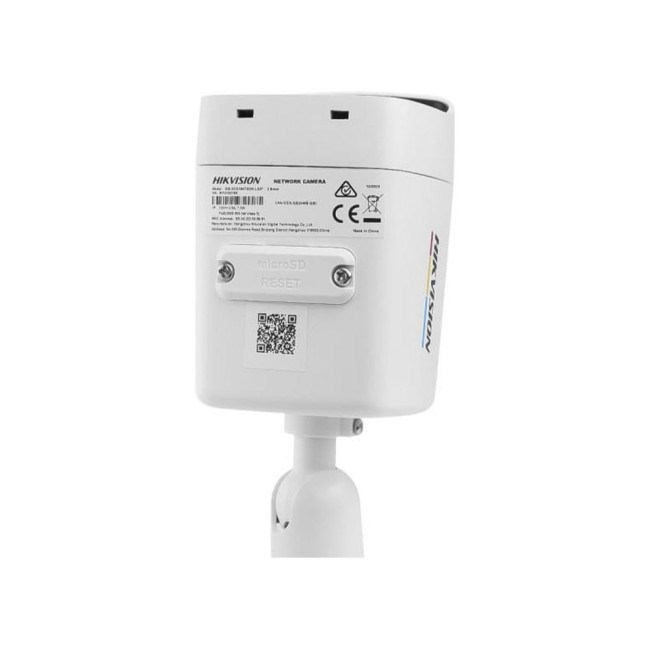
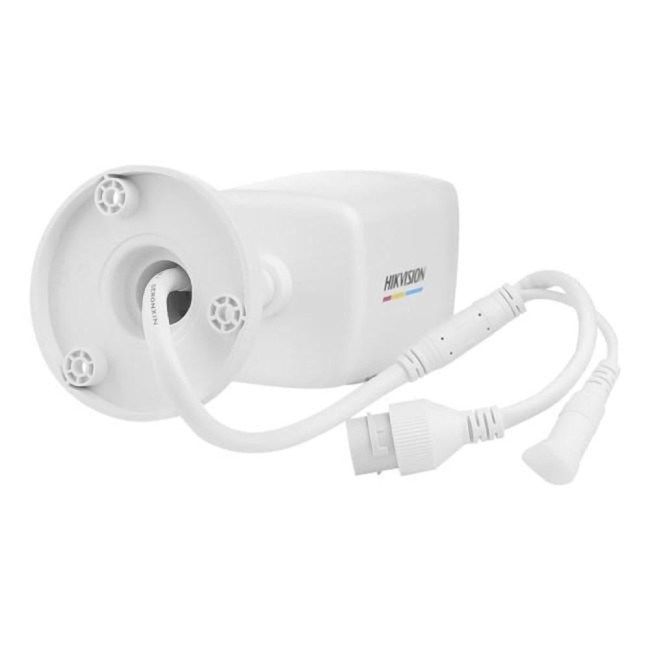
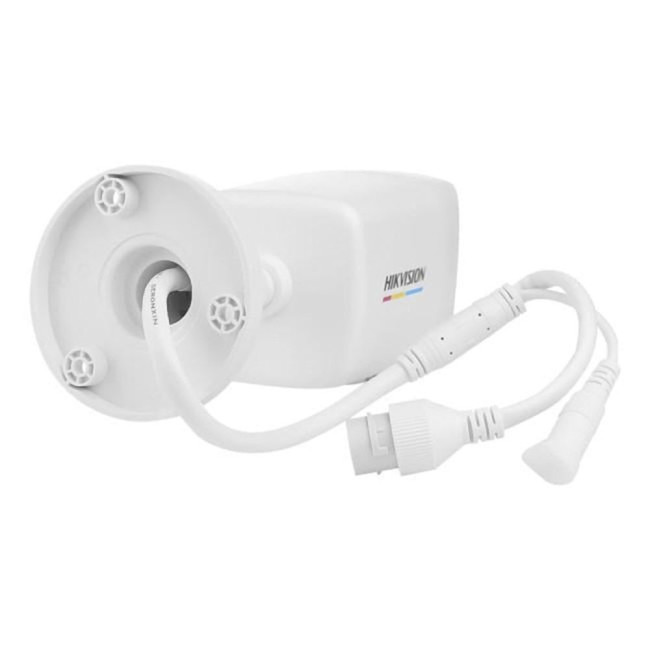
The camera runs on 802.3af PoE or on a separate 12 V supply and draws up to 8.5 W, and that figure should be multiplied by the camera count straight away. Eight of these cameras amount to roughly 68 W of useful load, so an eight-port PoE switch with a 120-130 W budget fits with room to spare; sixteen cameras already mean about 136 W, and there the switch should be chosen with a budget of at least 150-180 W, because part of the power is lost in the cabling. The housing is metal and plastic, weighs 325 g and is 179 mm long — the classic bullet shape with a sun shield, clearly visible from a distance and therefore a deterrent in itself, but also easier to knock aside or twist away than a turret or a dome. IP67 means full dust protection plus resistance to short immersion, so the camera belongs on an open facade and not only under an eave. The -30 to +60 degree range is built for a Ukrainian winter, yet the weak point of outdoor installation is never the camera but the cable joint: the RJ-45 connector should go into a junction box or be properly sealed, because that is exactly where water enters a system.
Where this camera belongs and the jobs it was built for
The main use case for 2.8 mm is covering an area rather than a point: the yard of a private house, a gate with the fence inside the frame, parking for a few cars, a shop front with its window and entrance, a loading bay at a small warehouse. This is where the large sensor and the hybrid light pay off most, because a colour night frame on open ground gives you a description of clothing and of a car instead of the bare fact that somebody walked past. The model also works in an apartment-block entrance hall or a retail floor, but there you have to make a deliberate decision about white light and audio — in an enclosed space a flash and recorded conversations are often inappropriate, so the camera is set to pure infrared. Where it does not belong: narrow elongated spaces such as a corridor or a passage between buildings, where the wide angle is spent on walls, and any task involving plate reading or close-up checkout monitoring, which calls for narrower optics instead. If the site is long — a stretch of fence or a driveway — two of these cameras facing each other will beat one in the corner of the plot, because both directions of travel stay in frame and nobody walks the whole distance with his back to the lens.
How it differs from the neighbouring Hikvision models in this catalogue
Its closest relative here is [1654] DS-2CD1047G3H-LIUF with the 4 mm lens: the same camera, the same 1/1.8-inch sensor and the same hybrid light, but a narrower field of view and therefore higher pixel density at distance, so take the 4 mm version for a gate where plates matter or for a long driveway and keep 2.8 mm for the overview. The previous generation, [1631] DS-2CD1043G2-LIUF, has the same bullet body with white light and human classification but a smaller sensor: on a plot under a canopy or with street lighting the difference is barely visible, while on a dark yard with no lamps the G3H with its F1.0 lens pulls clearly ahead. If a less conspicuous housing is the priority, the catalogue offers the domes [1655] and [1650] DS-2CD1143G2-LIUF — the same lighting logic in a shape that is harder to reach by hand. Distinctly simpler alternatives are [1647] DS-2CD1141G0-I and [1638] DS-2CD1341G0-I, the G0 generation with no AI classification and infrared only, which means monochrome nights and alerts on any movement; if the camera records into an NVR around the clock and you do not need notifications at all, that is enough and there is no point paying more. Conversely, if you need colour imaging around the clock without any flashing, look at the Pro series — [1651] DS-2CD2T47G3-LIY ColorVu with 60 metres of illumination, or the 8-megapixel [1644] DS-2CD2T83G2-4LI with an 80-metre infrared reach for genuinely long distances.
If you are not sure which focal length to choose or how many cameras your site needs, send us the dimensions of the area, the number of entrances and what exactly has to be visible — we will put together a configuration and calculate what ends up in each camera's field of view.
Characteristics Hikvision DS-2CD1047G3H-LIUF (2.8 mm)
Reviews about Hikvision DS-2CD1047G3H-LIUF (2.8 mm) from real users
No reviews found







