
 m. Сміла, Незалежності, 67г. оф, 406/6























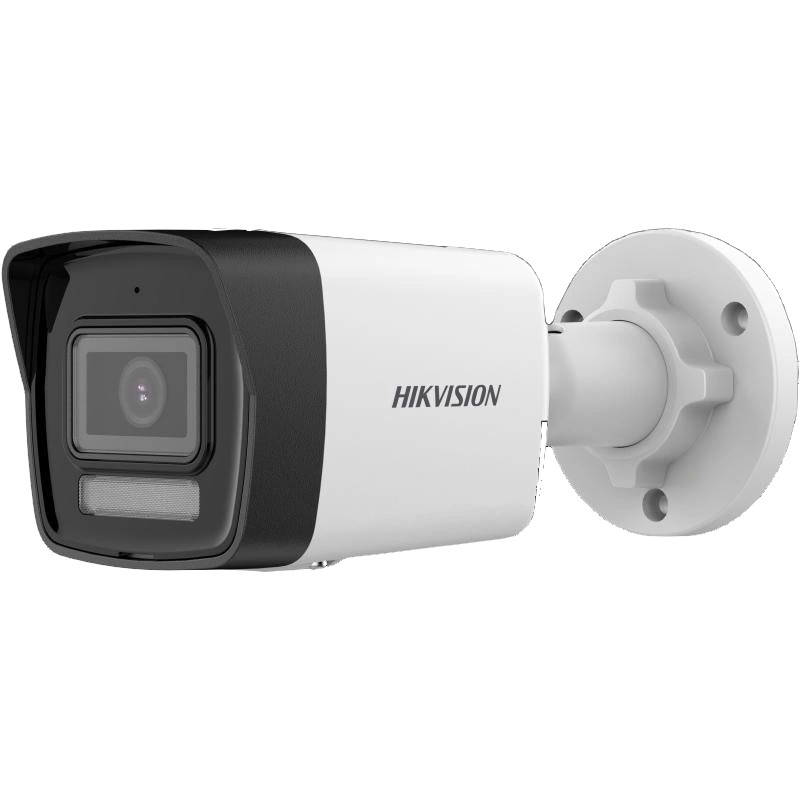
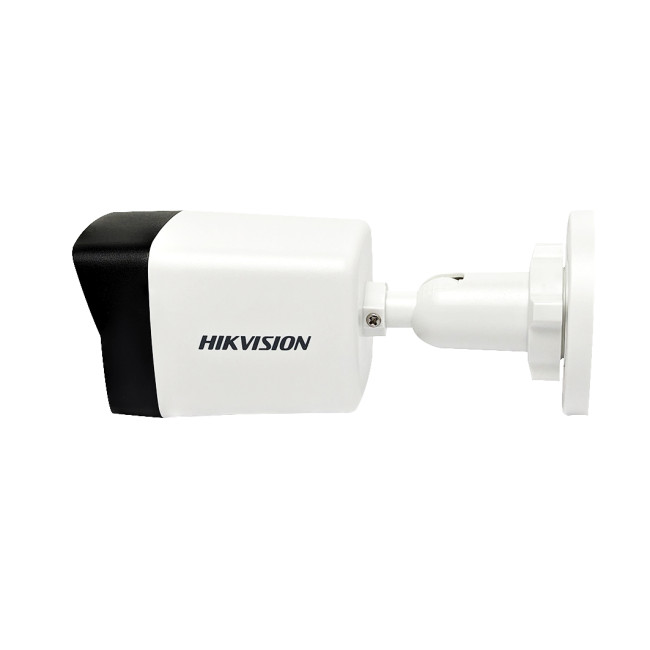
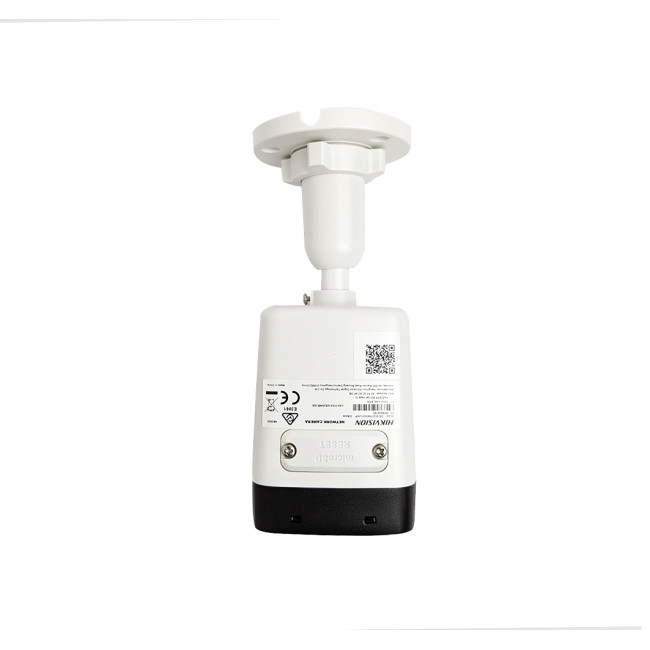
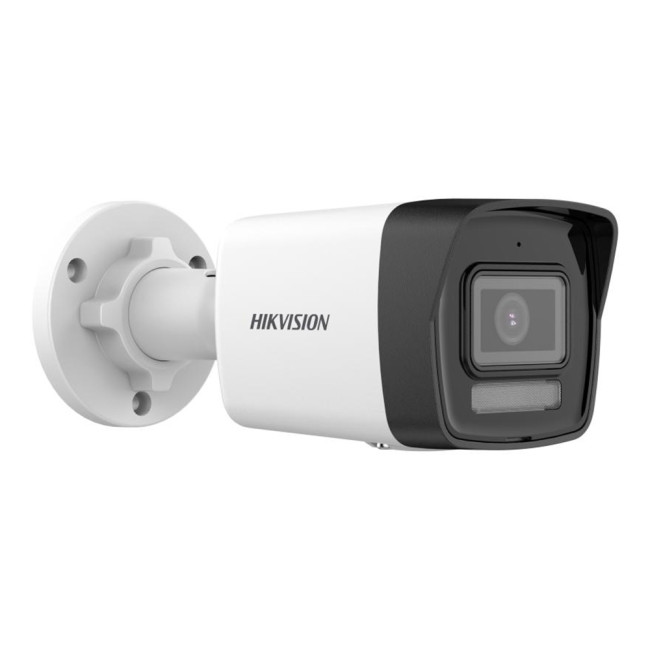
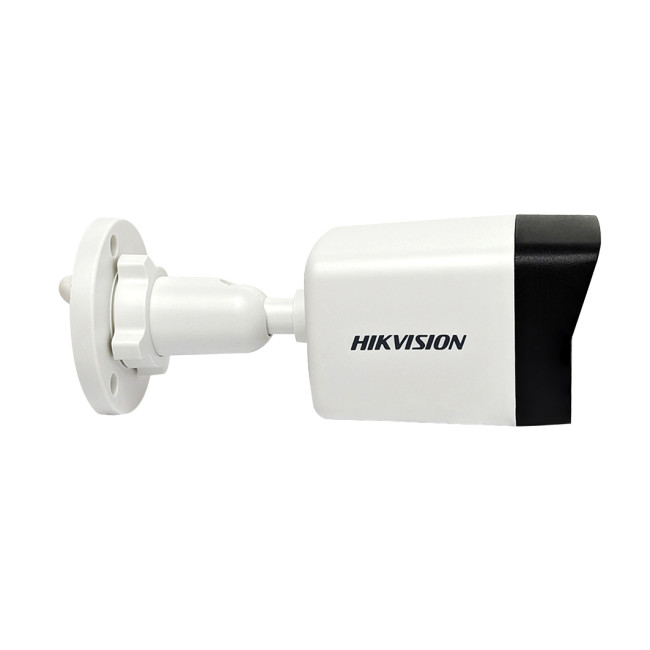
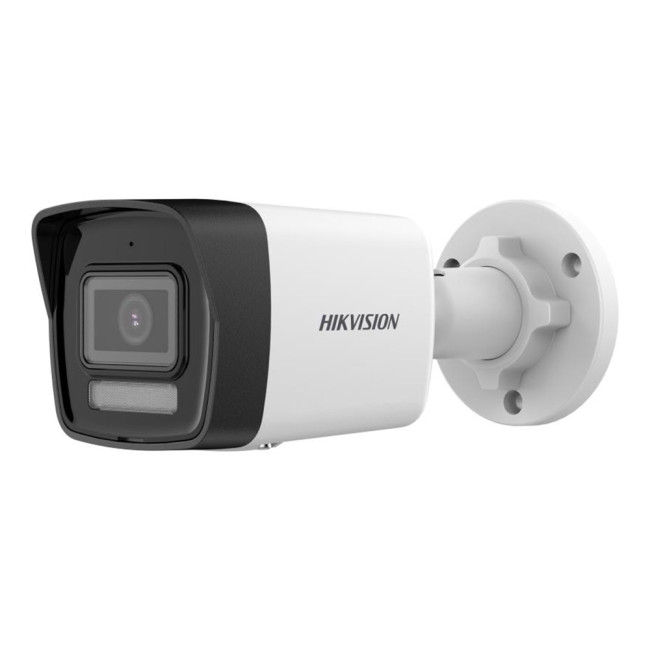
HIKVISION DS-2CD1043G2-LIUF (4 MP/2.8 MM) - PoE IP CAMERA



Description Hikvision DS-2CD1043G2-LIUF
Hybrid illumination: when the IR works and when the white light kicks in
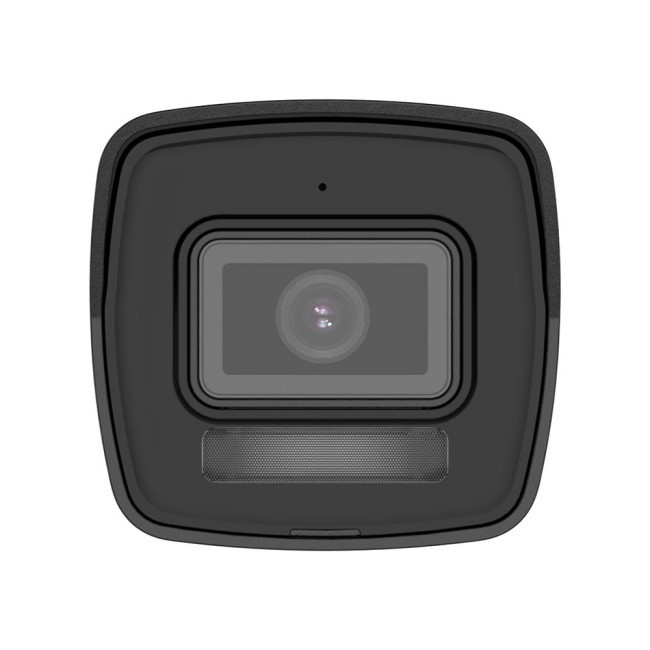
The L and I in the model index sit side by side for a reason — the DS-2CD1043G2-LIUF carries both 850 nm infrared LEDs and white LEDs, and the Smart Hybrid Light mode decides on its own which one the scene needs. At night the camera defaults to discreet infrared and a black-and-white picture, but the moment a person or a vehicle enters the frame the white light comes on and the image turns full colour. That distinction is not cosmetic: an infrared clip tells you a man in a light jacket stood by the gate, a colour clip tells you the jacket was red and the car was a grey estate, and those are the details that carry weight with police or an insurer. Both light types are rated up to 30 metres, which is an honest figure for a yard the width of an ordinary plot but not for a 60-80 metre driveway. There is also a side effect that often works better than the recording itself — a sudden burst of white light tells an intruder plainly that he has been seen. If the camera faces a neighbour's windows, the white channel can simply be switched off in the settings and only the infrared left running.
A 4 MP sensor and an honest trade-off on frame rate
The 1/3-inch sensor produces a 2560×1440 frame, roughly twice the pixel count of the common two-megapixel cameras, and that surplus is what lets you zoom into a clip without turning a face into a coloured smudge. There is a detail catalogues rarely mention: at full resolution the camera runs at 20 frames per second, and 25 frames are only available in 1920×1080 mode. For a yard, a warehouse or a stairwell entrance that gap is invisible, since a walking person covers a couple of centimetres in a twentieth of a second. It becomes visible where the subject moves fast: a car at 50-60 km/h shifts roughly half a metre between adjacent frames, and frame-by-frame analysis loses precision. If fast-moving objects are the core of your task, it makes more sense to drop the camera to 1080p and take the 25 fps than to buy 4 MP and never use it. An F1.6 lens and 120 dB of dynamic range give the camera headroom against backlight — the case where a bright street lamp or a sunlit open gate sits behind the person in frame.
A 98-degree field and the DORI numbers: what actually lands in the picture
The 2.8 mm lens gives a 98-degree horizontal field, so a single camera covers a typical private yard or an entrance gate area completely, with no blind wedges at the edges. The official DORI figures for this optic are 63 metres for detection, 25 for observation, 12 for recognition and 6 for identification. Read that table literally: at 40 metres you will see that somebody is walking, at 25 you will know how many of them there are and where they are heading, at 12 you will recognise a familiar person by build and clothing, and only closer than 6 metres will you get a frame fit for confident facial identification. This lens will not reliably read a licence plate at any of those distances — a wide angle is simply not built for that job, whatever the megapixel count on the sensor. That is why the correct layout on a house is this camera for the general view of the yard plus a second one with a narrower 4 mm lens aimed at the gate or the walkway.
Human and vehicle classification, and where this analytics stops
The G2 marking means the camera does not merely register changing pixels but separates people and vehicles from everything else that moves; Hikvision calls it Motion Detection 2.0, while the senior Pro line brands the same idea AcuSense. The practical gap against the earlier G0 generation is large: a camera without classification alerts on a branch swaying in the wind, on a cloud shadow, on a cat and on rain, the owner disables push notifications within a week, and the system stops being a security device and becomes an archive you only open after the fact. Here you can arm alerts for people only, for vehicles only, or for both, while everything else keeps recording without waking you at three in the morning. It is worth knowing the limit of the Value-series analytics, though: it works inside the motion detection zone and offers no perimeter rules — no line crossing, no intrusion, no region entrance or exit. If you specifically need an alarm that fires only when someone crosses the fence line heading into the yard, that is Pro-series territory with full AcuSense. Animals are not a separate class here, so a large dog in frame may well be counted as a person.
What the letter F means and why it matters most here
The LIUF suffix reads letter by letter: L is the white light, I the infrared, U the built-in microphone and F the memory card slot. The last letter has the biggest consequences in daily use, because only the F version gets a microSD slot for cards up to 512 GB, a reset button and ONVIF Profile G support, which together let the camera record events by itself and hand the archive over through a standard protocol. A camera without the F depends entirely on the recorder: switch the NVR off, steal it, or lose the network, and there is simply no footage for that interval. With a 128-256 GB card you gain a local event archive covering several days and insurance against the crudest break-in scenario, where the intruder walks off with the recorder itself. The microphone adds sound to the video, which is frequently decisive in disputes, but keep the legal side in mind: covert audio recording is restricted, so the site should carry a visible surveillance notice. There is no speaker and no alarm input on this model, so talking through the camera or wiring an external siren directly to it is not possible.
PoE power, the housing and what bullet mounting involves
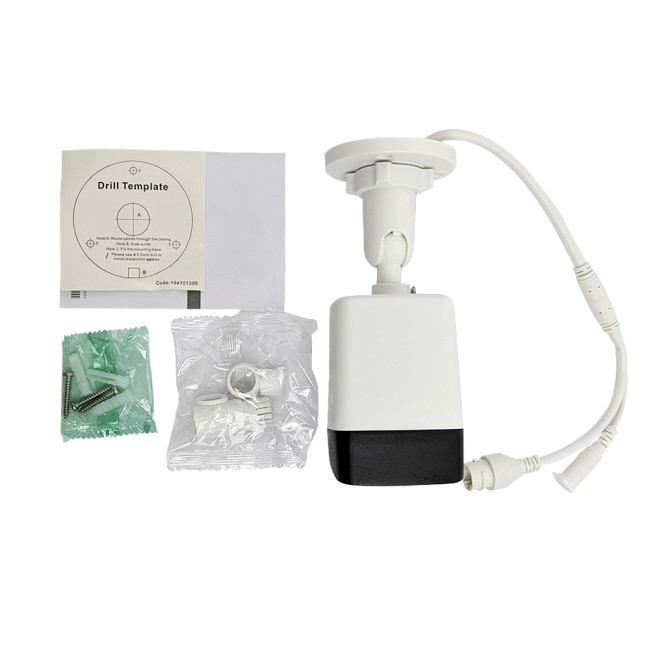
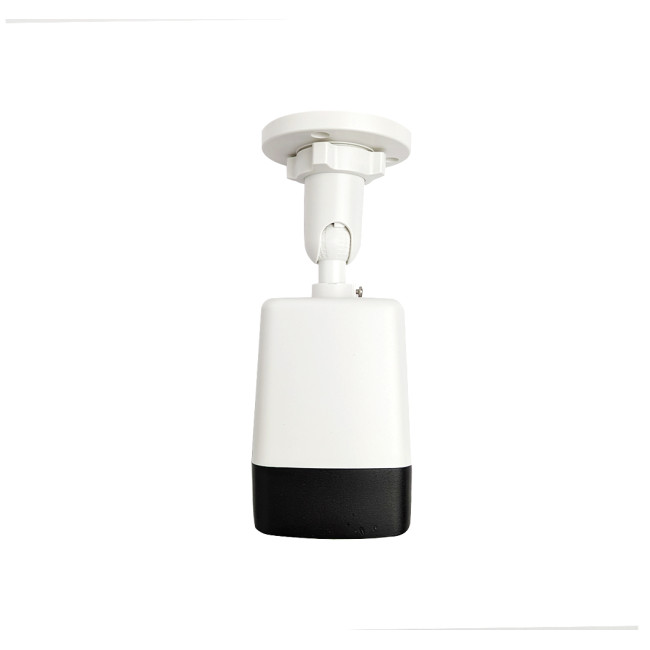
The camera runs either on 12 V with a 5 W maximum or over the network cable via PoE 802.3af, class 3, where the ceiling is 6.5 W. The second option is the practical one: a single UTP run carries both power and data, and eight such cameras add up to roughly 52 W, less than half the budget of an ordinary eight-port 120 W PoE switch. The metal-and-plastic body weighs 270 grams at about 171 mm long and includes an integrated sun shield, while IP67 means full dust protection and resistance to brief immersion, so mounting straight onto a facade with no canopy is perfectly acceptable. The -30 to +60 °C range covers a Ukrainian winter including a cold start after a blackout, and this is exactly the specification no-name cameras cut, which is why they fail to come back up in January. One limit is stated by the manufacturer outright: this model carries no dedicated anti-corrosion protection, so for a seafront installation or a site next to chemical production you should be looking at the hardened series instead.
Where this camera belongs and what it was designed for
A bullet body on a bracket is visible from a distance, and half its value lies exactly there: on a shop facade, above a gate or on the corner of a warehouse it doubles as a plain signal that the place is watched. The natural scenarios are the perimeter of a house, a driveway, the loading area of a small warehouse, a four-to-six car parking bay or an office frontage with parking — anywhere you need a general view across 15-25 metres and a detailed colour frame after dark. For a retail floor or an office interior the model is usually excessive in size and appearance; dome and turret housings suit those rooms better because they draw less attention and sit more quietly in the interior. It is also a poor choice as the only camera on a long perimeter: 30 metres of light and a 98-degree field mean a 60-metre fence is lit halfway and the far corner stays a dark patch. And a word about the weak spot of the bullet form — a long bracket is easier to twist by hand or knock with a stick than a turret, so a mounting height of three metres and up is a condition of operation rather than a preference.
How it differs from the neighbouring models in this catalogue
Its closest relative here is the Hikvision DS-2CD1343G2-LIUF in the same price bracket: identical electronics and identical analytics, but a turret housing and a 4 mm lens, meaning a narrower 78-degree field and DORI figures of 78/31/15/7 m instead of 63/25/12/6. Choosing between them is not about better or worse but about the geometry of the site: a wide yard in one frame calls for this 2.8 mm version, while a narrow passage, a path or a gateway where a face must be recognisable at 7-10 metres calls for the 4 mm. The cheaper DS-2CD1027G3-LIUF saves but is a 2 MP unit and, according to the specification in our database, has no human or vehicle detection — precisely the case where the notifications end up switched off, which makes the saving questionable. Cheaper still, the DS-2CD1021G0-I belongs to the G0 generation: infrared only, a black-and-white night and no object classification whatsoever; it earns its place as a supplementary camera that simply proves something happened, not as the main unit on a gate. In the other direction sits the DS-2CD2T43G2-4LI with 80 metres of illumination and full AcuSense including perimeter rules, and the roughly premium is justified on a long perimeter or wherever the alarm must fire on a line crossing rather than on mere presence in a zone.
If you are not sure how many cameras your site needs or which lens each one should have, send us the dimensions of the plot, the number of entrances and where the network already runs — we will draw up a layout showing exactly what each camera will capture.
Characteristics Hikvision DS-2CD1043G2-LIUF
Reviews about Hikvision DS-2CD1043G2-LIUF from real users
No reviews found







