
 m. Сміла, Незалежності, 67г. оф, 406/6























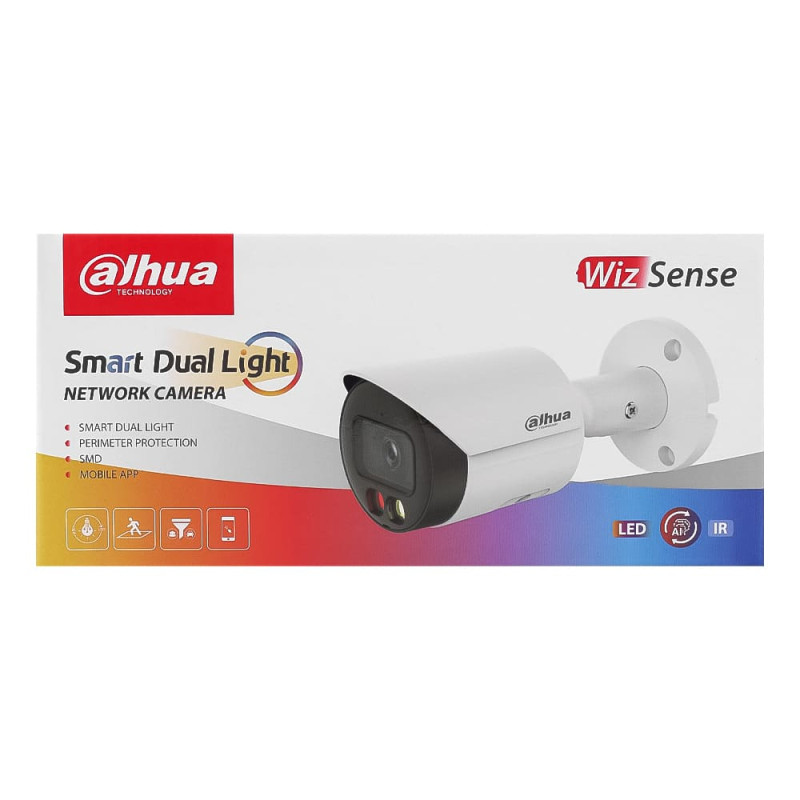
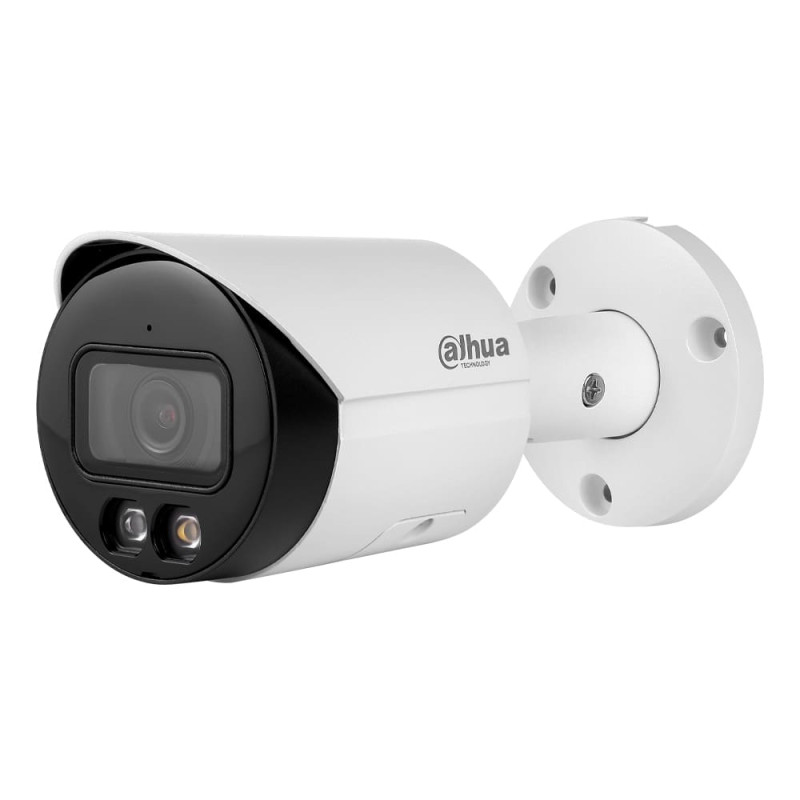
DAHUA DH-IPC-HFW2249S-S-IL (2 MP/2.8 MM) - PoE IP CAMERA

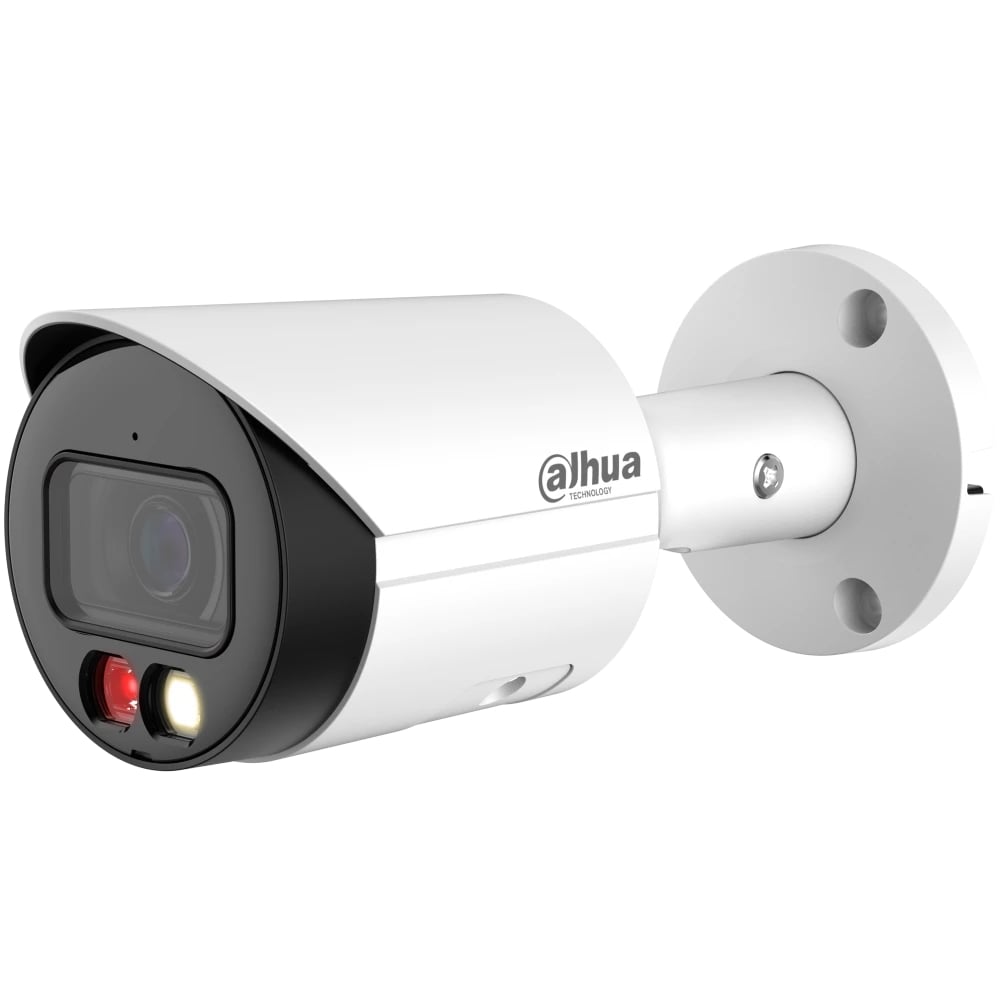
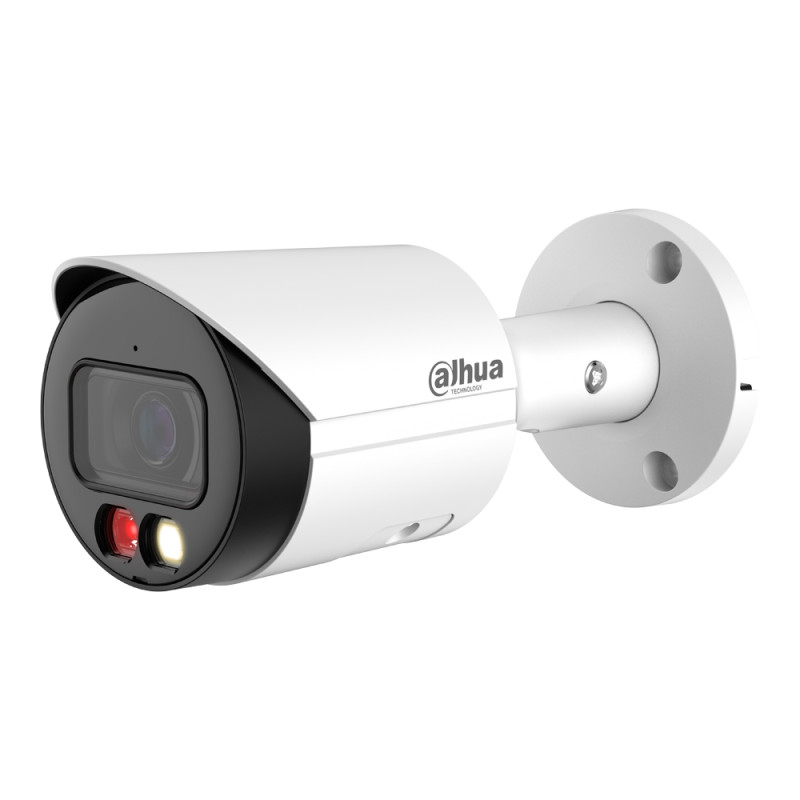
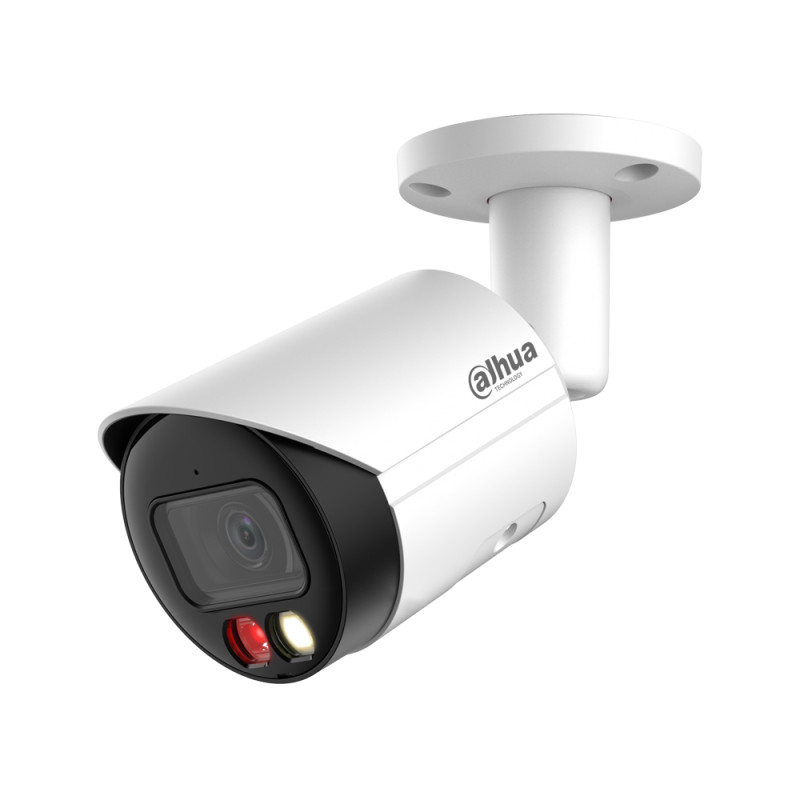
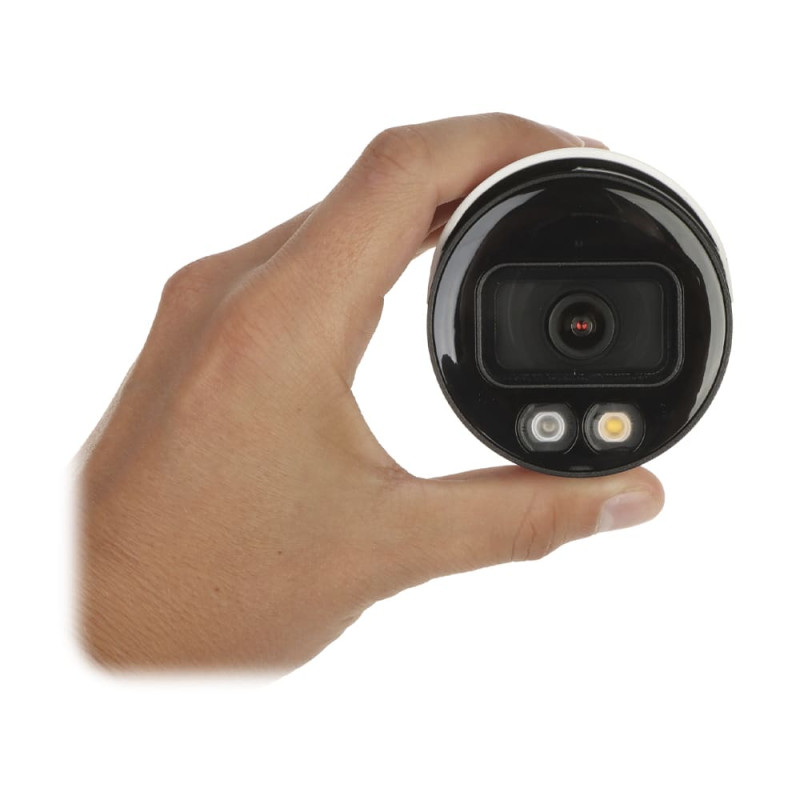
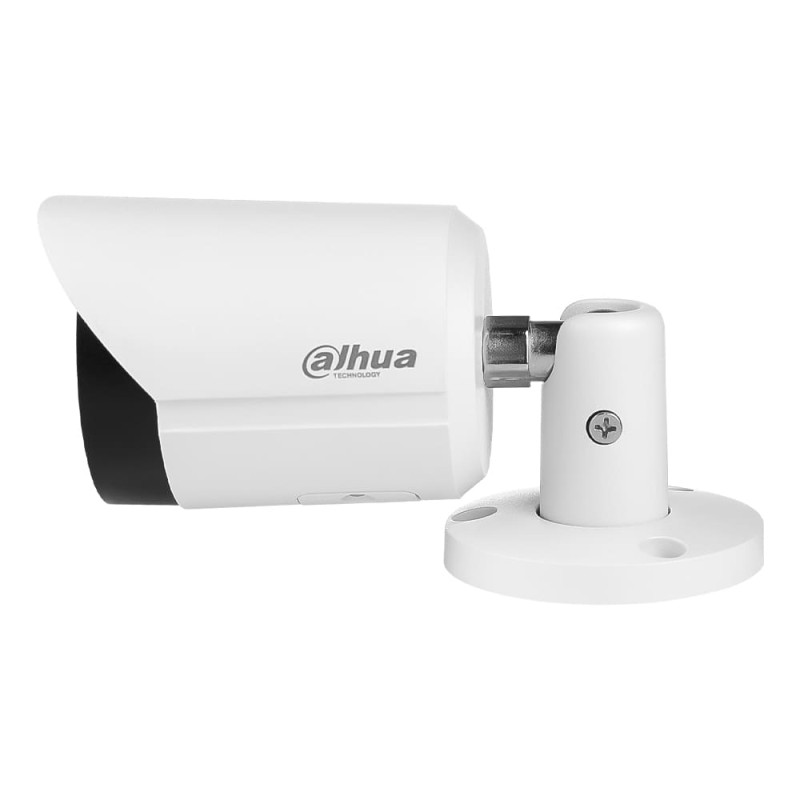
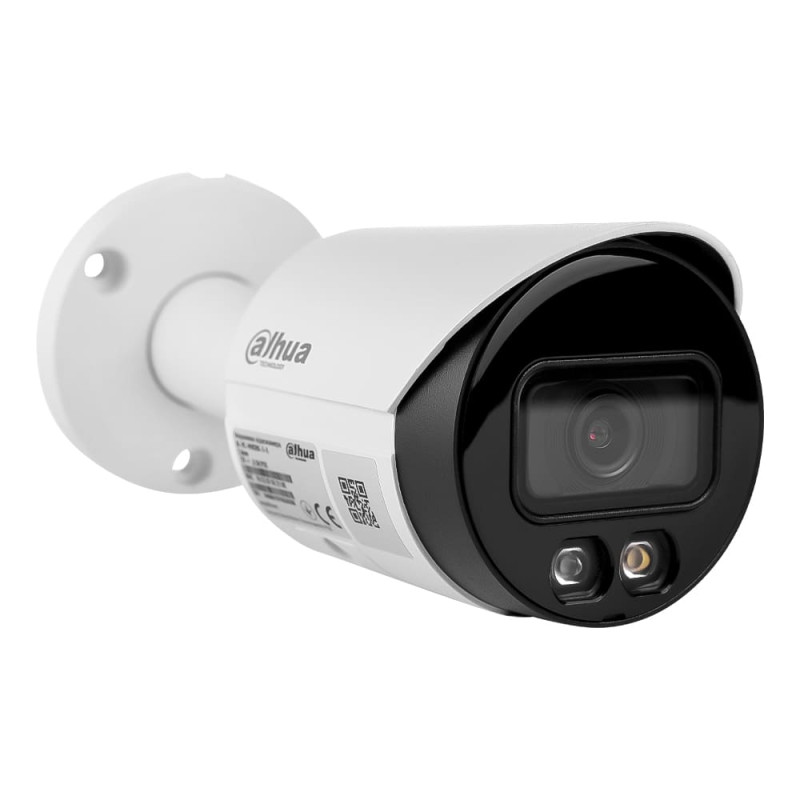
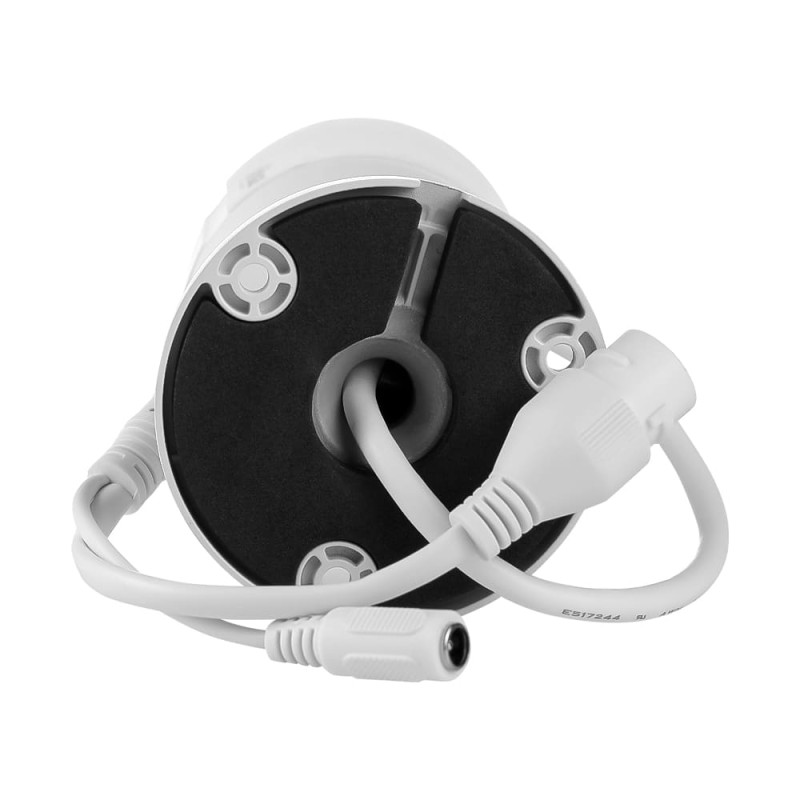
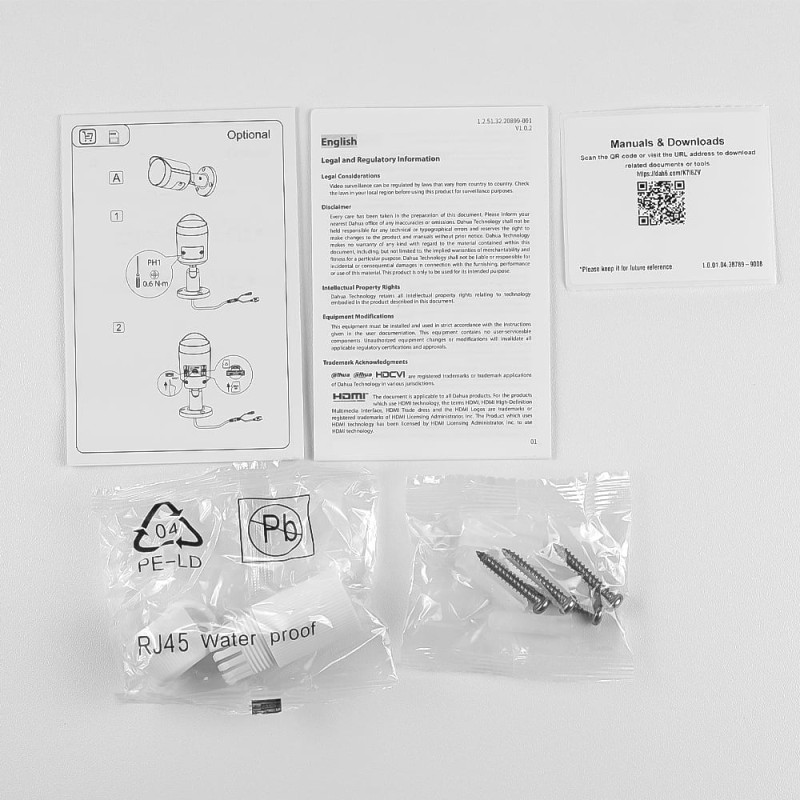
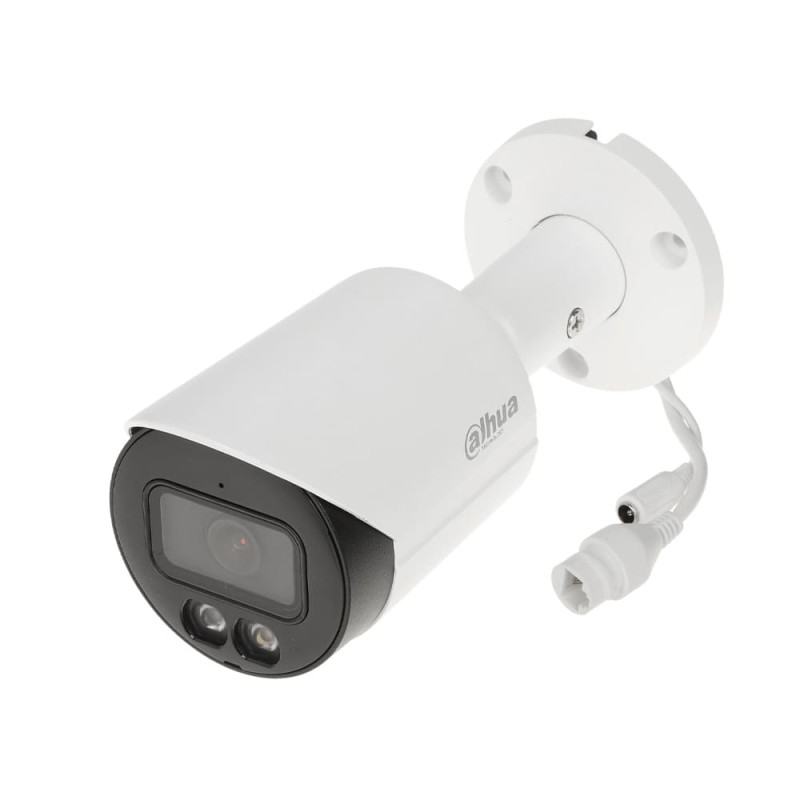


Description Dahua HFW2249S-S-IL
Smart Dual Light: colour footage at night instead of a grey silhouette
The -IL suffix at the end of the model name is not a housing option but the marking for Smart Dual Light: the camera carries infrared LEDs and warm white LEDs at the same time, each reaching up to 30 metres. In normal night mode the invisible IR illumination does the work and the recording stays black and white, but the moment the analytics spots a person or a vehicle, the warm white light switches on and the frame turns full colour. The difference between those two recordings is the difference between "someone in a dark jacket" and "a man in a blue jacket next to a grey hatchback", and it is exactly the colour of clothing and car that becomes a usable description when you have to show the footage to somebody. Warm white light is far easier on the eyes than cold white and does not turn the yard into a film set, which is why this camera is comfortable above the front door of a house where people live. The mode can also be forced: leave the camera in permanent white light and you get colour around the clock, but then it doubles as a floodlight and your neighbours become part of the equation.
WizSense and SMD Plus: the filter that decides whether alerts survive
WizSense analytics runs on the camera's own processor, so the verdict "this is a person, this is a vehicle, and this is just a bush moving" is reached before the event ever reaches the network. SMD Plus is precisely the filter that discards animals, shadows, falling leaves and insects crawling across the lens, leaving only human and vehicle movement in the event log. The value here is domestic rather than promotional: a camera without that filter produces hundreds of triggers during one windy autumn week, the owner mutes notifications within days, and a security system quietly degrades into an archive. On top of that you get tripwire and intrusion rules with object classification, so you can draw a strip of lawn along the fence and be alerted only when a person steps into it, not when the cat runs through. The limitation is worth knowing in advance: classification is reliable while the object occupies enough pixels in the frame, so rule zones belong roughly within 15-20 metres of the camera rather than in the far corner of the plot.
2 MP, a 107° field of view and a 2.8 mm lens: what actually fits in frame
The 1/2.8" 2 MP CMOS sensor delivers 1920×1080 at 25 frames per second, a format any recorder and any link handles without strain, including a mobile connection at a country house. The 2.8 mm lens with its 107° angle is genuinely wide: a single unit covers a typical private yard, a driveway together with the pedestrian gate, or a small shop floor with no blind spots at the edges. The trade-off has to be understood before purchase, because a wider field means fewer pixels per metre of scene: at 2 MP confident facial recognition ends at roughly 6-8 metres, and a number plate is only readable up close. In other words this camera answers the questions "what happened, when, and how many of them were there", but it is not a forensic identification tool at the gate. If reading plates is the actual goal, the correct move is not more megapixels but a second camera with a narrower lens aimed at the passage point — no amount of configuration will make a wide-angle model do that job.
A 256 GB card and a broad protocol set: not a hostage to one recorder
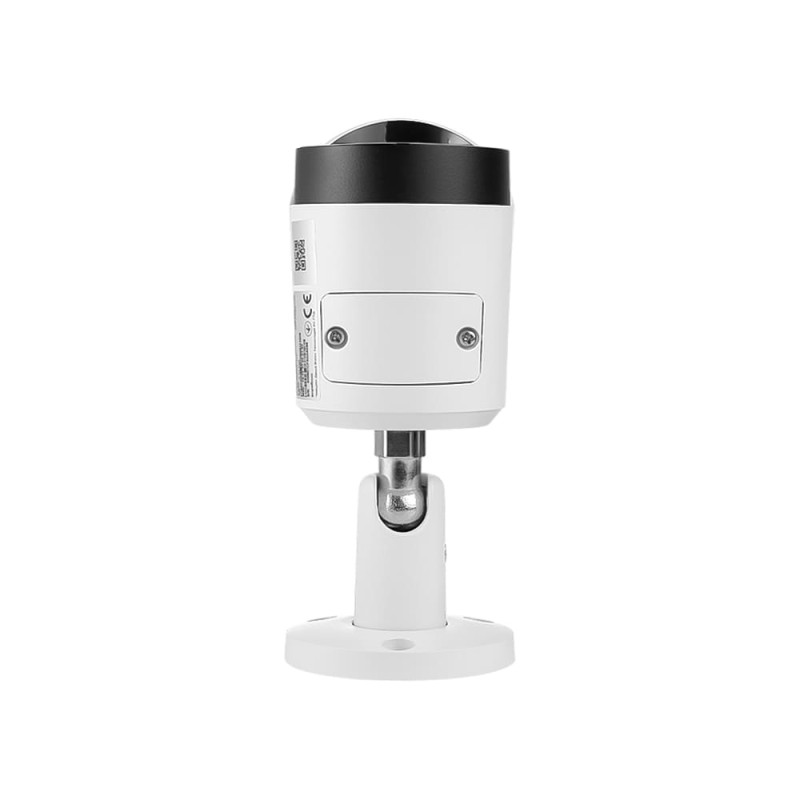
The camera has a microSD slot for cards up to 256 GB, and that single detail is often why buyers choose it over cheaper models that look almost identical. Local recording means the archive keeps running when the recorder is switched off, when the house loses power and the camera rides on a UPS, or when an intruder simply carries the NVR away — the classic failure of budget systems where all the evidence sits in one box in the hallway. In terms of volume, 256 GB at 2 MP with H.265 is roughly two weeks of continuous recording, and in event-triggered mode the count runs into months. Transmission works over ONVIF, RTSP, FTP, CGI, P2P and even Milestone, so the camera drops into a system of almost any brand rather than only into a Dahua recorder. The built-in microphone records audio in sync with the video, and a sentence caught on tape sometimes explains an incident better than the picture — just remember that recording sound in shared spaces has its own legal boundaries.
4.4 W of draw, a metal body, IP67 and a -40…+60 °C range
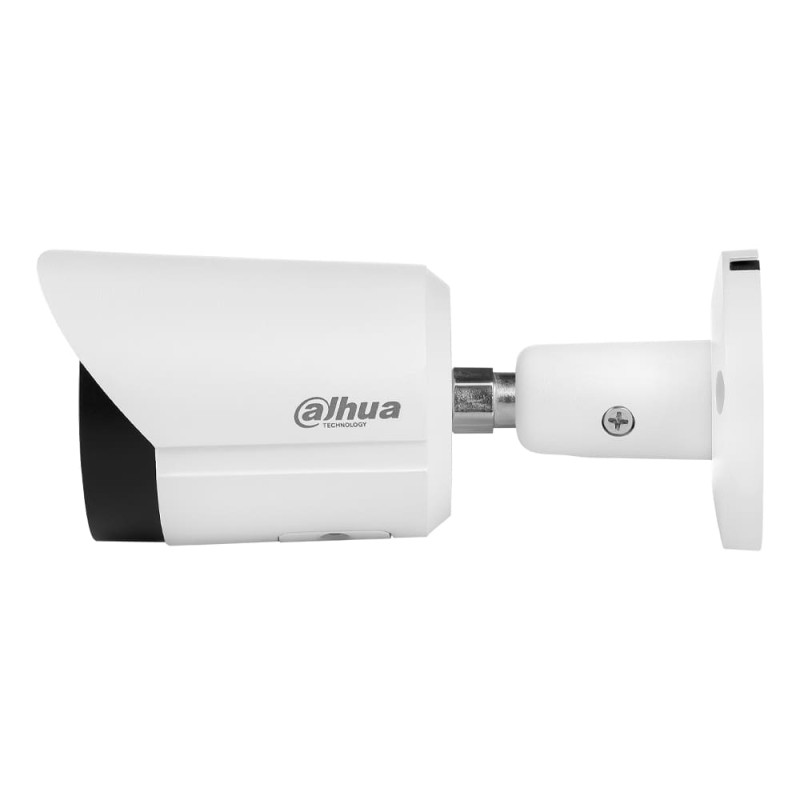
The camera runs either on 12 V DC or over PoE 802.3af through the same cable that carries the data, drawing 4.4 W at a current of about 0.4 A. That figure matters at the design stage: eight of these cameras add up to roughly 35 W of useful load, so an inexpensive 8-port PoE switch rated at 60-65 W has headroom even after losses in a long cable run. The housing is all metal, 166 mm long and 480 g heavy — noticeably more substantial than the plastic neighbours on the same shelf, but also more resistant to a blow and better at shedding heat in direct summer sun. IP67 means complete dust protection plus survival of brief immersion, so the camera can go onto an exposed façade with no eave above it and wind-driven rain stops being a concern. The -40…+60 °C operating range covers a Ukrainian winter with room to spare, and the real issue is never the frost itself but whether the unit restarts after a power cut in freezing weather — the exact scenario where cameras rated only to -10 °C fail.
Where this camera belongs and what it is built for
An HFW bullet housing is visible from a distance, and that is half of its job: it deters before anything happens, which makes the driveway, the gate, the façade above the entrance and the corner of the house overlooking the yard its natural positions. In a warehouse or workshop it goes along a wall so the whole aisle between racks stays in frame, and in a small production unit it sits above the loading bay where both people and moving equipment need to be seen. The sun shield above the lens solves two problems at once: it sheds rain and it screens the sensor from a lamp mounted higher than the camera — a task that is considerably harder to handle with dome models. Where it does not belong: inside living rooms, where 30 metres of illumination is pointless and the shape on a bracket feels oppressive, and at a height reachable from the ground, since a long bracket can be twisted by hand — mount above three metres or choose the dome version. For a long fence, one camera in the corner performs worse than two facing each other, because anyone moving along the fence line will always be facing at least one of them.
How it differs from its neighbours in this catalogue
Its closest relative is the Dahua DH-IPC-HDW2249T-S-IL: same 2 MP sensor, same Smart Dual Light, same analytics, but in an eye-ball dome housing — take that one for ceilings, porch soffits and indoor rooms, and this bullet for façades and driveways. Heading down in price, the catalogue offers the DH-IPC-HFW1230S1, a visually similar 2 MP bullet from the Entry line, but with no white light (nights stay monochrome), no SD slot and no WizSense on board; it makes sense where the camera merely feeds pictures into a recorder that does the intelligent filtering itself. Heading the other way are the DH-IPC-HFW2849S-S-IL and DH-IPC-HFW2849T-AS-IL: the same Smart Dual Light idea at 8 MP instead of 2 MP, with the 2849T-AS-IL adding 50-metre illumination and a 3.6 mm lens — paying extra for 8 MP is justified precisely when you intend to zoom into recorded footage and examine detail, and pointless if the archive is only ever reviewed at a glance. The middle option is the DH-IPC-HFW2449TL-S-PRO at 4 MP with 50-metre illumination, a sensible compromise for a long driveway where 30 metres of IR is no longer enough. In short, the 2249S-S-IL is the minimum configuration that already includes everything that matters — colour at night, WizSense and a memory card — and moving up the range should be driven by a specific need for reach or detail rather than bought as insurance.
Tell us about the site — perimeter length, how many entrances there are and whether a recorder is already installed — and we will work out how many cameras with which lenses will cover it without blind spots.
Characteristics Dahua HFW2249S-S-IL
Reviews about Dahua HFW2249S-S-IL from real users
No reviews found







