
 m. Сміла, Незалежності, 67г. оф, 406/6























DAHUA DH-IPC-HFW1230T1-ZS-S5 (2 MP/2.8-12 MM) - PoE IP CAMERA



Description Dahua HFW1230T1-ZS-S5
A 243 mm bullet body: when the housing matters more than the electronics
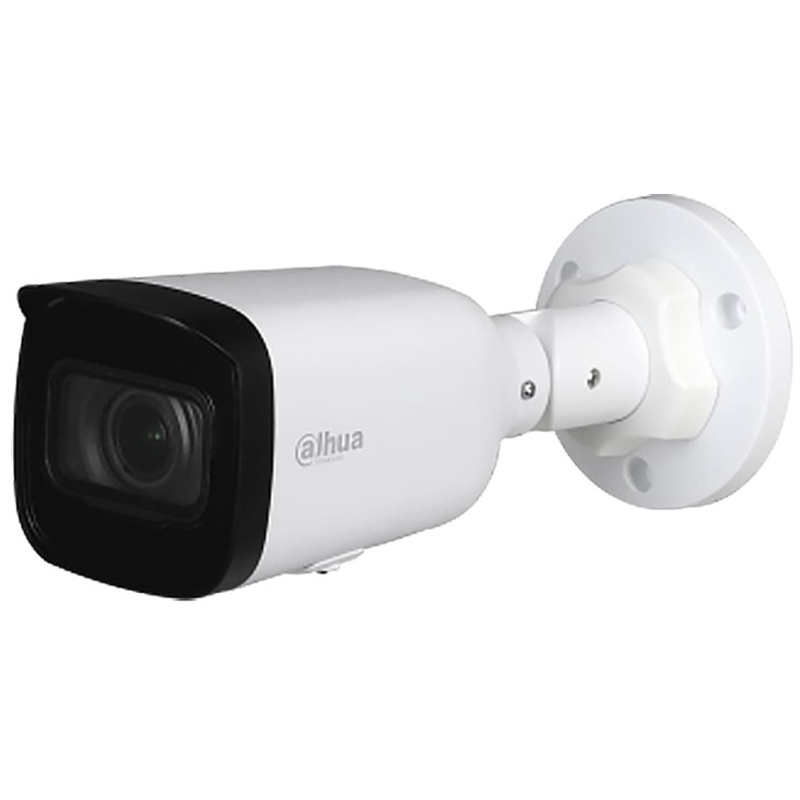
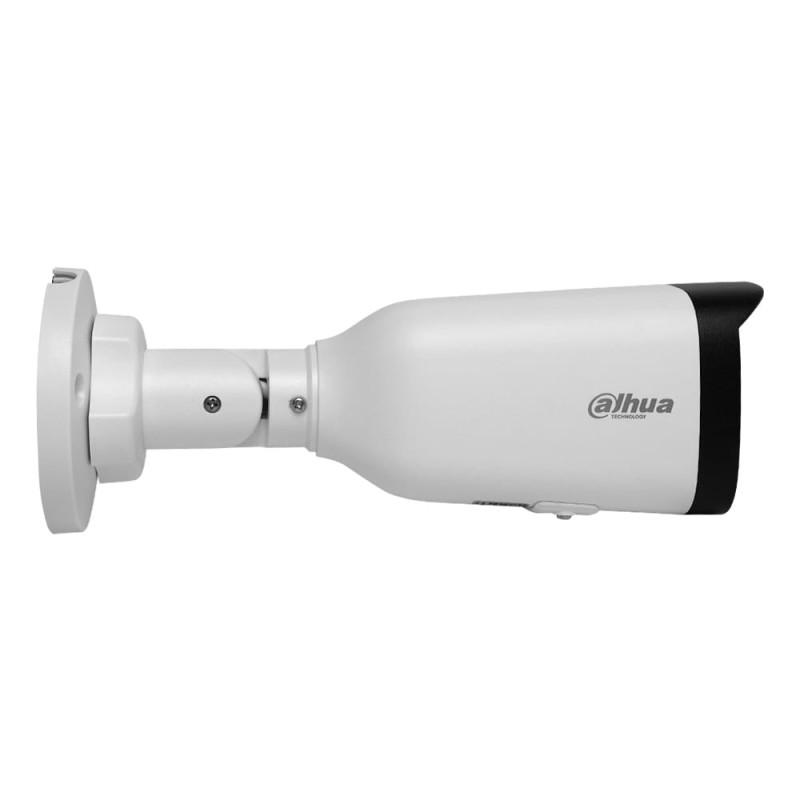
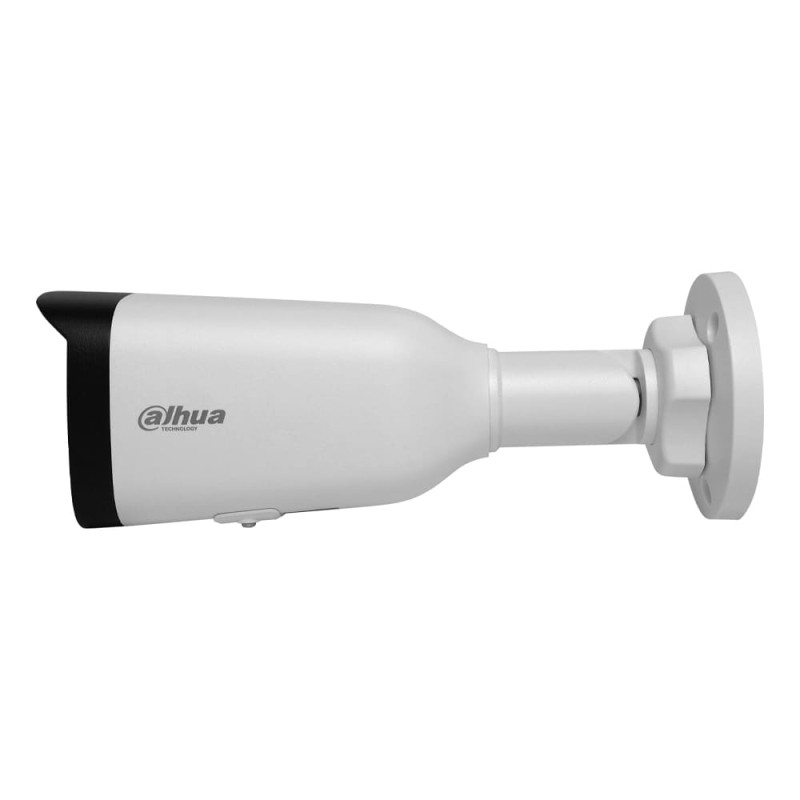
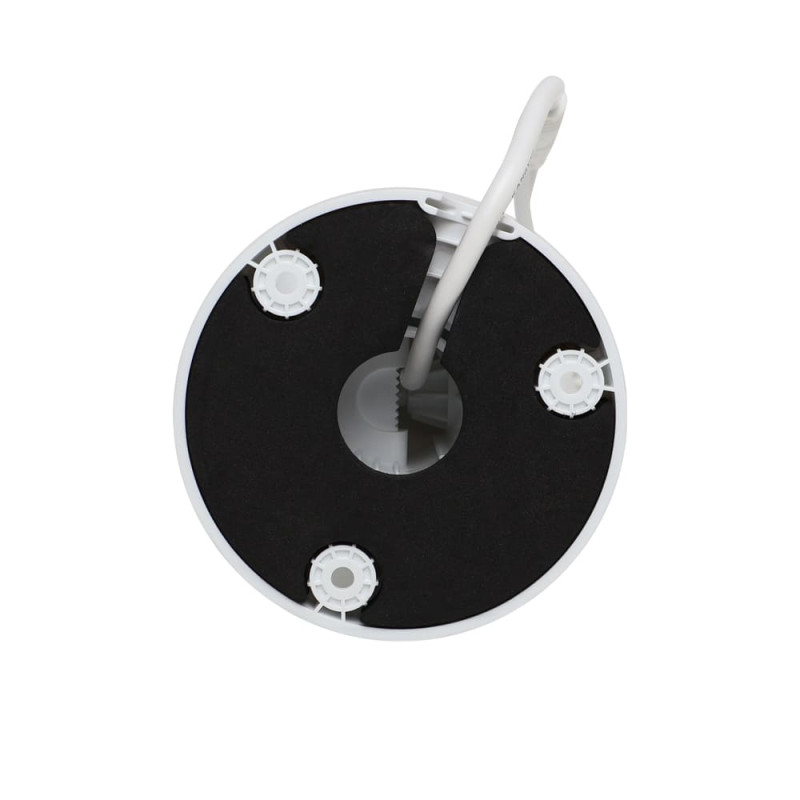
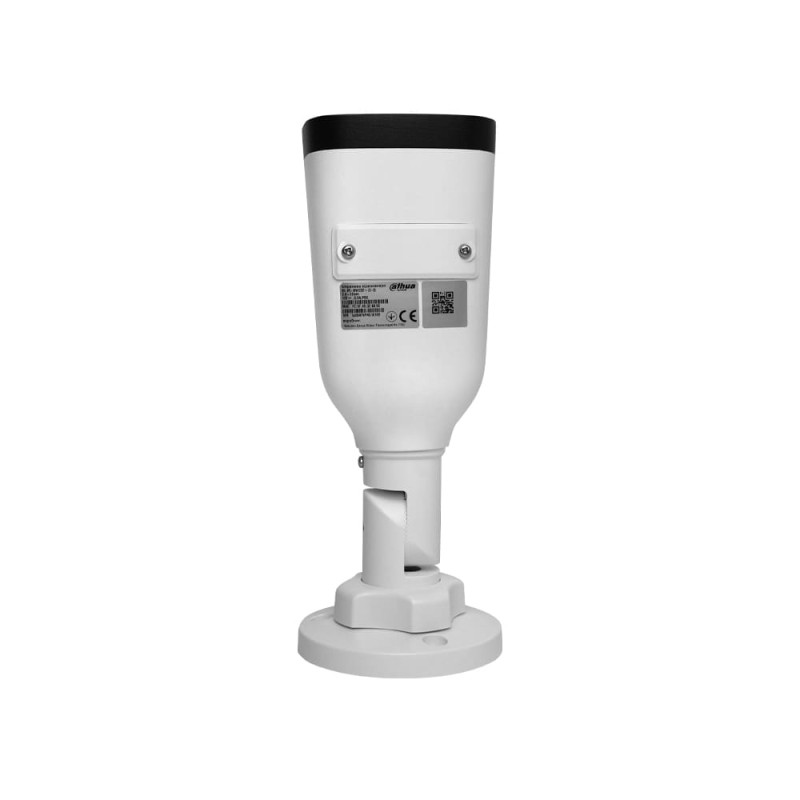
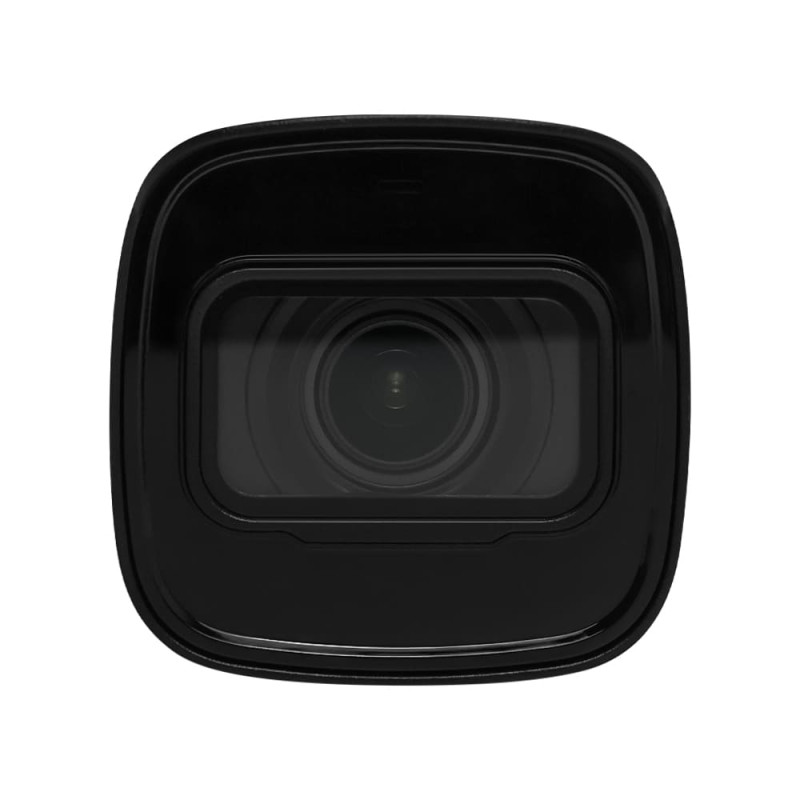
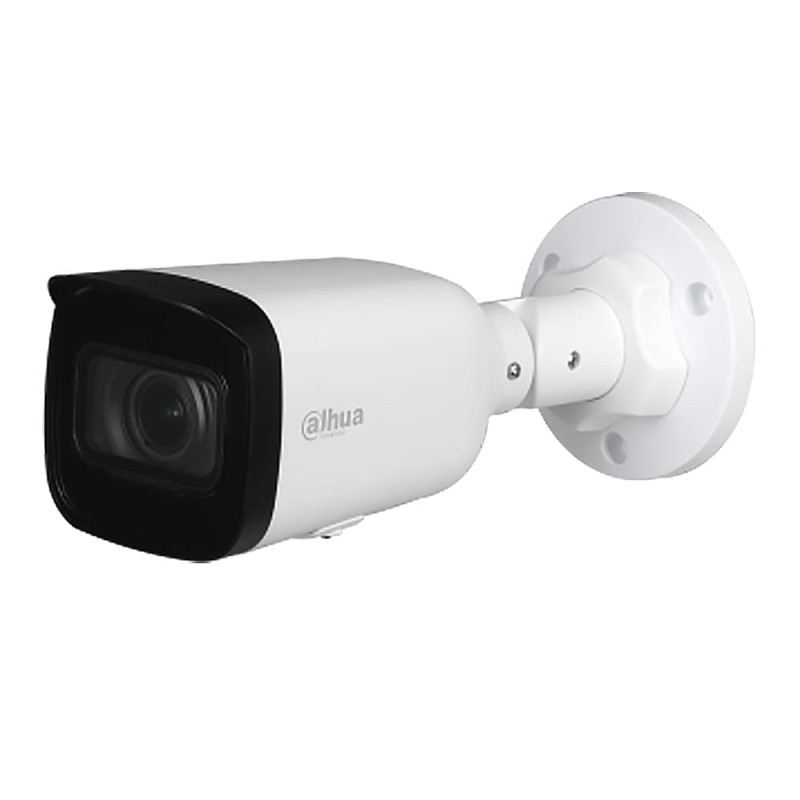
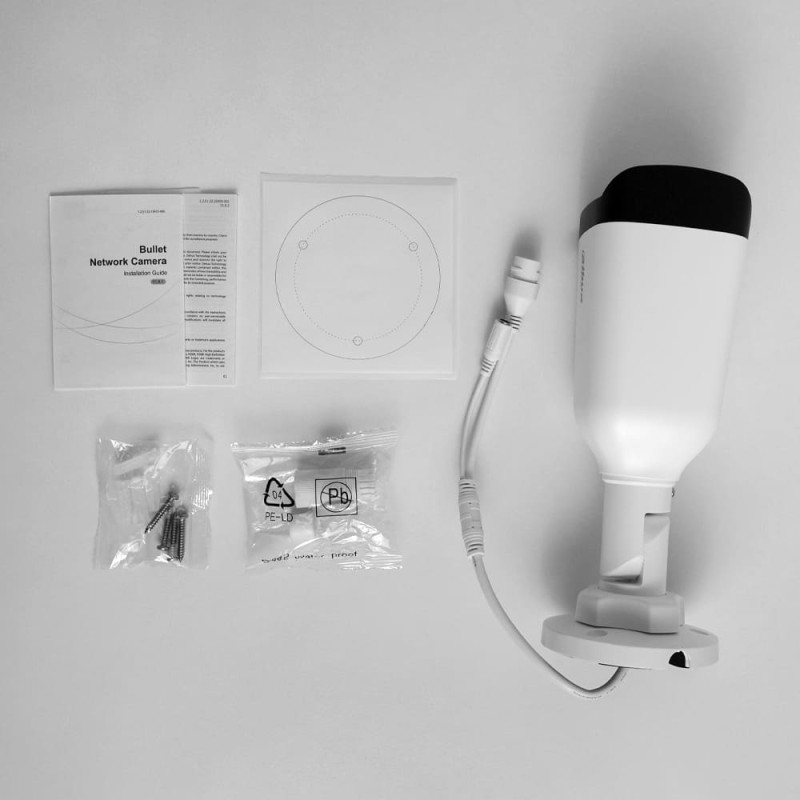
HFW in Dahua's naming means a bullet housing, and here that is a mounting decision rather than a styling one: 243.5 mm long, 430 g, an integrated sun shield over the glass and a bracket that pushes the camera away from the wall by as much as the view requires. The shield solves two everyday problems at once - in summer it blocks low sun that would otherwise flare across the lens, and in rain it keeps droplets off the front glass where they would dry into smears that ruin the night image. A long body is visible from a distance, and that visibility is part of the security: a camera you can see from outside the fence gets avoided more often than a discreet dome under an eave. The flip side is the exposed bracket, which can be grabbed and turned by hand, so below about two and a half metres a bullet is more vulnerable than an eye-ball or a vandal dome. For pole or corner mounting Dahua offers the PFA13G junction bracket and the PFA152-E pole mount, and the cable runs inside the arm, so it cannot be cut discreetly.
A 2.8-12 mm zoom you drive remotely
The lens is motorised varifocal: focal length travels from 2.8 to 12 mm under electric drive, and the command comes from your phone or the recorder interface without anyone touching the camera. That is the main reason this model costs the same while the DH-IPC-HFW1230S1 with a fixed 2.8 mm lens sits in the same catalogue: the difference buys the ability to compose the frame after installation and to change it later, when a new gate appears on the plot or an old bush disappears. Across that range the horizontal field of view runs from 101 to 33.5 degrees - from the whole yard to nothing but the gate. Aperture stays at F1.7 with a fixed iris, and the camera refocuses itself after each zoom step, so there is no manual work on the optical block at all. One discipline rule is worth keeping: a zoom is not an excuse to fit one camera instead of two, because at any given moment it only looks in one direction.
DORI: how many metres to a face and to a number plate
The rated DORI distances match those of its dome twin, and they should be read literally: at the wide 2.8 mm end the camera detects a person up to 48 metres, gives usable observation to 19 metres, recognition to 10 metres and facial identification to 5 metres. At the 12 mm end those four thresholds stretch to 131, 52, 26 and 13 metres, which is exactly why varifocal lenses get bought for long driveways and perimeters. The sensor, however, is 2 MP, and that ceiling cannot be out-zoomed: reading a car plate needs roughly 60-80 pixels across the plate, so wide open you can rely on plates at three or four metres, while at 12 mm the same reliability extends to ten or twelve. If the task is stated as seeing that a vehicle passed, the wide angle is enough; if it is capturing the plate, the lens has to be narrowed and the rest of the yard drops out of frame. That is normal design practice - one camera for overview, another for the entrance, rather than one camera for everything.
Fifty metres of infrared, and an honest word about monochrome nights
Two IR LEDs deliver a rated 50 metres of illumination, ten more than the dome version of the same series, and that gap is what most of the price difference between them buys. Intensity control is adaptive: when the subject is close the power drops automatically, so a person three metres from the lens does not turn into a faceless white patch. Minimum illumination of 0.008 lux at F1.7 holds a colour image well into deep dusk, but in true darkness the camera switches to monochrome infrared - there is no white light here and no -IL suffix in the name, so clothing and vehicle colours are lost at night. There is a second caveat: DWDR instead of hardware wide dynamic range, which means scenes with a sharp brightness split, such as a lit gateway against a dark garden, are handled only adequately. In practical terms this is a camera for seeing and recording movement at distance, not for identifying a person in colour at night, and the two jobs should not be confused.
No analytics: the Entry series sees motion but does not understand it
The model belongs to the entry-level 1xxx line, where Dahua fits neither WizSense nor SMD Plus, so everything the camera can do is compare frames and report pixel change inside four defined rectangles. On an open street that is weakness number one: a branch in the wind, insects crossing the IR beam, headlight shadows from a neighbour's car and a cat on the fence all produce the same alarm, and the camera cannot filter any of it. As a result, phone notifications in this configuration typically survive about a week before being switched off, and the security function quietly degrades into an archive - the footage exists, but it warns nobody. The workable answer is to move analytics to the recorder: the Dahua DHI-NVR2104-P-I2, or the eight-channel DHI-NVR2108-8P-I2, classify people and vehicles at their own level while also supplying PoE ports for the cameras. If the budget covers only one camera and smart alerts are the point, it is cheaper to buy a 2xxx-series model with built-in AI than to build a system around an Entry unit.
Power, weather and the card-based archive
Power is dual: 12 V DC or PoE 802.3af over the same cable that carries data, with roughly 2.3 W drawn in the basic mode and 5.5 W at peak over PoE with the illuminator running. In other words, even a budget eight-port PoE switch with a 60 W total budget carries eight of these cameras with no headroom to spare, while a 90-120 W switch leaves comfortable room for future points. The housing is IP67 rated and runs from -30 to +60 degrees, so it survives January frost and a sun-baked south wall in July, and the stated 30% input voltage tolerance helps on rural grids that sag. The microSD slot takes cards up to 256 GB, and it is a fallback rather than the main archive: at 2 MP in H.265 such a card holds roughly a week of continuous recording, and considerably longer in event-only mode. Third-party integration is the usual Dahua set - ONVIF, RTSP, FTP, CGI and P2P - so the camera fits a Dahua NVR, someone else's recorder or a VMS equally well.
Comparison with its actual neighbours in this catalogue
Its direct relative is the DH-IPC-HDW1230T1-ZS-S5: same sensor, same 2.8-12 mm zoom and the same absence of AI, but in an eye-ball dome with 40 metres of illumination; for a camera going under an eave or onto a ceiling, the dome is cheaper cheaper and far less conspicuous. The DH-IPC-HFW1230S1 is the same bullet with a fixed 2.8 mm lens and 30 metres of IR - buy it if the frame is obvious and do not spend on a zoom you will set once. The strongest argument against this model comes from inside Dahua: the DH-IPC-HFW2249S-S-IL is cheaper cheaper yet adds human and vehicle classification plus a colour night mode with white light, losing only the adjustable angle and ten metres of reach. For anyone who needs 50 metres of night range and analytics together, the reference is the DH-IPC-HFW2449TL-S-PRO: 4 MP, AI and the same illumination for more, which is objectively the better deal on a new project. This model stays justified in one specific case - when a remotely adjustable zoom outdoors is the requirement and the budget will not stretch to 8 MP varifocal options such as the Reolink RP-PCB8MZ.
Describe the mounting point - height, distance to the area of interest, whether there is a canopy above - and we will tell you which zoom setting gives the frame you need.
Characteristics Dahua HFW1230T1-ZS-S5
Reviews about Dahua HFW1230T1-ZS-S5 from real users
No reviews found







