
 m. Сміла, Незалежності, 67г. оф, 406/6























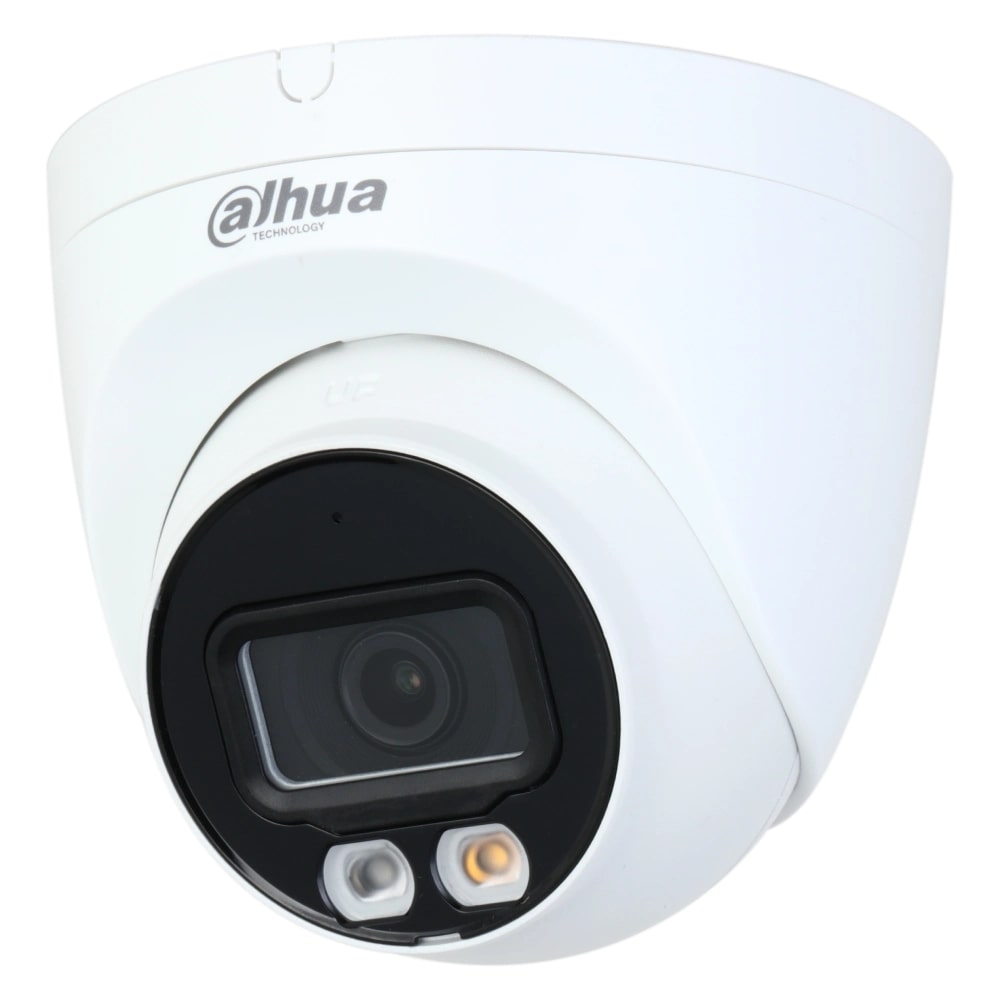
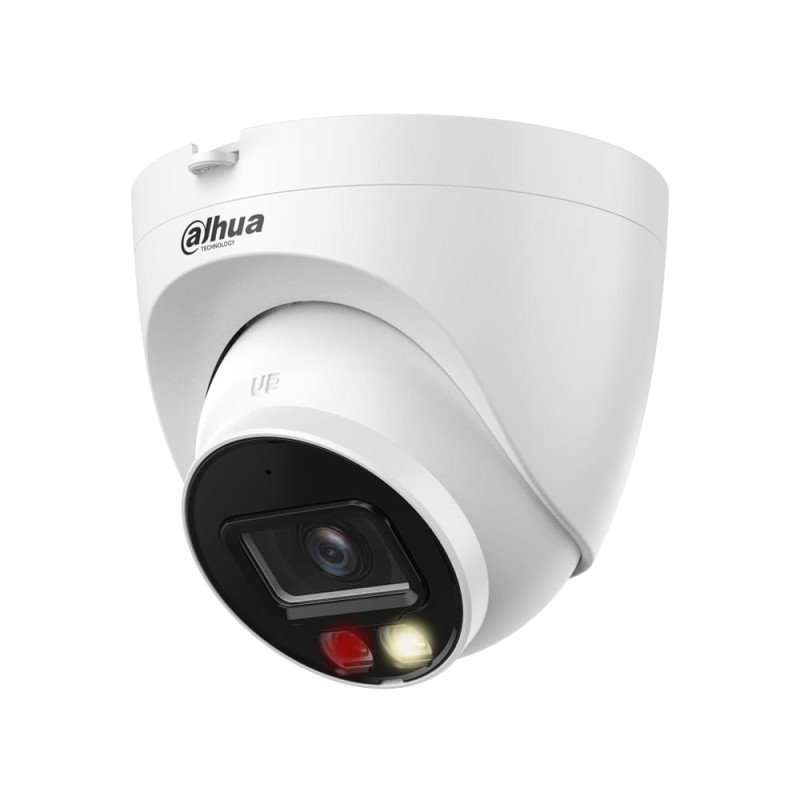
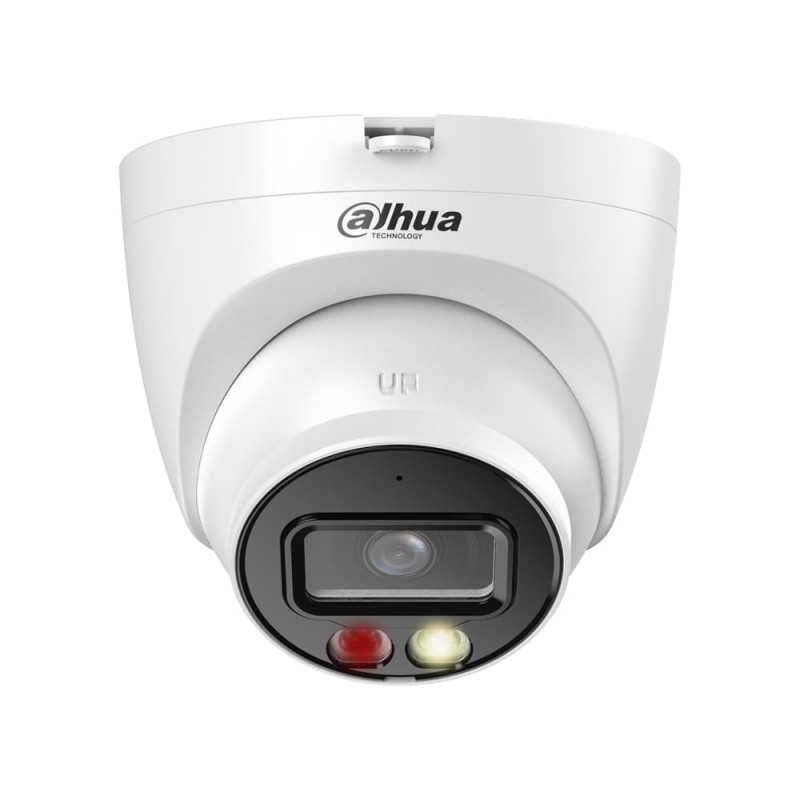
DAHUA DH-IPC-HDW2249T-S-IL (2 MP/2.8 MM) - DOME PoE IP CAMERA



Description Dahua HDW2249T-S-IL
Smart Dual Light: the camera decides when to switch on white light
The -IL suffix stands for Smart Dual Light, which means two separate light sources inside one housing: an infrared LED and a warm white LED, each rated for up to 30 metres. At night the camera keeps the invisible infrared illuminator on, and the moment on-board analytics classifies a person or a vehicle in the frame, the warm white LED fires and the picture turns from monochrome into full colour. That difference matters on the day you have to show the footage to somebody: an infrared clip gives you a silhouette and a direction of movement, a colour clip gives you the colour of a jacket, the body type and shade of a car, a logo on a van. Illumination mode is configurable, so you can force infrared only for discreet surveillance, force white light for permanent full-colour night view, or leave the automatic mode that combines both. One caveat is worth planning for in advance: in permanent white-light mode the camera effectively becomes a lamp, and if it faces a neighbour's windows, that quickly turns into a dispute rather than a security feature.
WizSense and SMD Plus: alerts you will not end up muting
This model belongs to the WizSense family, which means the deep-learning analytics runs inside the camera itself — no separate server, no cloud subscription, no extra licence. SMD Plus filters out everything that is not a human or a vehicle: swaying branches, cloud shadows, rain streaking through the beam, a cat crossing the driveway simply stop generating alarms. Two IVS rules are available on top of that — tripwire and intrusion — and both work with object classification, so a rule like "notify me when a person crosses the line along the fence after 10 p.m." is realistic, while a neighbour's car passing by stays silent. The value of that filtering shows up after the first week of use: a system without classification produces dozens of night-time notifications, the owner switches them off, and what was meant to be a security system becomes an archive nobody watches in time. Two limits are worth knowing: classification needs a reasonable object size in the frame, so a person at the far edge of the 30-metre illumination range is recognised less reliably than at ten metres, and animal detection is not part of this model's feature set.
2 MP, an F1.6 lens and 120 dB WDR in practical terms
The 1/2.8-inch 2 MP sensor outputs 1920×1080 at 25 frames per second, which is exactly what a Full HD monitor displays, so full-screen playback shows the native image without any upscaling. The 2.8 mm lens with an F1.6 aperture covers 107 degrees horizontally and pulls a colour image down to 0.002 lux, meaning the scene stays in colour for a while before any illuminator is needed. The 120 dB wide dynamic range is the specification people underrate until the first installation facing a gate: without it, a bright sky or a pair of headlights turns the shaded area near the door into a solid dark blob. The honest trade-off of a 2 MP sensor is this: for a general view of a yard, a porch or a shop floor it is more than enough, but digital zoom runs out of detail quickly, and a licence plate at 15-20 metres will be guessed rather than read. When plate or face capture is the actual goal, a dedicated camera with a narrower lens aimed at that single choke point is the right answer, while this one keeps the overview.
The eye-ball housing: easy to aim, hard to knock out of position
HDW in the model code denotes an eye-ball dome — a movable half-sphere seated in a fixed base that pans through 360 degrees and tilts up to roughly 78 degrees. Unlike a bullet camera on a long arm, there is no lever for a passer-by to grab and twist the lens towards the sky, so the field of view stays where the installer left it. Aiming takes seconds: the base is fixed to a ceiling, a soffit or a wall, then the sphere is turned by hand and locked in place. The metal-and-plastic body weighs 370 g and measures about 110 mm across, so ordinary wall plugs hold it without reinforcement, and cabling exits either through the base or through the side gland. Keep in mind that an eye-ball has no built-in sun shield the way bullet models do: on a fully exposed façade dust and raindrops gradually settle on the glass, so mounting under an overhang visibly improves the picture over the seasons.
Where this camera belongs and which jobs it is built for
Typical placements are a front door and porch, a residential yard with pathways, a small car park, the entrance area of a shop, an office corridor, a stairwell or an apartment building lobby. A 107-degree field of view covers a strip roughly 10-12 metres wide at a distance of six to seven metres, so a typical yard is handled by two cameras on a diagonal rather than four in the corners. The model is at its best where night-time colour and detail matter within 15-20 metres: who walked up to the door, who was looking into the parked car, which vehicle drove in. It is the wrong tool for a long perimeter or a main gate where recognition at 30-40 metres is required — a 2 MP sensor behind a wide lens physically cannot deliver that, and a 4 or 8 MP model with a 50-metre illuminator is the sane choice there. It is equally wrong as the only camera in a warehouse with tall racking: the wide angle gives a general view, but the narrow aisles between racks stay in blind spots.
Power, storage and audio: what to plan before installation
The camera runs either on 12 V DC or on PoE 802.3af over the same cable that carries video, drawing about 4.4 W. In planning terms, eight of these cameras add up to roughly 35 W of useful load, so an inexpensive eight-port PoE switch with a 60-65 W budget covers the whole system with headroom instead of running at its limit. The microSD slot for cards up to 256 GB is not a replacement for a recorder but an insurance policy: if the cable is cut or the recorder dies together with the mains supply, the camera keeps recording locally and the event is still there. The built-in microphone records audio in sync with video, which is often more informative than an extra frame — you hear the gate slam or the conversation at the door; on the other hand, audio recording in public areas carries legal obligations, and in a shop or an office it is proper to announce it with a sign. IP67 sealing and a -40 to +60 °C range are made for year-round outdoor use without a housing, while ONVIF, RTSP, FTP and SFTP support lets the camera join a third-party NVR or video server, not only a Dahua recorder.
How it differs from the neighbouring models in this catalogue
Its closest relative is the DH-IPC-HFW2249S-S-IL: identical sensor, identical dual illumination and identical analytics in a cylindrical all-metal body with a sun shield, so choosing between them is a question of form factor and mounting spot rather than performance. If the same behaviour is wanted with more detail, the catalogue has the 4 MP DH-IPC-HDW2449TM-S-IL and the 8 MP DH-IPC-HDW2849TM-S-IL in the same eye-ball shape: paying extra for megapixels pays back when you plan to zoom into recorded footage, and does not when the camera watches a short distance for general awareness. Where the camera may be pulled down or smashed — a lobby, a workshop, a façade next to the pavement — the vandal-resistant dome DH-IPC-HDBW2449E-S-IL is the better pick, with a tougher metal housing behind the same analytics. Conversely, if analytics is irrelevant because the recorder does the classification or the system is a plain "just in case" archive, the catalogue also carries the DH-IPC-HDW1230T1: the same 2 MP dome shape but with classic infrared, monochrome nights and no WizSense, at a noticeably lower entry point. In short, this model is the sensible minimum for a private yard or a small business where colour nights and quiet notifications matter more than raw resolution.
Tell us the dimensions of your yard and the number of entrances, and we will put together a placement plan showing what each camera actually covers.
Characteristics Dahua HDW2249T-S-IL
Reviews about Dahua HDW2249T-S-IL from real users
No reviews found







