
 m. Сміла, Незалежності, 67г. оф, 406/6























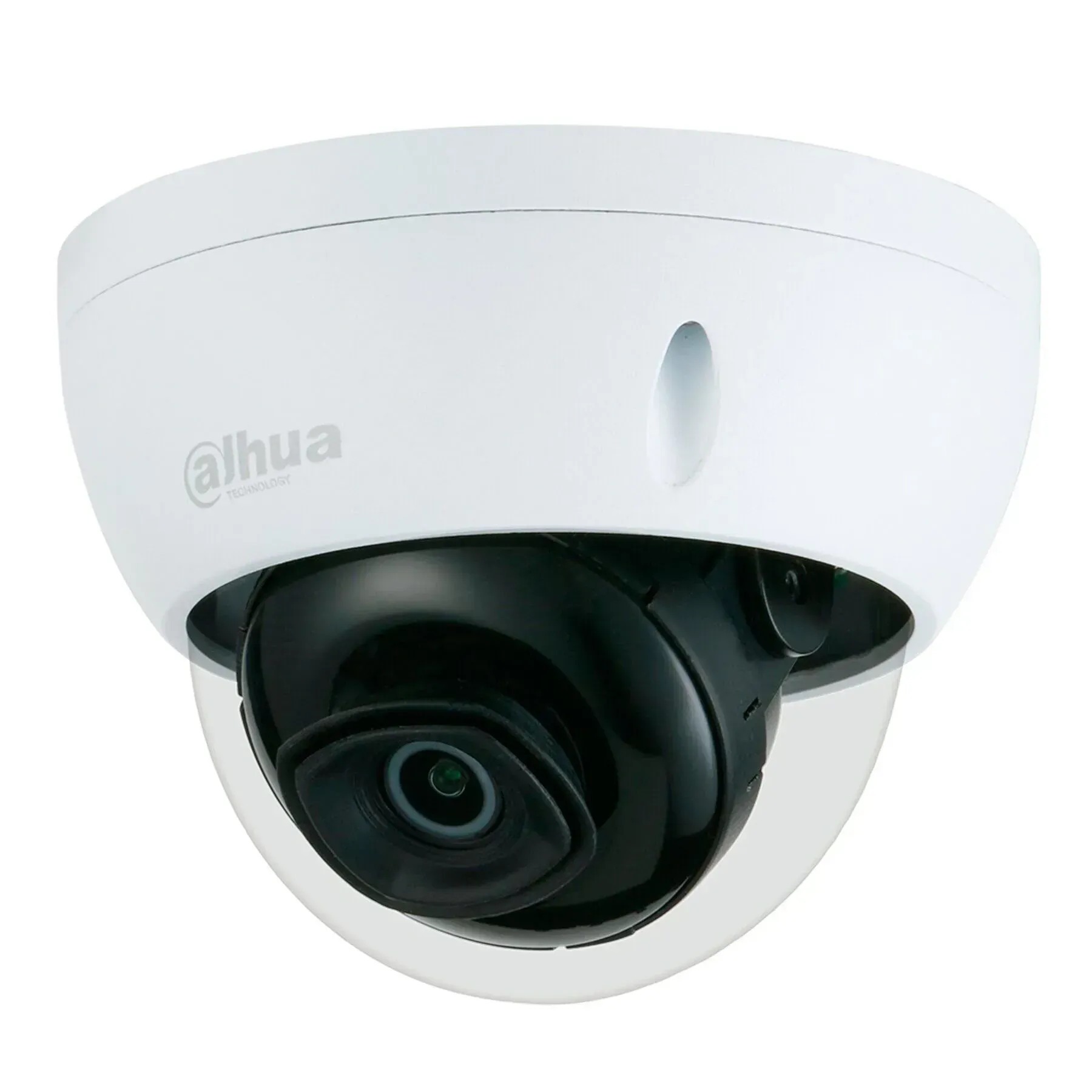
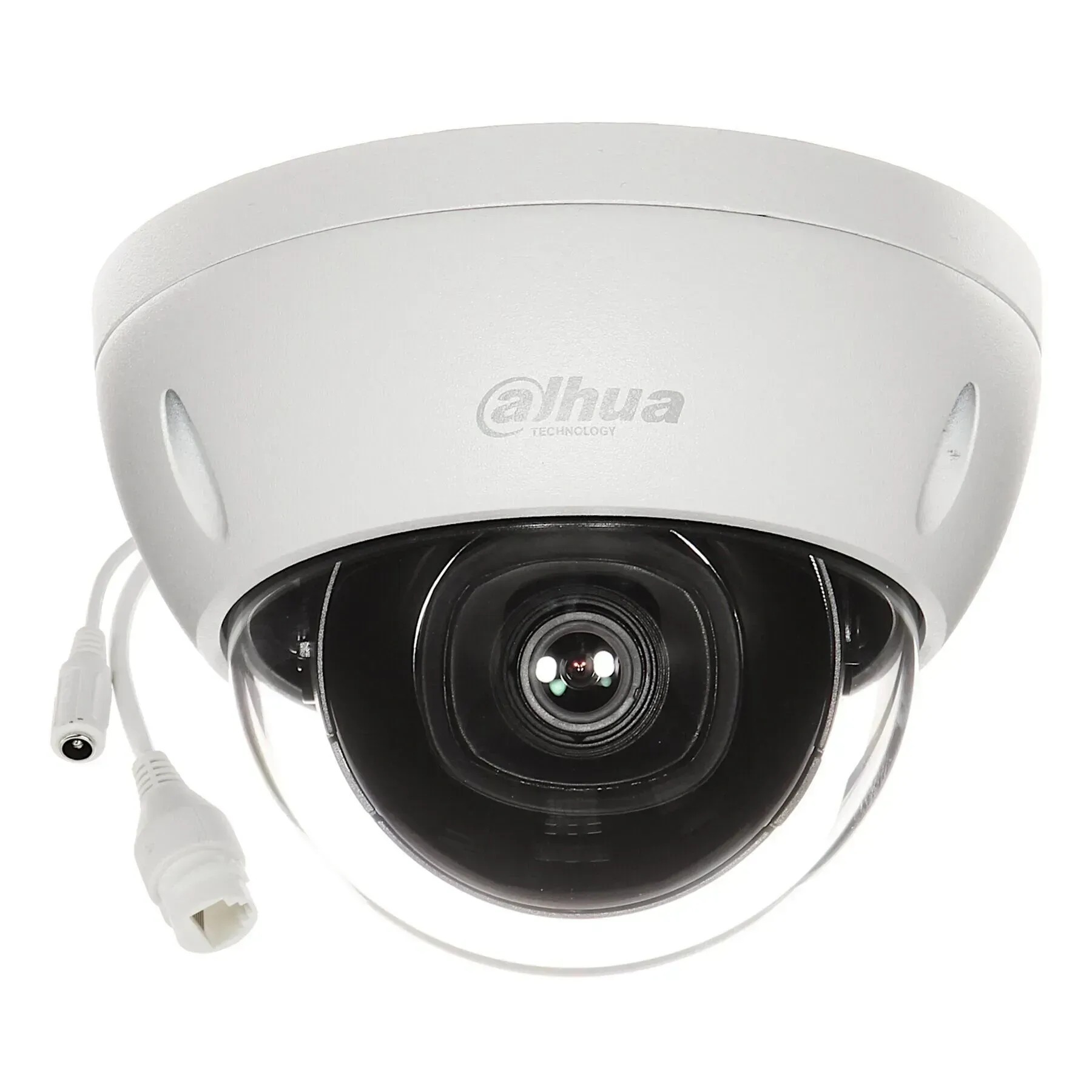
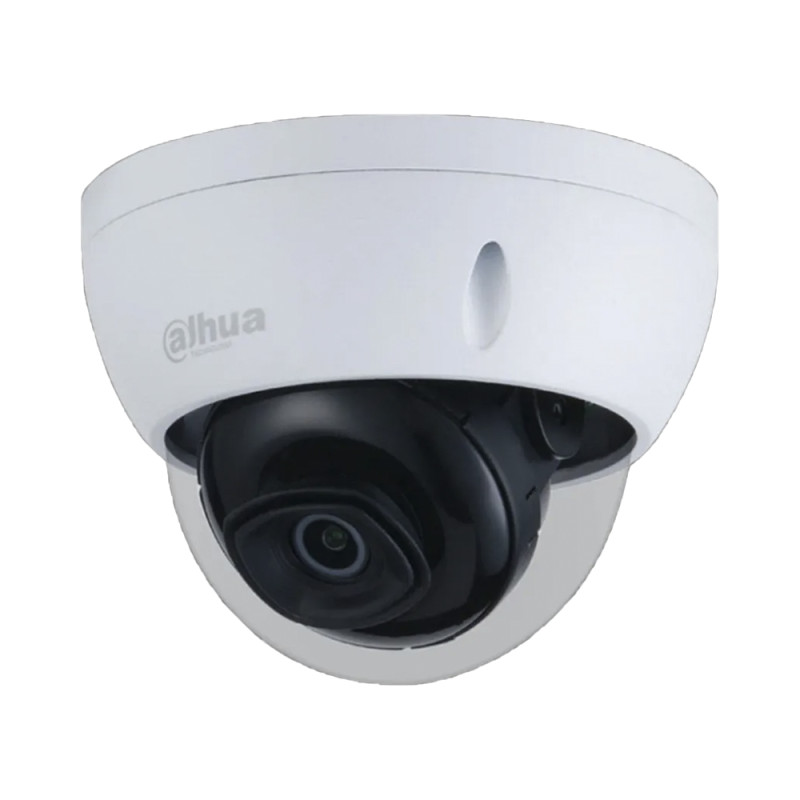
DAHUA DH-IPC-HDBW1431EP-S4 (4 MP) - DOME PoE IP CAMERA



Description Dahua HDBW1431EP-S4
Where the 1xxx line sits in Dahua's range, and what was cut
The 1431 index marks this camera as part of Dahua's Entry range — the lowest of the three tiers the manufacturer keeps for IP cameras, where 1xxx is budget, 2xxx is the mid tier with basic analytics, and 3xxx is the WizSense line with full AI. What was cut here is not the sensor and not the housing, but the brains: there is no WizSense and no SMD Plus, so the camera cannot tell a person from a swaying branch, a cat or a moving shadow. Everything it does with movement is to register a change of pixels and hand that event to the recorder — deciding who was actually there is your job, watching the footage. In exchange buys you genuine 4 megapixels, a metal vandal-resistant housing and operation down to -40 °C, and in this price bracket those are usually the first things to be cut, long before analytics. It is an honest choice for a system where the camera supplies the picture and the recorder, or the person reviewing the archive, supplies the logic.
4 MP across a 93° field: what actually fits in the frame
The 1/3" sensor delivers 2560×1440 at 25 frames per second and, in its maximum-detail mode, 2688×1520 at 20 fps — a difference worth understanding before you mount the camera rather than after. Twenty-five frames give smooth motion and footage you can step through frame by frame, while 20 fps adds a few pixels but leaves visible gaps between frames when someone walks briskly underneath the lens. The fixed 2.8 mm lens with its 93° angle covers an entire stairwell, a small retail floor or a porch with no blind corners at the edges, which is where those 4 megapixels turn into real detail rather than a number on a spec sheet: at four to six metres a face is recognisable, at ten to twelve metres you can still read clothing, height and direction of travel. The trade-off of a wide lens never goes away, though: at twenty to twenty-five metres a person occupies too few pixels for identification, and a licence plate is simply unreadable with this optic. Treat 2.8 mm as a general-view lens for a room or a small yard, not as a tool for identifying anyone at distance.
Light: 30 metres of infrared, Smart IR and coping with backlight
Illumination comes from a single high-output infrared LED reaching a maximum of 30 metres, enough to light a medium-sized room completely or the part of a yard directly in front of the camera. Smart IR is active, so the camera throttles the LED down as a subject comes closer; without it a person standing two metres from the lens becomes a burnt-out white blob exactly when the footage matters most. Be equally clear about what is missing: the name carries no -IL suffix, so this is classic infrared with no warm white light, and at night you get a silhouette, a height and a direction of travel but never the colour of a jacket or a car — precisely the details the police or an insurer ask for. Daylight is handled by a different set of tools: WDR together with HLC and BLC rescues the high-contrast scenes that ruin most recordings. The classic case is a camera facing a shop entrance — dim inside, bright daylight outside — where without processing you get a white blank in the doorway and a black silhouette where the customer should be. HLC works more narrowly but is no less useful, suppressing point light sources so the headlights of a car pulling in at night do not wash out half the frame.
HDBW means a vandal-resistant housing: IK10 on top of IP67
The letters HDBW are not decoration: in Dahua's naming HFW is a bullet camera on a bracket, HDW is an eye-ball dome, and HDBW is specifically the vandal-resistant dome — and the difference between them is purely practical. The housing is rated IK10, which in numbers means an impact of 20 joules: a five-kilogram hammer dropped from forty centimetres, after which the camera keeps recording. There is nothing on a dome to grab and nothing to swing aside — unlike a bullet camera on a long arm, it cannot be knocked off with a stick or simply twisted to face the wall. IP67 gives complete dust protection and survives a metre of water for half an hour, so the camera lives happily under driving rain with no eave above it, while the -40 to +60 °C range covers any Ukrainian winter with room to spare. Power is 12 V DC or PoE 802.3af at 5.5 W, so eight of these draw roughly 44 W and a switch with a 60-65 W budget carries them without running at its limit.
Motion detection without AI, and no SD card slot
The list of events this camera can raise on its own is short and honest: motion detection, tampering with the lens, network loss, IP conflict, unauthorised access and a supply-voltage fault. There is no object classification at all, and outdoors you notice that immediately — a bush moving in the wind, rain caught in the IR beam or a cat on the fence produce exactly the same event as someone climbing the fence. That is why this model belongs in a system with a recorder running continuous recording rather than one relying on motion alerts: otherwise you will switch the notifications off within a week, and the security function leaves with them. The second absence matters just as much — there is no memory card slot in this version at all, so the entire archive lives on the NVR, and any cut cable or power loss at the recorder leaves a gap in the footage that nothing can fill. Compatibility, on the other hand, is not an issue: the camera speaks ONVIF (profiles S, G and T), RTSP, FTP and P2P, so it attaches to Dahua recorders, third-party NVRs and VMS platforms, and to home systems such as Home Assistant over an RTSP stream.
Where this camera belongs and what it was built for
Its strongest card is 4 MP inside a vandal-resistant dome, so its natural home is anywhere someone might try to disable it: an apartment-block entrance, a stair landing, a warehouse aisle, an underground car park, a shop floor near the till. In those places 30 metres of IR is more than enough, a 93° angle covers the room end to end, and IK10 removes the classic problem of public spaces — the camera simply does not break on the first attempt. Outdoors it works too, within limits: a porch, a back yard, a garage entrance or the area by the gate at up to ten or fifteen metres, yes, but a long perimeter or a fence forty metres away is beyond a 30-metre IR reach. Do not buy this model where you need push alerts specifically for a person or a vehicle — without AI analytics you will get a stream of false alarms, and no amount of zone tuning cures that.
How it compares with the neighbouring models in this catalogue
Within Dahua the closest comparison is the DH-IPC-HDBW2449F-AS-IL: the same vandal-resistant dome and the same 4 MP, but from the 2xxx series and carrying the -IL suffix, which means Smart Dual Light (colour images at night) plus human and vehicle detection. The gap is only, and if the camera looks outdoors it is almost always worth paying; this model keeps the advantage where colour at night is pointless — a lobby or a car park with permanent lighting — and across a kit of eight cameras 4320 against saves you the price of one whole camera. If you want the same armoured dome with proper WizSense, look at the DH-IPC-HDBW3441E-AS-S2: the 3xxx series, 50 metres of IR and AI classification of people and vehicles — a cheaper option extra that pays off only if the alerts are genuinely used. Among its non-armoured relatives there is the DH-IPC-HDW1431T1, the same Entry hardware in an eye-ball body and slightly cheaper, and that small difference is exactly what the IK10 rating costs you: take the cheaper one for an office ceiling and this one for a public stairwell. On the Hikvision side the direct rival DS-2CD1141G0-I costs less with identical limitations (4 MP, 30 m IR, no AI), while the DS-2CD1143G2-LIUF Smart Hybrid Light is both cheaper and equipped with hybrid illumination and human detection — it loses only on the housing, being an ordinary dome with no impact rating. Imou's Turret SE 4MP-C is nominally 4 MP with human detection as well, but it is a plastic Wi-Fi eye-ball built for homes, and putting it in a stairwell or a warehouse misses the point: there a camera is judged by more than its sensor.
Tell us how many points you need to cover, whether a recorder is already in place and whether colour night footage matters to you — we will put together a set without charging you for features you will never switch on.
Characteristics Dahua HDBW1431EP-S4
Reviews about Dahua HDBW1431EP-S4 from real users
No reviews found







